
 7.3
7.3Head Coello Team 2025
Head · 2025
Repeatable smash depth without a full swing
Glossy face gives almost no spin bite
Mid RangeIntermediate
 7.8
7.8Measured at the lowest swing weight in the Coello range, this is the diamond you can still attack with in the third set. Buy it if you are an intermediate who finishes at the net and wants power without a stiff carbon face. Skip it if your game runs on spin, because the smooth surface gives you almost nothing.
All-court player who prizes control, feel and spin
Bowe is convinced that the racket, shoes, court are the problem, never his own abilities.
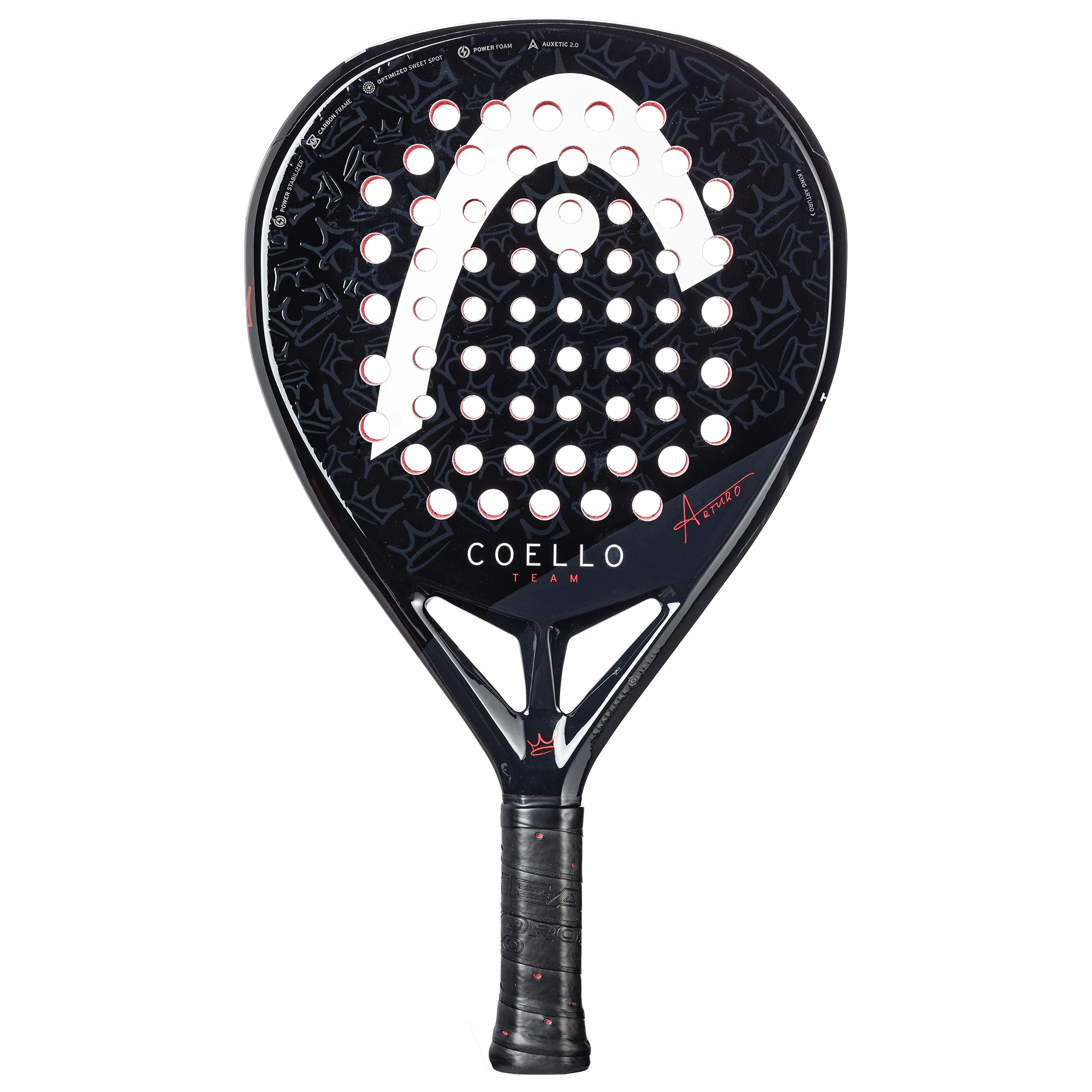
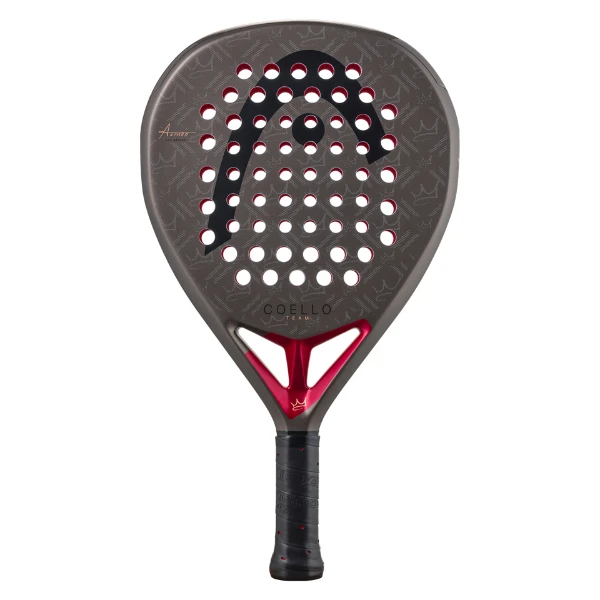
The Coello Team is the easy one in Head's Arturo Coello line. Coello is the world number one and plays the Coello Pro. The Team keeps the same diamond outline and softens everything that makes the Pro hard work: a fibreglass face instead of carbon, Head's red Power Foam in the core, and a carbon frame with Graphene reinforcement. Street prices sit roughly between 150 and 220 euro depending on the market.
Against the 2025 Team the changes are mostly internal. Head moved to Auxetic 2.0, which now sits in the carbon yoke and in the bar inside the handle, updated the Power Foam to a more reactive version, and put Coello's crown logo and signature on the paint. The shape and the intent have not moved.
One measurement is worth knowing before you buy. Extreme Padel ran the whole 2026 Coello range across their X-Compare bench and put the Team at 168.3 swing weight, the lowest of the three. The Pro came in at 183.1. Same shape, very different amount of work.
The face is smooth, and that matters more than the marketing suggests. Head describes it as a flat surface with no roughness. Several retailers still list Extreme Spin among the technologies, so buyers turn up expecting bite that is not there.
What the Reviewers Say
Six sources, English and Spanish, plus one set of lab measurements. They agree on the character and split on the level.
Extreme Padel measured the racket before anyone played it. Julien, their TFP-certified coach, logged 354.5g, a 272mm balance, 62 RA stiffness, comfort at 85/100 and tolerance at 79/100. His court reading: "this produces a trampoline effect that makes the ball come off easily, but it asks you to stay in control on the big attacking shots." Ball output scored 82/100, which is where the easy power comes from.
Padel-Point put the three Coello models side by side and landed in the same place: "the Team is the racket that gives you more control, and it is a good option for intermediate players who love to play like Arturo but still need plenty of control in their game."
Padelreference's expert panel scored comfort 9 out of 10, well clear of power and control at 7 and spin at 6. Their buying advice is blunt: "Choose the Team if you like Arturo Coello's attacking style but find carbon rackets too stiff or too hard to play. Avoid it if you are an expert chasing surgical precision, because fibreglass gives a little less control than carbon."
Tennis Warehouse, who stock the whole family, call it "a much softer and more comfortable hitting experience, making it the most user-friendly option within the Coello family." Zona de Pádel, writing up the full 2026 collection, call the Team "the most accessible racket in the range" and say it leans on control and ease of use where the Motion chases versatility and power.
The most useful criticism comes from an owner. An advanced player reviewing the racket on Racketguide wrote: "It is a good racket, but because it has no surface texture, sometimes at the net or when I am defending I lose out to the spin my opponents put on the ball." Every scorecard here puts spin at the bottom.
Where they disagree is level. Head aims it at intermediate and advanced players. Zona de Pádel puts it closer to beginner and intermediate. The lab numbers land in between: 354.5g at a 272mm balance is not a beginner frame, but it is the least demanding diamond Head sells under Coello's name.
How it plays..
The measurements match the design brief. Comfort at 85/100 and tolerance at 79/100 are real, and the lowest swing weight in the range means the second hour feels close to the first. The part I keep returning to is the face. It is smooth by choice, and a smooth fibreglass surface gives a soft, slightly muted contact with very little grip for working the ball. For players who build points with placement and spin rather than finishing overhead, that is the wrong trade to make.
Defense
Defence is adequate rather than good. The fibreglass face and the Power Foam absorb pace well, so a block against a hard drive stays in the court without jarring the arm, and the 79/100 tolerance figure backs that up. The limit shows on the glass. The head-heavy balance means low balls off the back wall need an early, committed swing, and the smooth face gives you almost nothing to shape a defensive lob with. Spin sits at the bottom of every scorecard, and defending is where you notice it first.
Attack
This is what the shape is for. The diamond puts the mass high, the Power Foam springs the ball off the face, and the smash lands with real depth without a full-effort swing. Extreme Padel measured ball output at 82/100, which matches how it plays: quick and easy rather than explosive. It is not the hardest-hitting diamond of 2026 and it is not trying to be. What it gives you instead is the ability to keep attacking at the same level in the third set.
Netplay
At the net it is solid and comfortable. Block volleys hold their line because the graphene-reinforced frame barely twists, and the soft face means a fast ball does not sting. The bandeja is the honest weak point. You get depth and a flat, skidding ball, but not the heavy cut that keeps good opponents pinned in the corner. Víboras work if you hit through them properly; they do not curve away on their own.
Our Advice for New Players
Not a first racket, but closer than most diamonds. A true beginner is better served by a round frame with an even balance, which forgives a wider range of contact points and teaches the swing faster. If you have played a season, you already like going forward, and stiff rackets have made your arm complain, the Coello Team is one of the few diamonds you could start on without regretting it.
Our Advice for Intermediate Players
This is the target and it is a good fit. It rewards the intermediate who attacks from the net but has not yet built the technique or the conditioning for a 370g carbon diamond. Coming from a round control racket you get free depth on the smash without giving up comfort. The one intermediate it does not suit is the player working on rotation. If your coach has you building a heavy bandeja and a kicking víbora, a rougher face will teach you more.
Competitive level
Most advanced players will find the ceiling quickly. Power tops out below the Coello Pro and the Extreme Pro, and control is adequate rather than precise, so tight cross-court angles from the back glass ask more of you than a carbon face would. There is one genuine advanced case for it: the strong attacker with a history of elbow or shoulder trouble who wants to keep playing an offensive game. At 62 RA with a fibreglass face, this is one of the gentlest attacking frames on sale.
How It Compares
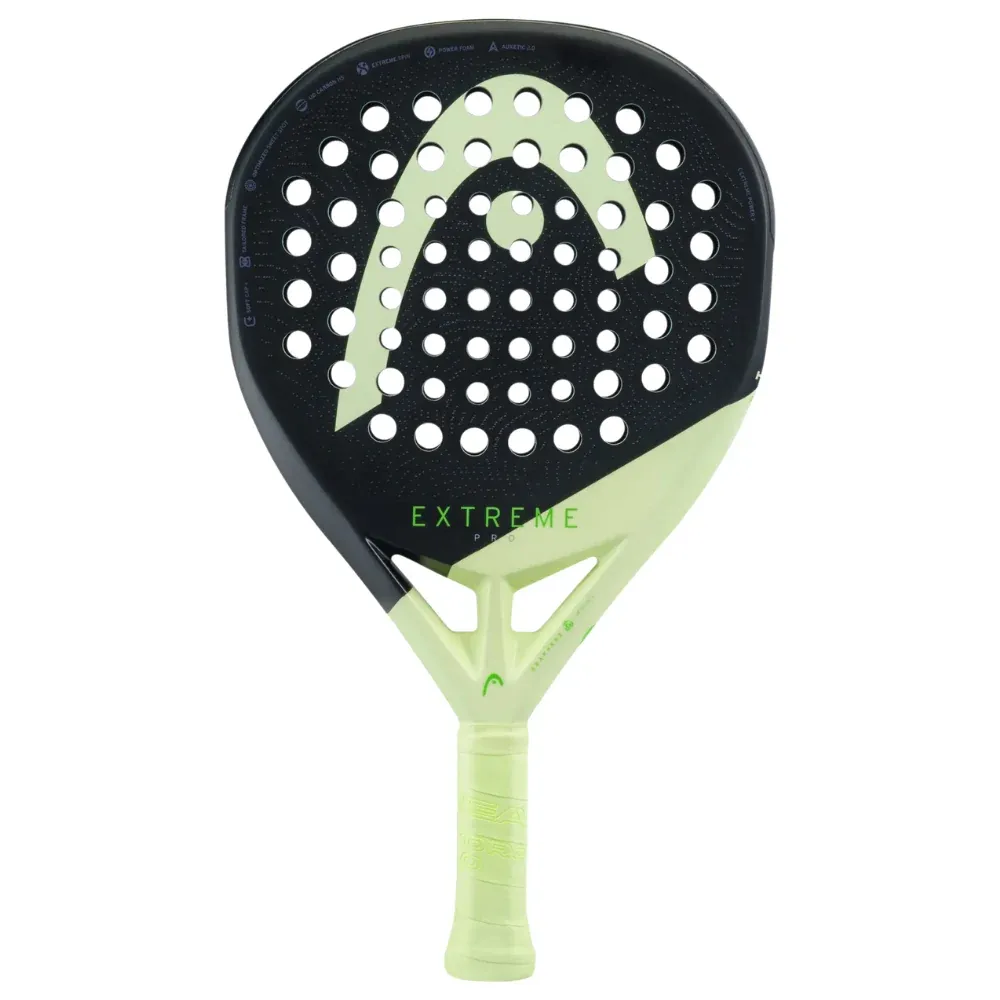
Want the same attacking shape with a real carbon face? The Head Extreme Pro 2026 hits considerably harder and stays precise when the pace rises, but it carries more weight, wants a clean full swing, and will not protect your arm. Take it only if your technique is already sound.
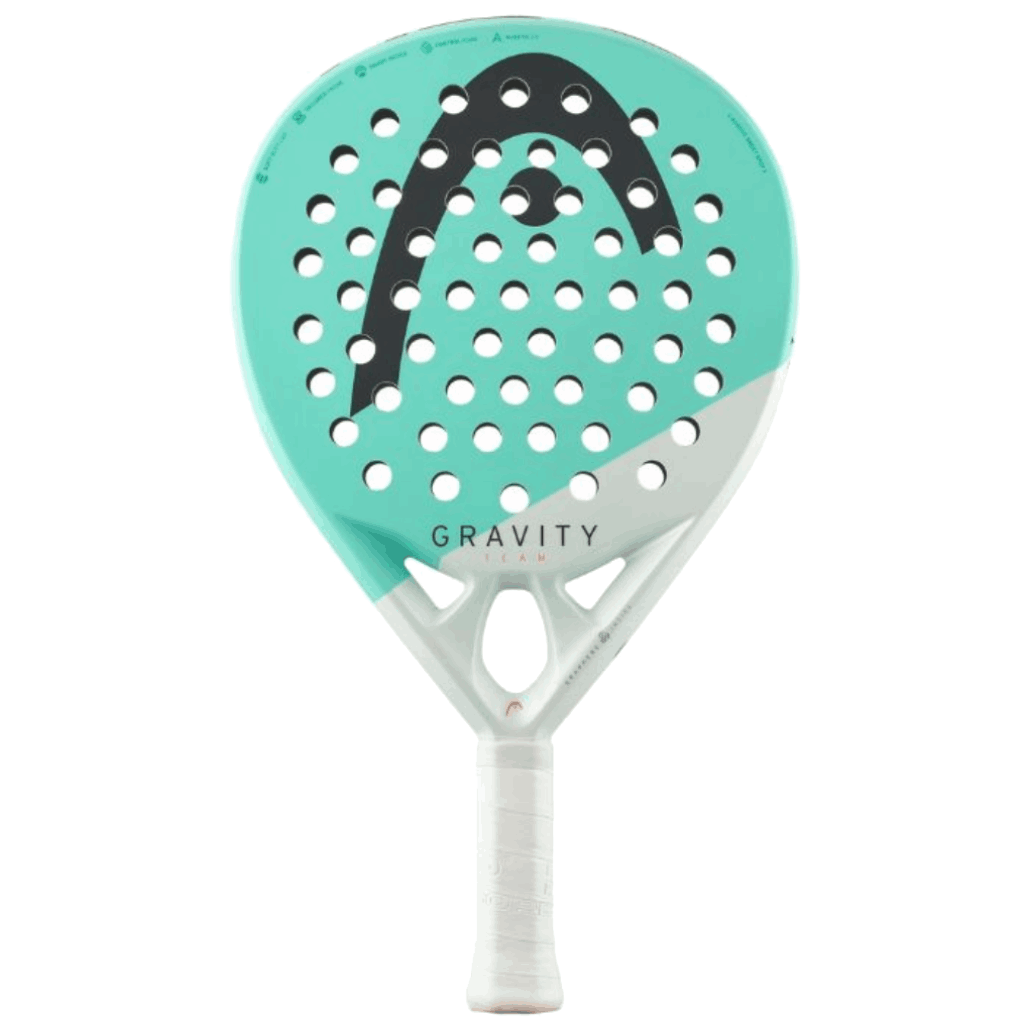
Want the comfort without the diamond? The Head Gravity Team 2024 is a round, even-balanced control racket at similar money with a rougher face. Bigger margin for error, far easier defence, and the spin the Coello Team cannot produce. It will not finish points for you overhead.
Research & References
Our mission is to help you choose the right padel racket with clear, in-depth reviews that make it easy to level up your game. We start with official specs, then break down each racket’s key properties. Finally, we bring together trusted video and written reviews—summarised into one consistent, easy-to-read overview.
Drafted by Padelguru from independent lab measurements and published expert video and written reviews, with Bowe Frankema's playing profile as an editorial lens, then reviewed and edited by Bowe Frankema. Nobody at Padelguru has play-tested this racket, so every on-court claim here traces back to a source in the list above.
Put the rackets you are considering side by side and keep the ones you play with in your collection.
Get the Padelguru app
Recommended for
Intermediate and high-intermediate players who attack from the net, want easy overhead power, and need a comfortable frame rather than a stiff carbon one.
Skill level
Intermediate, High Intermediate
Court position
Left, Net
Play style
Power, Offensive, Balanced
Best at: Offense (8.3/10)
Average: 7.5/10
Padel-Point: HEAD Coello Series Review, Pro vs Team vs Motion
Extreme Padel: Head Coello 2026 range video test
Shape
Diamond
Weight
Medium (356–370g)
Balance
Power-Oriented (Head-Heavy)
Touch
Medium Soft
Core
Red Power Foam
Surface
Fiberglass
Texture
Smooth
Year
2026
8 rackets with characteristics, performance and appeal close to the Head Coello Team 2026.
7.3Head · 2025
Repeatable smash depth without a full swing
Glossy face gives almost no spin bite
 7.4
7.4Head · 2025
Very forgiving on off-centre contact
No second gear on the smash
 8.5
8.5Head · 2025
Exceptional power for smashes and aggressive volleys
Heavy weight (375g) requires good technique and physical condition
 8.2
8.2Head · 2025
Wide sweet spot for an attacking diamond
Almost no free ball output in defence
 8.1
8.1Head · 2025
Very large, forgiving sweet spot
Ball floats long at high pace
 7.8
7.8Adidas · 2026
Forgiving on off-centre hits
High sweet spot less forgiving on low defensive balls
 8.4
8.4Head · 2026
Smash output close to the Coello Pro
Hard work digging out low defensive balls
 8.3
8.3Head · 2024
Exceptional control and precision
Lower power output compared to offensive rackets
Want to explore more options?
Browse all rackets