
 7.8
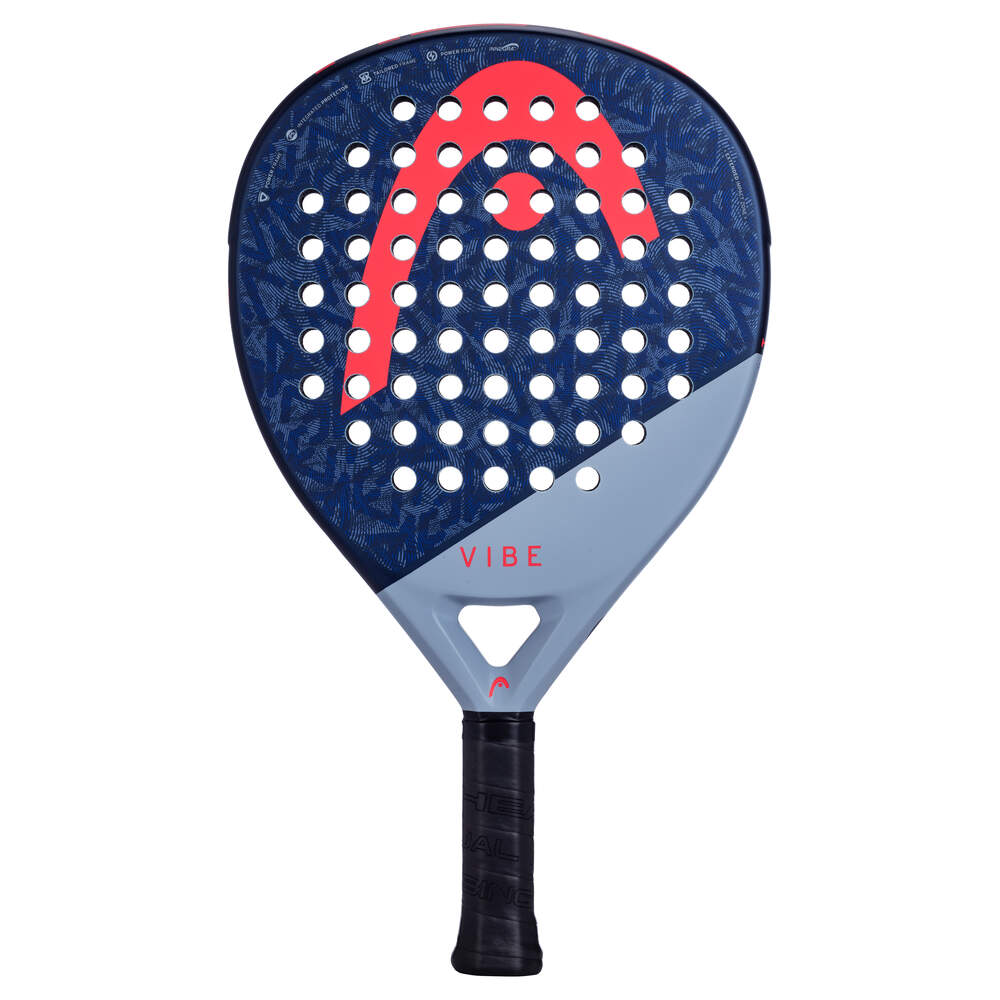
7.8Head Vibe 2025 bk_pu
Head · 2025
Large sweet spot for easier play and forgiveness
Limited power for more advanced players
Entry LevelBeginner
 7.4
7.4Off-centre lobs and blocks that would die on a smaller frame still come back deep, which is what a developing player needs most. Buy it if you are in your first year or two and mishits cost you points. Skip it if you already finish from the net, because there is no top gear on the smash.

Developing all-court player focused on consistency and comfort
Always gets an "A" for effort from the coach. That tells you enough about his technique.
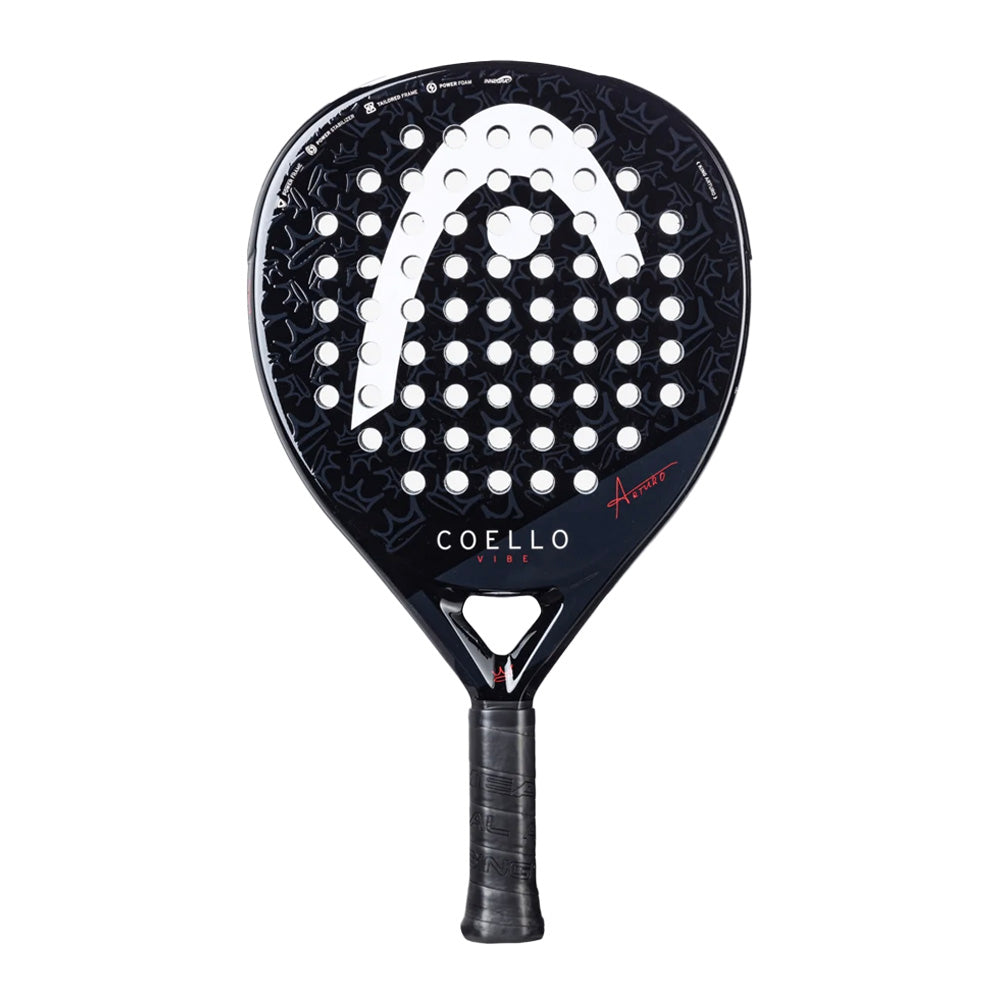
The Head Coello Vibe 2025 is the entry point into Arturo Coello's signature collection, and the first thing to be honest about is what it is not. Coello is the world number one. This is not the racket he competes with. It is the beginner model in a range that carries his name, and Head says so plainly in its own product copy.
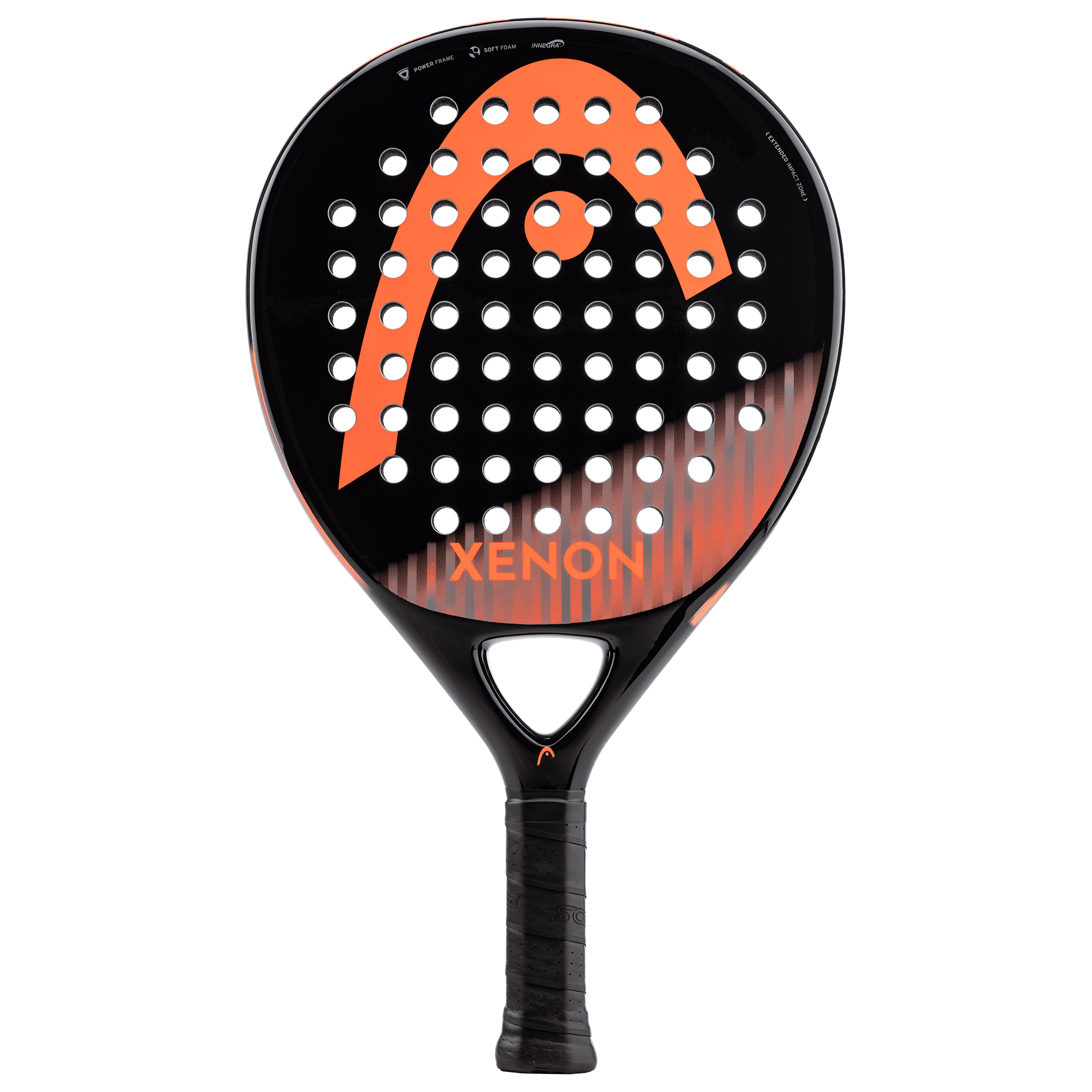
Judged on its own terms it is a well built first racket. Head uses an oversized teardrop head, a soft fibreglass hitting face and a reactive Power Foam core, which together give you a big, tolerant hitting area and a ball that leaves the face easily without much swing speed. At around 355g with a mid balance it feels quicker in the hand than the number suggests. Street prices sit near 80 euro, well under the 150 euro list price.
Against the plain Head Vibe it is about 5g heavier and swaps that model's softer Control Foam for the livelier Power Foam, so it gives a bit more pace and a slightly more direct response. The 2026 version is the same frame in new colours: same mould, same core, same construction, which is why reviews of both apply here.
What the Reviewers Say
Across written reviews in English, German, French and Spanish, plus two on court video tests, the verdict is consistent. This is a comfortable, forgiving racket that helps you keep the ball in play, and it runs out of ideas when you want to finish a point.
Forgiveness is where everyone agrees. Racket Review Hub described the practical effect well: "off-centre lobs that would normally clip the frame's edge on a diamond racket instead landed cleanly back over". Padel Passion (FR) said the same thing in technical terms, that the Vibe "compensates for errors of timing and centring", so a player who swings early or late still gets a usable ball back. Padel Coach Reggie, who hit with it and played a match on it, put that down to the shape: the oversized teardrop "gives easier power and a larger sweet spot" than a standard teardrop, and on that basis he calls it a racket anyone can pick up and play.
On comfort they line up too. Tennis Overload noted that "the fibreglass surface absorbs vibration effectively and creates a soft response", and Padel-Kompass (DE) scored it 7.6 out of 10 while listing "a medium soft feel you can play for a long time without fatigue" among its main strengths.
They are equally united on where it stops. OpenPlay was blunt about the ceiling: "it won't finish points for you and it won't spin the ball, and reviewers are unanimous on both". Padel-Kompass put it in one line, that the racket "grows out of its role quickly as your level rises". Racket Review Hub warned that the soft Power Foam core "will feel mushy and imprecise to intermediate or advanced players used to a stiffer response".
Where opinion splits is on whether the easy power is enough. Head markets accessible power, and Padel Passion agreed the Power Foam gives a genuinely lively ball exit. Owners are cooler. On Racketguide the racket averages only 3.0 out of 5 across six buyer reviews, and one club player said flatly that "it lacks power and the feel is too soft". Both readings are fair. The pace is there at rally speed and missing at finishing speed.
The sharpest disagreement is about the feel. Written reviewers call it soft. Otro Nivel Padel, who tested the whole Coello line back to back on court, found the opposite: he said the Vibe "is not trampoline, it is direct", firmer than he expected from a beginner frame, warned that the Power Foam makes it less arm friendly than a genuinely soft core, and still scored it 7.0 out of 10 for a beginner who wants easy pace.
How it plays..
For a player still building a game, this is an easy racket to like. The hitting area is genuinely large, the fibreglass face takes the sting out of a bad contact, and none of that asks anything of your technique. The catch is the one reviewers keep naming: when a ball sits up and you want to end the point, the Power Foam gives back less than you put in. Worth buying for the comfort and the confidence, not for the smash.
Defense
This is the strongest part of the racket. The oversized head and the soft face make lobs and blocks off the glass far more tolerant than a smaller frame, and balls struck near the edge still come back deep enough to be useful. The trade-off shows against genuinely heavy hitting. The ball leaves the face slower than you want, so a hard smash blocked back tends to sit up rather than push the opponents off the net.
Attack
Pace is available, but only to a point. The Power Foam and the teardrop head give you an easy first gear, so a normal swing produces a ball with real depth and you do not have to hit hard to clear the net. Ask for more than that and the frame flattens out. Flat, heavy smashes come off softer than the swing deserves, and the smooth face gives very little bite, so a víbora skids through instead of dipping.
Netplay
Volleys are the surprise. At around 355g with a mid balance the racket moves quickly and stays calm when a ball is driven at you, so reflex exchanges are comfortable and blocks hold their line. The bandeja is controlled rather than aggressive. It lands and does its job without pushing anyone back. Drop shots and soft hands work well, because the fibreglass face holds the ball a fraction longer.
Our Advice for New Players
Yes, this is the target buyer and the racket does the job. The large hitting area keeps rallies alive while your contact is still inconsistent, the fibreglass face takes a lot of the shock out of a bad contact, and at street prices near 80 euro the risk is low. One thing to prepare for: the ball comes off the face fast at low swing speeds, so shorten your backswing early or you will spend the first few sessions hitting the back glass.
Our Advice for Intermediate Players
It depends on what you want next. If you are an improving intermediate who still loses points to mishits and values comfort, it will keep serving you. If you are starting to attack, build points from the net and hit through the ball, you will find the ceiling quickly, and a firmer carbon frame will pay you back more.
Competitive level
Not for you. The soft core, the smooth face and the limited top end mean an advanced player ends up fighting the racket rather than using it. Anyone at this level who wants a Coello frame should look at the Coello Motion or the Coello Pro instead.
How It Compares
The closest call is the plain Head Vibe 2025. Same oversized teardrop mould and fibreglass face, about 5g lighter, and a softer Control Foam core instead of Power Foam, for roughly 25 euro less. Pick the plain Vibe if maximum comfort and the lowest price matter most, and the Coello Vibe if you want the slightly livelier, more direct response and the better frame package.
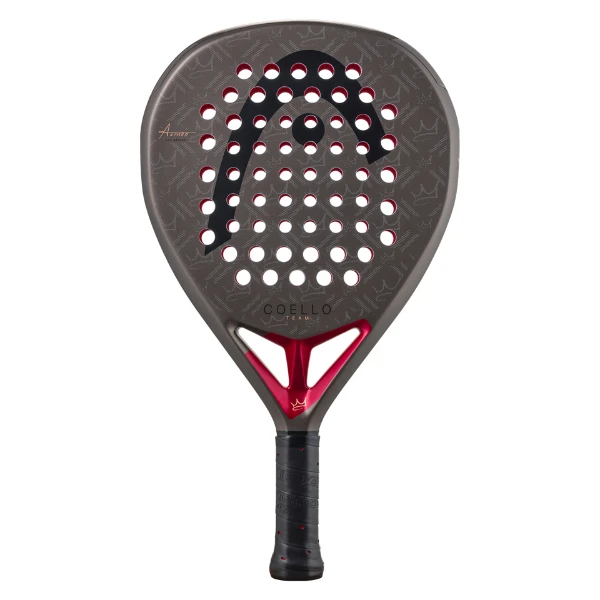
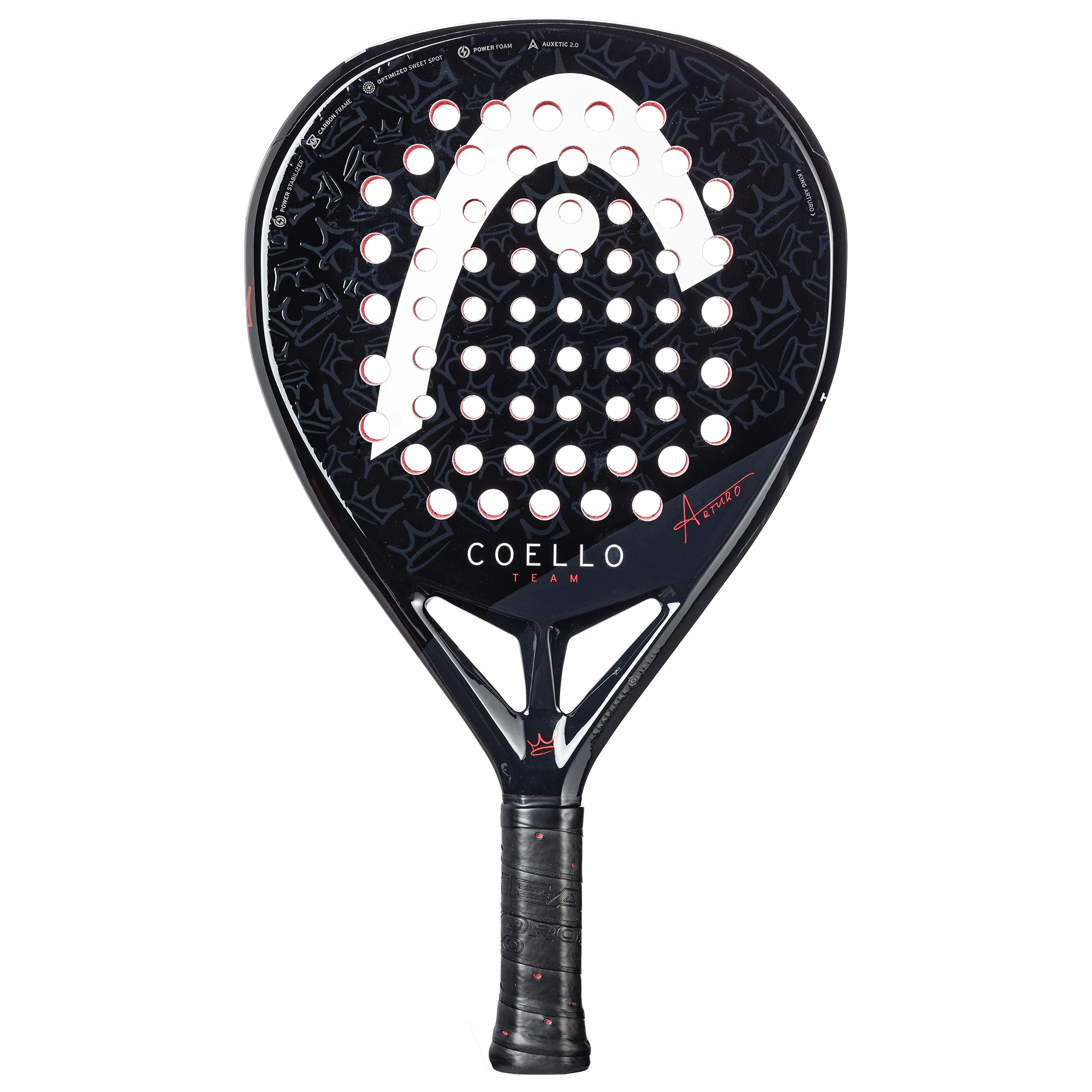
One step up in the same collection, the Head Coello Team 2025 goes to a diamond head and about 360g. It is stiffer, it finishes better and it is much less forgiving. Choose it once mishits are no longer your main problem.
Research & References
Our mission is to help you choose the right padel racket with clear, in-depth reviews that make it easy to level up your game. We start with official specs, then break down each racket’s key properties. Finally, we bring together trusted video and written reviews—summarised into one consistent, easy-to-read overview.
Drafted by Padelguru from published expert reviews and manufacturer specifications, with Kaj Kloezeman's playing profile as an editorial lens, then reviewed and edited by Kaj Kloezeman. Nobody at Padelguru has played this racket, so nothing here is presented as a hands on test. The 2025 and 2026 versions share the same mould, core and construction, so reviews of both were used.
Put the rackets you are considering side by side and keep the ones you play with in your collection.
Get the Padelguru app
Recommended for
Beginners and improving recreational players who value a forgiving hitting area and arm comfort over top end power, on either side of the court.
Skill level
Beginner, Intermediate
Court position
Both sides, Backcourt, Net
Play style
Control, Balanced, Defensive, All-court
Best at: Defense (8.5/10)
Average: 7.3/10
Head Coello Vibe Padel Racket Review
The NEW Head Coello Line 2026 REVIEW
Shape
Teardrop
Weight
Medium (356–370g)
Balance
Balanced (Even)
Touch
Medium Soft
Core
Power Foam
Surface
Fiberglass
Texture
Smooth
Year
2025
8 rackets with characteristics, performance and appeal close to the Head Coello Vibe 2025.
7.8Head · 2025
Large sweet spot for easier play and forgiveness
Limited power for more advanced players
 7.8
7.8Head · 2026
Easy smash depth without a full swing
Smooth face gives almost no spin bite
 7.3
7.3Head · 2025
Repeatable smash depth without a full swing
Glossy face gives almost no spin bite
 8.5
8.5Head · 2025
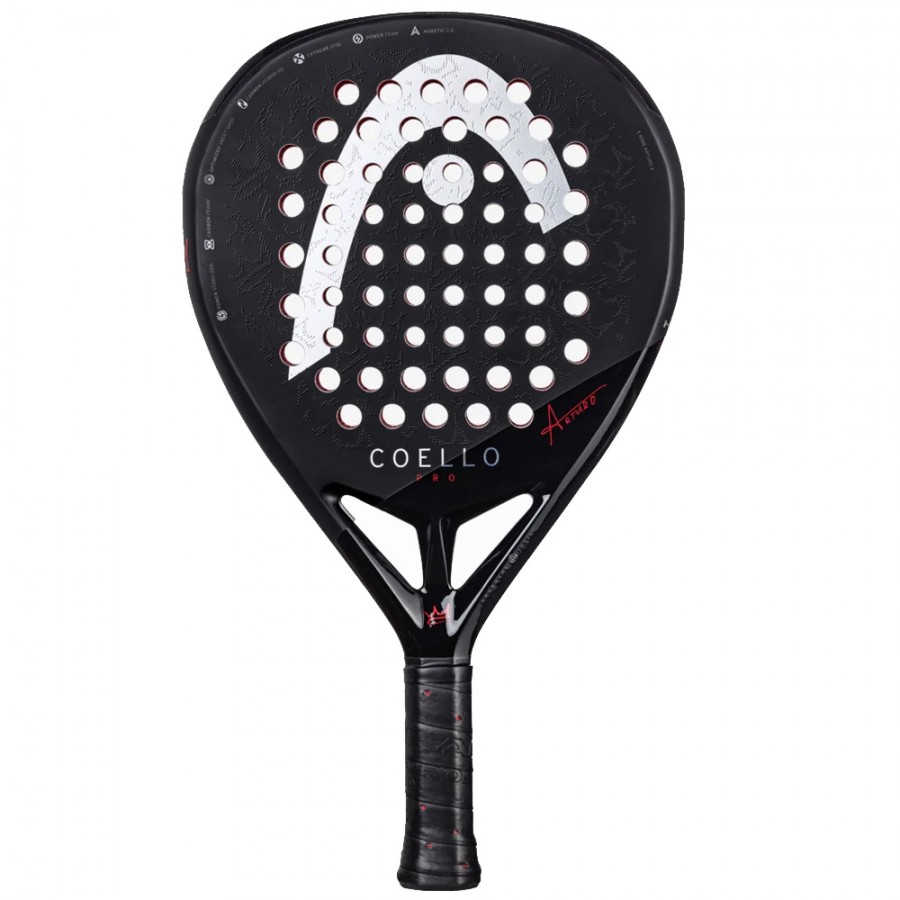
Exceptional power for smashes and aggressive volleys
Heavy weight (375g) requires good technique and physical condition
 8.2
8.2Head · 2025
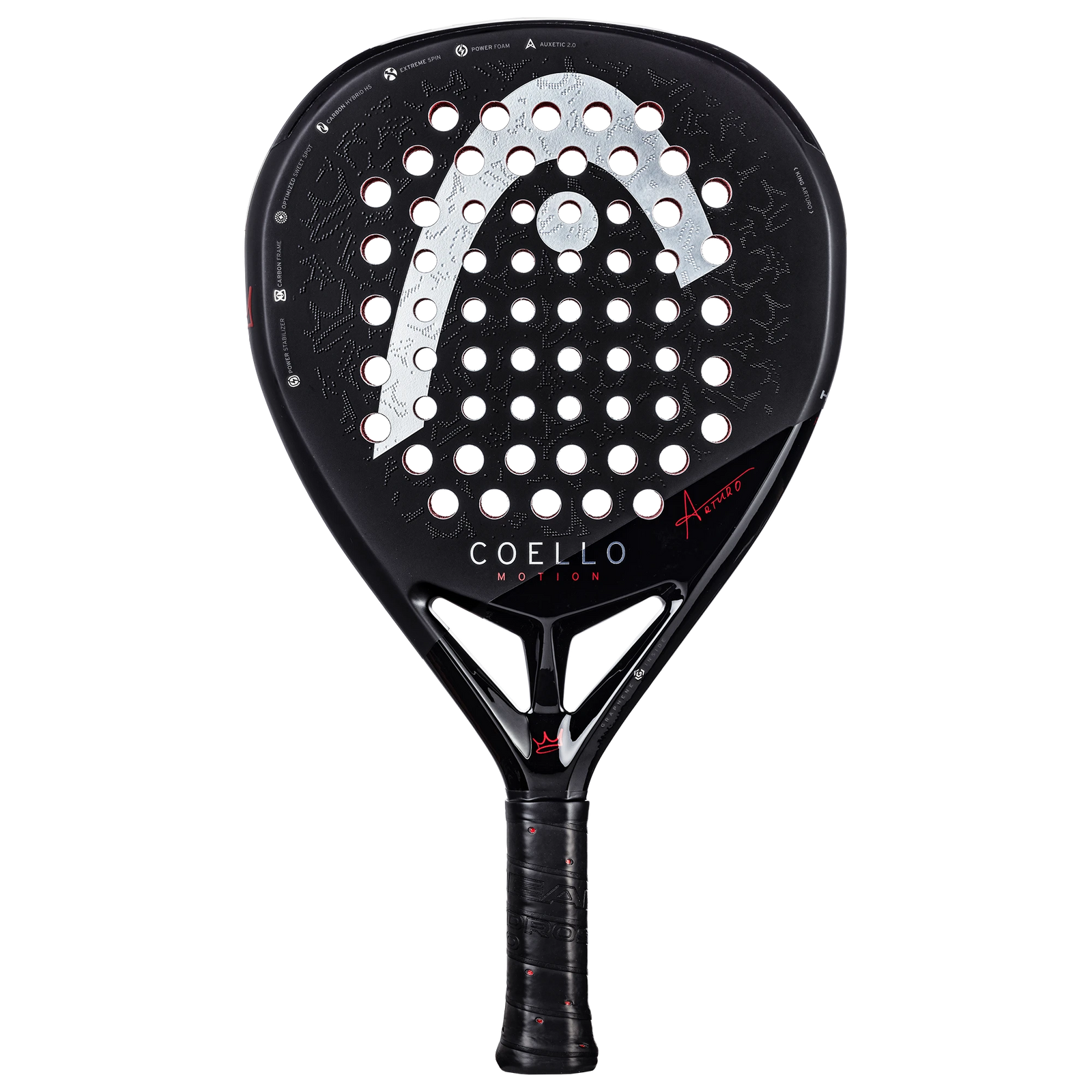
Wide sweet spot for an attacking diamond
Almost no free ball output in defence
 8.1
8.1Head · 2025
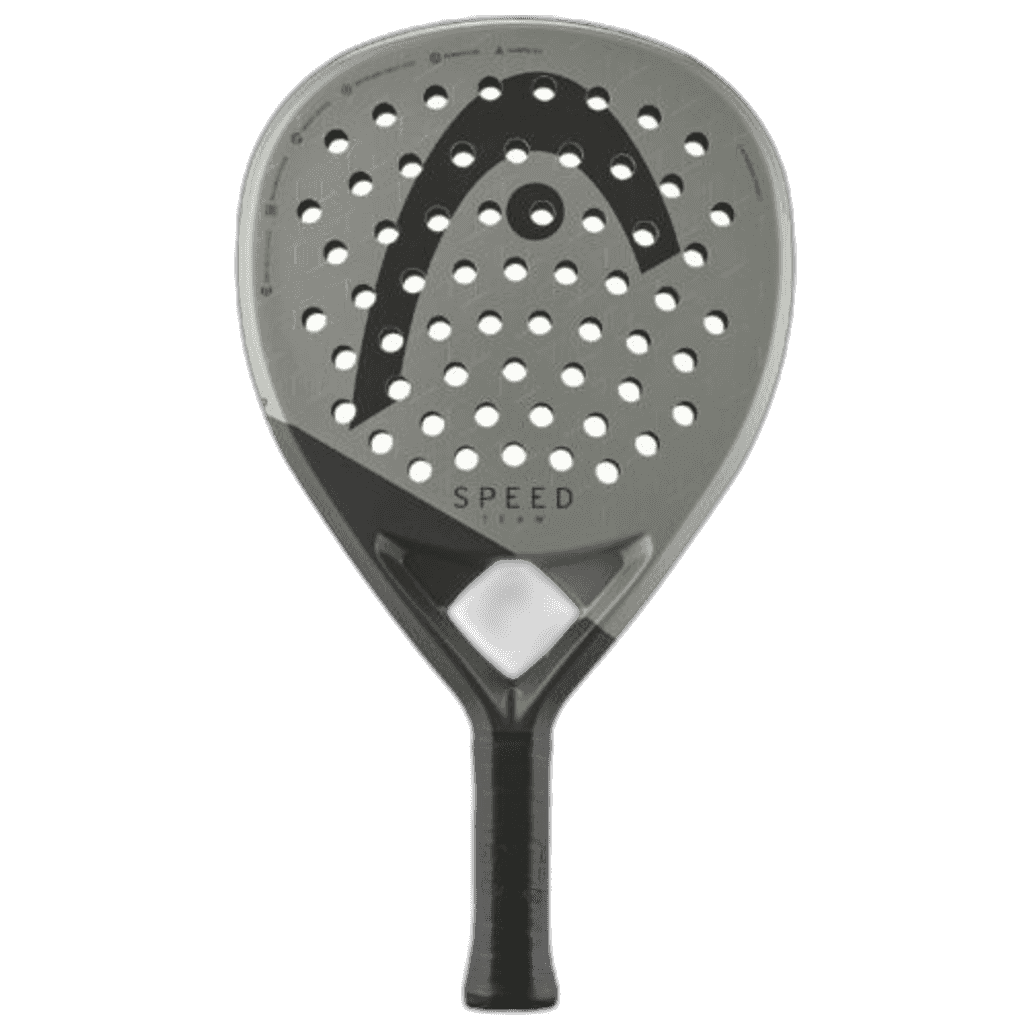
Very large, forgiving sweet spot
Ball floats long at high pace
 7.8
7.8Head · 2025
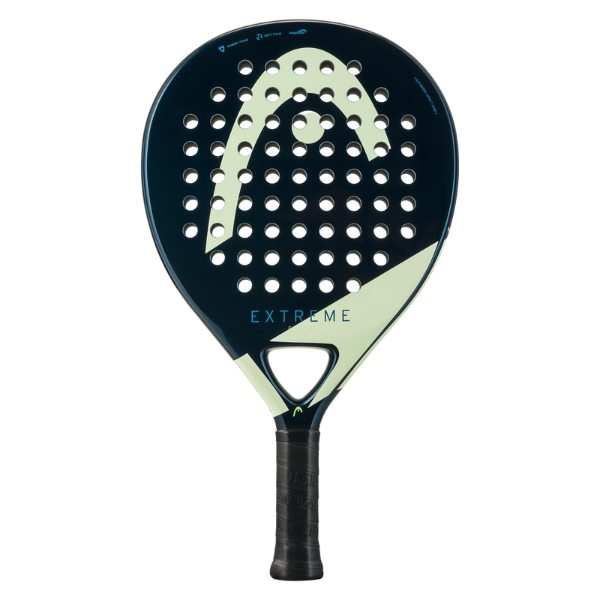
Extremely comfortable for beginners
Limited power compared to advanced rackets
 7
7Head · 2025
Excellent control for learning proper technique
Limited power compared to advanced rackets
Want to explore more options?
Browse all rackets