


 5:34
Bandeja technique: contact and body position
The Padel School
Bandeja · Beginner, Intermediate, High Intermediate
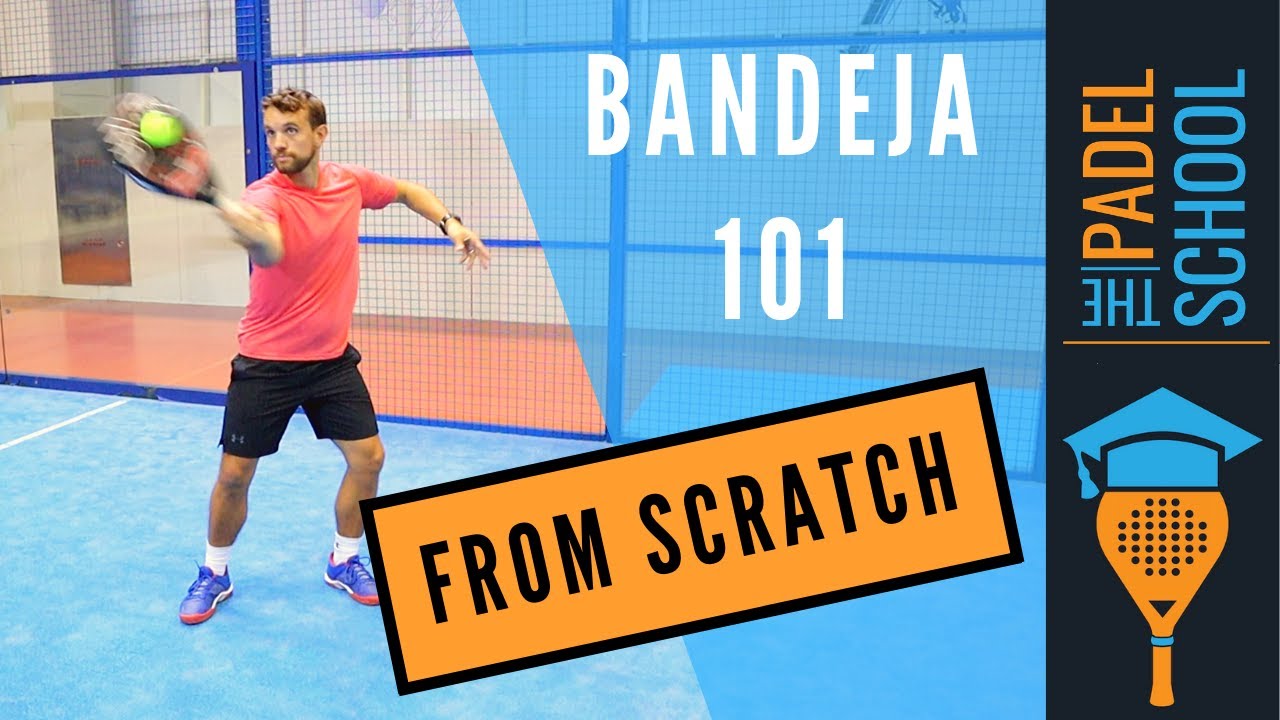
You must turn your body sideways the moment the opponent hits the lob to get into position early. Always strike the ball in front of your body to maintain control and allow for a quick recovery back to the net.
The bandeja serves as a defensive overhead intended to maintain net position rather than win the point outright. Success begins with immediate movement the moment the opponent strikes the lob. Players often watch the ball too long before turning, which leaves them out of position. A side-on stance must be established early to judge the depth of the incoming ball.
Contact must occur in front of the body. Striking the ball behind the body results in a lack of control and sends the ball high, giving the opponents an easy attacking opportunity. Proper contact allows for a controlled slice or flat trajectory. Once the ball is struck, the player must move forward immediately to recover the net position. Standing back to watch the shot allows opponents to take control of the court. These three steps form a cycle that keeps the player in the point even when the shot itself lacks perfect accuracy.
We add lessons from the creators we learn from every week. Get the new ones, our racket reviews and what the creators are making, every other week.
Added on Sep 19, 2026
Skill level
Court position
Net
Every lesson on this page is The Padel School's work. If it helped your game, subscribe on YouTube and tell them.
Subscribe on YouTube5:34The Padel School
Bandeja · Beginner, Intermediate, High Intermediate
 5:09
The Padel School
Bandeja · Beginner, Intermediate, High Intermediate

Padel Drive
Bandeja · Beginner, Intermediate, High Intermediate, Advanced, High Advanced
 5:26
The Padel School
Bandeja · Intermediate, High Intermediate, Advanced, High Advanced
 7:54
The Padel School
Bandeja · Beginner, Intermediate, High Intermediate
 7:26
The Padel School
Bandeja · Intermediate, High Intermediate, Advanced, High Advanced
