
 8.4
8.4Wilson Defy V1 SE 2026
Wilson · 2026
Exceptional grip on the ball
Flat smash lacks top-end punch
PremiumAdvanced
 8.3
8.3A committed attacker's racket that stays quicker in the hand than 370g of head heavy diamond should. Advanced finishers who make their own pace get heavy smashes and real spin bite. Players still building technique get low ball output and no help on mishits. Defence is the honest weak spot.

Developing all-court player focused on consistency and comfort
Always gets an "A" for effort from the coach. That tells you enough about his technique.
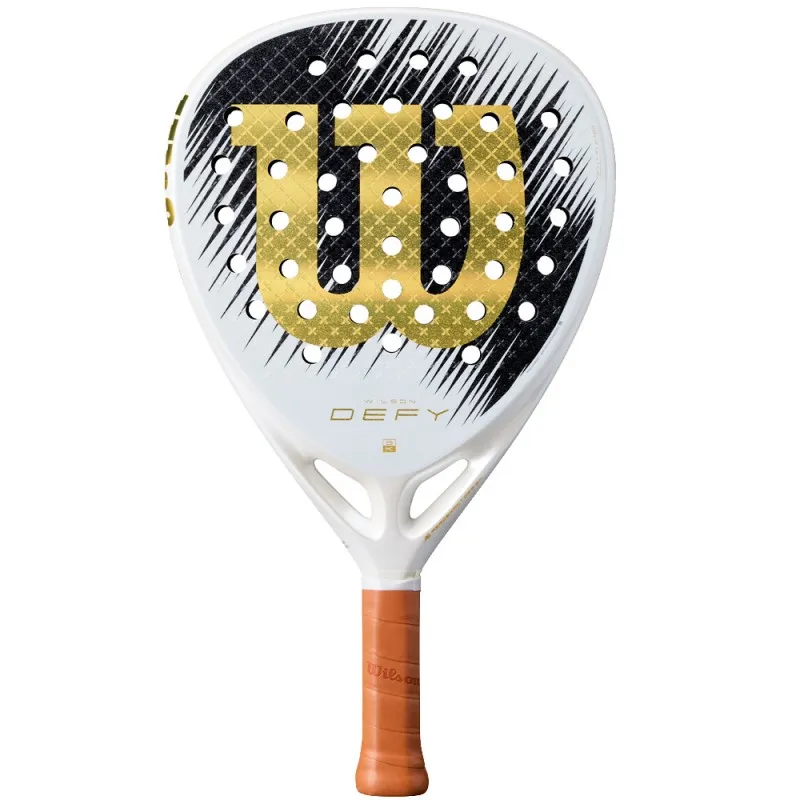
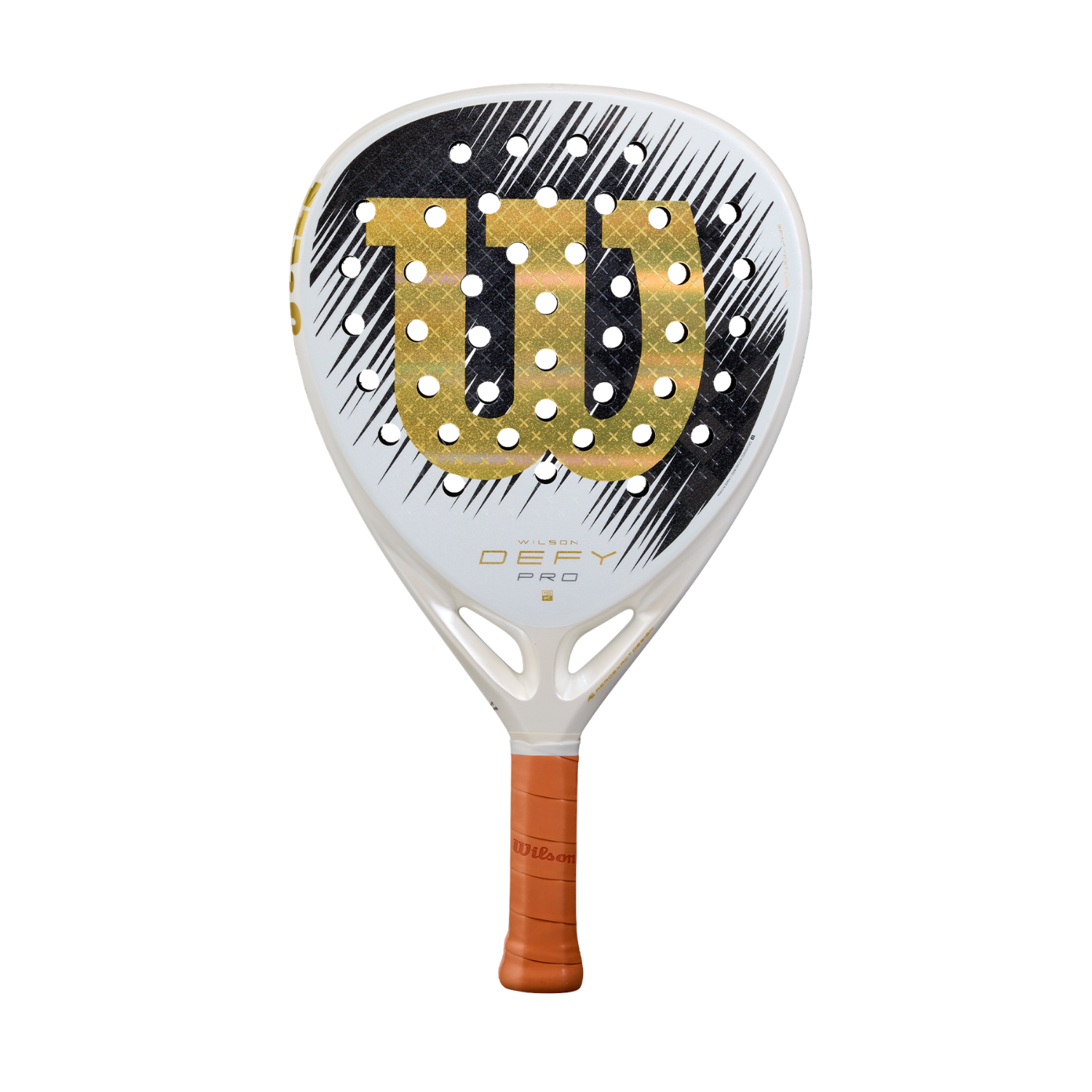
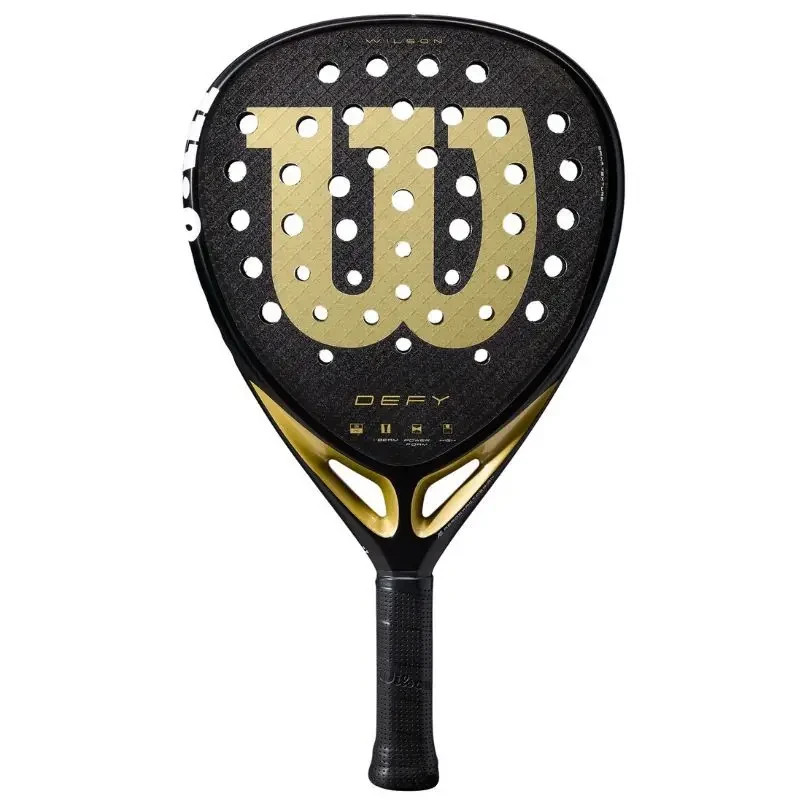
The Defy Pro V1 SE is Wilson's attacking flagship in a limited white and gold edition. The paint is new for 2026; the engine is the Defy mould Wilson spent more than two years building for Javi Garrido, who had no racket this aggressive in the American brand's catalogue before it arrived. Inside it is a 15K carbon face over a Power Foam core, and the first surface Wilson has made by mixing two kinds of roughness, sandy and 3D, on the same face.
One detail explains most of how it plays. Garrido asked for the balance to sit lower than a full diamond normally would. Speaking to the4Set, he said the aim was to bring it down a little so it sat more centred, keeping the inertia of a diamond without losing the control. That is why a frame this heavy still arrives on time in a fast exchange, and it is why nearly every reviewer ends up saying the same thing: it plays softer and quicker than the spec sheet suggests.
What the Reviewers Say
Reviewers agree on the character before they agree on anything else. This is an attacking frame with unusually good manners, grippy on spin, stable under contact, and stingy with free power.
the4Set tested it against the rest of the Defy line and put the trade off plainly: "The Defy Pro doesn't give you much ball output, so it won't help you when your shot is slightly off, but what you get back is control." On lobs the same reviewer struggled to feel where the ball was on the face.
xTRES Padel came to the same place from the other direction: "At first it feels like a difficult racket, but once you get used to it, that dry feel is a delight if you like this type of racket." Their verdict on volleys and overheads was that the racket helps enormously once you commit to the swing.
Stéphane Penso, testing for Padel Magazine, expected worse and did not get it: "It turns out to be surprisingly manoeuvrable and less stiff than expected." He still marked defence down, pointing at the restrained ball release and high balance as the reason you need more shoulder to answer an attack.
PadelVerdict, aggregating across markets, is blunt about who it is not for: "This is a specialist tool, not a versatile one." Padel Addict put the same quality in positive terms after the launch: "On roughness and power it sits right at the top of the market."
Where they part company is the sweet spot. Penso found it high and wide and enjoyed letting go on smashes without fear of missing. the4Set was less convinced and felt pushed towards one specific area of the face. PadelVerdict lands in between, calling it respectable for a diamond rather than generous. Read that spread as a warning that the sweet spot is workable but not forgiving.
How it plays..
This is a very good attacking racket that is honest about its entry price. The Power Foam keeps contact firm rather than harsh and the frame moves better than a 370g head heavy diamond has any right to, but the ball output is low and nothing in the frame rescues a late or off centre swing. A player still building a smash will spend more time managing this racket than playing with it. A player who already makes their own pace gets a complete finishing tool.
Defense
Defence is the weak zone and the sources are unanimous about it. Low ball output plus a high balance means a deep lob needs a longer swing and more shoulder than you are used to. Blocks off the back glass are stable and the frame does not twist, but judging depth is harder, because the 15K face gives back less information on soft contacts than the 3K face on the standard Defy. Players who move across from that model notice the gap on the first lob.
Attack
This is the zone it was built for. The diamond head, the head heavy balance and a handle long enough to grip right at the bottom give you real leverage, and the aerodynamic bridge keeps the frame accelerating instead of dragging. Clean smashes land heavy, and the double texture puts genuine bite on kick smashes and víboras. What it asks in return is commitment. A half swing overhead comes off slow, and the racket will not add the pace you did not supply.
Netplay
Volleys are where the racket surprises people. Soft blocks stay modest, but the carbon and foam combination is very reactive, so a small acceleration turns into a heavy ball. The surface grips hard enough that slice can take more speed off the ball than you intended until you calibrate it. Bandeja and víbora are both strong, with the víbora the better of the two, because the brushing contact is exactly what the texture rewards.
Our Advice for New Players
Not a beginner racket, and not a borderline call. A heavy head heavy diamond with a 15K carbon face and low ball output is tiring to move, tiring on the arm, and gives nothing back when the contact is off centre. Start with a round frame and a soft core instead.
Our Advice for Intermediate Players
Only for strong intermediates with a real smash and no history of arm trouble. Everyone else at this level is better served by the softer members of the same family, which keep the shape and the texture but add a face that helps when contact is not perfect.
Competitive level
This is the target. Advanced attackers who already create their own pace get a stable, spin heavy frame that finishes points and stays quick in fast exchanges. Left side finishers get the most out of it. Right side players who build points rather than end them should note how little help there is on a defensive lob.
How It Compares
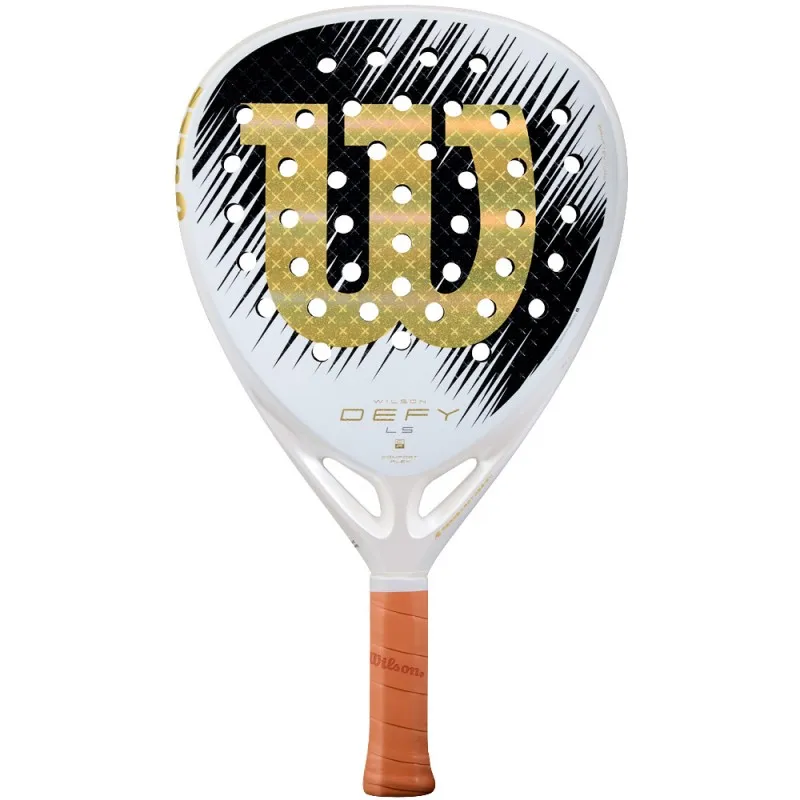
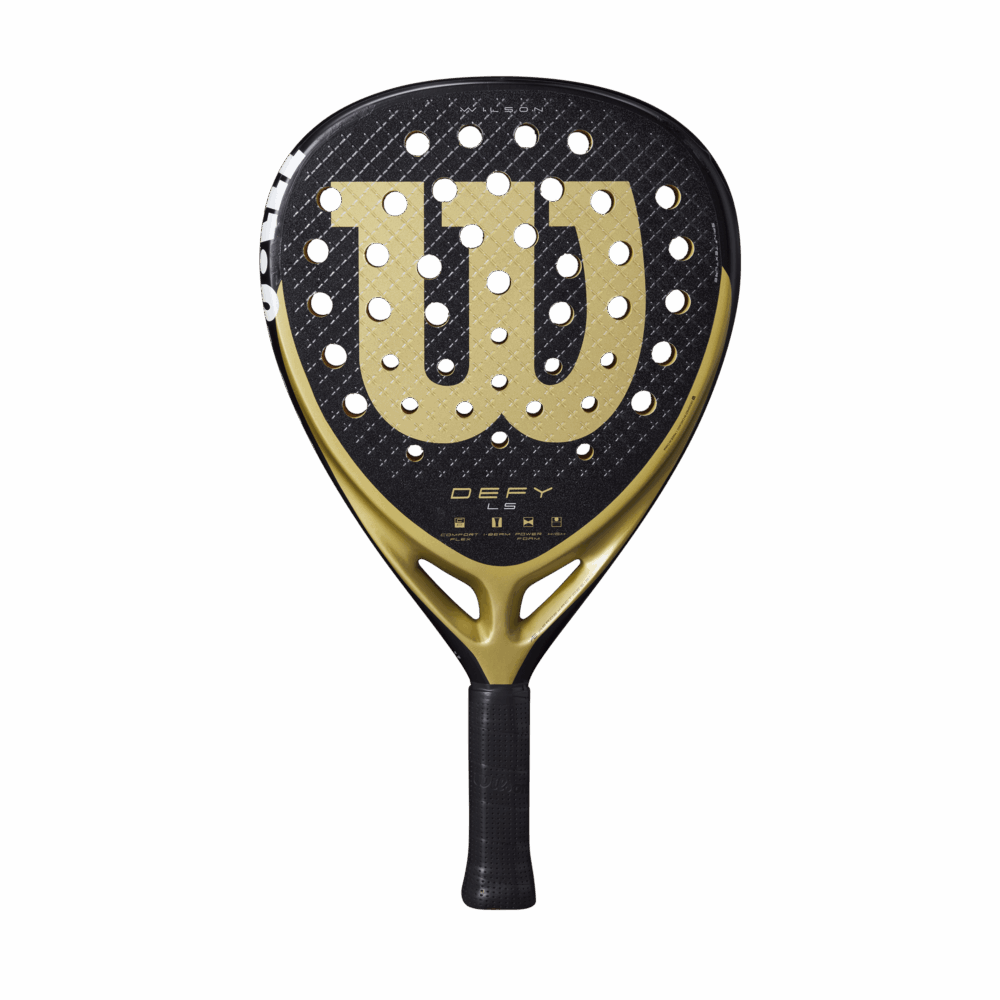
Wilson Defy LS V1 Special Edition 2026 is the same family with the opposite priorities. At 355g with a softer Comfort Flex face it is far kinder to the arm and to off centre hits, and it gives up ball weight in return. Take the LS if you want to play the Defy shape for three sets; take the Pro if you want the finish.
Babolat Viper Juan Lebrón 2026 is the direct rival at this price. It is harder, has a smaller sweet spot and produces more raw ball speed, but it punishes late timing more and moves less freely. The Defy Pro V1 SE is the more steerable of the two.
Research & References
Our mission is to help you choose the right padel racket with clear, in-depth reviews that make it easy to level up your game. We start with official specs, then break down each racket’s key properties. Finally, we bring together trusted video and written reviews—summarised into one consistent, easy-to-read overview.
Drafted by Padelguru from expert video and written reviews of this mould, with Kaj Kloezeman's playing profile as an editorial lens, then reviewed and edited by Kaj Kloezeman. The specs come from Wilson and verified retailer listings. No one at Padelguru has play tested this limited edition.
Put the rackets you are considering side by side and keep the ones you play with in your collection.
Get the Padelguru app
Recommended for
Advanced attacking players, mostly left side, with a complete overhead game and the arm strength to carry a heavy diamond through a full match.
Skill level
Advanced, High Advanced, Professional
Court position
Left, Net
Play style
Power, Offensive
Best at: Offense (9.3/10)
Average: 8.0/10
the4Set: Review Wilson Defy Pro, I tested its true power
xTRES Padel: Review Wilson Defy Pro
Shape
Diamond
Weight
Medium (356–370g)
Balance
Power-Oriented (Head-Heavy)
Touch
Medium Hard
Core
Power Foam
Surface
15K Carbon
Texture
3D Pattern
Year
2026
8 rackets with characteristics, performance and appeal close to the Wilson Defy Pro V1 SE 2026.
8.4Wilson · 2026
Exceptional grip on the ball
Flat smash lacks top-end punch
 7.5
7.5Wilson · 2025
Exceptional spin from double 3D and sandy texture
Unforgiving at pace — off-centre shots stay short
 7.5
7.5Wilson · 2026
Exceptional kick smash with minimal arm effort
Less ball feedback than carbon-face Defy siblings
 8.5
8.5Wilson · 2025
Exceptional power generation from diamond shape and 3K carbon face
Demanding adaptation period due to hard touch and roughness
 7.6
7.6Wilson · 2025
Swings far faster than a diamond should
Limited help on defensive resets
 8
8Wilson · 2025
Large, forgiving sweet spot
Ball sticks and drops short at low pace
 9
9Wilson · 2023
Exceptional power delivery with diamond shape and high balance
Requires advanced technique for optimal control
 8
8Wilson · 2026
Exceptional blocking and reset composure
Smash demands clean centre-strike technique
Want to explore more options?
Browse all rackets