
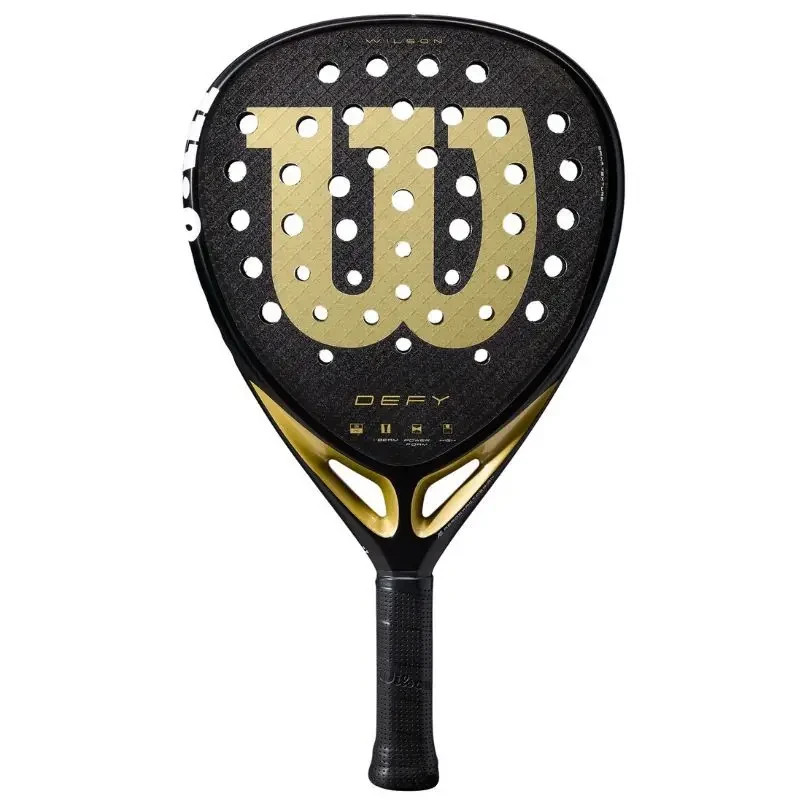
 8.5
8.5Wilson Defy V1 2025
Wilson · 2025
Exceptional power generation from diamond shape and 3K carbon face
Demanding adaptation period due to hard touch and roughness
Mid RangeAdvanced
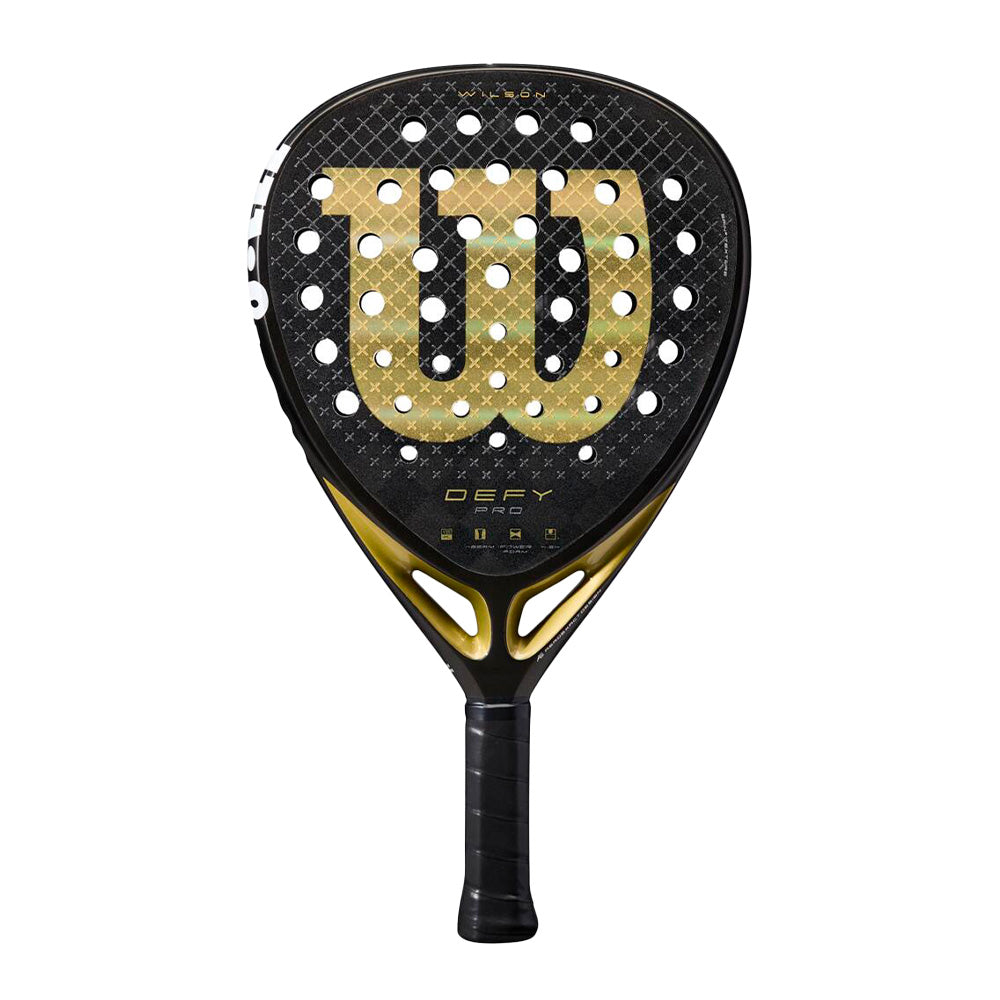 7.5
7.5The Defy Pro V1 is a committed attacker's racket: stiff 15K carbon face, head-heavy balance and a rough double texture that bites the ball hard. It rewards a full, weighted swing at the net and in the air, but demands technical precision — off-tempo shots stay slow and lobs require adjustment. Advanced players who want to close points decisively will find it compelling; those needing comfort in defense or high ball output for every shot should look elsewhere.

Left-handed right-side player with an attacking, finishing game
Always overperforms in the warm-up, always underperforms in the match. Such is life.
Wilson entered the diamond-shape power category in 2025 with a completely new mould: the Defy range. The Defy Pro V1 is the flagship, designed around Javi Garrido, one of the hardest hitters on the Premier Padel circuit. It is the brand's most pronounced diamond shape to date, a clear departure from the teardrop Blade line Garrido had used previously.
The frame is built on C2 tubular carbon construction with a 15K carbon face and a Power Foam core. At 370g with a 265mm balance point, it sits at the heavier end of the attack category. The Aeroexact geometry is meant to keep swing speed up despite the weight, and in practice the racket moves noticeably better than the balance number implies. The Duo Grid hole pattern places larger holes near the top for overhead power and smaller holes lower down for spin and control on volleys. On top of all that sits a dual-texture surface, combining 3D raised patterns with a sandy rough, making it among the grippiest surfaces released in 2025.
What the Reviewers Say
the4Set tested all three Defy models back to back and found the Pro to be the most reactive: "If you accelerate your arm even a little, the energy transfer is total." He praised the rough texture — "one of the roughest surfaces I've ever felt on a racket" — though noted it can over-spin slice volleys until you adapt. He also flagged that lob feel is less distinct than on other rackets, making calibration harder at first.
Zona de Pádel described the Pro as "a table" in terms of stiffness, and found it rewarding overhead but demanding at pace: "Those who like a very hard touch are going to enjoy it a lot, because the control it gives you is incredible — and it releases power from above." Their testers found fast-tempo defence harder than with the standard Defy.
Mejora Tu Padel tested all three in Barcelona and concluded that the Pro offers the most balance toward the tip and the most power overhead, but is the most demanding of the three: "If I can hold it I'd go with the Defy Pro for its extra power. If it gets away from me, I'd drop to the standard Defy." They rated price-to-value as five or six out of ten, given the premium price point.
Probando Palas (reviewing the standard Defy V1 with 3K carbon rather than 15K) highlighted the double roughness as the best they had tried in 2025: "It scratches the ball a lot and helps the ball lift a little less after hitting the glass." The Pro's 15K face makes it stiffer and even drier, with slightly less ball output but more control at the same swing speed.
How it plays..
The Defy Pro V1 is a racket that earns its result. The stiff 15K face and head-heavy setup translate a committed forehand volley into a genuinely aggressive, spin-loaded ball — when you hit it well, the ball stays low and bites. The rough surface is a standout detail, adding spin variance that most attack rackets at this price cannot match. That said, right-side attackers who rely on fast, reflex-driven blocks will find the timing margin tighter here than on softer alternatives. The manoeuvrability is better than the specs suggest, but this is still a racket that asks you to be ready before the ball arrives.
Defense
The Defy Pro V1 is not a defensive racket, and it does not pretend to be. Resets are workable — the stiffness means balls do not fly long on fast incoming shots — but lobs require careful calibration. Several reviewers noted that the muted touch at impact makes it hard to feel exactly when the ball leaves the face, which matters most on defensive lobs and counter-resets. Stable under pressure on block volleys, less comfortable when scrambling at pace.
Attack
This is where the Defy Pro V1 delivers. The 15K carbon face, Power Foam core and head-heavy balance combine to produce sharp, penetrating shots when you swing through. Smashes feel effortless at full extension — the weight falls with the swing rather than fighting it. Víboras are particularly suited to this racket: the double rough grabs the ball, the head weight accelerates through impact, and the result is a deep, spinning ball that sits low after the glass. The flat smash rewards commitment but punishes a half-swing, so players who want to dictate from above need to be ready to go at full pace.
Netplay
At the net, the Defy Pro V1 performs well in transition volleys where you can load up. Forehand volleys at pace are a clear strength: the stiff face transfers energy cleanly and the rough surface adds bite even on punched volleys. Slice volleys require a small adaptation period — the heavy texture can add more spin than intended until you calibrate the wrist angle. Bandejas come through cleanly; víboras loaded at high pace are among the racket's best shots. The main limitation at net is reactive blocking: the heavier balance makes it harder to redirect sharp balls quickly, and off-tempo touch volleys do not produce much depth.
Our Advice for New Players
Not suitable for beginners. The stiff face, muted feedback and head-heavy balance all work against players still developing timing and swing mechanics. A match with the Defy Pro V1 will reveal technical gaps rather than hide them.
Our Advice for Intermediate Players
Intermediate players with a naturally aggressive game and consistent overhead mechanics could trial it, but most will find the limited ball output in defence and the muted lob feel frustrating before the offensive rewards kick in. The standard Defy V1 (3K carbon, 365g) is a better fit at this level: similar shape and roughness, slightly softer feel and more output.
Competitive level
The Defy Pro V1 is built for advanced to professional players, particularly right- or left-side attackers with a full overhead game. If your points are built around dominant víboras, heavy smashes and sharp forehand volleys, this racket delivers. Players who need versatility in defence or rely on high ball output for every shot will find softer alternatives more rewarding. Commit to the swing and it gives back; take shortcuts and it exposes them.
How It Compares
The most direct comparison is the Wilson Blade Pro V3 2025 — Garrido's previous racket. The Blade is head-heavier (+0.5cm balance) and slightly harder, which gives more raw output but at the cost of manoeuvrability. The Defy Pro V1 moves better and is easier to accelerate from above; the Blade has more ball output on defensive shots. Players who found the Blade sluggish but loved its power will likely prefer the Defy Pro V1.
Against the Adidas Metalbone 3.5 2026, the Defy Pro V1 is lighter and moves more freely, but the Metalbone's construction gives a more progressive feel on smashes and stronger defensive output. Right-side attacking players who want the extra spin and a grippier surface should lean toward the Wilson; those who want a more forgiving platform with similar aggression should consider the Metalbone.
Research & References
Our mission is to help you choose the right padel racket with clear, in-depth reviews that make it easy to level up your game. We start with official specs, then break down each racket’s key properties. Finally, we bring together trusted video and written reviews—summarised into one consistent, easy-to-read overview.
Drafted by Padelguru from expert video reviews with Christoph Herrmann's playing profile as an editorial lens, then reviewed and edited by Christoph.
Put the rackets you are considering side by side and keep the ones you play with in your collection.
Get the Padelguru app
Recommended for
Advanced right-side and left-side attacking players with a complete overhead game who can commit to a firm, deliberate swing on every shot.
Skill level
Advanced, High Advanced, Professional
Court position
Left
Play style
Power, Offensive
Best at: Offense (9.0/10)
Average: 7.4/10
REVIEW WILSON DEFY PRO (I TESTED ITS TRUE POWER!) - the4Set
Review Wilson Defy 2025 - Javi Garrido's padel rackets - Zona de Padel
Wilson seeks to dominate the attack padel market: Wilson Defy Pro by Javi Garrido - Mejora Tu Padel
Wilson Defy V1 by Javi Garrido: The most complete power racket in depth - Probando Palas
Shape
Diamond
Weight
Heavy (371–385g)
Balance
Power-Oriented (Head-Heavy)
Touch
Hard
Core
Power Foam
Surface
15K Carbon
Texture
Rough
Year
2025
8 rackets with characteristics, performance and appeal close to the Wilson Defy Pro V1 2025.
8.5Wilson · 2025
Exceptional power generation from diamond shape and 3K carbon face
Demanding adaptation period due to hard touch and roughness
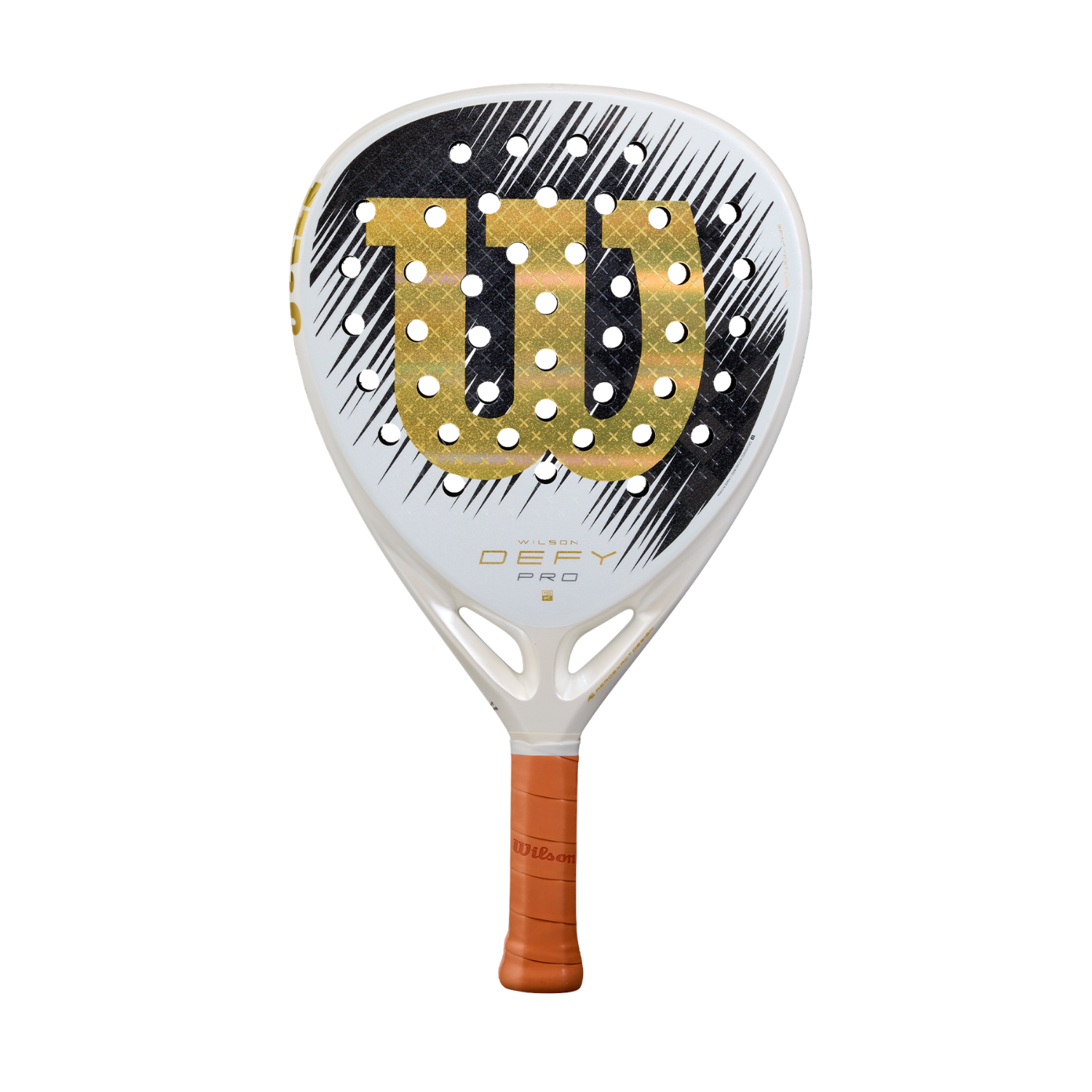 8.3
8.3Wilson · 2026
Heavy, decisive smashes on clean contact
Low ball output on off tempo shots
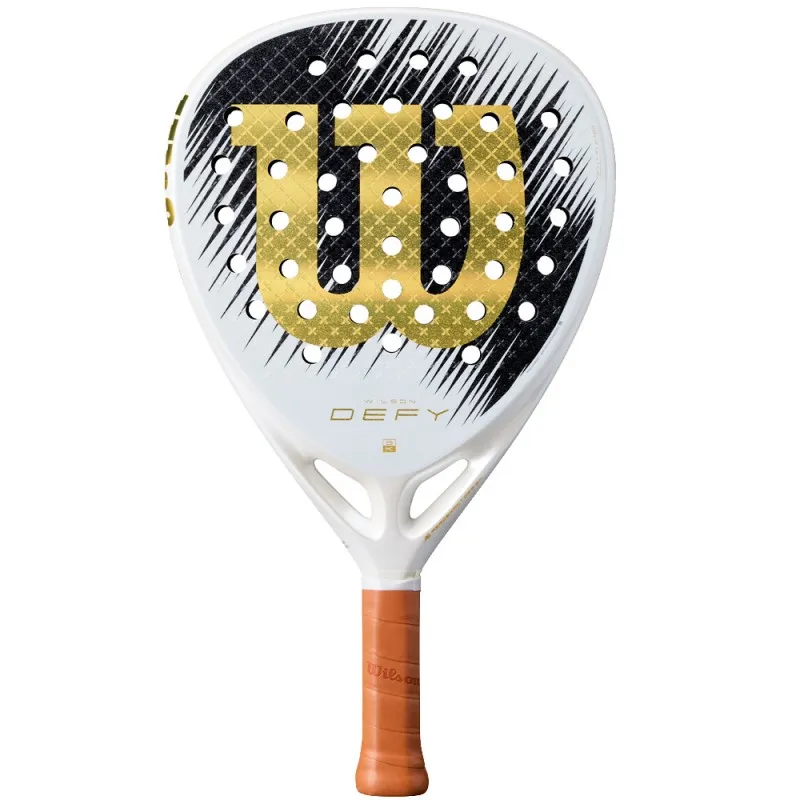 8.4
8.4Wilson · 2026
Exceptional grip on the ball
Flat smash lacks top-end punch
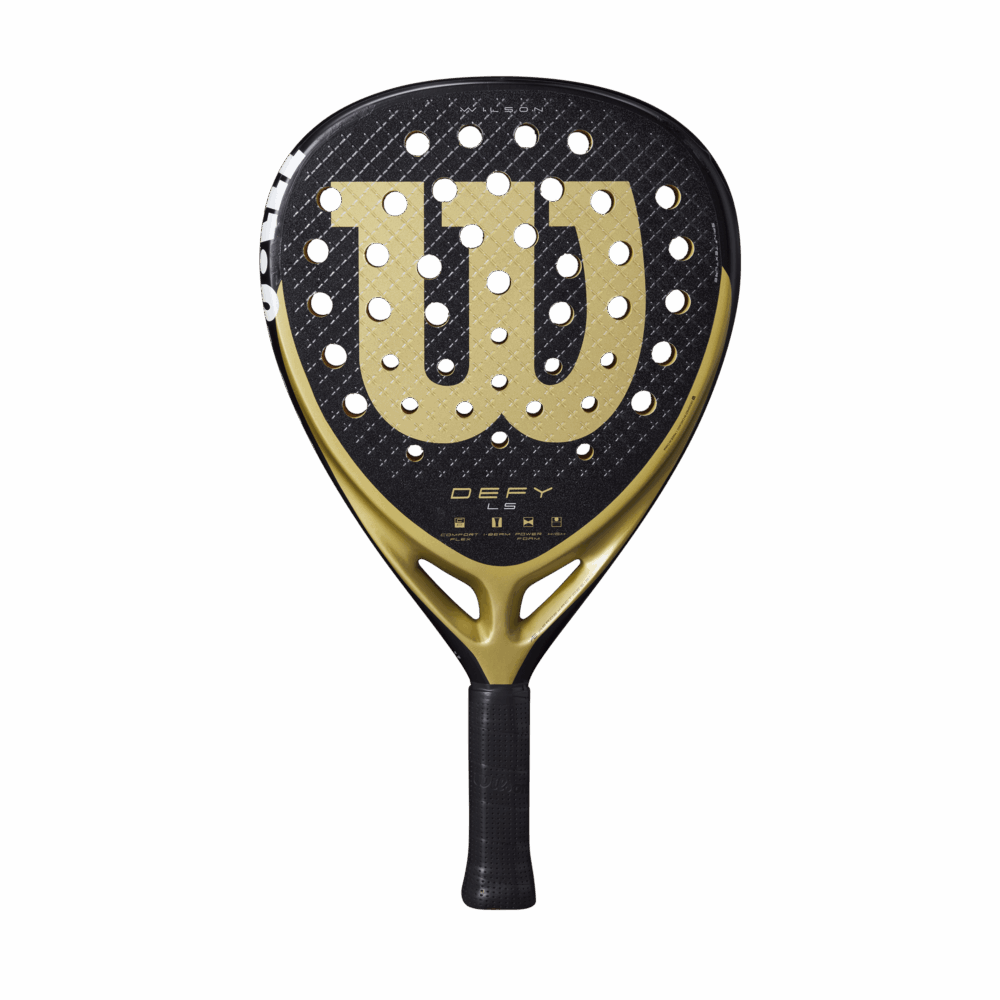 7.6
7.6Wilson · 2025
Swings far faster than a diamond should
Limited help on defensive resets
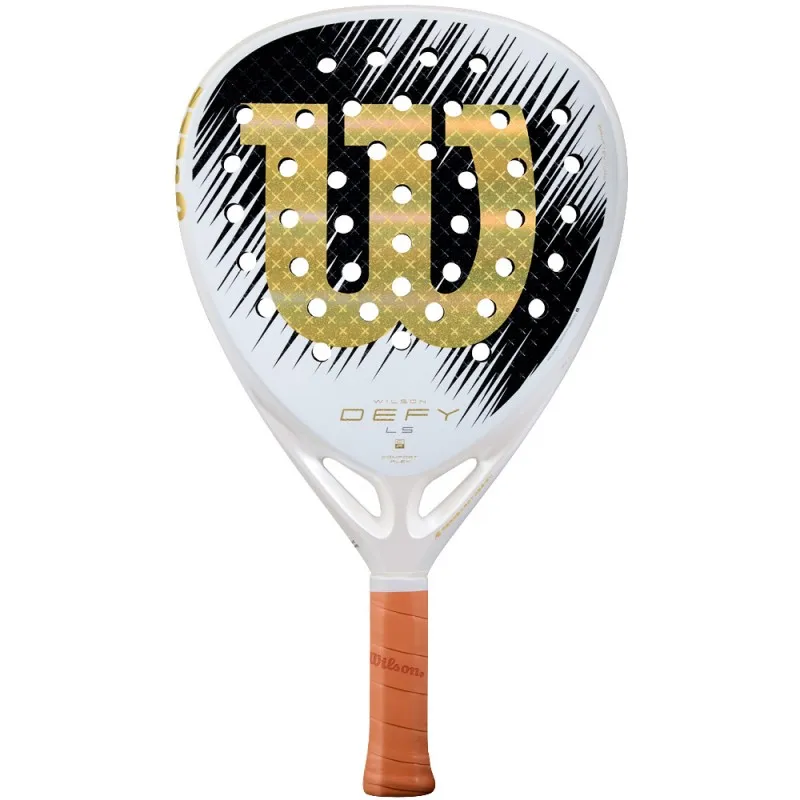 7.5
7.5Wilson · 2026
Exceptional kick smash with minimal arm effort
Less ball feedback than carbon-face Defy siblings
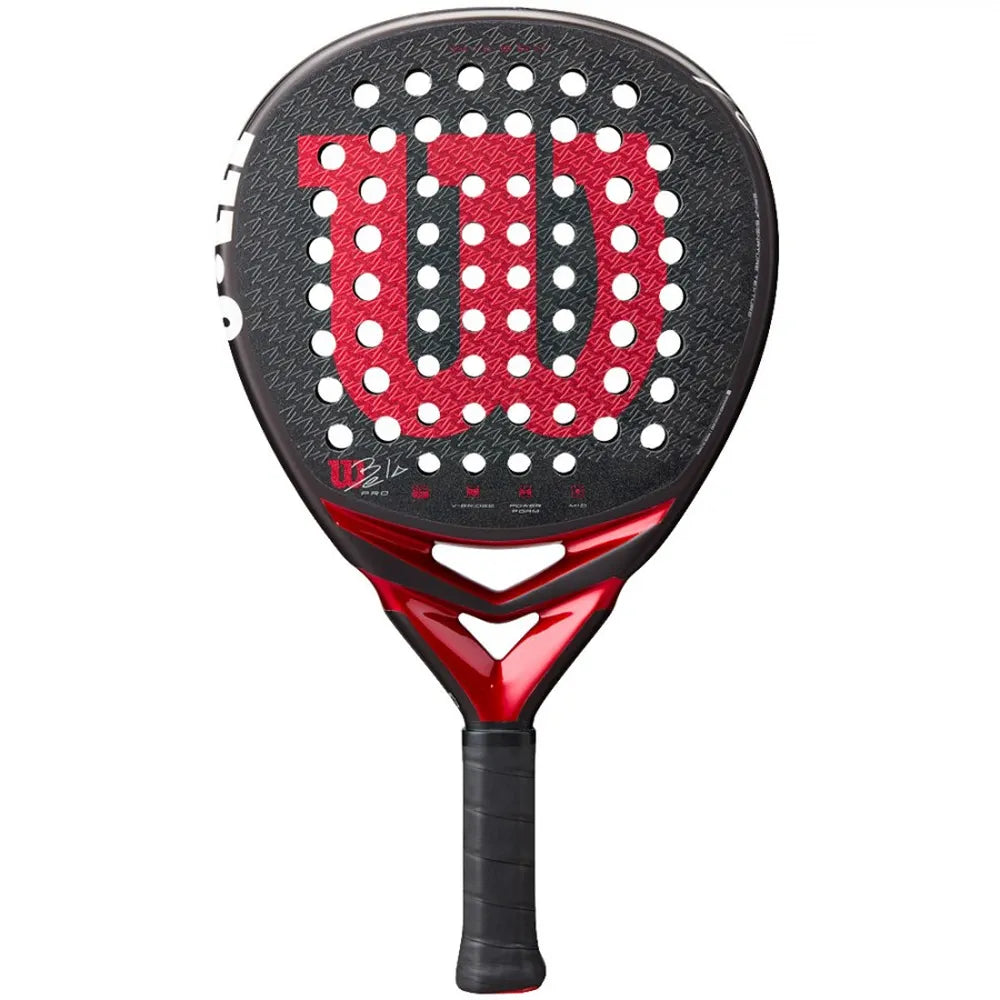 8
8Wilson · 2025
Large, forgiving sweet spot
Ball sticks and drops short at low pace
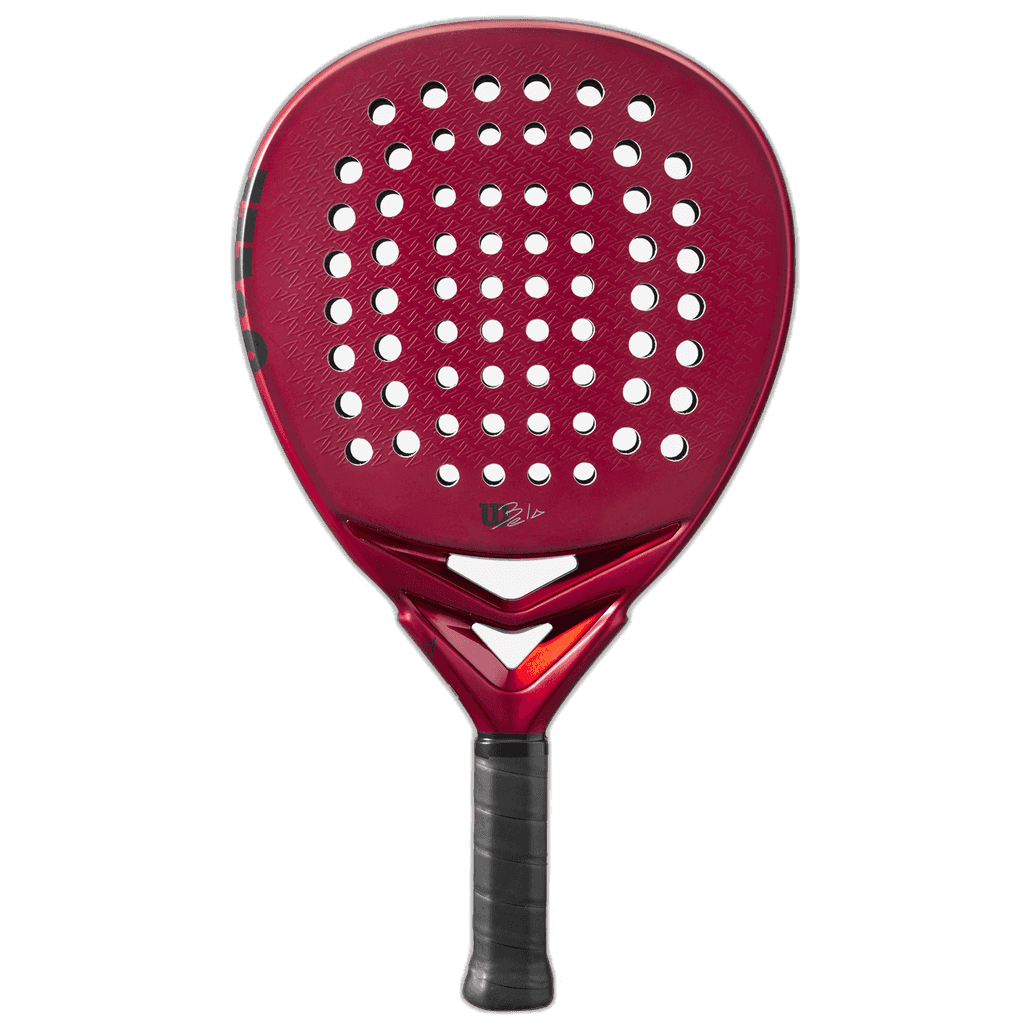 9
9Wilson · 2023
Exceptional power delivery with diamond shape and high balance
Requires advanced technique for optimal control
 8
8Wilson · 2026
Exceptional blocking and reset composure
Smash demands clean centre-strike technique
Want to explore more options?
Browse all rackets