
 7.8
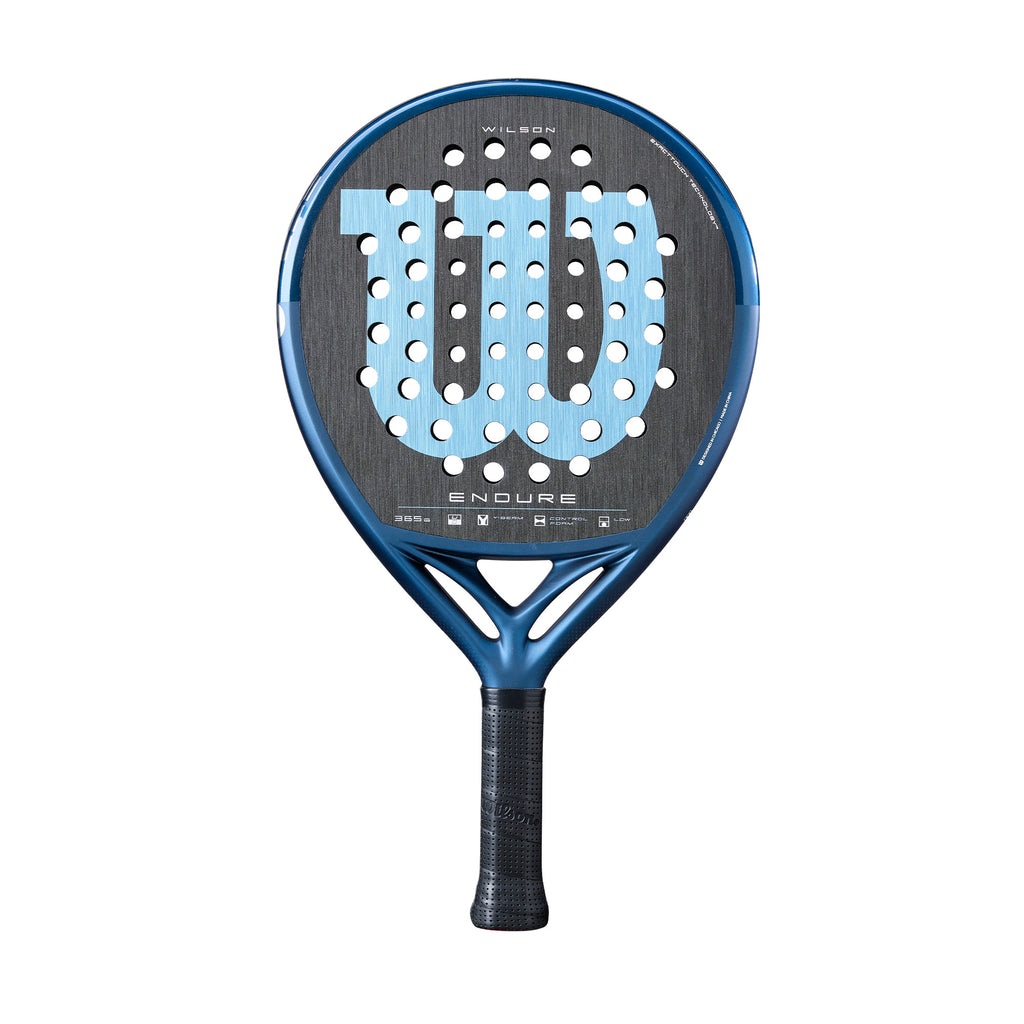
7.8Wilson Endure V1
Wilson · 2026
Large, forgiving sweet spot
Modest smash power
PremiumIntermediate
 8
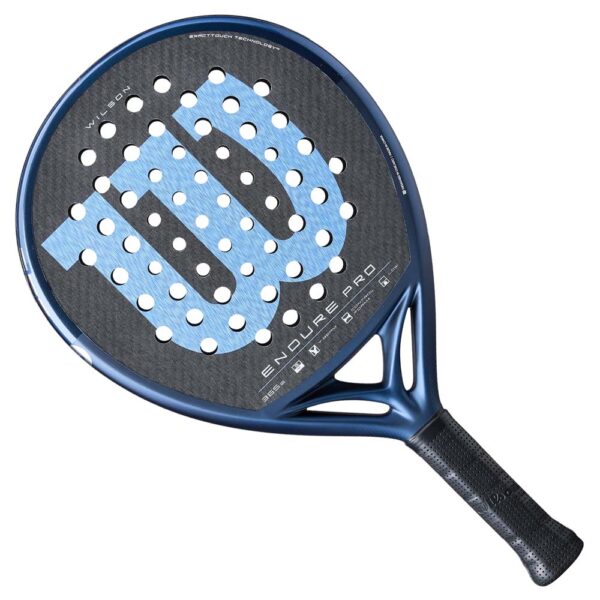
8The Endure Pro V1 is a technically precise control frame built for advanced players who construct points through placement, clean volleys, and spin. It rewards consistent technique and accurate centre hits, but will not generate pace for you. Right-side builders who rely on reading the game will feel right at home; players who need easy power from the back will find it demanding.

Tactical right-side player who builds points and reads the game
Tactical right side player who is not afraid of using every trick in the book to "disturb the rhytm" of the opponent.
Wilson has never been a brand short of engineering credibility, but round-shape padel has not been their territory — until now. The Endure Pro V1 is Wilson's first premium round frame, co-designed with Momo González, and it arrives in 2026 as a deliberate statement: control does not mean soft, and round does not mean gentle.
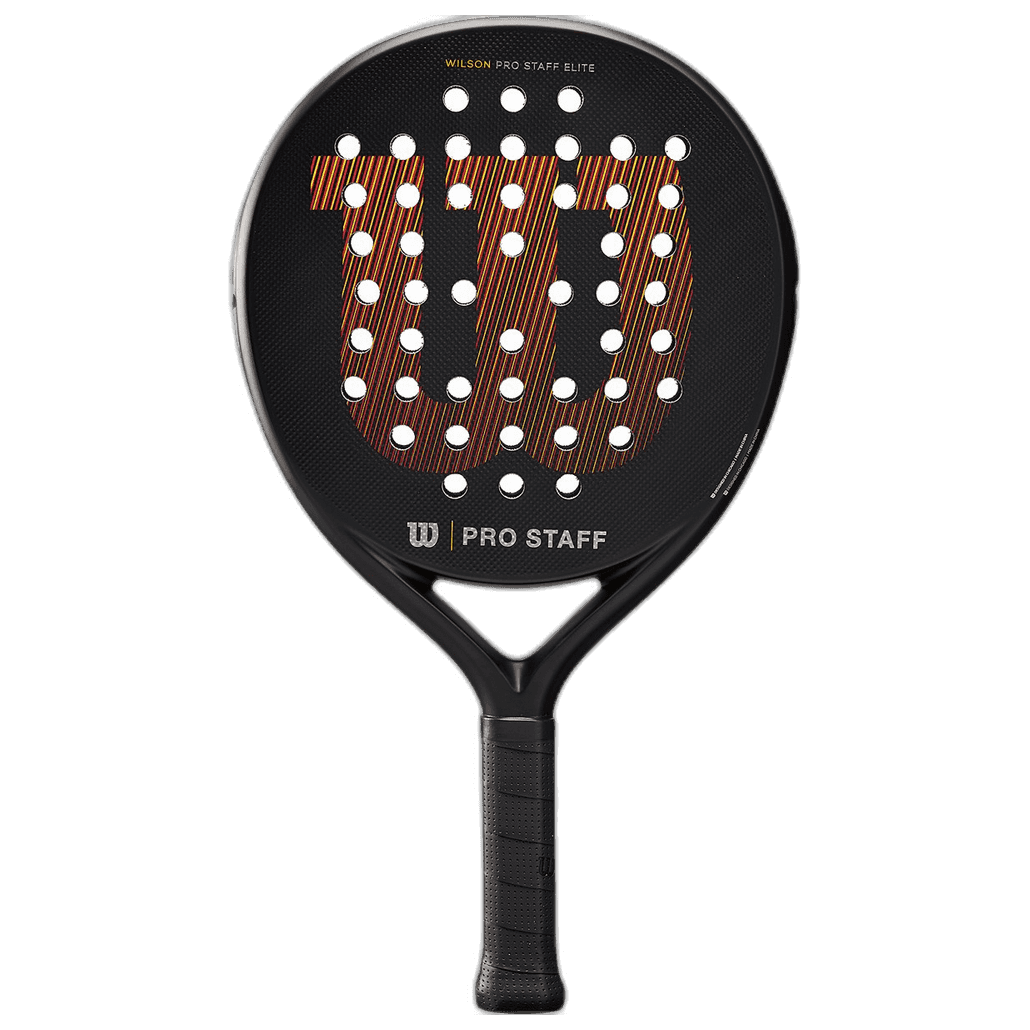
The frame sits around 365g with a medium-high balance point at 260mm, giving it a slightly head-light feel that makes it quick through defensive transitions without being tail-heavy. The 38mm beam keeps the profile orthodox. What sets it apart from other control rackets in this price range is the ExactTouch surface, a rough 3K carbon face with micro-stippling that generates genuine ball bite without the aggressive texture wearing away quickly. Inside, Wilson's Control Foam+ is a dual-density EVA construction that keeps the feel direct and dry — not springy, not cushioned, just honest. The Double Y-Beam throat and 14cm extended grip round out a design that clearly targets players who use both hands on backhand defenses and need the extra reach.
This is Wilson's first model bearing the Endure name, and the line sits alongside the Defy (power, diamond) and Bela (all-round, teardrop). The Endure Pro V1 is the flagship of the control tier.
What the Reviewers Say
The review consensus is tight: this is a technically demanding control racket that punishes lazy contact but rewards committed, well-placed hitting.
PADELREVIEW ENG played it on court and were clear about the conditions: "The racket doesn't do the work for you. You need proper movement and technique to make the ball travel deep — but where it really shines is on víboras and kick smashes to the fence, where there is plenty of grip and you can really shape the ball."
Dani 13 spent an extended session across all zones. His assessment of the dry feel was nuanced: the racket becomes more reactive as you apply force, making it more helpful in fast rhythms than slow, controlled ones. "When I hit with the central zone, the ball runs much faster — you get the benefit the rubber has to offer. But when you touch the upper part of the frame it's drier, which is something you need to get used to."
Padel Test by Roberto Cardi called it outright "the most powerful round racket I have ever tested," awarding top marks for lobs, volleys, and blocking. He noted the wide sweet spot extends from the first row of holes down and forms a large oval shape — generous for a round racket, though you feel the edges when you miss it.
Hotel Palas ran a direct comparison of the full Endure line and found the Pro to be the most demanding of the three. The dry, direct response is its defining trait: "The ball spends very little time in contact with the face — it's a very direct sensation. It demands that you push forward with your swing." Their clearest reservation: overhead play. Without much head weight, the smash requires a very clean centre strike to get real depth. "If you hit the upper frame it just dies on you."
PadelRacketReviews.com highlighted the blocking quality specifically: "Block volleys feel planted and controlled, with the dual-density Control Foam+ absorbing the pace from hard-hit drives without deadening touch on redirected angles — that is a difficult balance to engineer and Wilson have nailed it here."
How it plays..
This is exactly the kind of racket a right-side point builder appreciates. The dry, readable response means the ball goes where you put it — there are no surprises when you redirect a fast drive from the back glass. Blocking is a genuine strength, and the rough ExactTouch surface adds bite to bandejas and víboras without requiring extra wrist work. The trade-off is clear: players who rely on passive lobs or less-than-perfect overhead contact will find the Pro unforgiving. The smash demands commitment and a clean central strike. For players who already hit with intention and read the game well, that is not a problem — it is just the deal.
Defense
In defense the Endure Pro V1 handles pressure with composure. The medium-high balance stops the head from dragging on late swings, and the Control Foam+ dampens hard-driven balls without killing the arm. Lobs from deep are accurate when you commit to the stroke, but in slower, more passive rhythms the racket asks for more swing than you might expect — several reviewers noted that chasing the lob in a slow rhythm led to balls landing short. Blocking at the net is one of the clearest strengths: fast incoming shots are absorbed cleanly and the response stays predictable, which matters when you need to redirect an attacking ball at close range.
Attack
From an offensive position the picture is more conditional. The smash produces good depth when you strike with the central zone, and the rough surface gives the ball spin and bite on aggressive finishes. But the low head weight means you have to generate the pace yourself — the frame will not carry the ball for you on a loose overhead. Hotel Palas and Dani 13 both flagged this as the racket's most demanding zone, particularly for players accustomed to head-heavy profiles that do some of the work on arm extension. When the technique is there, the result is a controlled, spinning finish rather than a flat, pace-heavy one. Víboras reward committed wrist rotation, and the ExactTouch surface translates that into genuine RPM on the ball.
Netplay
At the net the Endure Pro V1 is at its best. Volleys feel planted, and the sweet spot sits centrally on the face — wide enough for confident reactive blocks but specific enough that you can feel the difference when you miss the middle. The extended handle provides extra stability on two-handed backhand volleys and defensive reactions, which several reviewers flagged as a tangible upgrade over shorter-handled alternatives. Bandeja and víbora feel clean and spinny when you swing through the central zone. The ExactTouch surface creates real ball grip without the texture being so aggressive that it loses bite quickly. The one caveat: the rough surface provides slightly less raw bite than a sandpaper-class frame such as the Siux ST4 Pro, though Wilson's version appears to last longer before wearing smooth.
Our Advice for New Players
Not the right choice for beginners. The medium-hard feel, demanding sweet spot, and low ball output in passive exchanges will frustrate players still building their mechanics. A softer round racket with more dwell time is a better starting point.
Our Advice for Intermediate Players
Accessible for high-intermediate players who hit with clean mechanics and have already moved past beginner frames. The maneuverability is good, and the control at the net is rewarding. However, intermediate players who rely on the racket to generate pace from the baseline will notice the limitation. The standard Endure V1, with its unidirectional carbon face and slightly more reactive feel, is the better fit for players at this level.
Competitive level
Advanced and competitive players are the clear target. The Pro V1 suits those who play a tactically intelligent game: point construction through placement, aggressive net play, and reading the opponent's rhythm. Left-side players can use it effectively — Momo González plays left — but the racket's dry response and blocking composure make it particularly natural for right-side players who want to control pace, redirect drives, and add spin to overheads rather than overpower opponents.
How It Compares
The closest comparison within Wilson's own range is the Defy V1 — also aimed at advanced players, but diamond-shaped and power-oriented. The Defy is the option if pace and smash depth from the baseline matter most; the Endure Pro V1 is the choice when touch, spin, and net composure take priority.
Outside Wilson, the Nox AT10 12K 2026 (teardrop, also head-light, control-oriented) targets a similar player profile at a similar price. The AT10 offers a slightly larger sweet spot and more help on off-centre hits; the Endure Pro V1 returns more spin and has sharper blocking feedback for players who want to feel exactly where the ball is on the face.
Research & References
Our mission is to help you choose the right padel racket with clear, in-depth reviews that make it easy to level up your game. We start with official specs, then break down each racket’s key properties. Finally, we bring together trusted video and written reviews—summarised into one consistent, easy-to-read overview.
Drafted by Padelguru from expert video reviews and written sources with Lars Kloezeman's playing profile as an editorial lens, then reviewed and edited by Lars.
Put the rackets you are considering side by side and keep the ones you play with in your collection.
Get the Padelguru app
Recommended for
Advanced to high-intermediate players who play a tactically disciplined game, favour the right side, and value spin, touch, and blocking composure over raw ball output.
Skill level
Advanced, High Advanced, Professional
Court position
Right
Play style
Control, Tactical
Best at: Control (9.0/10)
Average: 8.0/10
Wilson Endure Pro: Review In English | The new Wilson racket for Momo Gonzalez
WILSON ENDURE PRO // Review and impressions - Dani13
Wilson Endure Pro V1 Review. The Most Powerful Round. Padel Test by Roberto Cardi
Wilson Endure vs Endure Pro vs Endure LS | Review y Comparativa
Shape
Round
Weight
Medium (356–370g)
Balance
Maneuverable (Head-Light)
Touch
Medium Hard
Core
Control Foam+ (Dual Density Eva)
Surface
Raw 3K Carbon With Exacttouch Micro Stippling
Texture
Rough
Year
2026
8 rackets with characteristics, performance and appeal close to the Wilson Endure Pro V1.
7.8Wilson · 2026
Large, forgiving sweet spot
Modest smash power
 7.5
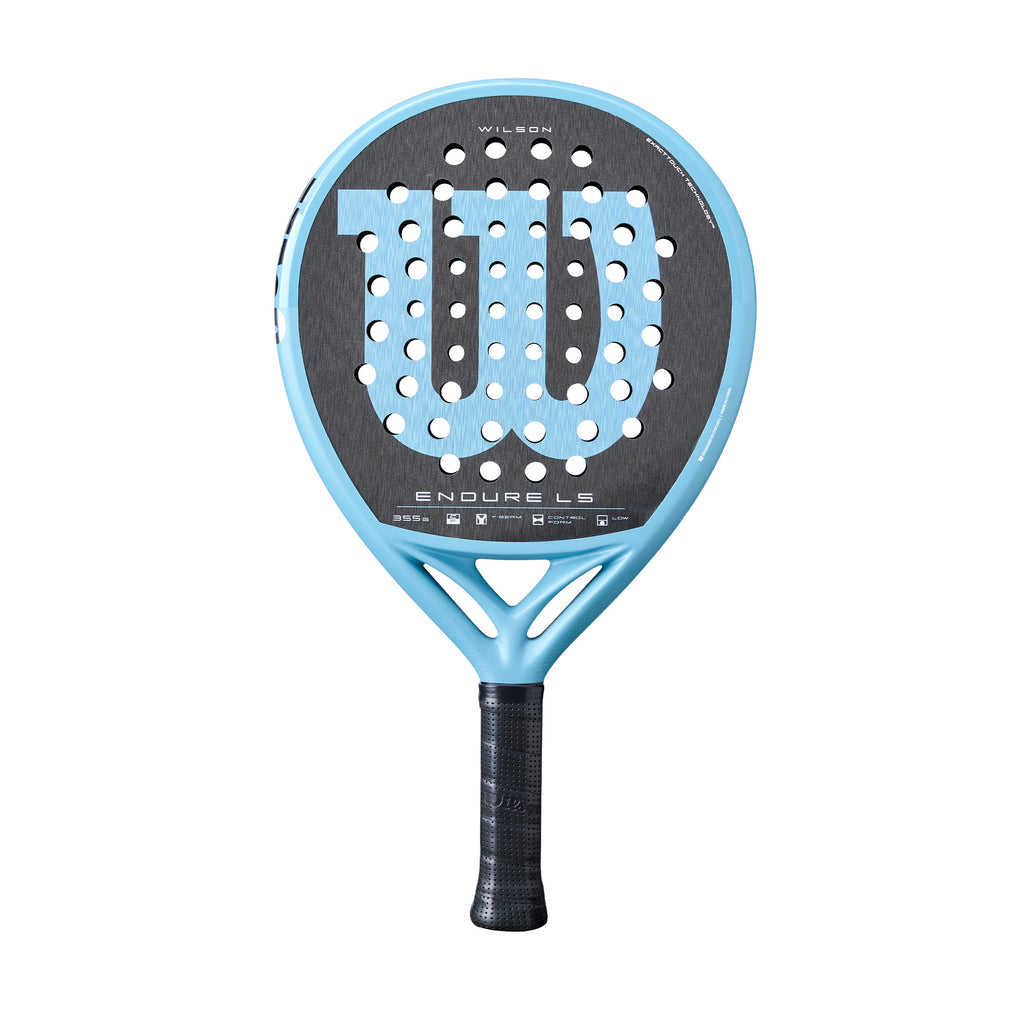
7.5Wilson · 2026
Exceptional maneuverability at 355g
Limited power output compared to sibling Endure V1
 7.5
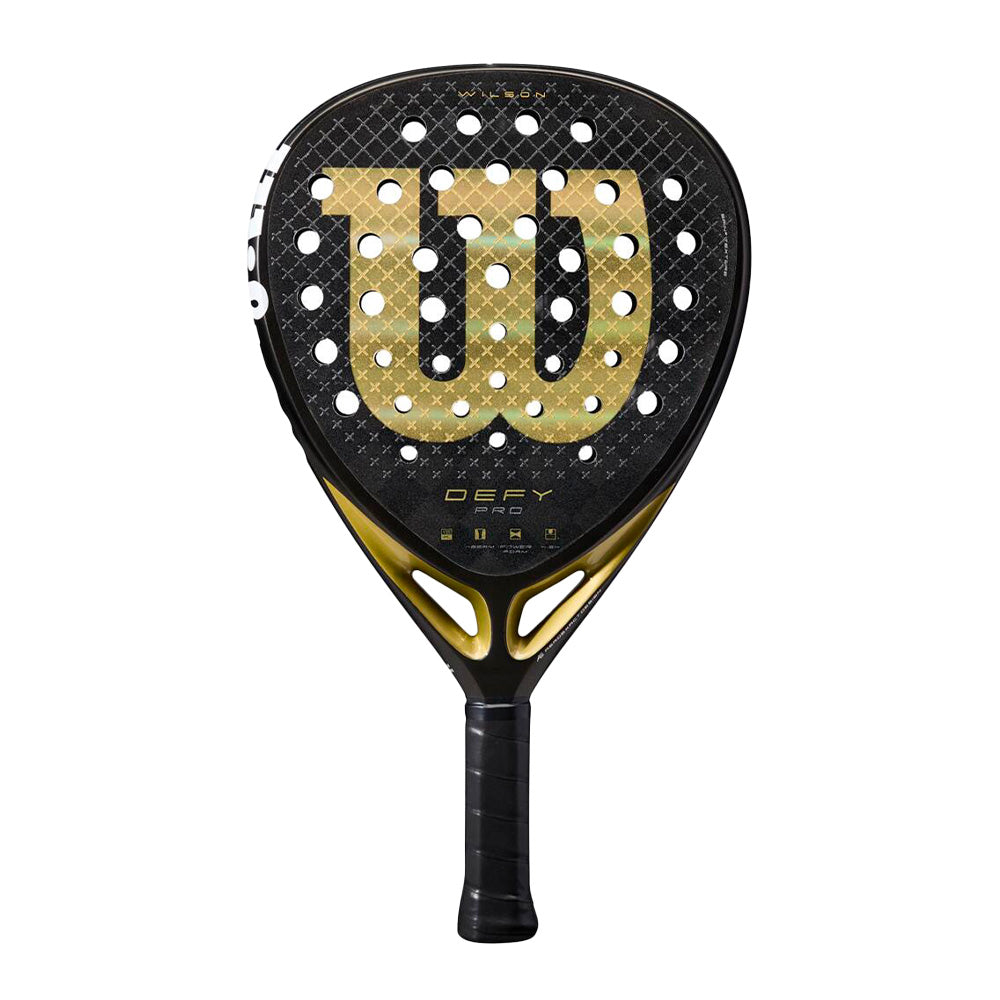
7.5Wilson · 2025
Exceptional spin from double 3D and sandy texture
Unforgiving at pace — off-centre shots stay short
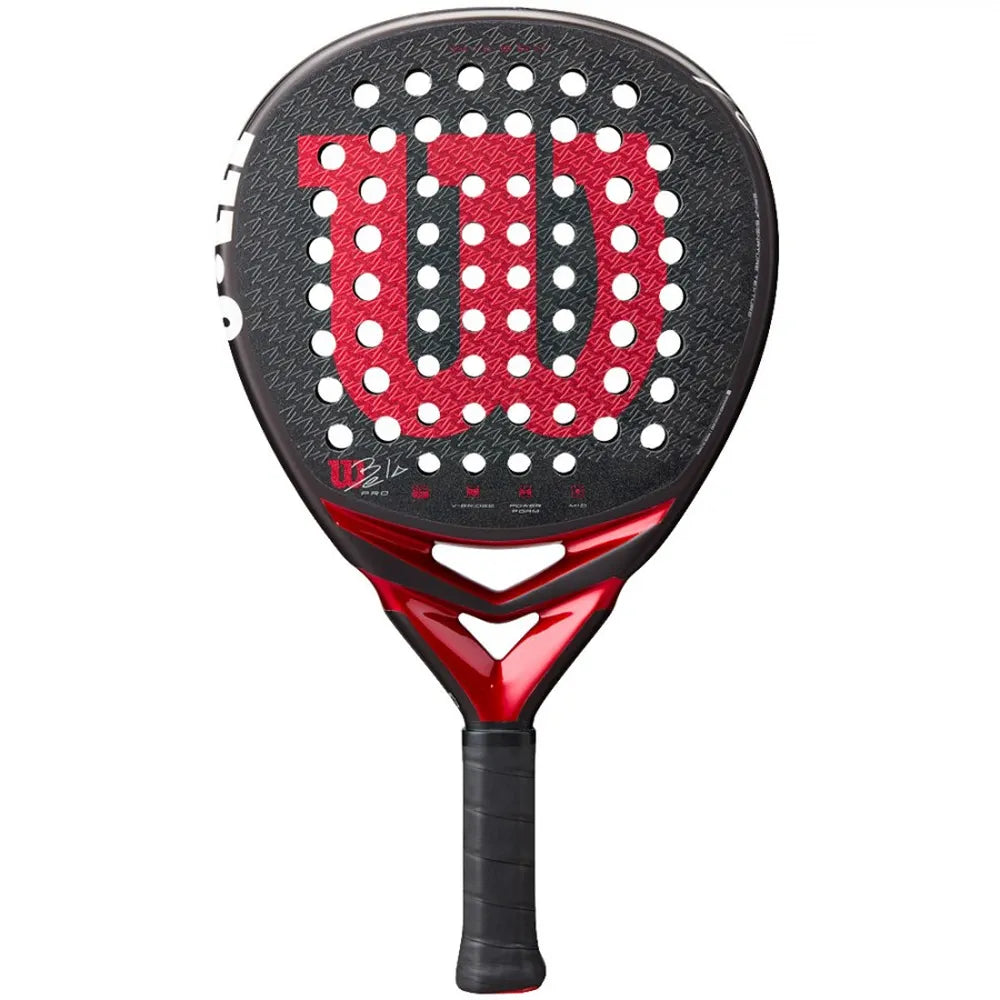 8
8Wilson · 2025
Large, forgiving sweet spot
Ball sticks and drops short at low pace
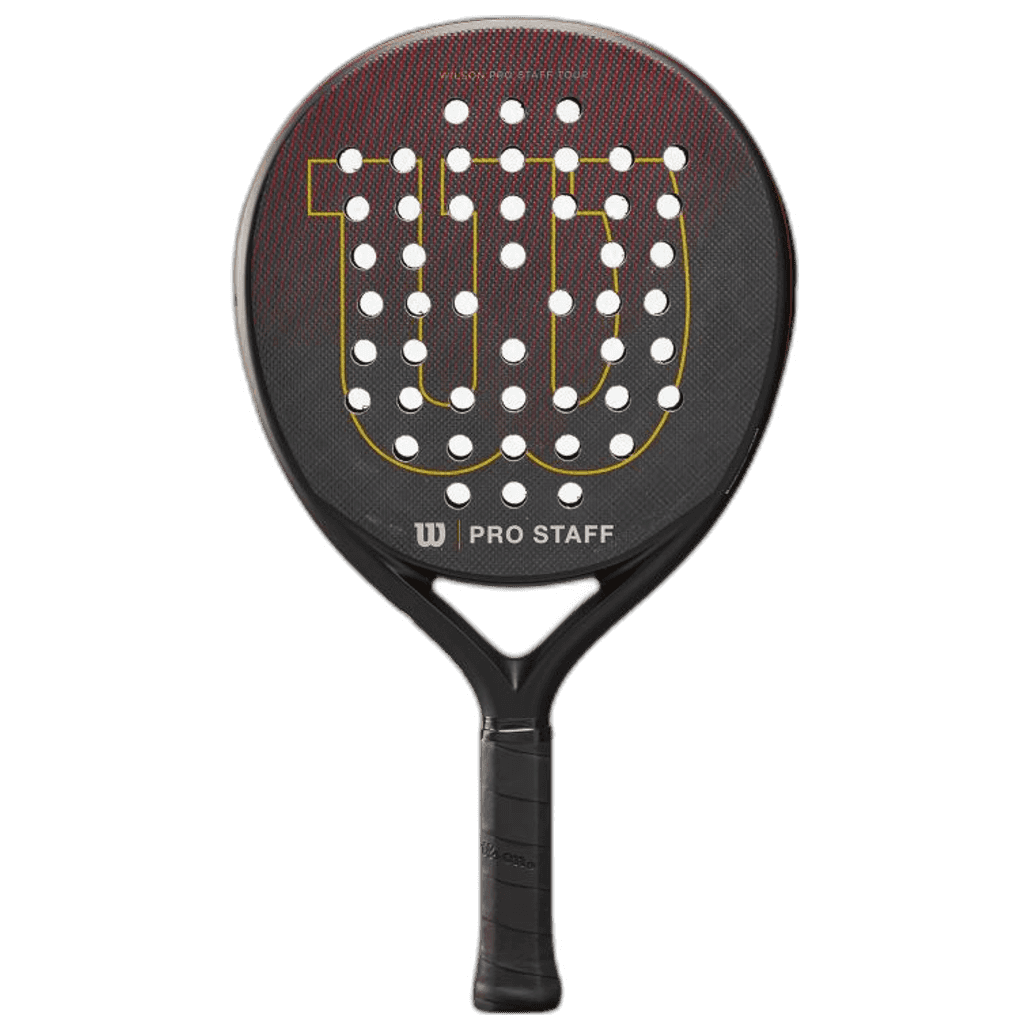 8.7
8.7Wilson · 2022
Exceptional control and precision
Limited power output compared to modern alternatives
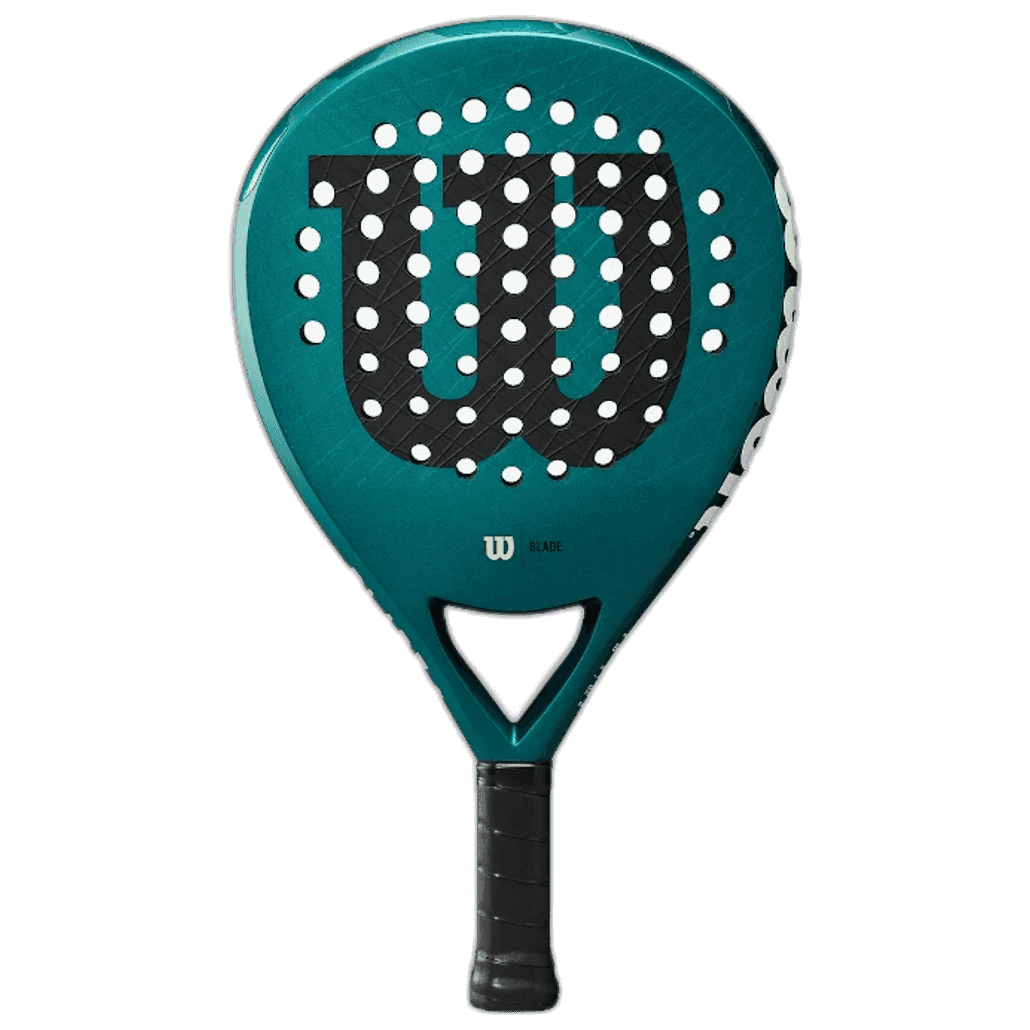 8.8
8.8Wilson · 2024
Generous sweet spot for consistent shots
Less powerful for pure power hitters
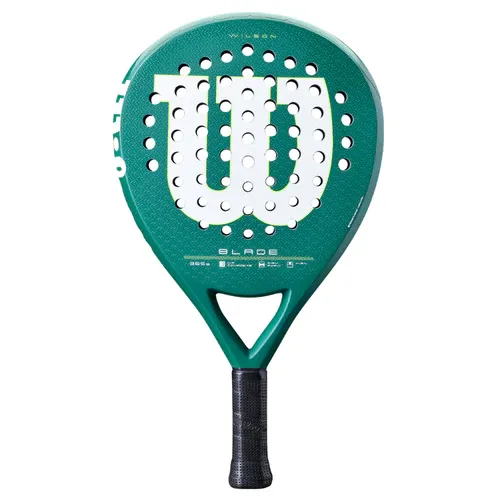 7.6
7.6Wilson · 2026
Exceptional stability at the net
Limited ceiling on flat smashes
 8.7
8.7Wilson · 2022
Exceptional control and precision with enlarged sweet spot
Limited power output for aggressive players
Want to explore more options?
Browse all rackets