
 8.2
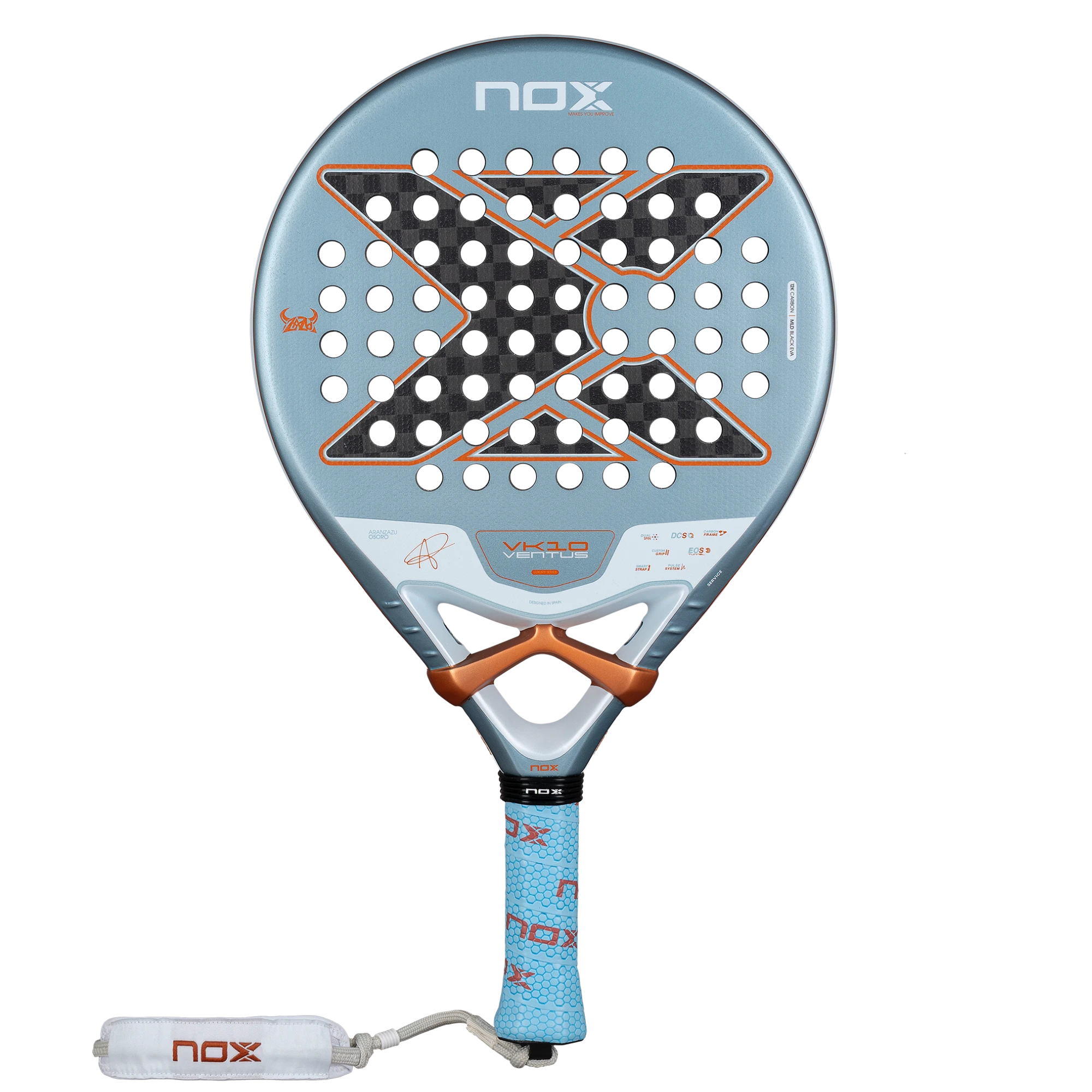
8.2Nox Vk10 Ventus Control 12K 2026
Nox · 2026
Outstanding control and ball placement
Limited free power on smashes and drives
PremiumHigh Intermediate
 7.8
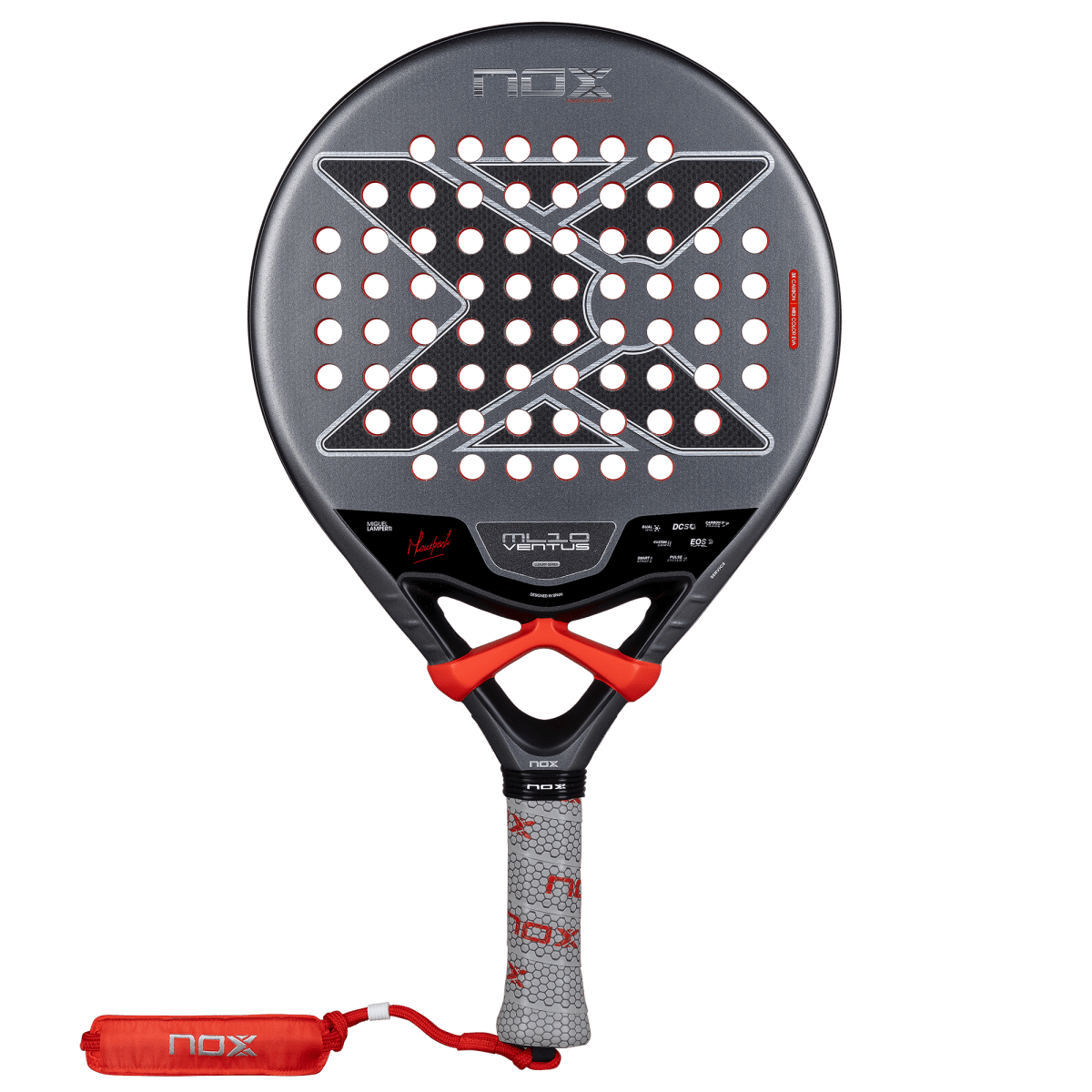
7.8A control-first racket for players who construct the point through placement rather than power. The ML10 Ventus Control 3K gives precise, forgiving feel across the whole face and rewards patient point-building, but feels a touch unstable when blocks get hard and pace climbs. Best for improving and intermediate players who want consistent placement over raw punch.

Developing all-court player focused on consistency and comfort
Always gets an "A" for effort from the coach. That tells you enough about his technique.
The Nox ML10 Ventus Control 3K 2026 is Miguel Lamperti's signature racket, now with a new frame mould called Ventus. The name signals aerodynamic updates, mainly the redesigned EOS Tunnel perforations in the throat area, though the racket's character stays unchanged: round shape, low balance, and a clear priority of placement over pace. It sits well below the AT10 family in stiffness. Testea Padel has called it the best control racket in its category two years running.
The face uses 3K carbon, woven in small interlocked squares, which gives it more flex and dwell time than the stiffer 12K and 18K carbon in the AT10 range. The core is HR3 Color EVA, the lowest-density rubber in the Nox lineup: soft on contact, forgiving on off-centre hits. The Dual Spin surface runs 3D raised texture plus sand finish across the full face, which adds more bite on slice and víboras than you'd expect from a control racket. Weight runs 360 to 375g, balance around 25.6–25.8cm from the handle.
What the Reviewers Say
The consensus is clear: at slow and medium pace, this racket is exceptional. PADELREVIEW ENG tested it in a full session and concluded: "If you're looking for all-day comfort, this is your racket. The sweet spot is generous, mishits are very rare, and at the end of the day your arm is never tired. That says a lot." They also noted the frame struggles when opponents push hard: on firm blocks it feels a touch unstable, and powerful smashes lack the punch of a stiffer, more head-heavy racket.
Dani 13, who got early access to the full 2026 Nox collection, highlighted that the new Ventus mould and Dual Spin surface make the 2026 ML10 feel slightly firmer than its predecessor: the old gloss finish has been replaced by a matte, double-rough face, which raises the perceived stiffness a notch without changing the underlying rubber character. He confirmed the balance at around 25.6–25.7cm and called the HR3 Color EVA core more reactive than the MLD rubber in the AT10 range.
Zona de Pádel described it as "the textbook racket any coach would recommend" and underlined the spin-friendly character of the Dual Spin surface: "Being soft, it absorbs a lot, and on top of that the rough surface generates impressive spin on the víbora. I was loving the effect it was producing." Their only reservation was that at advanced competition pace it reads as too soft for players who need the racket to fire back.
PadelVerdict, in their scored analysis, awarded it a control score of 9.0 and an overall 8.8, with a Defender profile of 8.59 versus an Attacker profile of 7.27. That 1.3-point spread between profiles is the honest summary: this racket has a clear identity and rewards the player who works with it, not against it.
How it plays..
For a player still building consistency, this racket removes a lot of the variables. The generous sweet spot and arm-friendly feel mean off-centre hits still go where you intend, which is exactly what an improving player needs to develop feel over time. The gap between a well-struck ball and a mishit is smaller here than on almost anything else at this price. The honest caveat: when pace climbs and opponents start pushing hard, the frame feels a touch less stable on firm blocks. The ML10 asks you to stay composed and construct, not react and absorb. For a player who builds points rather than fires through them, that is actually the right trade.
Defense
From the baseline the ML10 Ventus is where this racket earns its reputation. Lobs come easily, reset shots land where intended, and the low balance point keeps the swing compact and quick. At slow to medium pace the feel is excellent: you can redirect hard-driven balls and place defensive shots precisely. Under sustained pressure at high pace, however, the frame offers less resistance than expected on firm two-handed blocks. The ball tends to move slightly in the frame when absorbed at force, so a defensive player who relies on aggressive blocking will notice it. Keep the pace manageable and the racket is among the best at this job.
Attack
Explosive power is not what this racket is built for. Flat smashes lack the punch of a diamond or high-balance frame. Where the ML10 Ventus does work overhead is on the víbora: the soft core and Dual Spin surface combine to generate good spin and keep the ball deep, and the low balance lets you accelerate quickly without forcing the swing. On the víbora used to push opponents into the back wall, reviewers consistently praised the result. On hard, flat overhead finishes the racket feels limited and tends to float the ball rather than drive it through.
Netplay
At the net the ML10 Ventus is comfortable and predictable. Volleys give clear feedback, directional control is good, and the round shape handles balls arriving from different angles reliably. The chiquita comes off cleanly and cross-court angles are consistent. One area to manage: on very fast incoming volleys that require a firm stop, the frame feels slightly less planted than a stiffer racket would. Bandeja and víbora from the net are where this racket performs best overhead, generating spin and depth without needing a long swing.
Our Advice for New Players
Beginners will find the ML10 Ventus Control 3K accessible thanks to its large sweet spot and forgiving feel, but at 340 EUR it is an expensive entry point. A beginner would extract far less than its capability and would likely outgrow the need to understand its nuance before the investment makes sense. Better to start cheaper and move up when you know what you want.
Our Advice for Intermediate Players
This is the sweet spot of the ML10's audience. Intermediate players who are developing consistency, building rallies, and learning to construct points will find this racket actively supportive. The forgiving face reduces the punishment for off-centre hits, the low balance keeps fatigue low, and the control character matches the phase of development. Players who spend a lot of time in training sessions and want a racket that lets them focus on technique rather than fighting the equipment will get real value here.
Competitive level
Advanced players who are tactically oriented and play from the left side or from the baseline will find the ML10 Ventus a genuine tool. It rewards patience and point construction, and the Dual Spin surface gives enough spin to vary shots and keep opponents guessing. Advanced players who prefer an aggressive, pace-heavy game style will hit its ceiling on firm blocks and flat smashes. Compare it directly with the Nox AT10 Genius 18K 2026: if your game is about power and directness, the AT10 is the better fit; if your game is about placement, angles and consistency, the ML10 is the sharper choice.
How It Compares
The natural in-brand comparison is the Nox AT10 Genius 18K 2026. Both are premium Nox rackets, but they are built for opposite playing styles. The AT10 uses stiffer 18K carbon, a higher-density core and a balanced-to-head-heavy weight distribution for explosive overhead play and power. The ML10 Ventus uses 3K carbon, the softest core in the Nox range and a low balance for placement and control. Choose the ML10 if your game is constructed around consistency, angles and spin. Choose the AT10 if you want to generate pace and win points overhead.
Across brands, the Bullpadel Vertex 04 2025 occupies a similar space for left-side control players, with a round shape and a focus on feel. The Vertex has a slightly firmer response on hard blocks; the ML10 Ventus is softer and more arm-friendly. Players with elbow sensitivity often prefer the ML10 on that basis.
Research & References
Our mission is to help you choose the right padel racket with clear, in-depth reviews that make it easy to level up your game. We start with official specs, then break down each racket’s key properties. Finally, we bring together trusted video and written reviews—summarised into one consistent, easy-to-read overview.
Drafted by Padelguru from expert video reviews with Kaj Kloezeman's playing profile as an editorial lens, then reviewed and edited by Kaj Kloezeman.
Put the rackets you are considering side by side and keep the ones you play with in your collection.
Get the Padelguru app
Recommended for
Intermediate to advanced players who build from the baseline, value consistent placement, and prefer comfort and forgiveness over explosive power. Also excellent for coaches who spend long hours on court.
Skill level
High Intermediate, Intermediate
Court position
Right
Play style
Control, Defensive, Tactical
Best at: Control (9.0/10)
Average: 7.5/10
Nox ML10 Ventus Control 3K: Review in English | New frame, same old feelings
New Nox 2026 rackets overview by Dani 13
Nox Padel Rackets Review 2026: ALL rackets from Tapia, Alonso and Lamperti
Shape
Round
Weight
Medium (356–370g)
Balance
Maneuverable (Head-Light)
Touch
Soft
Core
Hr3 Color Eva
Surface
Dual Spin (3D Texture + Sand Finish)
Texture
Rough
Year
2026
8 rackets with characteristics, performance and appeal close to the Nox Ml10 Ventus Control 3K 2026.
8.2Nox · 2026
Outstanding control and ball placement
Limited free power on smashes and drives
 8.4
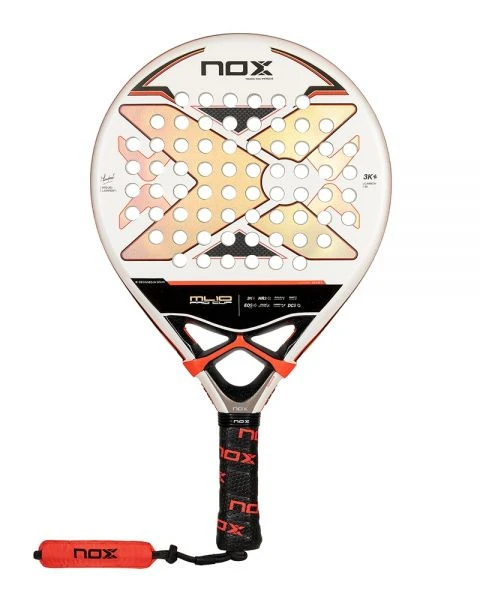
8.4Nox · 2024
Exceptionally large and forgiving sweet spot
Flat smashes lose speed
 8
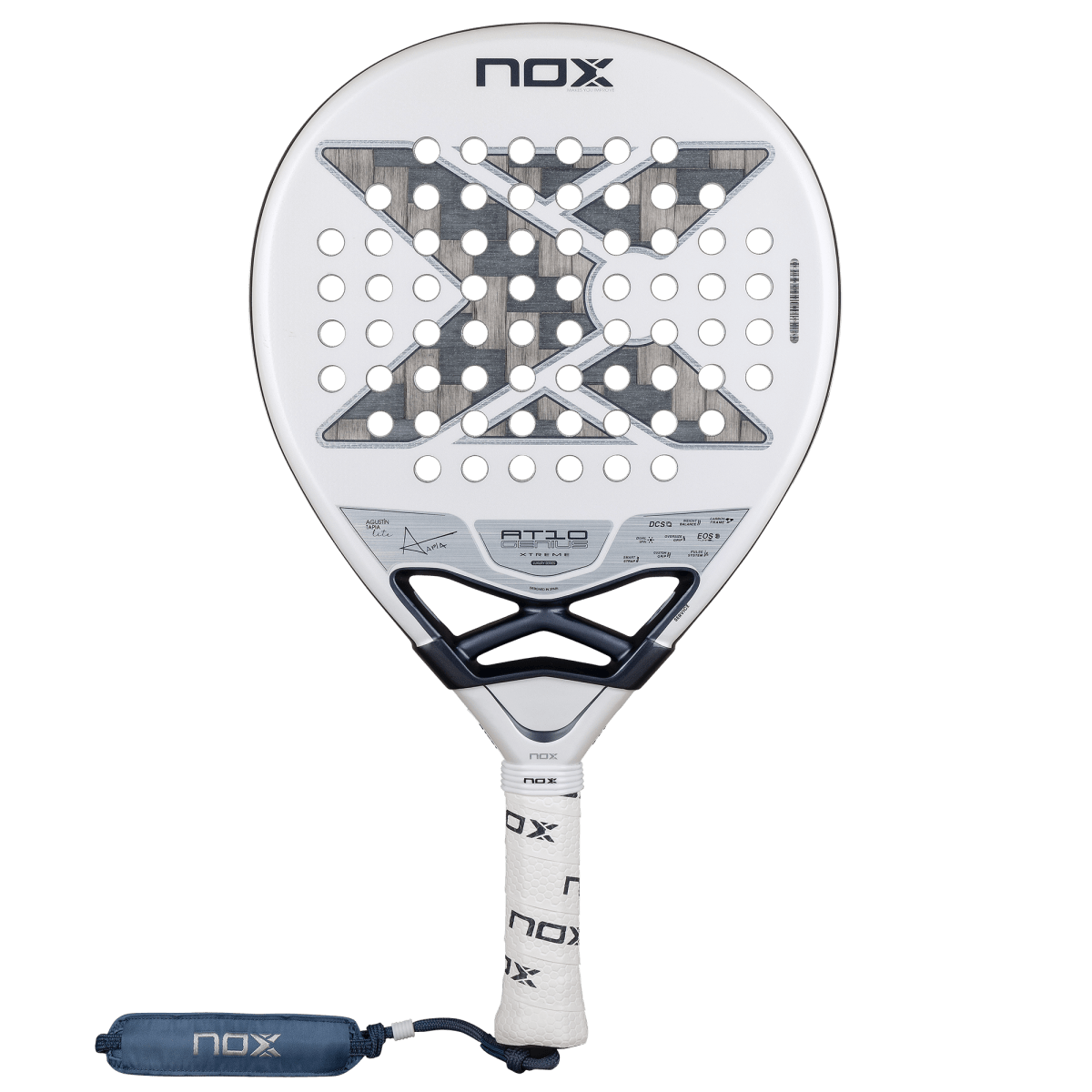
8Nox · 2026
Outstanding maneuverability
Ball can escape at high pace if follow-through is incomplete
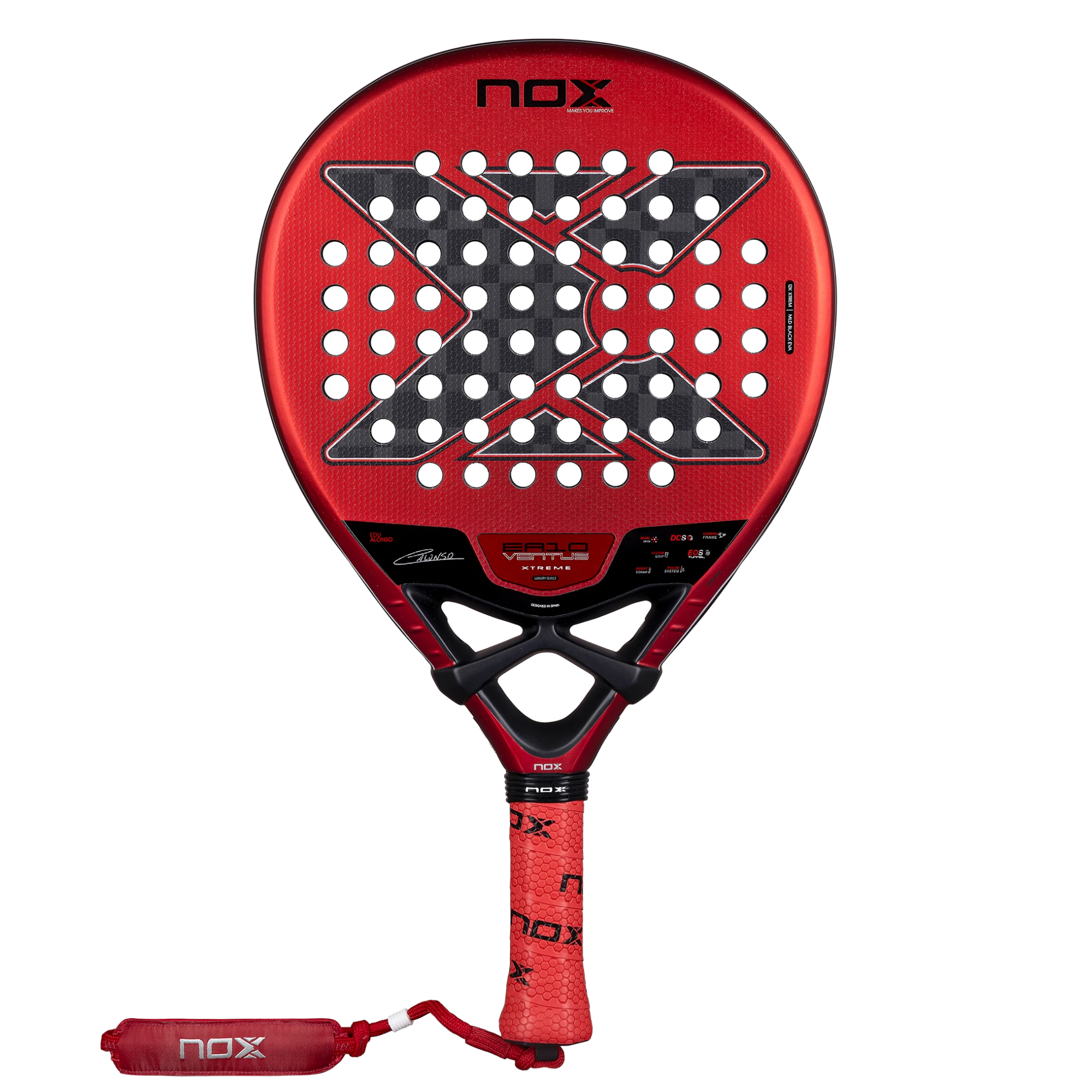 7.8
7.8Nox · 2026
Planted, controlled volleys with no overshoot
Overhead and víbora demand a fuller swing than comparable hybrids
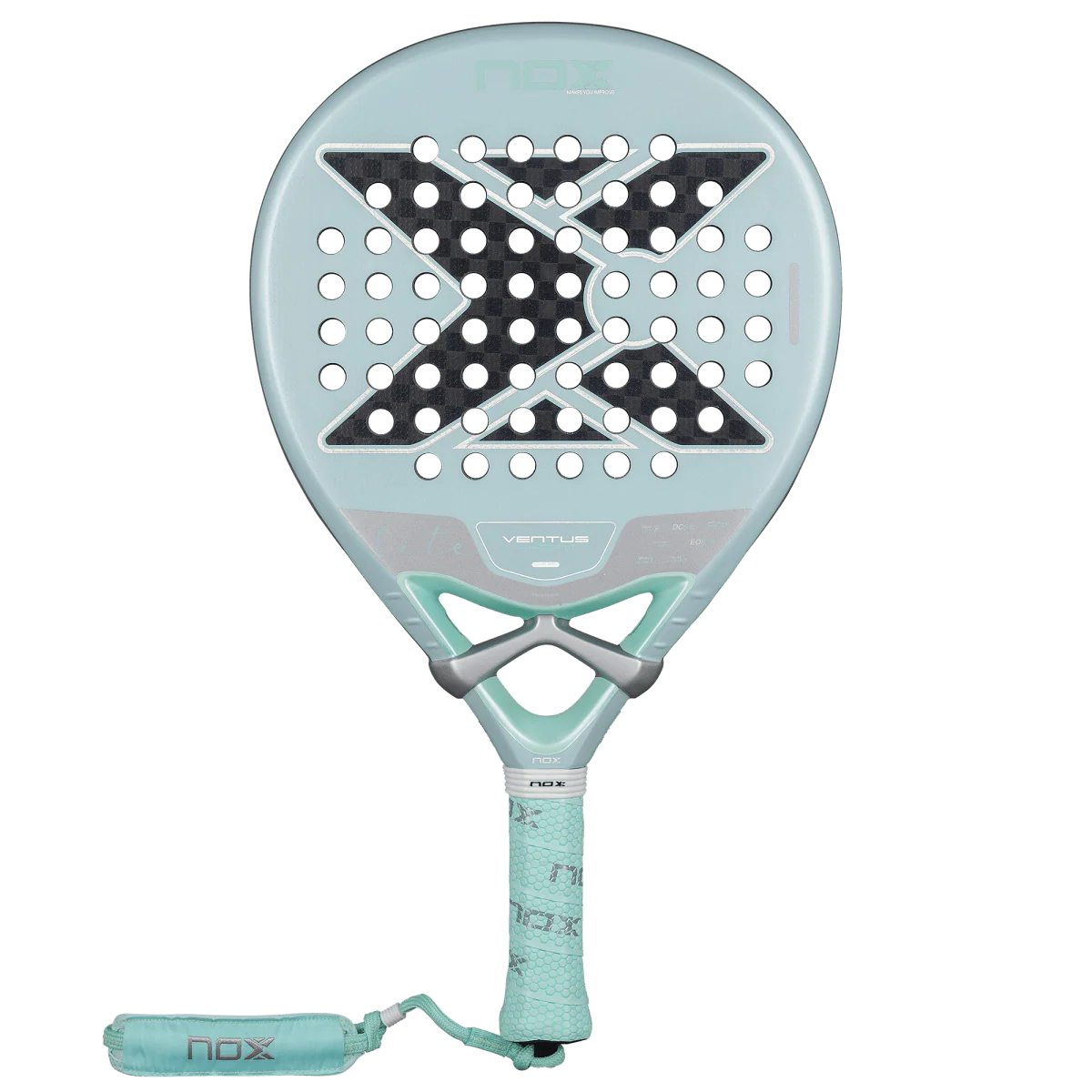 8.3
8.3Nox · 2026
Outstanding maneuverability for net transitions
Power ceiling lower than heavier Ventus Hybrid siblings
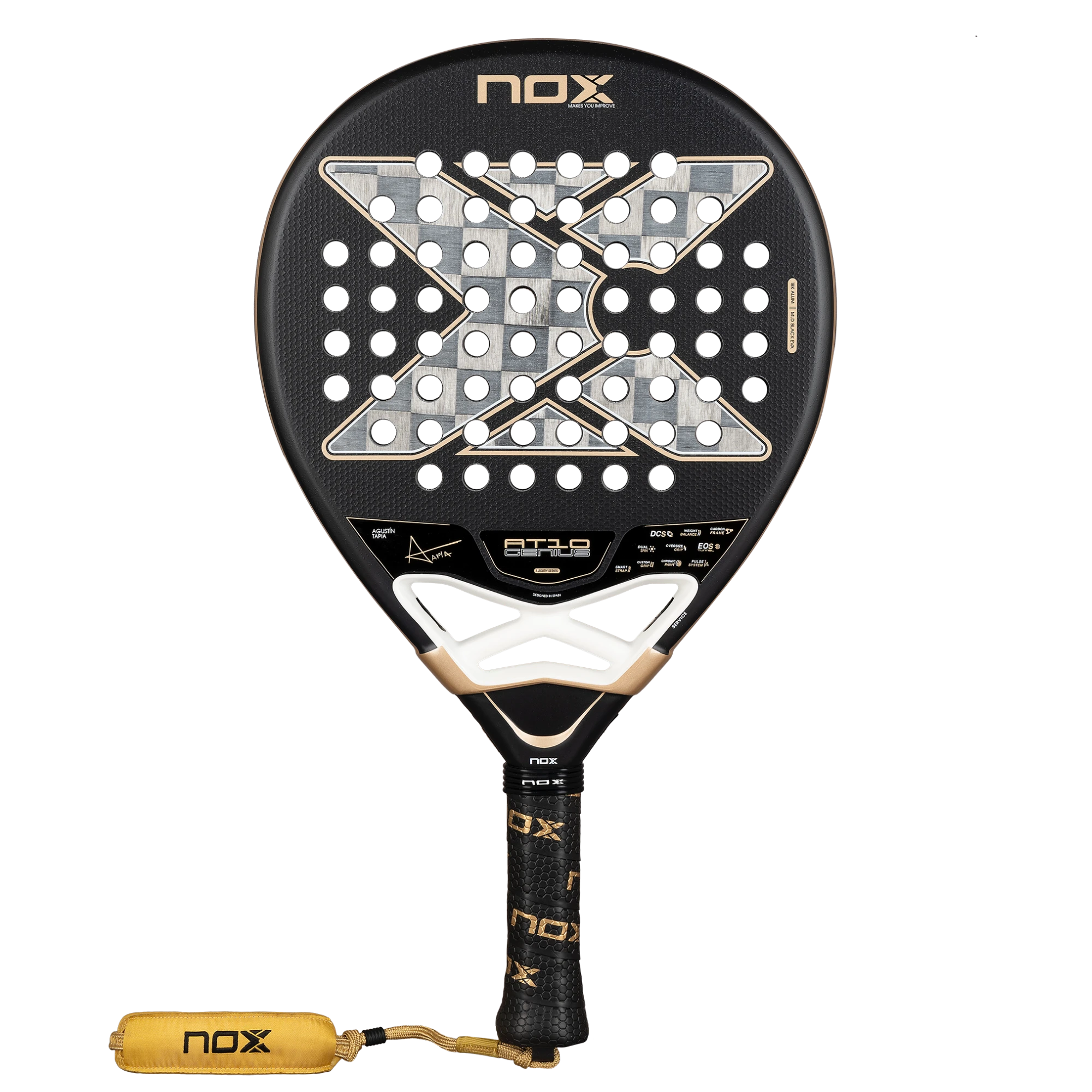 8.2
8.2Nox · 2026
Wide, centered sweet spot
Flat smash output a step below the 12K Xtrem sibling
 8.6
8.6Nox · 2025
Excellent control with round shape and medium balance
Not ideal for pure power players
 8.4
8.4Nox · 2026
Wide sweet spot for a pro frame
Flat smash output behind the 12K siblings
Want to explore more options?
Browse all rackets