
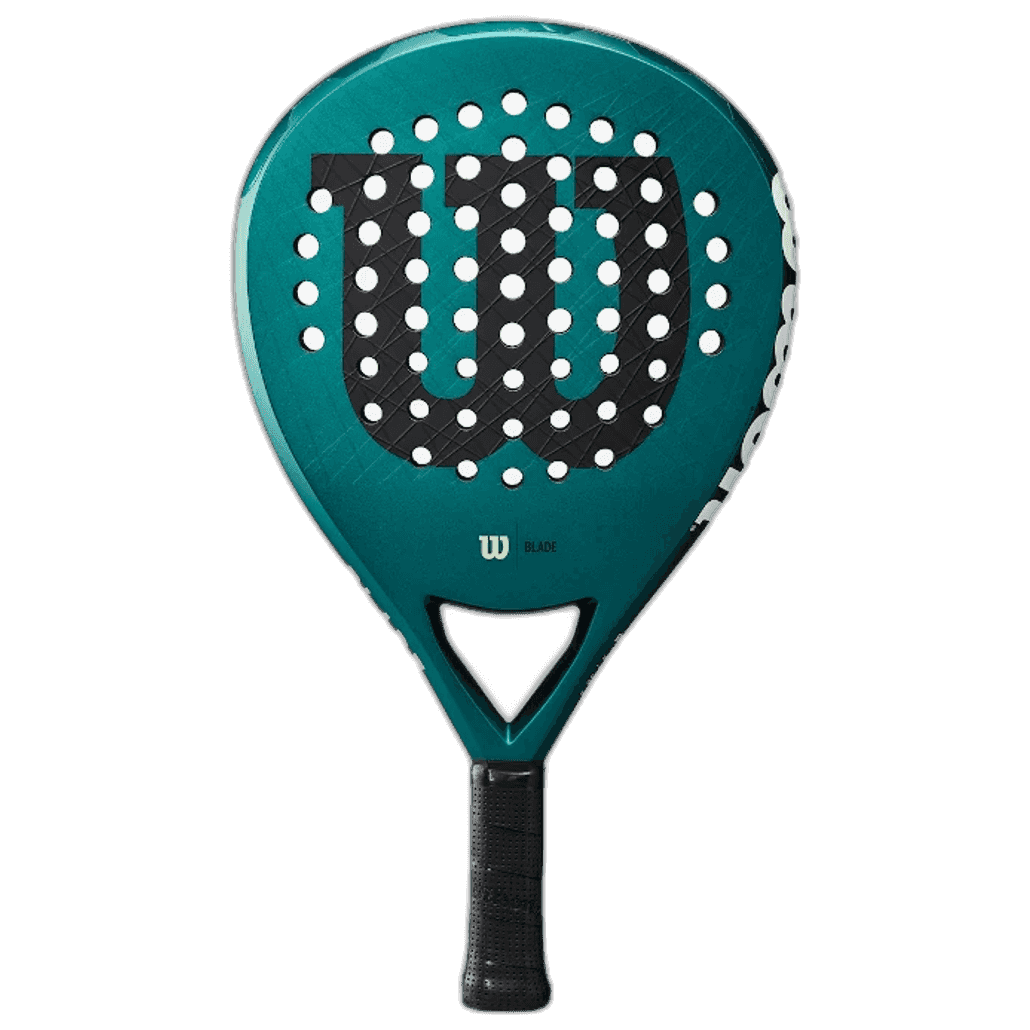
 7.7
7.7Wilson Blade V3
Wilson · 2024
Stable against heavy pace at the net
Measures heavier than its stated 365g
PremiumHigh Intermediate
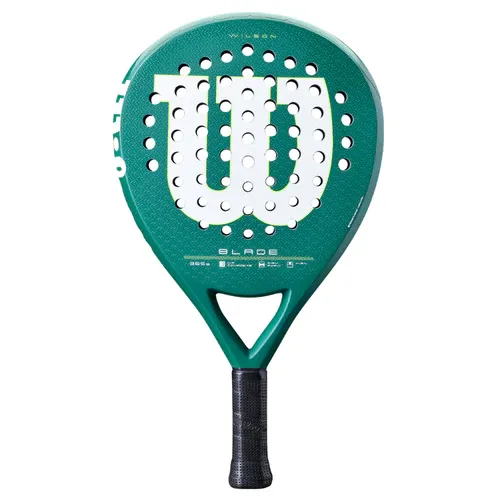 7.6
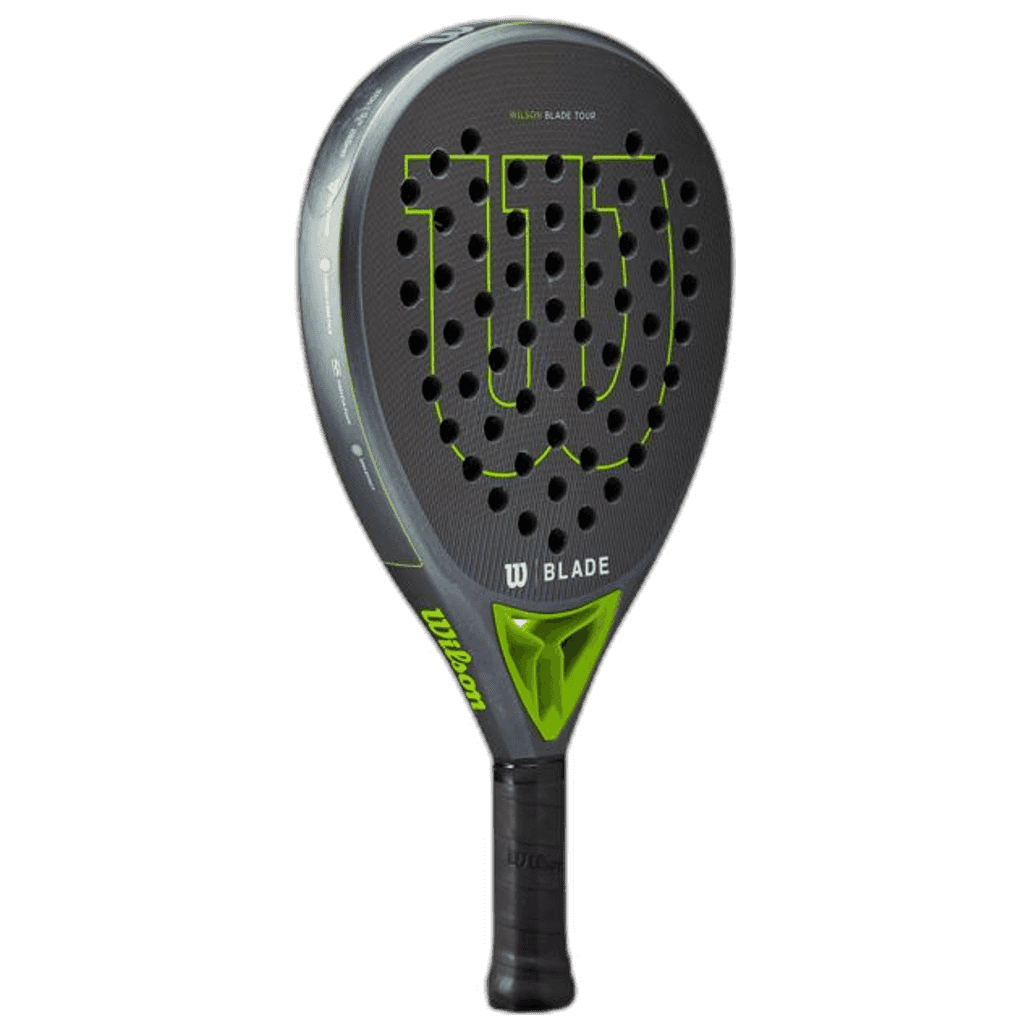
7.6The Blade V4 is a crisp, spin friendly control racket for players who build points rather than end them, and the new hybrid face makes it noticeably more forgiving than the V3. Best on the right side at intermediate to advanced level. Flat finishers will hit its power ceiling, and at 365g on a firm core it is not the most comfortable frame out there.

All-court player who prizes control, feel and spin
Bowe is convinced that the racket, shoes, court are the problem, never his own abilities.
Wilson has been building the Blade since padel went mainstream, and the name is borrowed on purpose. This is the only racket in Wilson's padel range that takes its identity straight from the tennis frame Roger Federer played for a decade. The V4 is the fourth generation, and it is a refinement rather than a reset. Two versions replace the three of last season, and the Pro badge is gone, which tells you plenty about where Wilson aimed this one.
The change that matters is in the face. Where the V3 was pure carbon, the V4 mixes carbon with fiberglass. The Firm EVA core stays, the teardrop mould stays, the balance sits mid range at 267mm, and the racket still weighs around 365g. But that fiberglass takes a little of the edge off the impact and widens the margin for error, without turning the Blade into something soft. Wilson also kept the rough Spin Effect finish and the asymmetric hole pattern that concentrates power high on the face and control through the middle. It sells for around 190 euros, which puts it in the middle of the market rather than at the top of it.
What the Reviewers Say
Every tester who has hit with both generations back to back says the same thing: the V4 is the friendlier Blade. Stéphane Penso ran Wilson's whole 2026 range on the same courts with the same balls for Padel Magazine, and his verdict is that "the impact is crisp and very predictable, with accurate ball release and a decent sweet spot, prioritising dynamism over raw power". He is direct about the generational shift too. The V3 felt drier and stiffer, typical of pure carbon, while the V4 is noticeably easier on defence and on volleys.
Padel Tonic tested the V4 alongside the LS and came away focused on the spin: "in attack, smashes and rulos benefited from the spin potential, though blocking fast balls required extra effort". That last clause is the honest caveat in their write up, and it lines up with Penso's note that the racket asks for commitment once you are under pressure.
On the Spanish side, Rodrigo Vázquez Álvarez at Padeladdict spent most of his time on what the racket does once you step forward: "the firmness of the Firm EVA core and the extra stiffness of the hybrid face let you drive volleys through with real weight". He rates the depth on the bandeja and víbora highly, while being clear that the Defy, not the Blade, is Wilson's power racket this year.
The shop reviews agree on the feel. Fun Padel Shop put it plainly: "the contact feels crisp, giving you clear feedback on every shot while keeping good stability during faster exchanges". Padel-Kompass in Germany scored it 7.6 out of 10 and summed it up as "a solid all rounder between control and power: it does not specialise, but it is dependable", with one warning attached. They do not consider it a particularly arm friendly frame.
Where reviewers part ways is on defence. Padeladdict found the sweet spot wide and the racket docile from the back, easy to get out of trouble with. Penso and Padel Tonic both felt the relatively high balance point and limited rebound mean you have to put something into the ball yourself. The difference is probably swing speed. The V4 gives back what you give it.
How it plays..
This is a precision racket that happens to have a useful amount of power behind it, and the hybrid face is the reason it works. Crisp enough to tell you exactly where you hit the ball, soft enough that a slightly late volley still goes where you aimed. The rough surface is not marketing, it genuinely bites on the víbora and the sliced volley. The one thing worth weighing before buying: 365g on a firm EVA core with a mid to high balance point is not a comfortable racket by default, and German testers flag it as less arm friendly than average.
Defense
Solid rather than generous. The widened tolerance zone of the V4 is a real improvement on the V3, and lobs and resets come off the face predictably, but the balance point sits high enough that the racket does not lift the ball for you. Testers who blocked passively found fast balls hard to absorb. Testers who swung through the reset found it secure. Wall play is good, chiquitas especially, because the surface lets you keep the ball low and flat on the way out.
Attack
The Firm EVA core is what you feel on the smash: dry, direct, and quick off the face when you time it. There is real depth available on the víbora and the rulo, and the spin texture makes both easier to shape than the numbers suggest. What it will not do is flatten a ball for you. Reviewers consistently place it below Wilson's Defy for raw finishing power, and the ceiling on a flat kill shot is lower than a diamond frame's. Bring your own racket head speed.
Netplay
The strongest part of the racket. Stability at the net is the one thing no reviewer argued about. The C2 tubular frame holds firm against pace, and the short handle keeps the head close and quick in fast exchanges. Sliced volleys grip and stay low. The bandeja is where the rough finish earns its place, letting you drop the ball into the corner with shape rather than skidding it through flat. Centre the ball and it is excellent overhead. Miss the middle and the precision drops off faster than on a more forgiving frame.
Our Advice for New Players
Not the right first racket. The V4 rewards clean contact and gives little back while you are still finding the middle of the face, and at 365g with a firm core it is heavier and harsher than a beginner needs. The Blade V4 LS, at 355g with fiberglass faces and a soft EVA core, is the same shape and the same philosophy in a far more forgiving package. Start there.
Our Advice for Intermediate Players
This is the racket's core audience, with one condition: the swing needs to be repeatable. After a year or two on court, hitting the middle of the face most of the time and now working on placing the ball rather than just returning it, the V4 fits well. It makes the bandeja and víbora better almost immediately. A game that is still mostly defensive blocking from the back will find it firm and a bit demanding.
Competitive level
A genuine option for advanced point builders, particularly on the right side, where the combination of stability, spin and predictable ball release suits a player who opens the court and waits for the ball to sit up. Advanced players who close points with a flat smash from anywhere will find the ceiling too low and should look at a diamond frame. At around 190 euros it is also considerably cheaper than most rackets an advanced player is cross shopping, which is part of the appeal.
How It Compares
Wilson Blade V3 2024 is the direct predecessor and the honest comparison. Same mould, same core, pure carbon face. The V3 is drier, stiffer and more demanding. The V4 is a little softer through contact with a wider margin for error. If you already own a V3 and like how direct it feels, the V4 is not an upgrade so much as a different compromise. If the V3 punished you on off centre contact, the V4 solves most of that.
Wilson Bela Pro V3 2025 is the other Wilson to consider, and it plays a different game. The Bela is heavier, more enveloping and built around feel and a very large sweet spot. The Blade is crisper, more direct and reads the ball back to you more clearly. Pick the Bela if you want the ball to sit on the face and forgive you. Pick the Blade if you want to know exactly what you did. The Bela also costs substantially more.
Within the 2026 range itself, the Blade V4 LS drops ten grams, swaps to fiberglass faces and a soft EVA core, and is the arm friendly choice for anyone who finds the standard V4 tiring.
Research & References
Our mission is to help you choose the right padel racket with clear, in-depth reviews that make it easy to level up your game. We start with official specs, then break down each racket’s key properties. Finally, we bring together trusted video and written reviews—summarised into one consistent, easy-to-read overview.
Drafted by Padelguru from expert video and written reviews with Bowe Frankema's playing profile as an editorial lens, then reviewed and edited by Bowe Frankema. No one at Padelguru has play tested this racket, so nothing here is presented as first hand experience.
Put the rackets you are considering side by side and keep the ones you play with in your collection.
Get the Padelguru app
Recommended for
Intermediate to advanced all court players, particularly right side point builders, who want spin and predictable placement rather than raw finishing power.
Skill level
Intermediate, High Intermediate, Advanced
Court position
Right, Both sides, Net, Backcourt
Play style
Control, Balanced, Tactical, All-court
Best at: Control (8.2/10)
Average: 7.4/10
Padel Tonic: Wilson Blade V4 padel rackets tested
Fun Padel Shop: Wilson Blade V4 2026 Review, the best control padel racket of 2026?
Shape
Teardrop
Weight
Medium (356–370g)
Balance
Balanced (Even)
Touch
Medium Hard
Core
Firm Eva Foam
Surface
Carbon/Fiberglass Mix
Texture
3D Pattern
Year
2026
8 rackets with characteristics, performance and appeal close to the Wilson Blade V4 2026.
7.7Wilson · 2024
Stable against heavy pace at the net
Measures heavier than its stated 365g
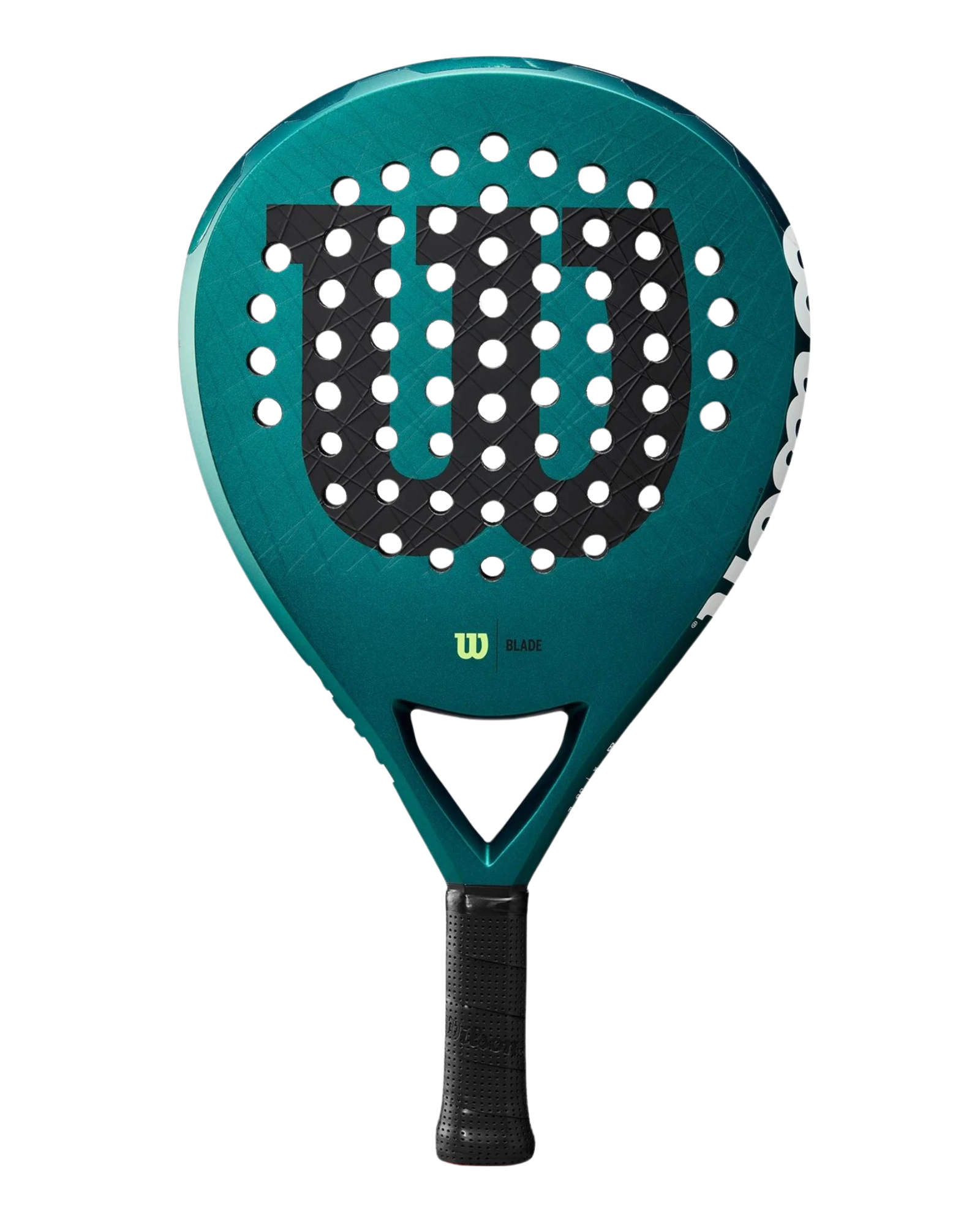 7.8
7.8Wilson · 2024
Generous sweet spot handles off-center contact well
Hybrid face absorbs energy on full-arm flat smashes vs. Blade Pro
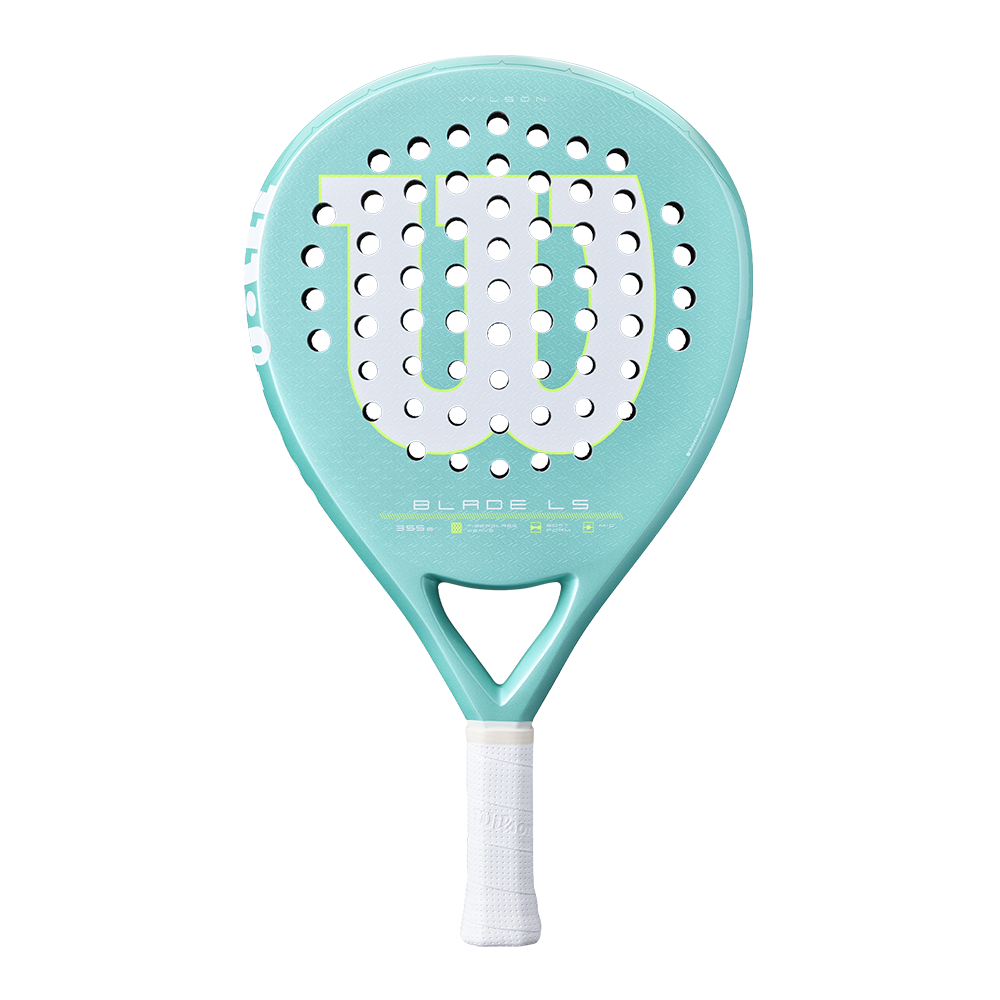 7.5
7.5Wilson · 2026
Wide, predictable sweet spot on off-centre hits
Almost no help on flat smashes
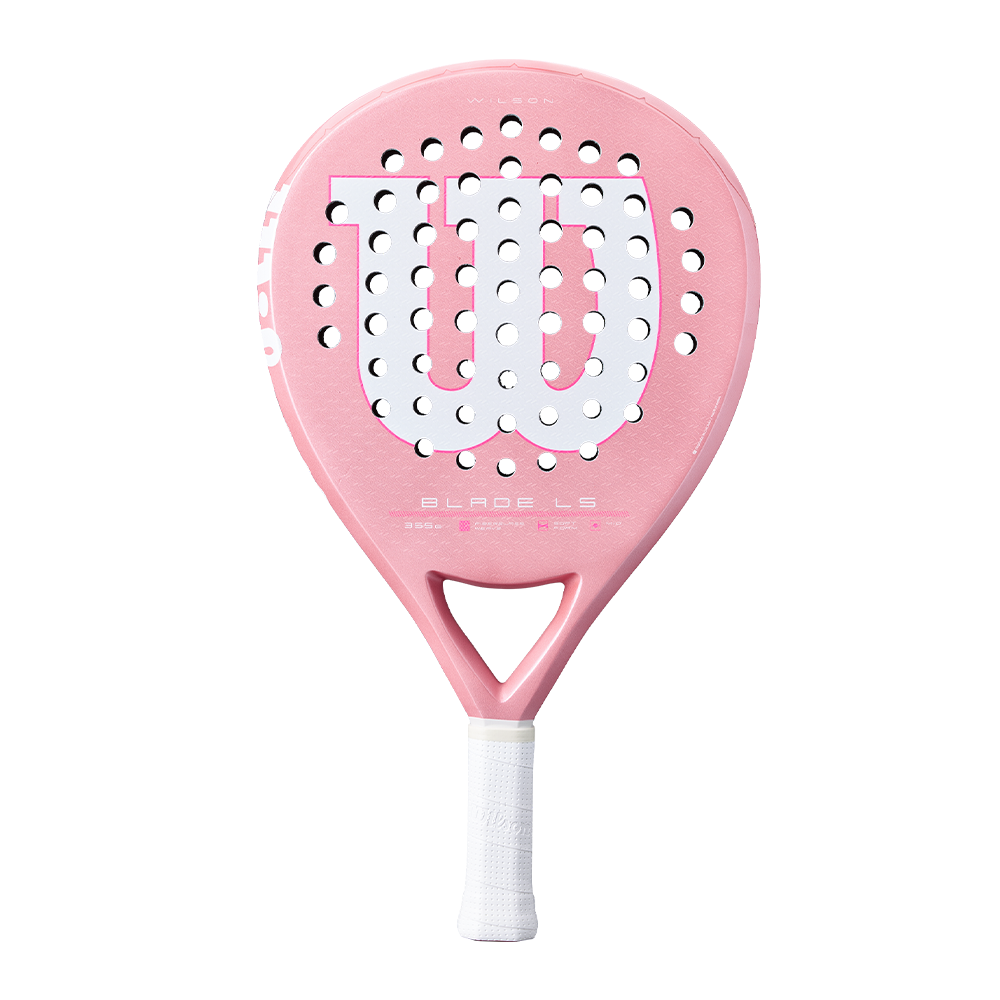 7.5
7.5Wilson · 2026
Very quick hands at the net
Runs out of power on flat smashes
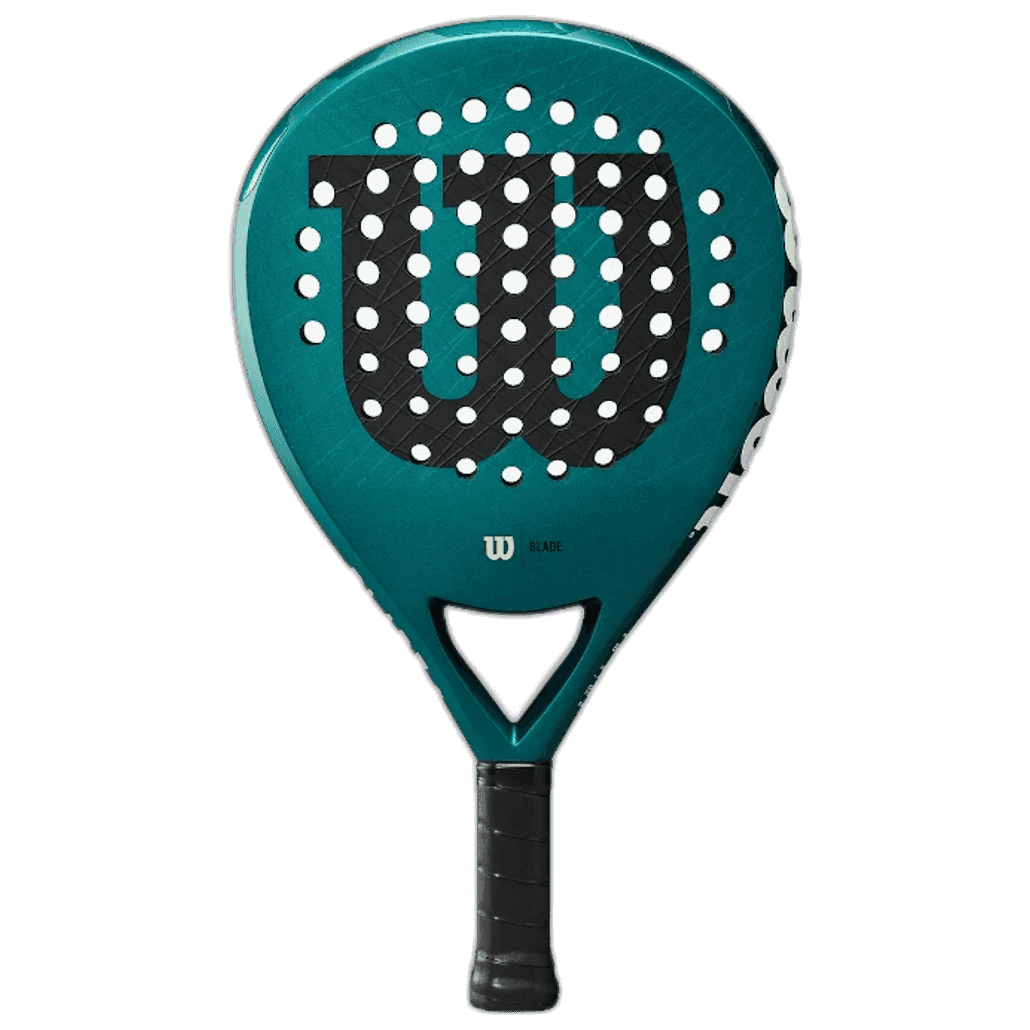 8.8
8.8Wilson · 2024
Generous sweet spot for consistent shots
Less powerful for pure power hitters
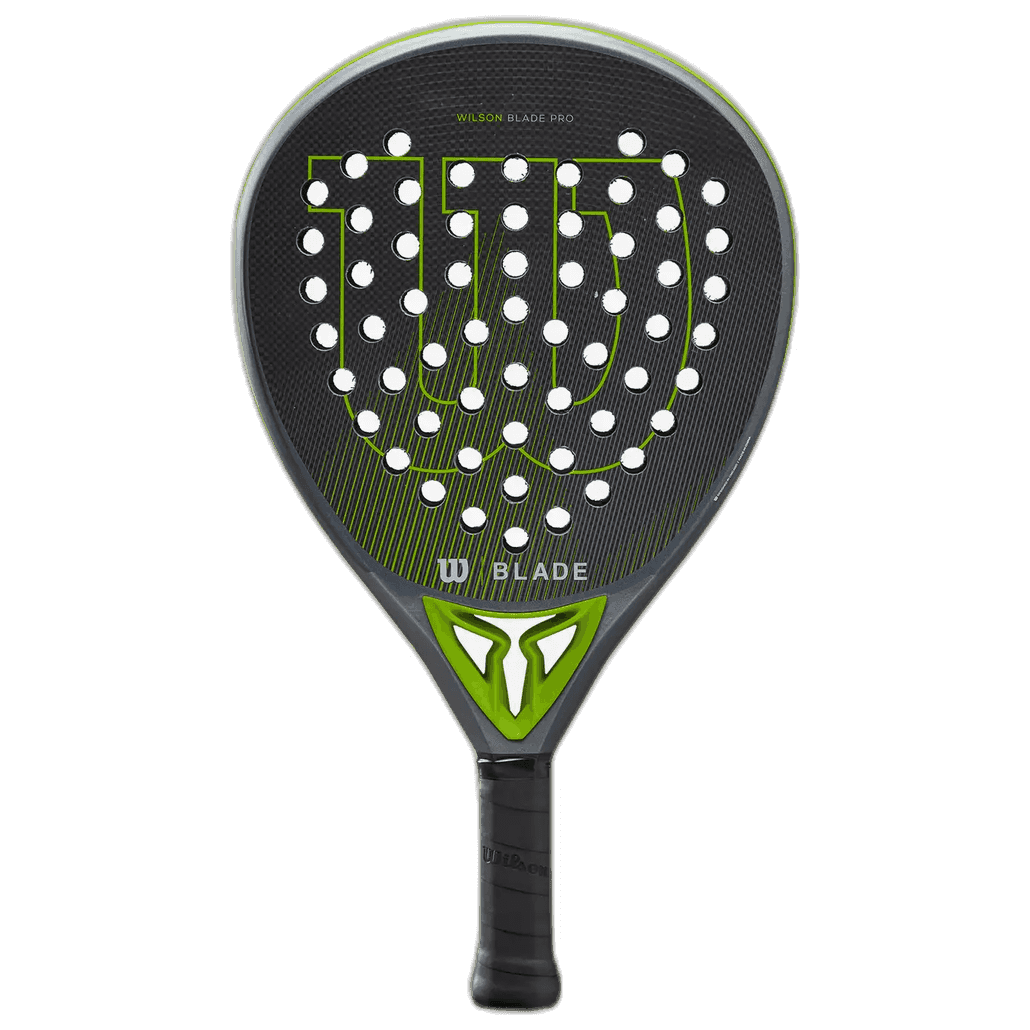 8.8
8.8Wilson · 2022
Excellent balance between power and control
Premium price point may be prohibitive for some
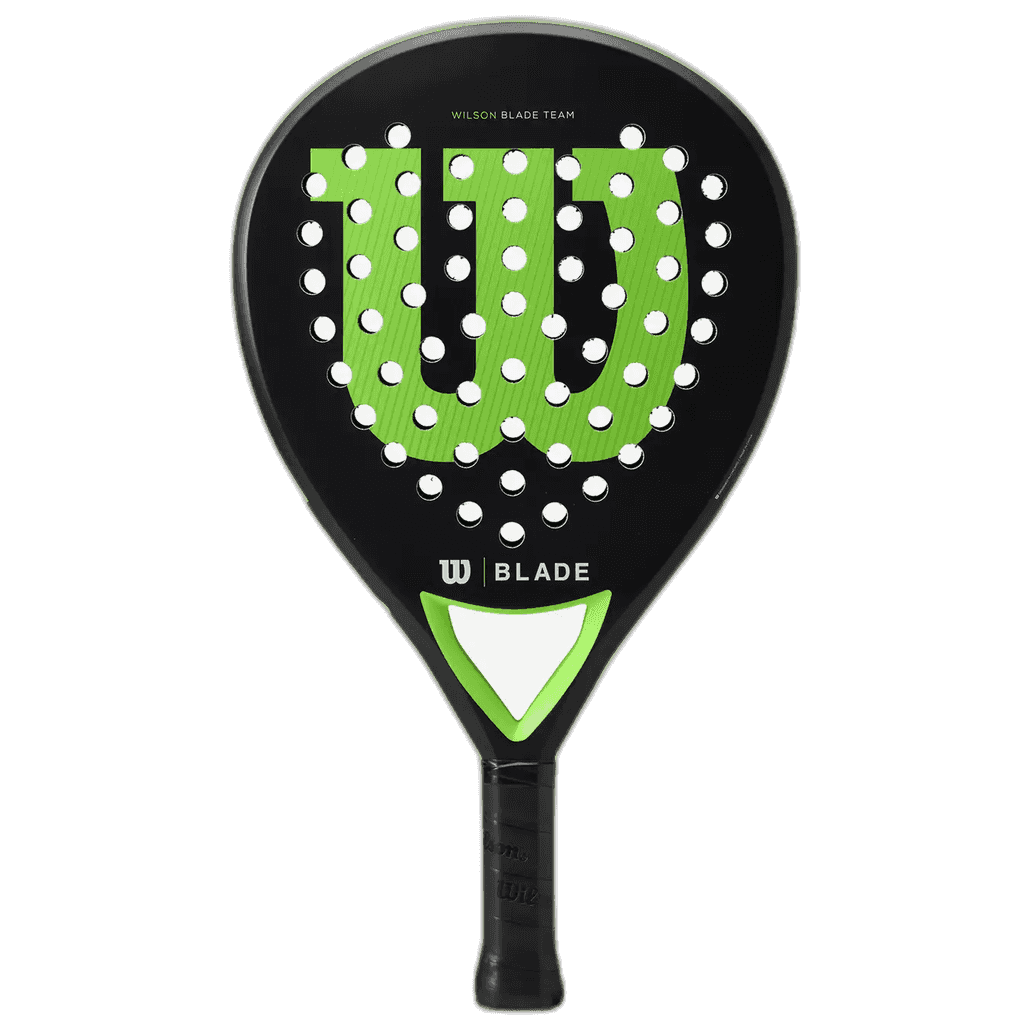 7.8
7.8Wilson · 2022
Excellent comfort and shock absorption from EVA core
Some durability concerns reported
 8.8
8.8Wilson · 2023
Exceptional control and precision with 9.3 rating
Firm feel might require adjustment period
Want to explore more options?
Browse all rackets