
 7.5
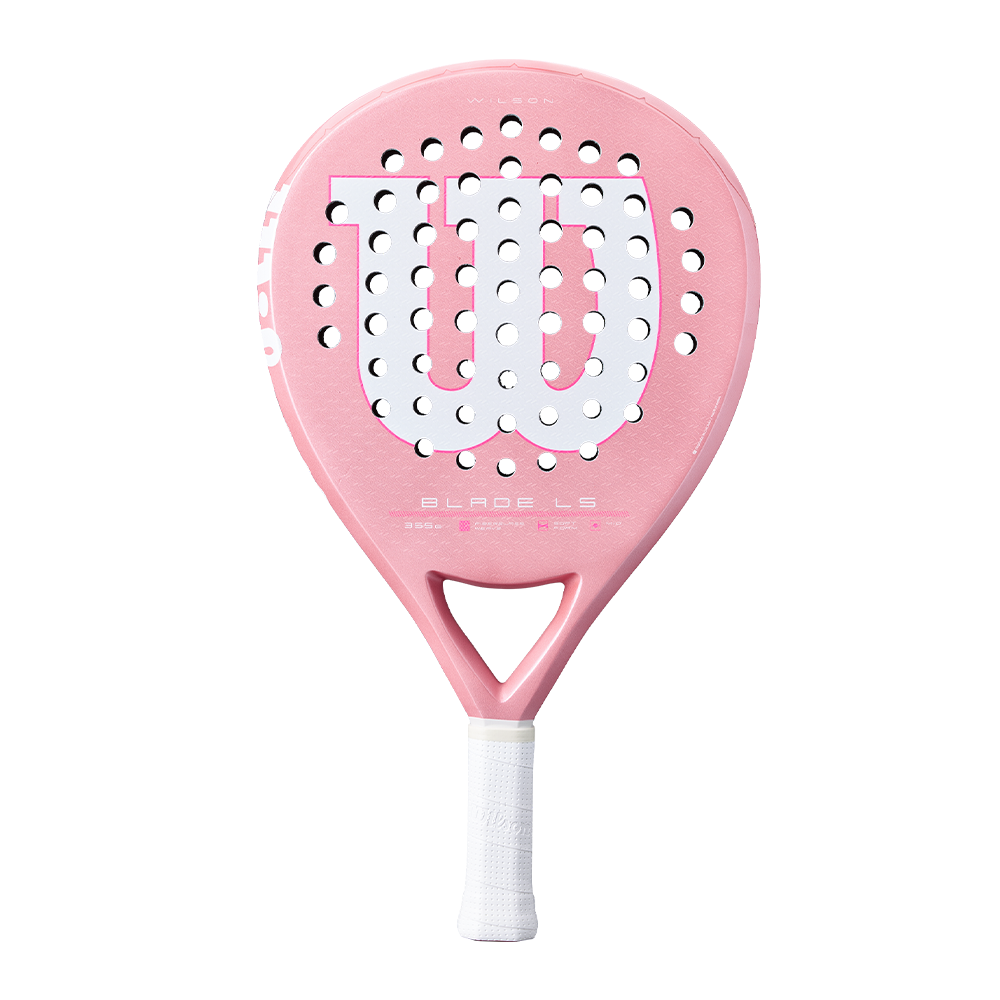
7.5Wilson Blade LS V4 2026 Pink
Wilson · 2026
Very quick hands at the net
Runs out of power on flat smashes
Mid RangeIntermediate
 7.5
7.5Defensive resets drop into the box instead of sitting up, which is what makes this racket worth its price for an improving intermediate. Buy it if you play twice a week, defend more than you attack and want a fresh arm at the end of the match. Skip it if your smash already lands, because the power ceiling arrives fast.

Developing all-court player focused on consistency and comfort
Always gets an "A" for effort from the coach. That tells you enough about his technique.
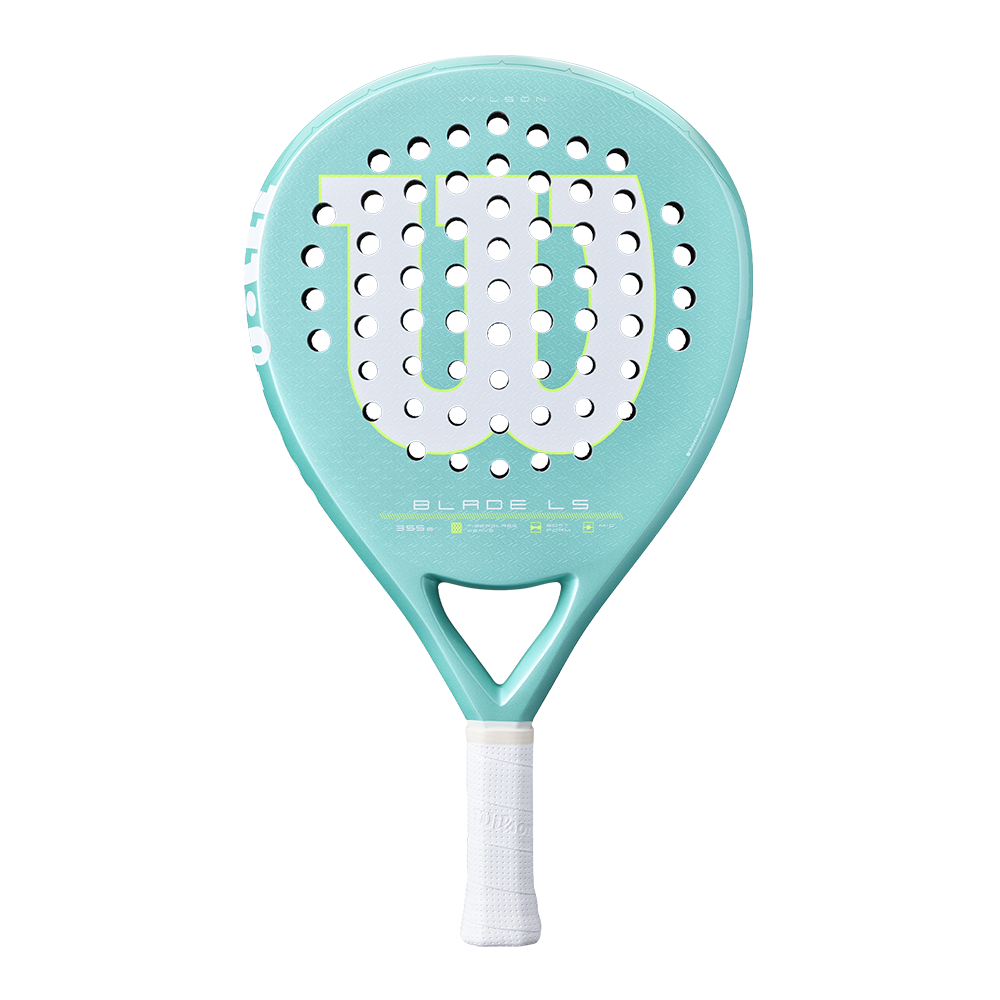
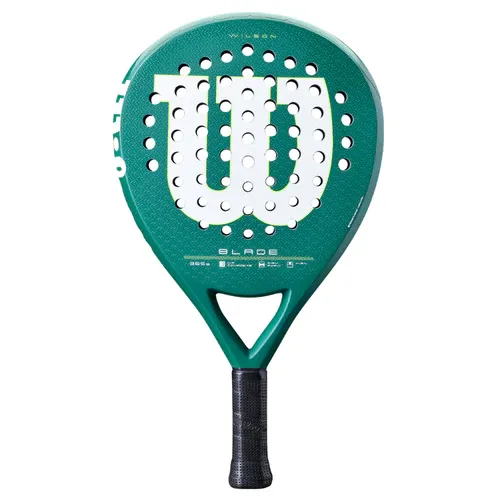
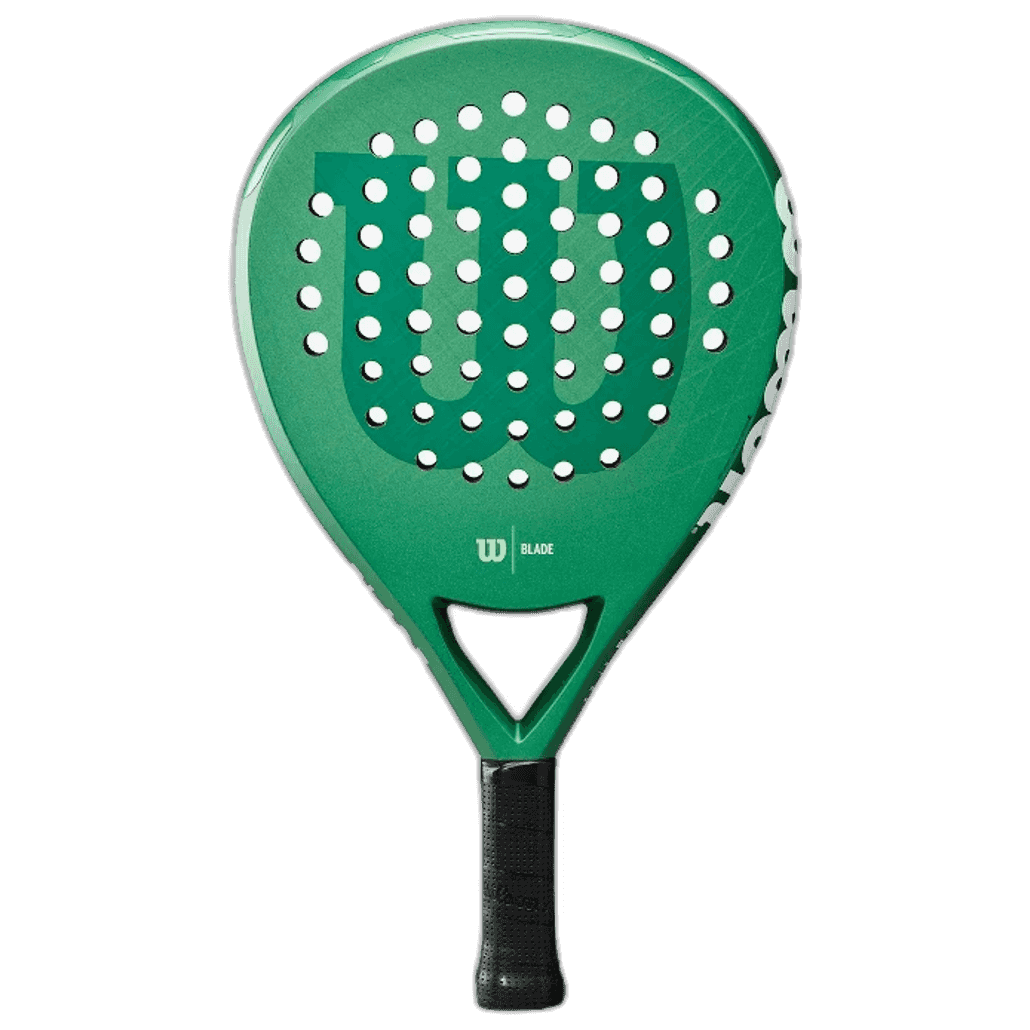
Wilson's Blade line has been running for four generations now, and for 2026 the range got simpler. Where the V3 came in three versions, the V4 arrives as two: the standard Blade V4 for players who can generate their own ball speed, and this Blade LS V4, the light, soft one. The green model is the same racket as the pink one, just a different cosmetic.
What changed this season is the core. Wilson replaced the old foam with Soft EVA Eco, a low-density bio-based rubber that holds the ball on the face slightly longer. You notice it straight away. The ball leaves more slowly and more gradually than it did on the LS V3, and off-centre contact stops being punished. That is the whole deal in one sentence: you trade the sharp, snappy ball exit for comfort and a much wider margin for error. At around 355g with an even 260mm balance and a fiberglass weave face, it is built to be easy rather than fast.
One thing worth flagging before you buy: several retailers list this racket with a carbon or 3K carbon face. Wilson's own launch material and the specialist coverage both say fiberglass weave over a soft core, and the way the racket plays backs that up. If a shop tells you it is a carbon racket, they have copied the standard V4's spec sheet.
What the Reviewers Say
There is unusually little disagreement here. Everyone who has hit with the LS V4 lands on the same three words: light, soft, forgiving.
Stephane Penso spent several weeks with Wilson's 2026 range for Padel Magazine and put the LS at the extreme end of the family's usability: "The LS V4 pushes manoeuvrability further still, and it is extremely kind on the arm, while keeping the family signature: good everywhere, bad nowhere." He is also the clearest on what the new core actually does, describing a longer contact time that trades the very sharp ball exit for a more progressive energy release.
Padel Tonic tested both Blades back to back and were blunt about the cost of that choice: "Raw power was harder to come by, but ball placement was consistently accurate." They singled out defence, and specifically low balls that need a fast grip change, as where the LS felt best.
Rodrigo Vazquez Alvarez covered the launch for Padel Addict and framed the LS as a deliberate comfort build rather than a cheaper Blade: "the lightened version of the range, designed to put handling, comfort and protecting the joints first." His spec numbers, 355g and a 260mm balance, are the ones that match Wilson's own.
The video side agrees. Fun Padel Shop, reviewing the standard V4, sent viewers to the LS for a specific reason: "The LS is lighter, softer and easier to swing, which makes it the one for players who put comfort and manoeuvrability first."
Tennis Warehouse Europe's testers were the most enthusiastic, calling it "one of the most user-friendly rackets we have tested this year", while noting in the same breath that it is not built for explosive finishing shots.
Where opinions split is how much that missing power actually costs you. Penso treats the softer exit as a fair and even clever trade. Padel Tonic treats it as a real limit you will run into. Both are right, and which one applies depends entirely on whether you are currently winning points at the net.
How it plays..
The forgiveness here is genuine, not marketing. A flexible fiberglass face over a soft eco core gives a wide, predictable hitting area, and a mishit on a defensive ball still comes back deep instead of dying in front of the net. The limit sits on the other side of the court: once a smash becomes reliable, the racket stops adding anything to it, and that ceiling arrives well before the comfort wears off. It is the right buy for one or two seasons of improvement, not for the season after that.
Defense
This is the strongest part of the racket. There is very little mass to move, so on a ball coming hard off the back wall the face is already in position instead of arriving late. The soft core takes the sting out of a block, which is why resets drop into the box rather than sitting up for the volley. Lobs come out deep on a normal swing, without forcing. Padel Tonic's note about low balls needing a quick grip change fits exactly: at 355g the racket is never the slow part of the movement.
Attack
The honest weak spot, and the same property causes it. The gradual ball release that makes defence easy works against you overhead: the ball leaves slowly and every bit of pace has to come from your arm. Bandejas and viboras are fine, better than fine, because the 3D textured face grabs the ball and the Duo Grid drilling opens up the top of the face. But a flat put-away off a high ball is not this racket's shot, and no amount of technique makes it one. Players who finish points early want the standard Blade V4.
Netplay
Quick hands are easy. The light head gets to a reflex volley in time, and the soft core absorbs a hard-driven ball so the block stays low instead of popping up. The rough surface helps on sliced volleys and on holding a vibora down. The trade is that a punch volley intended to end the point needs real arm behind it, because the frame contributes almost nothing.
Our Advice for New Players
A good first serious racket. The wide sweet spot and the vibration damping mean bad contact is neither painful nor automatically a lost point, and 355g will not wear out an unconditioned arm across two hours. The one caution is price: at the 160 euro list price there are cheaper rackets that do the beginner job just as well, so wait for a discount. Street prices have already dropped well below list.
Our Advice for Intermediate Players
This is the target buyer, and the fit is good. Intermediates who play twice a week, defend more than they attack, and want a racket that does not punish a technique still under construction will get a lot out of it. One group should think twice: if your smash is already landing and you are winning points at the net, you will outgrow this racket inside a season and end up buying twice.
Competitive level
Not the right racket, with one exception. Advanced players generate their own pace and want a firm, predictable response, and the LS V4 offers neither. The exception is the advanced player managing elbow or shoulder trouble who needs a comfortable frame to keep playing matches on, and for that job it is one of the kinder rackets available at this price. Everyone else at this level should be looking at the standard Blade V4.
How It Compares
Against its predecessor, the Wilson Blade LS V3, the V4 is lighter by about 10 grams and noticeably softer. The V3 LS was the more responsive racket and gave more back on a firm swing; the V4 gives more back on a bad one. If you already own the V3 LS and like it, this is not an upgrade, it is a sideways move towards comfort.
The real decision is against the firmer Blade, of which the Wilson Blade V3 2024 is the closest thing in our catalogue. Pick the firm Blade if you can already produce your own ball speed and want a crisp, predictable exit to place it with. Pick the LS V4 if your priority is finishing the match with a comfortable arm and fewer unforced errors, and you are happy to construct points rather than end them.
Research & References
Our mission is to help you choose the right padel racket with clear, in-depth reviews that make it easy to level up your game. We start with official specs, then break down each racket’s key properties. Finally, we bring together trusted video and written reviews—summarised into one consistent, easy-to-read overview.
Drafted by Padelguru from the published expert tests and video reviews listed above, with Kaj Kloezeman's playing profile as an editorial lens, then reviewed and edited by Kaj. We did not play-test this racket ourselves: every on-court judgement here comes from those sources and from the verified specs.
Put the rackets you are considering side by side and keep the ones you play with in your collection.
Get the Padelguru app
Recommended for
Beginners and intermediates, either side of the court, who build points from the back and want comfort and forgiveness rather than power.
Skill level
Beginner, Intermediate, High Intermediate
Court position
Both sides, Backcourt, Net
Play style
Control, Balanced, Defensive, All-court
Best at: Maneuverability (8.9/10)
Average: 7.2/10
Fun Padel Shop: Wilson Blade V4 2026 review, the best control padel racket
Wilson Blade V4 padel rackets review
Shape
Teardrop
Weight
Light (341–355g)
Balance
Balanced (Even)
Touch
Soft
Core
Soft Eva Eco Foam
Surface
Fiberglass
Texture
3D Pattern
Year
2026
8 rackets with characteristics, performance and appeal close to the Wilson Blade LS V4 2026 Green.
7.5Wilson · 2026
Very quick hands at the net
Runs out of power on flat smashes
 7.6
7.6Wilson · 2026
Exceptional stability at the net
Limited ceiling on flat smashes
 7.5
7.5Wilson · 2025
Very large, forgiving sweet spot
Less feel and feedback than a full-carbon face
 7.5
7.5Wilson · 2026
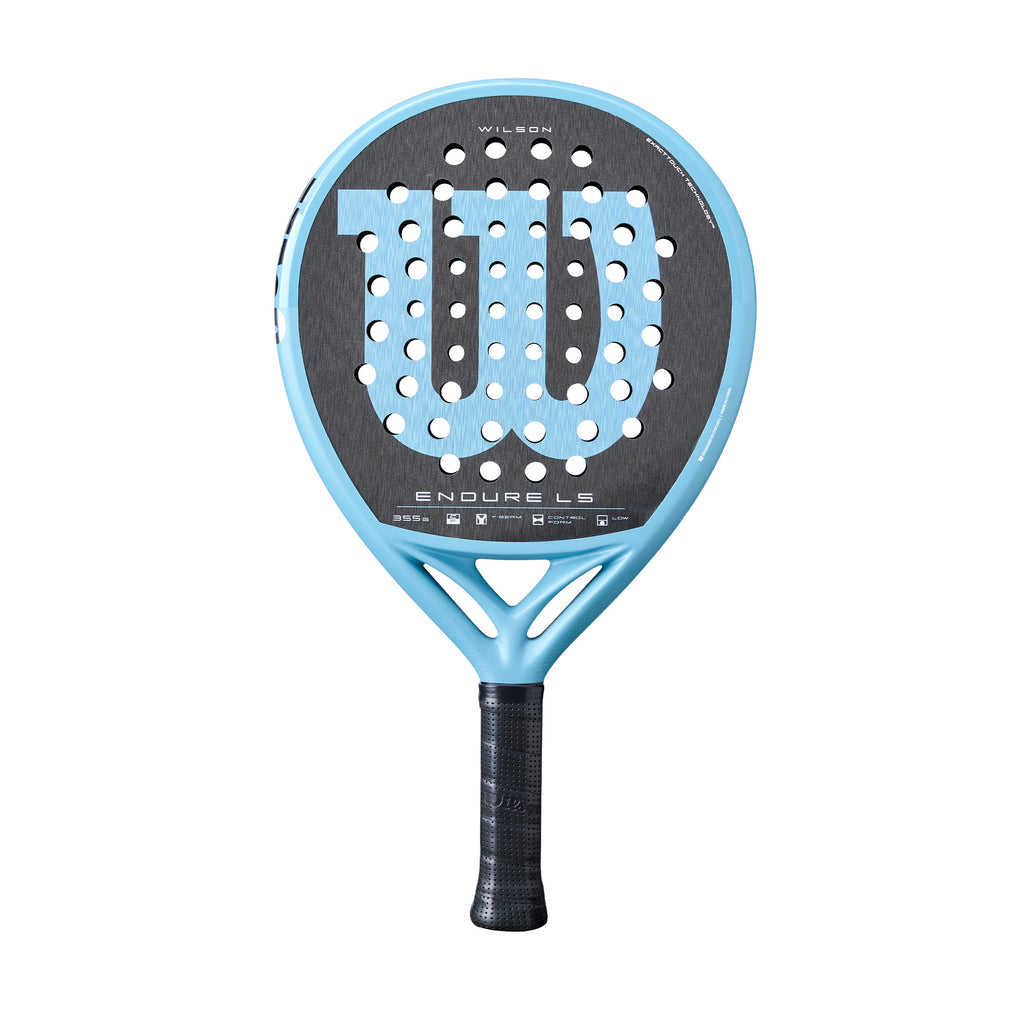
Exceptional maneuverability at 355g
Limited power output compared to sibling Endure V1
 7.6
7.6Wilson · 2025
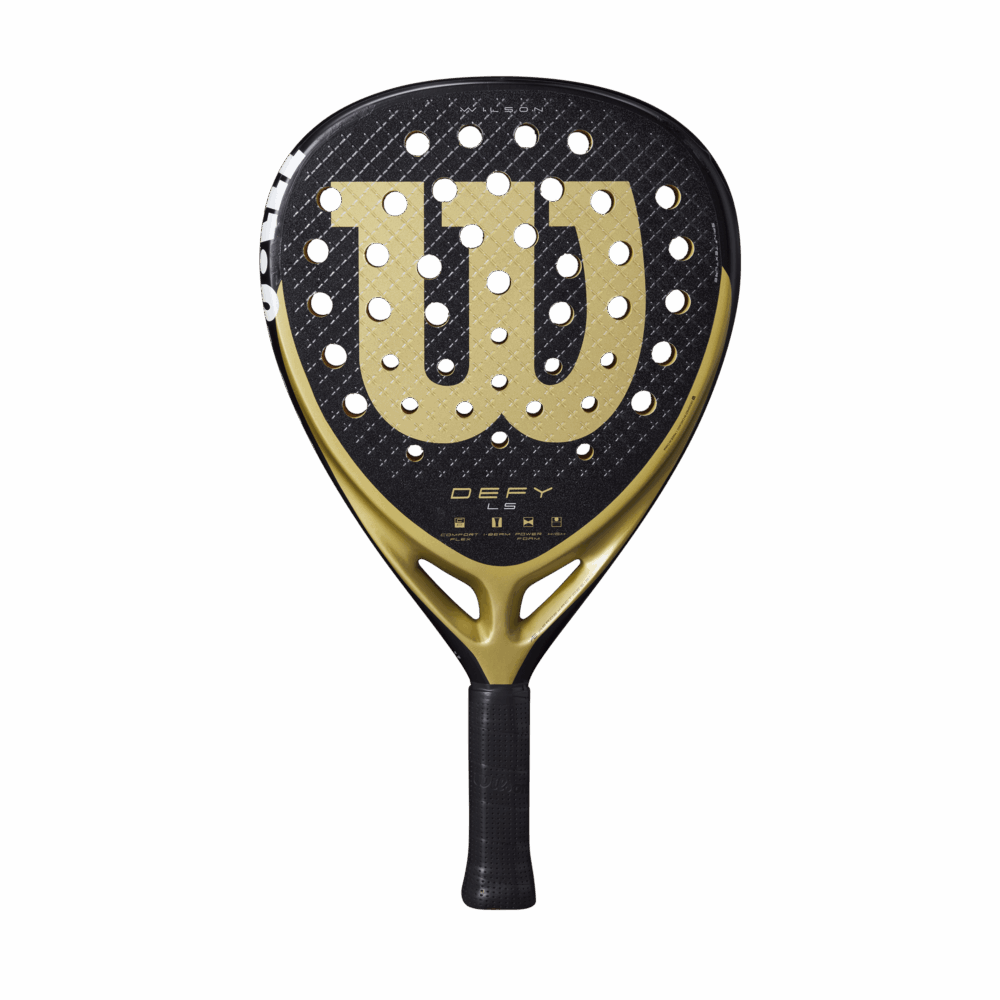
Swings far faster than a diamond should
Limited help on defensive resets
 7.8
7.8Wilson · 2024
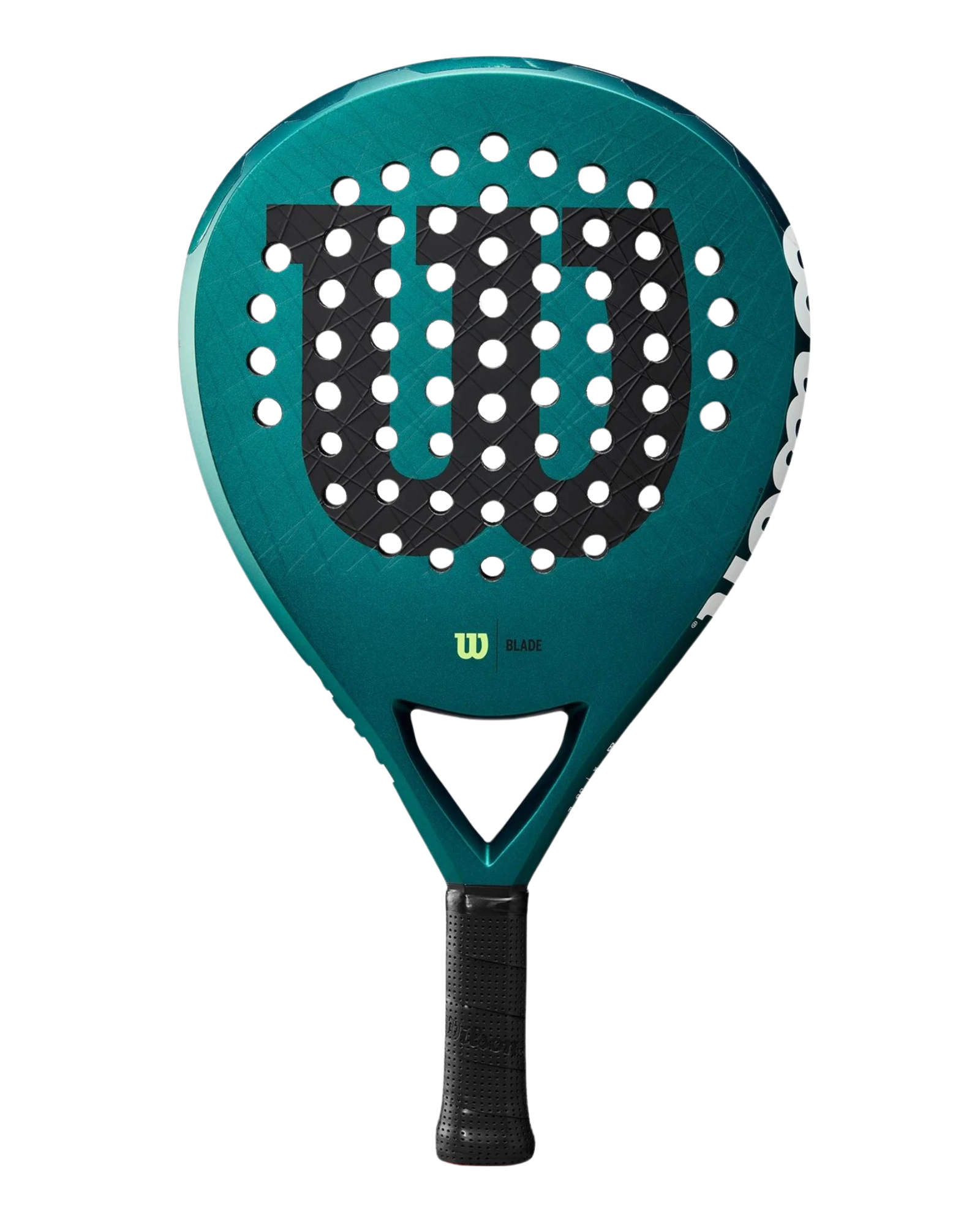
Generous sweet spot handles off-center contact well
Hybrid face absorbs energy on full-arm flat smashes vs. Blade Pro
 7.7
7.7Wilson · 2024
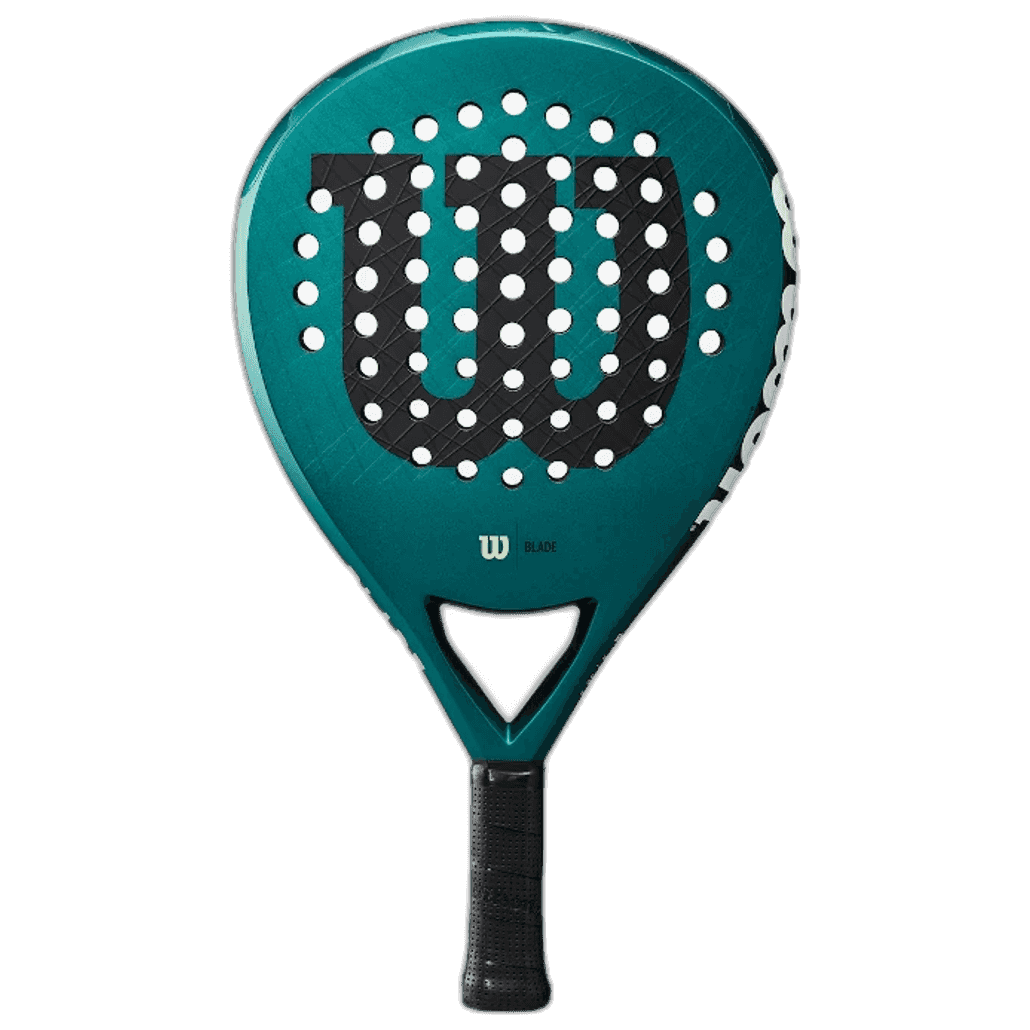
Stable against heavy pace at the net
Measures heavier than its stated 365g
 8.5
8.5Wilson · 2024
Excellent control and precision
Below-average power output for aggressive players
Want to explore more options?
Browse all rackets