
 8.6
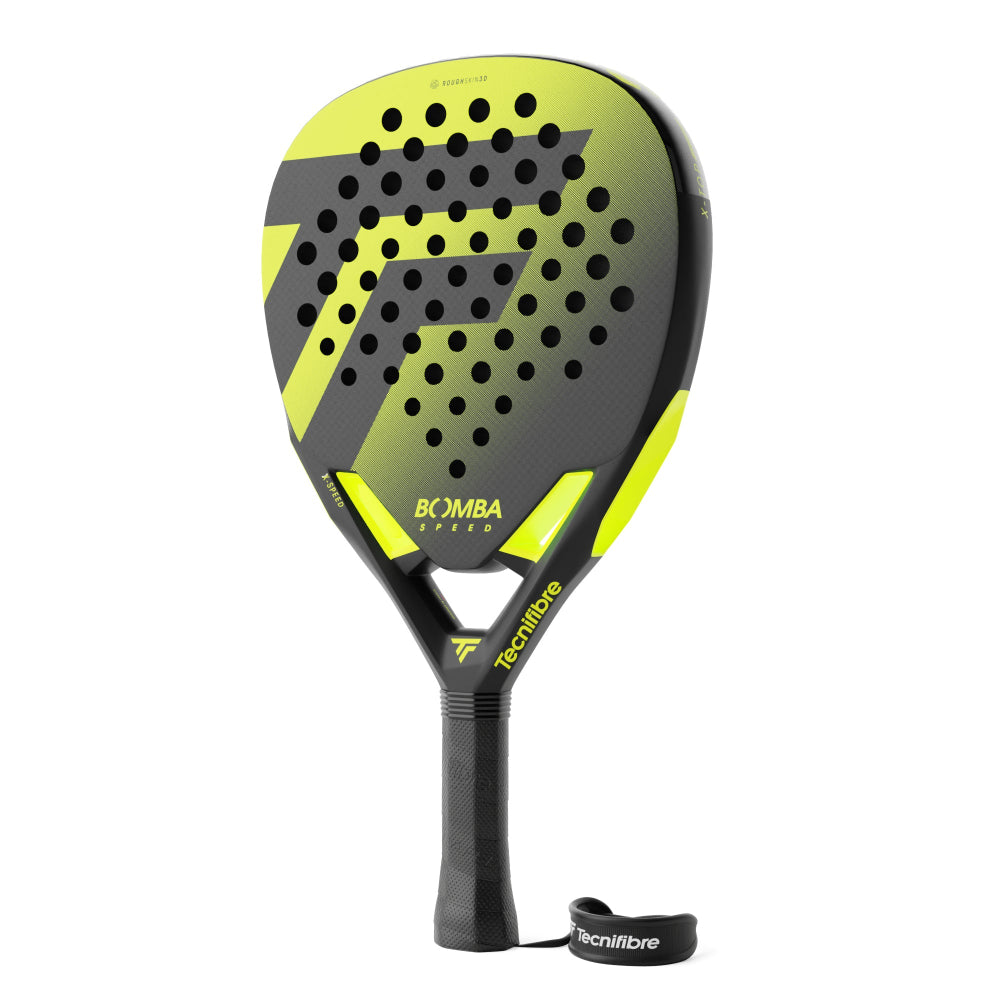
8.6Tecnifibre Bomba Speed 2026
Tecnifibre · 2026
Unusually large sweet spot for a diamond
Less top-end power than the Bomba Max
Mid RangeHigh Intermediate
 8
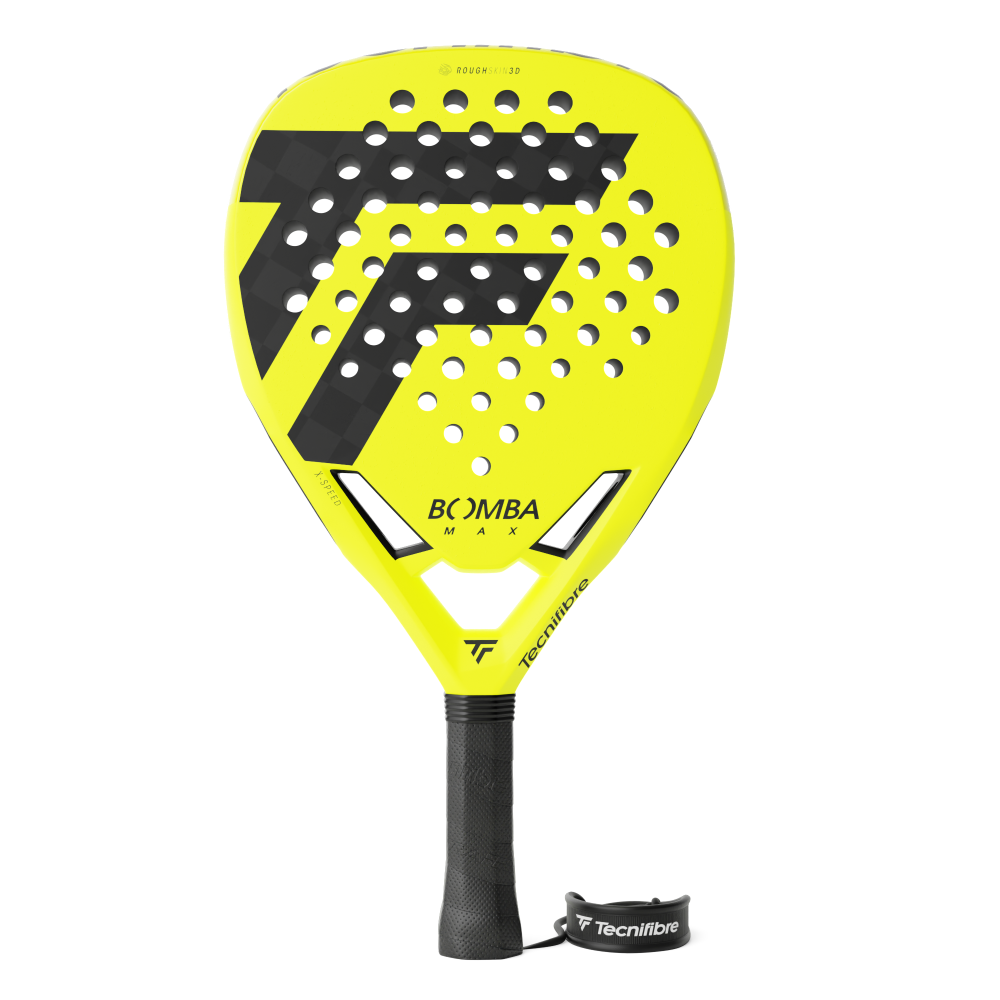
8The even balance and three layer core make this the rare power diamond you can still feel the ball on, which keeps the rally phase usable. Buy it if you finish points at the net and centre the ball cleanly. Skip it if you build from the back: defensive lobs and long exchanges are where the 365 grams cost you.

Tactical right-side player who builds points and reads the game
Tactical right side player who is not afraid of using every trick in the book to "disturb the rhytm" of the opponent.
The Bomba Max is the hardest hitting racket in Tecnifibre's new Bomba family, and the one the brand points at experienced players who want to end points rather than extend them. Tecnifibre came to padel from decades of tennis frames and strings, and the Bomba line is where that engineering goes looking for pace.
What actually matters this year is the core. Instead of one block of rubber, Tecnifibre stacks three layers of foam, a softer one in the middle between two firmer ones. That is what stops a stiff 18K carbon face from playing like a plank. The second thing worth knowing is the balance: it sits around 265 mm, which counts as neutral at most brands, so the mass is spread through the whole frame rather than piled into the head. It weighs 365 grams and you feel that, but it does not tip forward the way a classic power diamond does.
The Bomba range is new for 2026 and sits above Tecnifibre's all round Wall Master and the control focused Curva. Against the Curva the hitting area grows by roughly 7 cm², which is Tecnifibre's answer to the usual complaint about diamond frames. At €175 to €270 depending on the shop, it lands under the signature pro rackets it competes with.
What the Reviewers Say
Four testers who actually hit with it agree on the headline and split on the details.
On power, nobody argues. Stéphane Penso of Padel Magazine put it plainly after testing the range: "The ball does not sit on the face, it comes off with immediate weight. This is the model that loses the least energy on the big shots." Léo MS reached the same place from the other direction, calling it "a weapon you should not put in just anyone's hands, but used well it does a lot of damage."
The split is over how forgiving it really is. Fabio Ferro weighed his sample at exactly 365 grams and came away positive about the contact zone: "The dry feel comes with a sweet spot that is almost medium, and that is reassuring. It is the plus over a lot of the competition." The player and coach panel at Padel Rankup went further, calling it "the biggest sweet spot on a diamond racket, with no tension at all in the elbow or the wrist." Léo MS was more cautious. He found the ball left the face quickly but that "you really have to centre it," and rated it less tolerant than a hybrid or a control frame.
Comfort is the other disagreement. Penso and the Rankup panel both credit the three layer foam with genuinely filtering vibration. PadelVerdict, working from specs rather than court time, scores comfort the lowest mark in the racket's whole profile and steers anyone with elbow history away from it. Both can be true: the foam takes the sting out of a clean hit, but an 18K carbon face at this stiffness still loads the arm across a long match.
Where they converge is the level. Ferro puts the floor at a strong intermediate, Penso warns that it "demands impeccable fitness and technique," and Léo MS places it with players already used to centring the ball on diamond frames.
How it plays..
The interesting thing about the Bomba Max is that it does not play like the category it belongs to. The even balance and the soft middle foam layer give it more ball output and more feel on slow balls than most diamond frames manage, which keeps the rally phase usable instead of something to survive. It still asks to be centred, though, and a player who constructs points from the back rather than finishing them at the net will spend more matches fighting the weight than being helped by it.
Defense
Defence is the honest weak spot, and every tester says so in some form. At full stretch against the glass, 365 grams and a high contact zone slow you down, and the stiff face leaves less margin on a block than a round frame would. Two things soften that. The soft middle layer lets the ball sit on the face for a moment on slower shots, so a reset drop is not a lottery. And Léo MS made a fair point that the weight up top makes you drop the racket head slightly without thinking about it, which actually helps dig low balls out of the corner. The defensive lob gives back least of all: you can hit it, but the height has to come from you.
Attack
This is what it was built for. The mass sits behind the ball instead of swinging past it, and on a smash the response is immediate and heavy, with nothing soft in between contact and departure. The Rough Skin 3D sandblasted finish grips enough that a kick smash and a bajada both bite rather than skid. The demand is honest: you have to bring the swing. It gives nothing to a lazy arm, and the reward lives in the top of the hitting zone, not the middle.
Netplay
At the net it is better than its weight suggests and worse than a teardrop. The X-Speed vents genuinely cut drag through the air, so the swing is faster than 365 grams reads on paper, but in a quick exchange you notice the mass the moment you have to change direction late. The bandeja and the víbora are its strong suit: enough weight to hold the face steady, enough surface grip to shape the ball down. Soft volleys and drop shots come off better than expected, and that is the core doing the work, not the shape.
Our Advice for New Players
No. The contact zone is high, the face is stiff, and 365 grams punishes a swing that is not yet repeatable. A beginner will send balls long or lose them in the frame and will learn less than with a round, softer racket. Start round, come back to this in a few seasons.
Our Advice for Intermediate Players
Only at the top end. Fabio Ferro puts the floor at strong intermediate, which is fair if you already centre the ball on a diamond and have the arm to swing through it. If the contact point is still moving around, or you play three or four times a week and feel it in the elbow afterwards, the softer Bomba Soft or a teardrop does the same job at a lower cost.
Competitive level
This is the target. Advanced attackers who finish at the net get real pace, a wider hitting area than most diamonds give, and a price well below the signature pro frames it sits against. The one group that should think twice is advanced players whose game is built on retrieving, resetting and long baseline exchanges. Control and comfort are the lowest marks in its profile, and no amount of foam changes what a stiff diamond asks of you at full stretch.
How It Compares
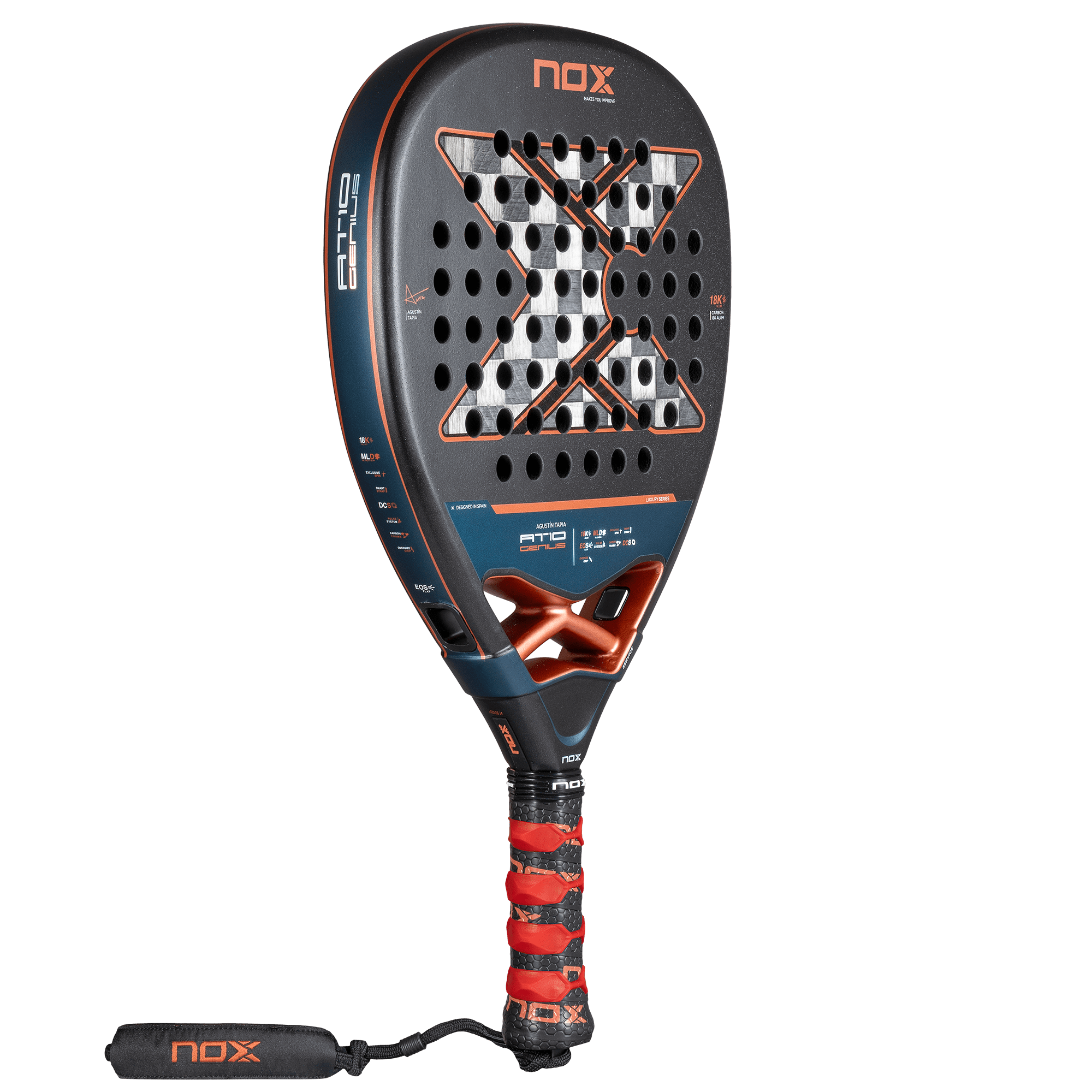
Against the Nox AT10 Genius Attack 18K Alum 2025, the Nox is the more head heavy, more punishing frame, with a higher ceiling on the smash and a tuning system to shift the balance. Take the Nox if you want maximum leverage and will pay for it. Take the Bomba Max if you want most of that power in a frame that is easier to carry through three sets.
Against the Nox ML10 Luxury Shotgun 18K 2024, the ML10 is the safer buy for a player moving up into power: more forgiving, more manoeuvrable, less demanding on contact. The Bomba Max hits harder and feels more direct, but asks for cleaner timing to get there.
Research & References
Our mission is to help you choose the right padel racket with clear, in-depth reviews that make it easy to level up your game. We start with official specs, then break down each racket’s key properties. Finally, we bring together trusted video and written reviews—summarised into one consistent, easy-to-read overview.
Drafted by Padelguru from expert video and written reviews, with Lars Kloezeman's playing profile as an editorial lens, then reviewed and edited by Lars Kloezeman. Specs were checked against Tecnifibre's own product page. Nobody at Padelguru has played this racket, so nothing here is presented as a first hand play test.
Put the rackets you are considering side by side and keep the ones you play with in your collection.
Get the Padelguru app
Recommended for
Advanced attackers on either side who swing through the ball and close points at the net, with a solid arm and a repeatable contact point.
Skill level
High Intermediate, Advanced, High Advanced
Court position
Both sides, Net, Backcourt
Play style
Power, Offensive
Best at: Offense (9.0/10)
Average: 7.7/10
Leo MS (Padel): Je teste la Tecnifibre Bomba Max
Fabio Ferro: E una BOMBA?? Tecnifibre Bomba Max Short Review
Shape
Diamond
Weight
Medium (356–370g)
Balance
Balanced (Even)
Touch
Medium Hard
Core
Multi Soft Foam, Three Layer Polyethylene Foam
Surface
18K Carbon
Texture
3D Pattern
Year
2026
8 rackets with characteristics, performance and appeal close to the Tecnifibre Bomba Max 2026.
8.6Tecnifibre · 2026
Unusually large sweet spot for a diamond
Less top-end power than the Bomba Max
 7.7
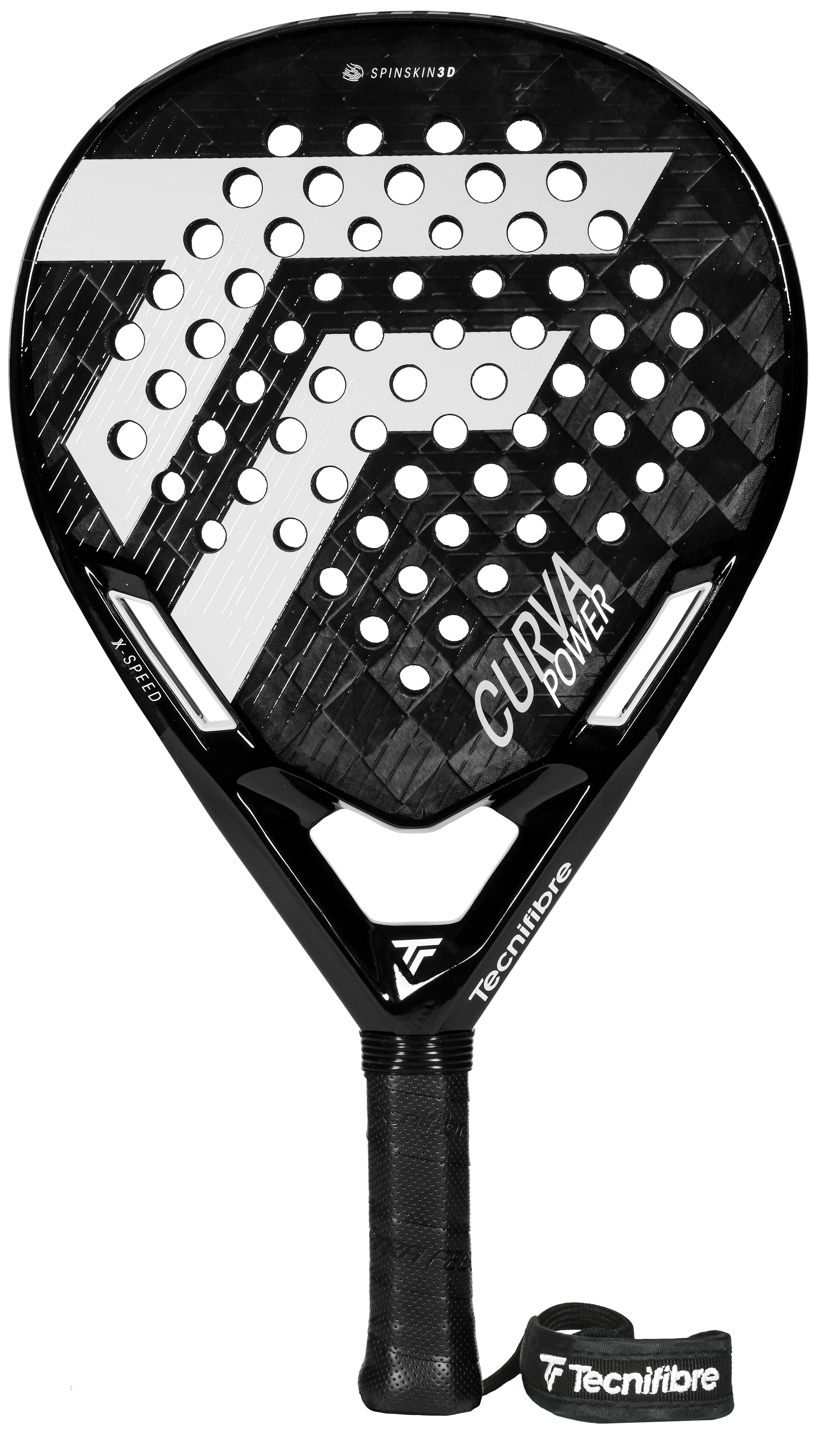
7.7Tecnifibre · 2026
Easy depth without a full swing
Control is the weakest part of the package
 8.3
8.3Nox · 2025
Heavy, direct smash on a full swing
Small sweet spot sitting high on the face
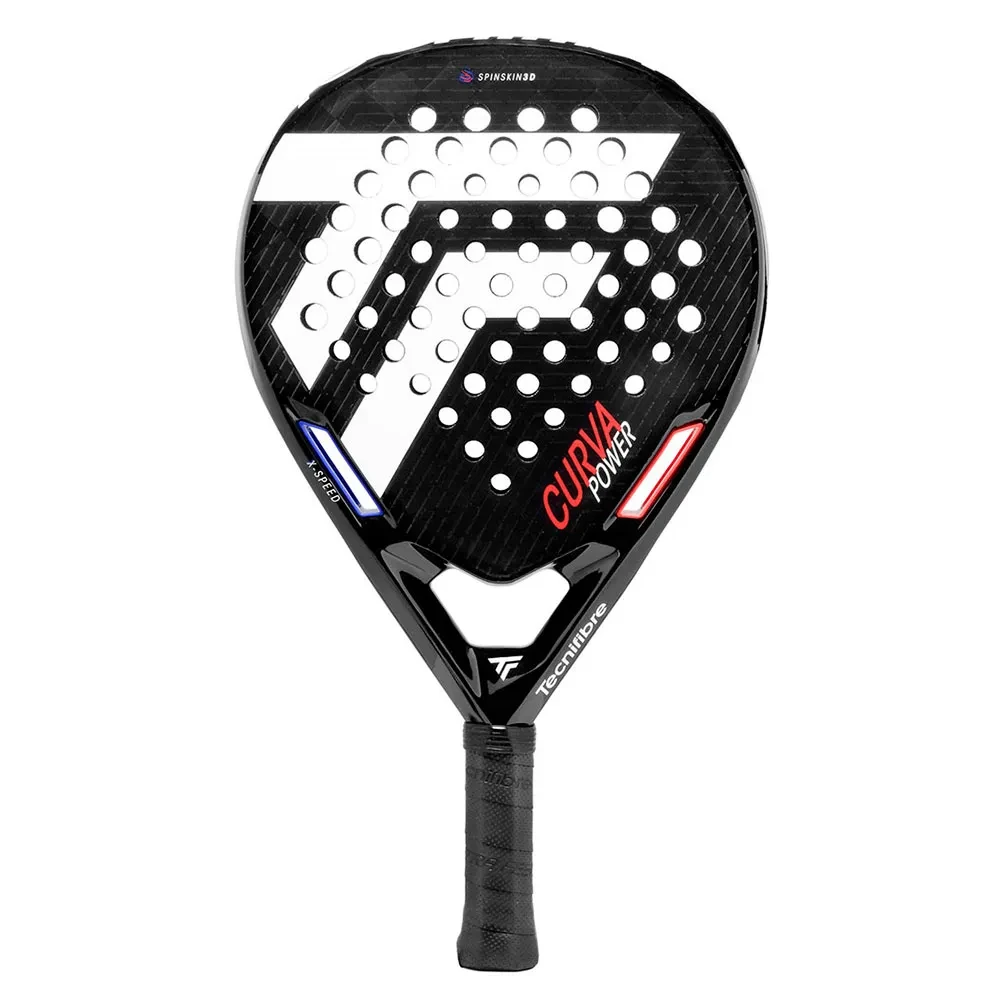 8.3
8.3Tecnifibre · 2025
Excellent explosivity with 18K carbon frame
Mid-range weight may be heavy for some players
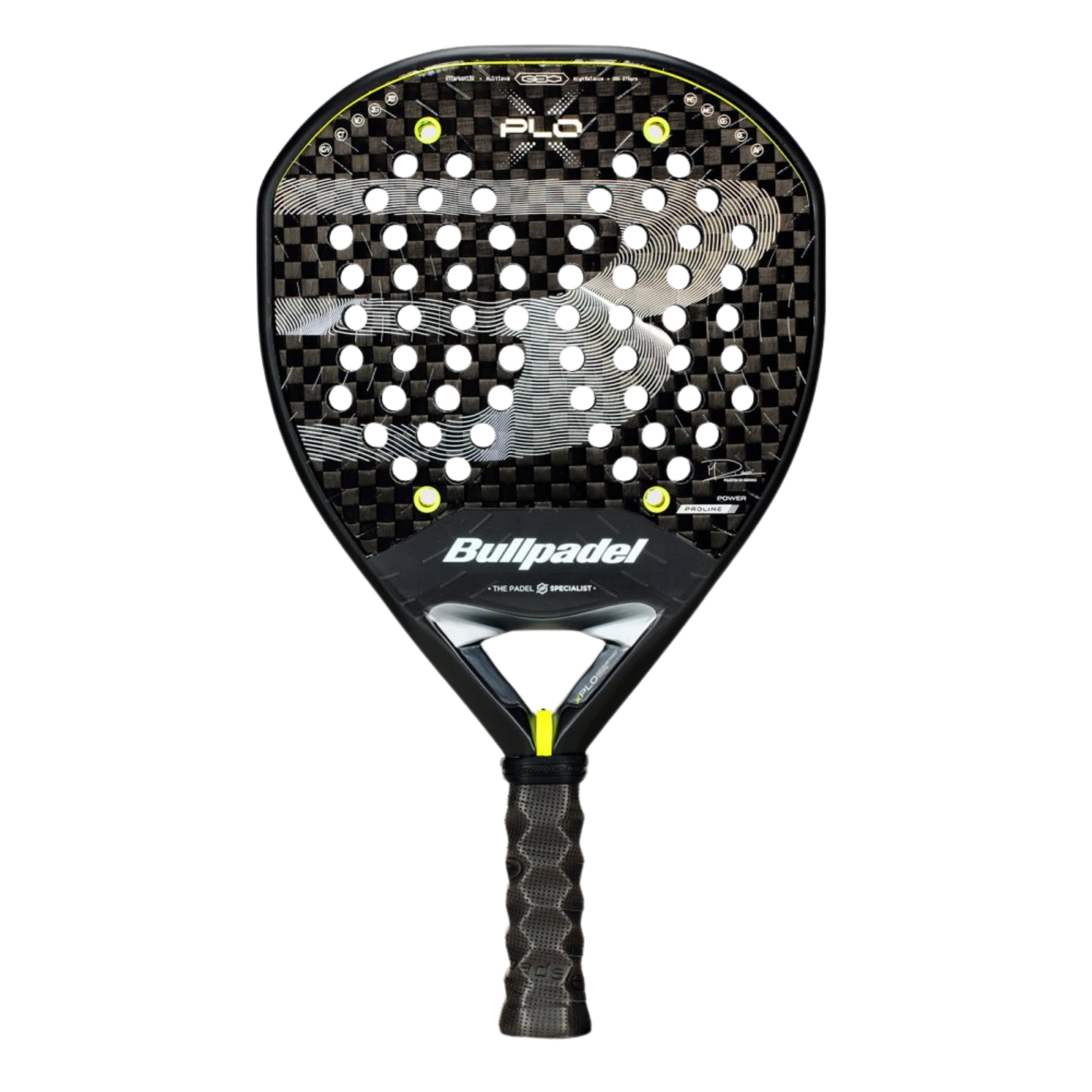 8.4
8.4Bullpadel · 2026
Heavy, flat pace on smashes
Hardened centre punishes off centre hits
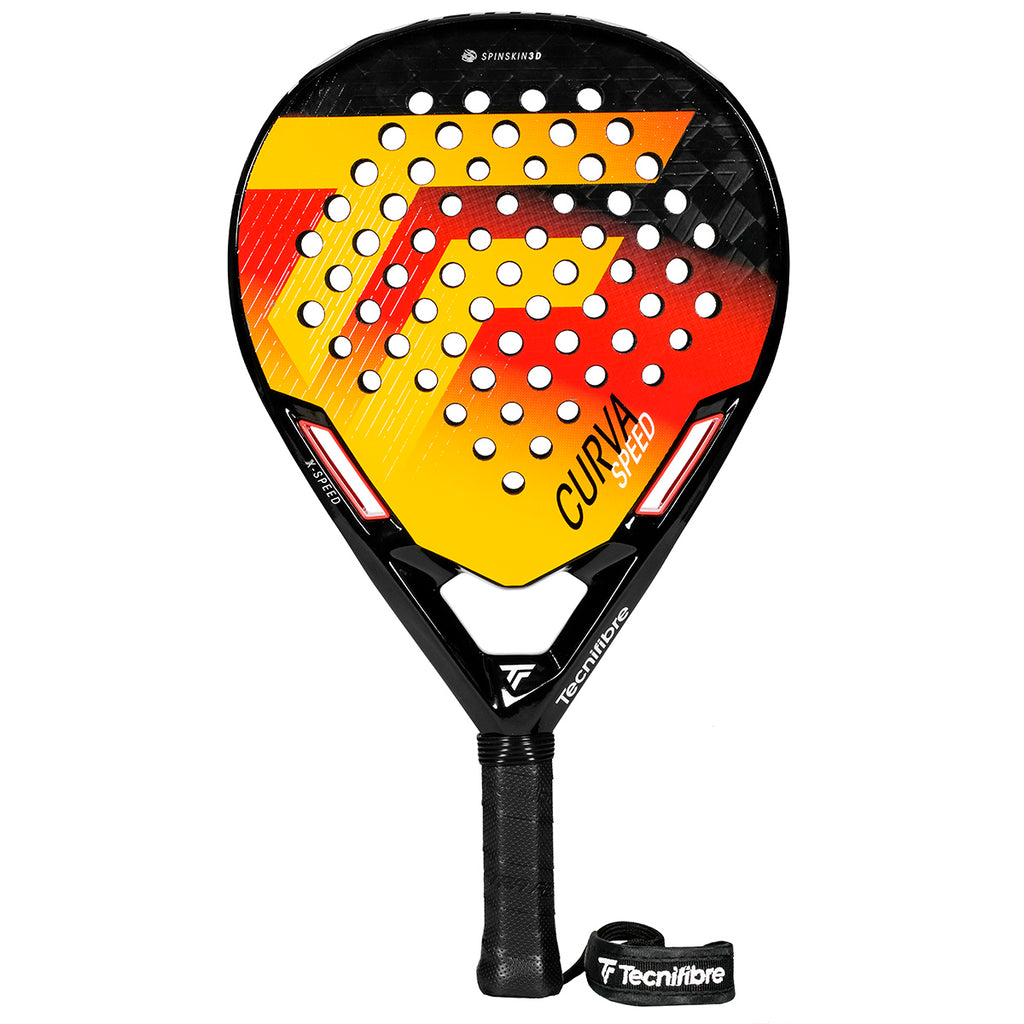 8.1
8.1Tecnifibre · 2026
Very fast through the air at the net
Modest ball output on its own
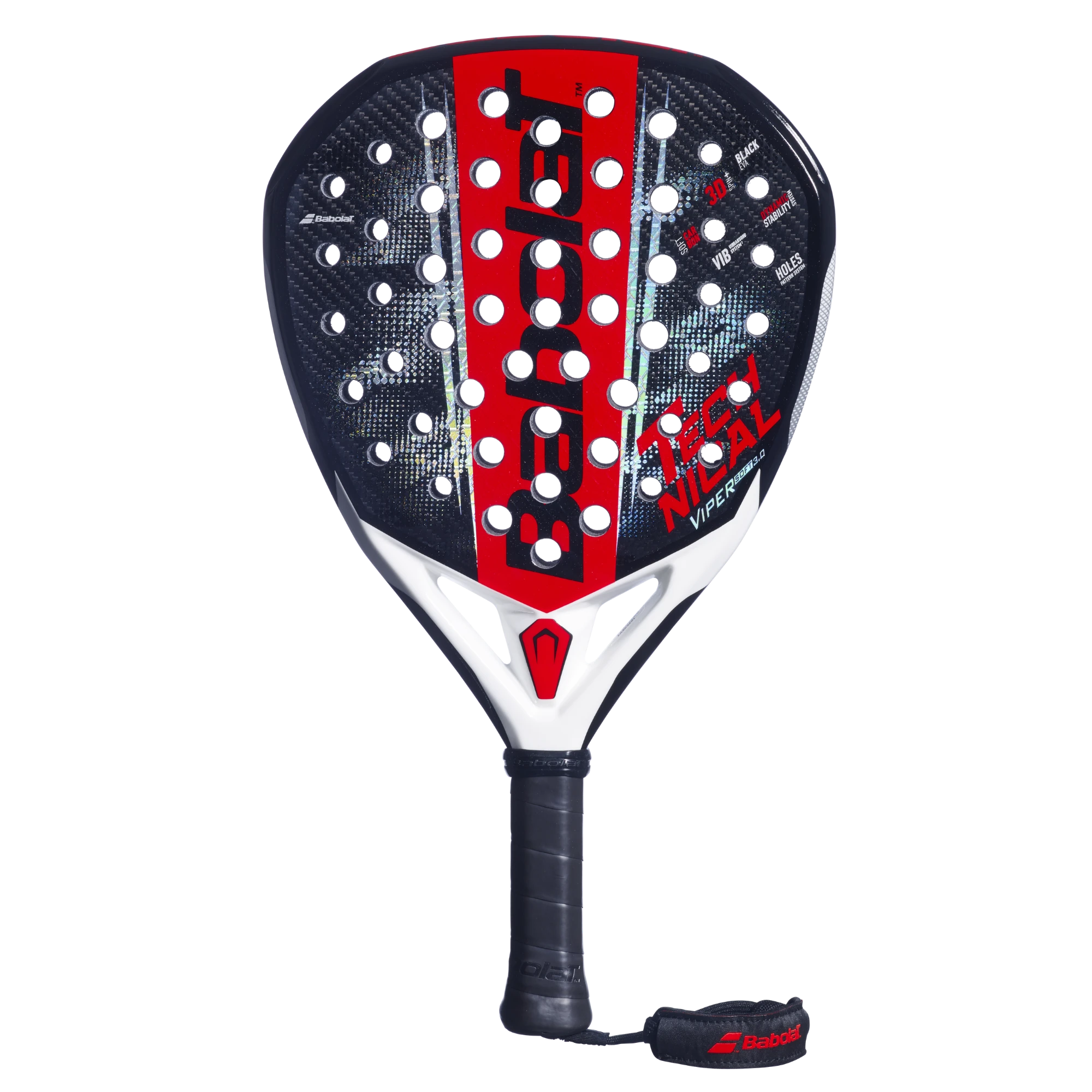 7.5
7.5Babolat · 2026
Predictable, consistent ball exit
Compact sweet spot punishes late timing
 8
8Babolat · 2026
Explosive power on smashes and viboras
Small sweet spot demands precise technique
Want to explore more options?
Browse all rackets