
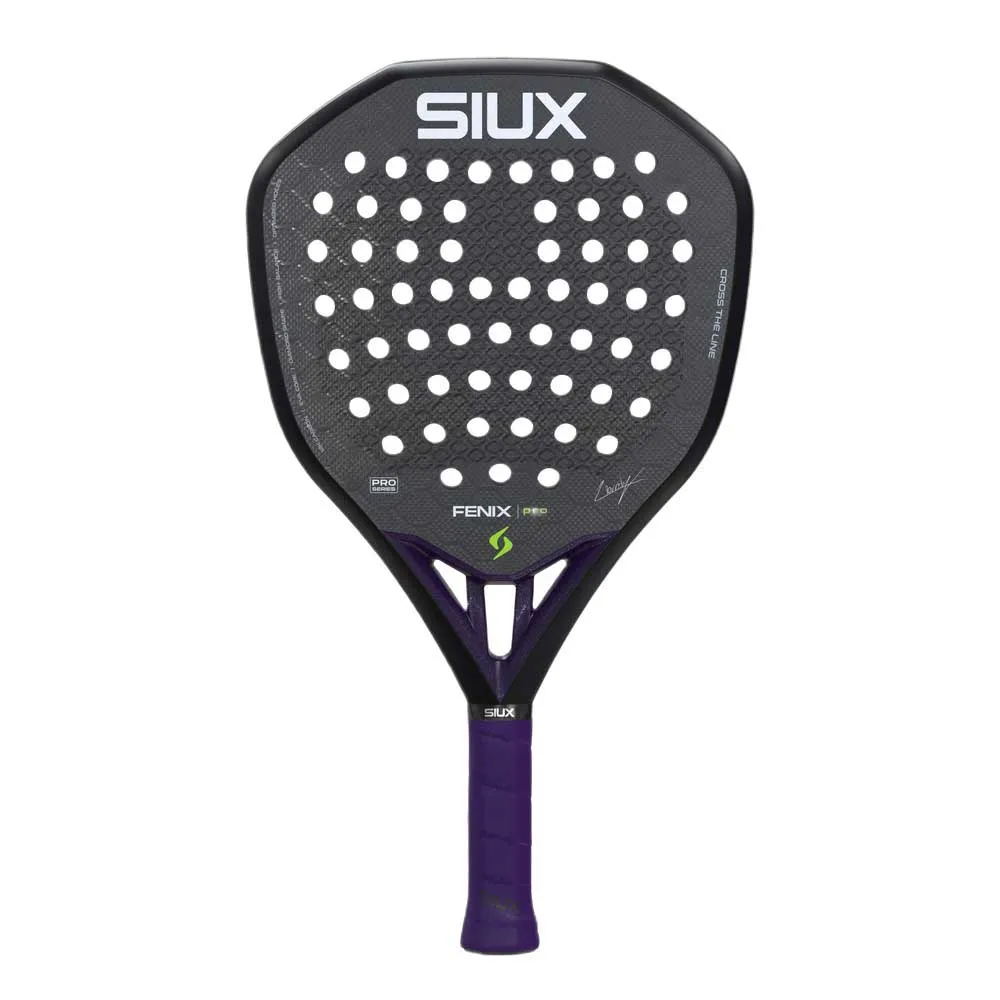
 8
8Siux Fenix Pro 2026 Glow Purple
Siux · 2026
Exceptional smash and overhead power
Compact sweet spot punishes off-centre hits
PremiumAdvanced
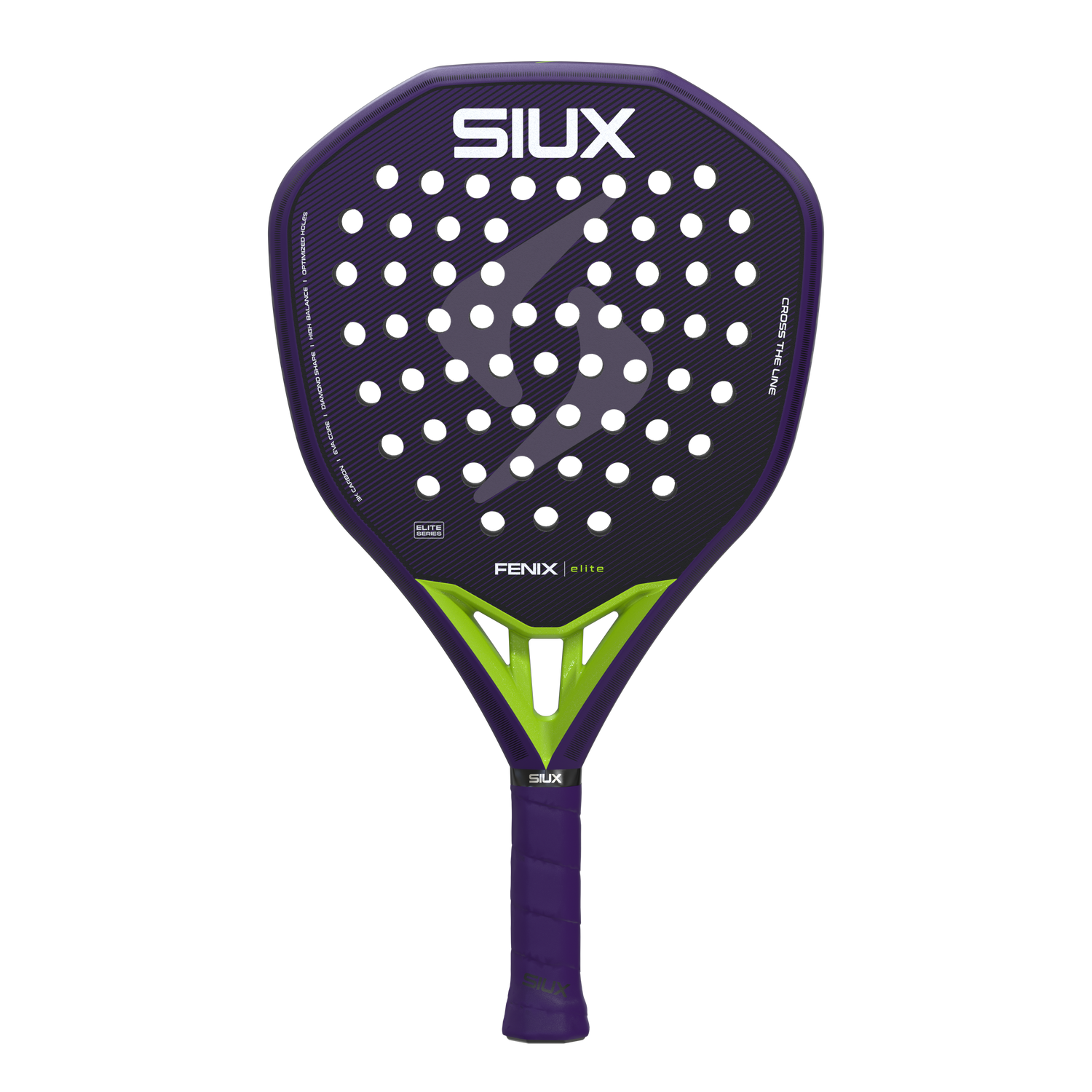 7.5
7.5The Fenix Elite 2026 is built for attacking players who want real ball speed on smashes and viboras without stepping up to a full pro-spec frame. It rewards decisive, forward-hitting technique, but the head-heavy balance means defense and quick net exchanges demand more from you physically. Control players and right-side all-rounders will find it tiring over a full match.

All-court player who prizes control, feel and spin
Bowe is convinced that the racket, shoes, court are the problem, never his own abilities.
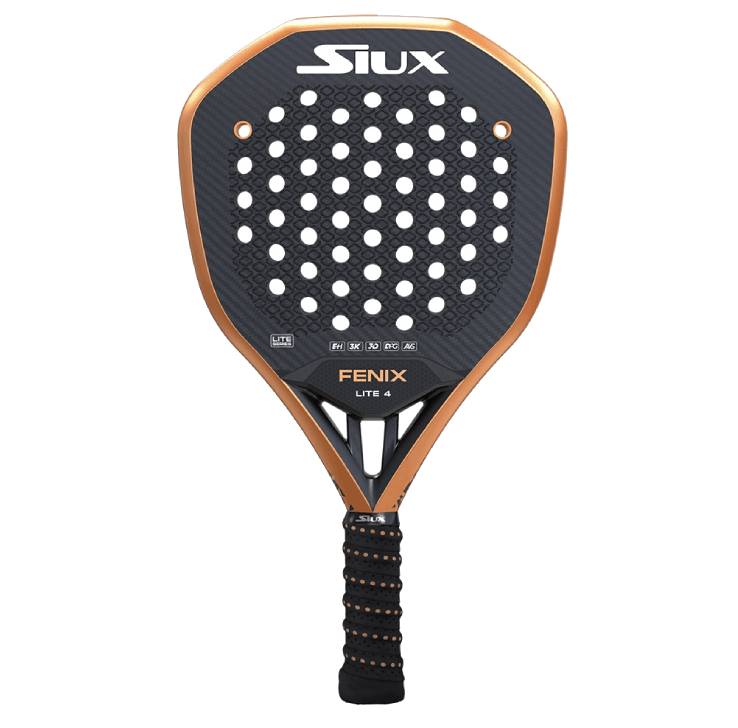
The Siux Fenix Elite 2026 sits at the attacking end of Siux's Elite range for 2026, one step below the Pro model in stiffness and one step above the versatile Pegasus and Electra options in outright power. It keeps the same geometric diamond mould as last year but makes two meaningful changes inside: the carbon face has dropped from 12K to 3K, and the surface texture has switched from a 3D pattern to a finer sanded finish. Both moves push the racket toward more reactive ball output and better spin grip. Specs are unchanged at 355–375g with a 27cm high balance and a 38mm profile. At around €269, it sits in the Premium tier, slightly below the Fenix Pro.
What the Reviewers Say
Dani 13, in a dedicated 19-minute on-court session, noted that the switch to 3K carbon made the 2026 edition noticeably more reactive than last year's model: "The ball comes off the face much faster. With very little effort it is already moving, which is a big help in attack, but you feel the ball less than you did with the 12K." He rated its firmness around 7 out of 10, a meaningful step above average. His strongest praise was for the overhead game: víbora, bandeja, and smashes all benefit from the high leverage the head-heavy balance creates. Defense and fast net exchanges were where he struggled most, finding the racket heavier to move than comparably stiff alternatives.
Fabian Chozas on Mercado de Padel compared the full 2026 Siux lineup and placed the Fenix Elite clearly in the attacking corner of the range: "With little force the ball runs, it has good ball exit. But this one is like a hammer in the back, it demands more at the baseline." He confirmed the 3K carbon gives it a harder, drier feel than the softer options in the lineup, and recommended it specifically for players comfortable with a high-balance setup.
Padelful's written test found the racket "asks for proper technique without turning into a chore. The contact is crisp enough for aggressive shots, but not so rigid that every ball feels dead." They highlighted net play as a particular strength, noting volleys come off with good pace and stability, while flagging maneuverability as the main limitation in fast defensive exchanges.
World of Padel's technical review described a "clean, dry, and defined" contact point that suits flat shots, bandejas, and high-speed volleys, but noted that "late preparation punishes you, as the extra head weight makes angle adjustments harder." They gave its sweet spot credit for being more generous than typical diamond rackets in the segment.
How it plays..
The Fenix Elite 2026 is an honest attacking tool. The 3K face and high balance do exactly what they promise: the ball goes fast and goes far when you hit clean and in front of the body. What it trades away is feel. Compared to last year's 12K version, contact feedback is sparser, so precise placement from defence or soft volleys becomes less natural. For control-oriented players who like to read the ball through the face, that gap is real. But for someone who structures points around the aerial game and can live with a firmer touch, the improvements in ball speed and spin grip are genuine.
Defense
Defense is where this racket shows its limits. The 369g test unit Dani 13 played with, paired with a 27cm balance, made it noticeably harder to get the tip around quickly on forced balls. At medium-to-low pace, the reactive 3K face does help ball exit, so passive blocks still clear the court, but you will notice off-centre hits more than you would on a softer frame. Lobs under pressure need deliberate technique, and the glass recovery game suffers if preparation is even slightly late. If a full match includes long defensive stretches, arm fatigue is a real factor.
Attack
Smashes are a clear strength. The head-heavy balance creates natural lever-arm momentum and the 3K face amplifies exit speed, so the ball climbs and travels with noticeably less physical effort than the previous year's model. Dani 13 specifically noted that cold-ball smashes, usually the hardest test for any racket, produced a better response than the segment average. The sanded surface grips the ball through contact, adding bite to topspin smashes and kick bounces. The trade-off is that if you miss the sweet spot, the 3K construction is less forgiving than a 12K face and off-centre hits drop pace faster.
Netplay
Net play sits in the middle: excellent when you are on time, demanding when you are not. Dani 13 described a love-hate relationship at the net: balls pushed firmly in front reach depth easily, blocks come off well, and the racket is less prone to sending volleys into the glass than a fully stiff frame. But direction changes and fast chiquita exchanges require good footwork and timing, as the extra inertia at the head can leave the tip marginally behind. Bandejas are a highlight: the high balance pulls the head through the swing arc cleanly and the sanded surface keeps the ball gripped through the lift. Víboras at the same tempo benefit from the same mechanics.
Our Advice for New Players
Not recommended. The head-heavy balance and firm response demand consistent technique and physical conditioning to control through a full match. A beginner would struggle to manage the swing weight, and the limited feedback makes it hard to develop feel early on. Look at a round or teardrop shape with a medium-soft core instead.
Our Advice for Intermediate Players
Only for strong intermediates who already hit with clean, compact technique and want to step toward a more offensive frame. PadelPROShop and Extreme Tennis both classify it as intermediate-to-advanced, but note it demands more than most mid-level players are ready for. If you still lose points from the baseline due to inconsistent timing, this is not the right choice yet.
Competitive level
This is the target player. Advanced left-side attackers who like to end points with overhead aggression, speed the ball up at the net, and can handle a firm, head-heavy frame across a full match will get the most from it. Advanced right-side players should consider whether they want to be restricted defensively and whether the limited ball feel in fast volley exchanges suits their game. Dani 13 explicitly recommends it more for left-side players given where it shines (aerial game) and where it struggles (defense and net speed).
How It Compares
Vs the Siux Fenix Pro 2026: The Pro is stiffer, more demanding, and even more power-biased. The Elite is the correct choice for players who want serious attacking output but find full Pro-tier frames too punishing on the arm over a long session. Reviewed separately on Padelguru.
Vs the Siux Electra Elite 2026: The Electra Elite sits in the multipurpose slot within the Siux range, with a more balanced balance point and easier maneuverability. Players who want to cover the court comfortably from both sides and are not exclusively overhead-focused should choose the Electra Elite. For pure attackers, the Fenix Elite wins on smash speed and vibora punch.
Research & References
Our mission is to help you choose the right padel racket with clear, in-depth reviews that make it easy to level up your game. We start with official specs, then break down each racket’s key properties. Finally, we bring together trusted video and written reviews—summarised into one consistent, easy-to-read overview.
Drafted by Padelguru from expert video reviews with Bowe's playing profile as an editorial lens, then reviewed and edited by Bowe.
Put the rackets you are considering side by side and keep the ones you play with in your collection.
Get the Padelguru app
Recommended for
Advanced attacking players, preferably left-side, who build points by dominating the aerial game with smashes, viboras, and bandejas.
Skill level
Advanced, High Advanced
Court position
Left
Play style
Power, Offensive
Best at: Power (8.5/10)
Average: 7.0/10
SIUX FENIX ELITE 2026 Review y Sensaciones
Probamos SIUX 2026 con Fabian Chozas
Shape
Diamond
Weight
Medium (356–370g)
Balance
Power-Oriented (Head-Heavy)
Touch
Medium Hard
Core
Hard Eva
Surface
3K Carbon
Texture
Sandpaper
Year
2026
8 rackets with characteristics, performance and appeal close to the Siux Fenix Elite 2026.
8Siux · 2026
Exceptional smash and overhead power
Compact sweet spot punishes off-centre hits
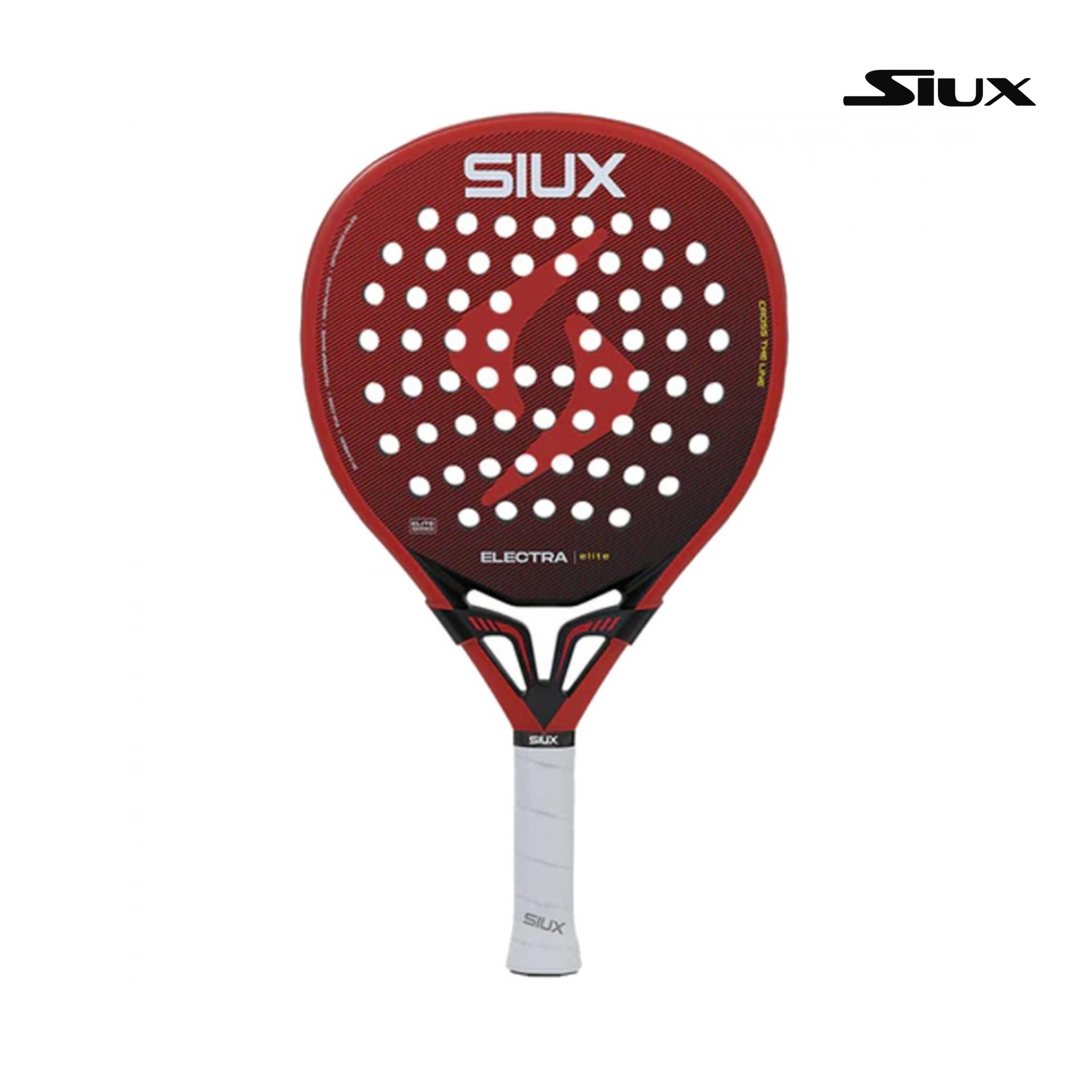 8
8Siux · 2026
Predictable, stable response on volleys and resets
Trampoline response makes passive defensive blocks harder to control
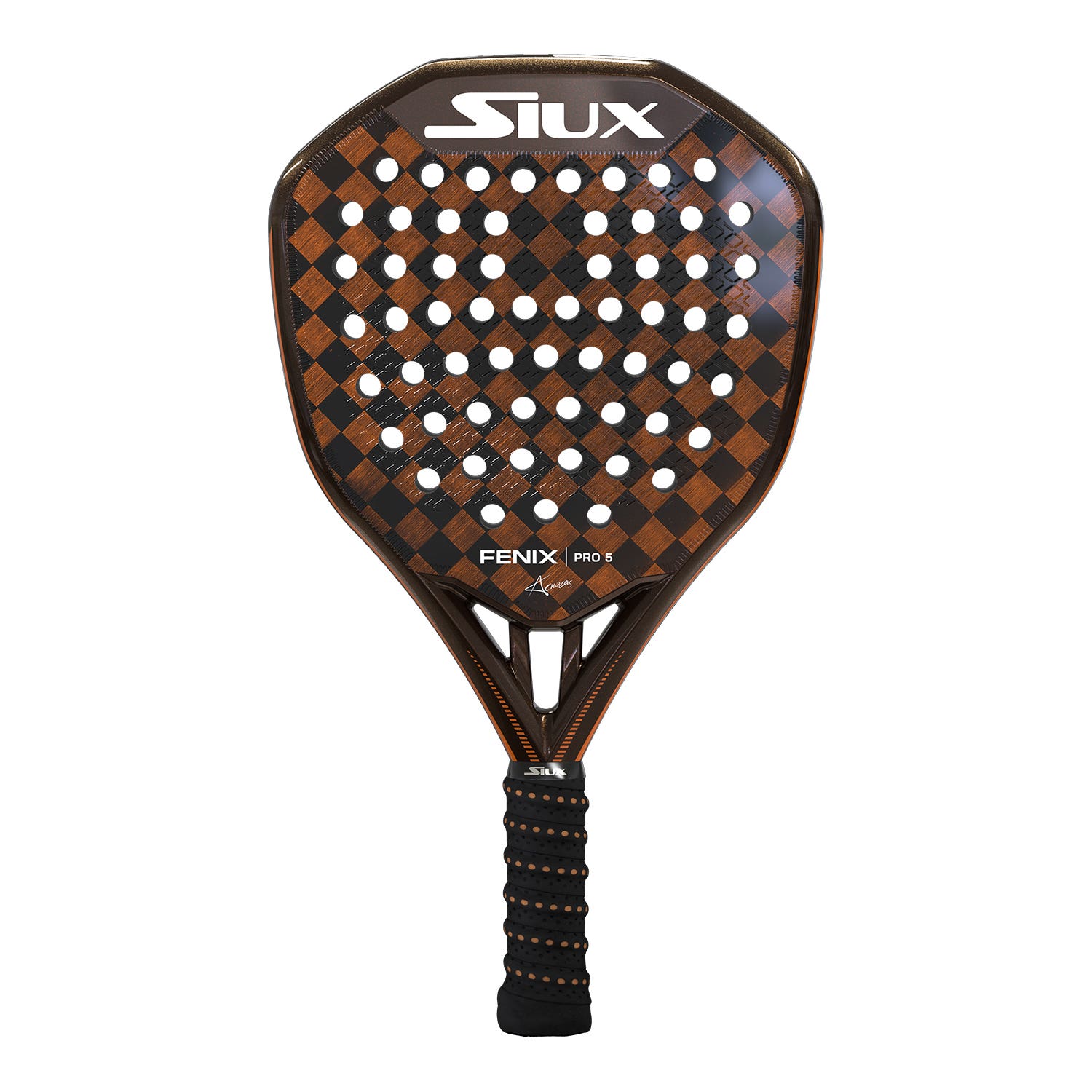 8.4
8.4Siux · 2025
Enormous smash power
Slow to manoeuvre on defence
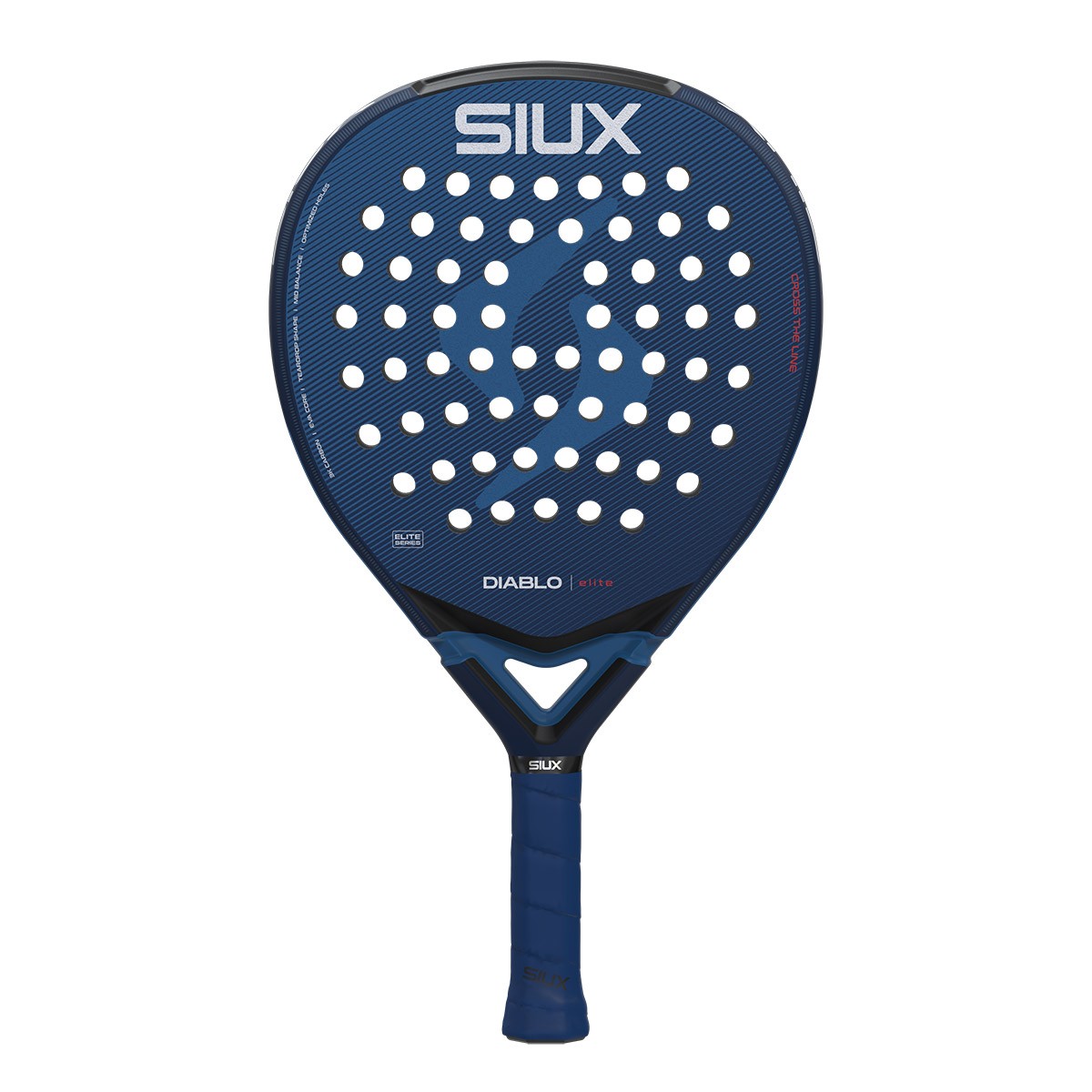 8
8Siux · 2026
Depth from a short swing
Low ceiling on overhead finishing
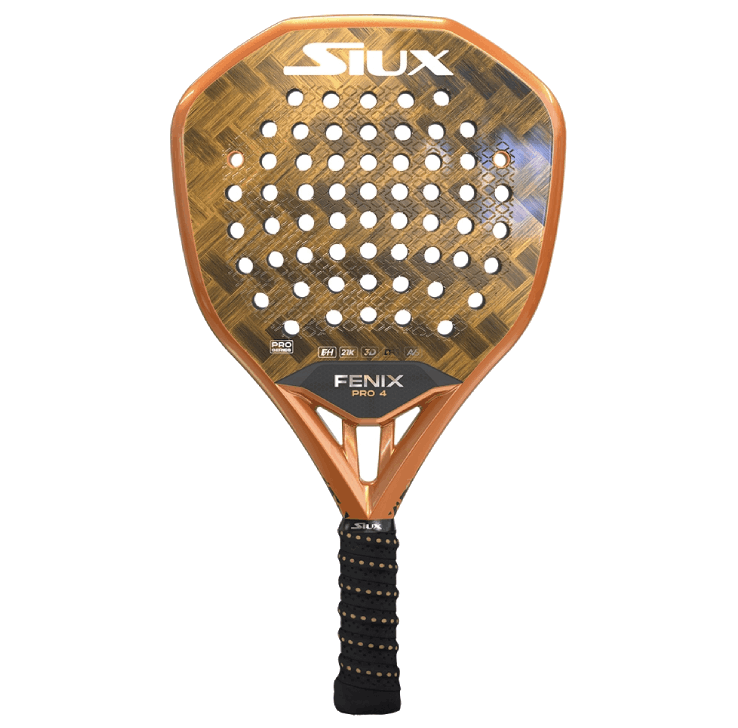 8.5
8.5Siux · 2024
Exceptional power generation with diamond shape
Requires significant physical strength to handle
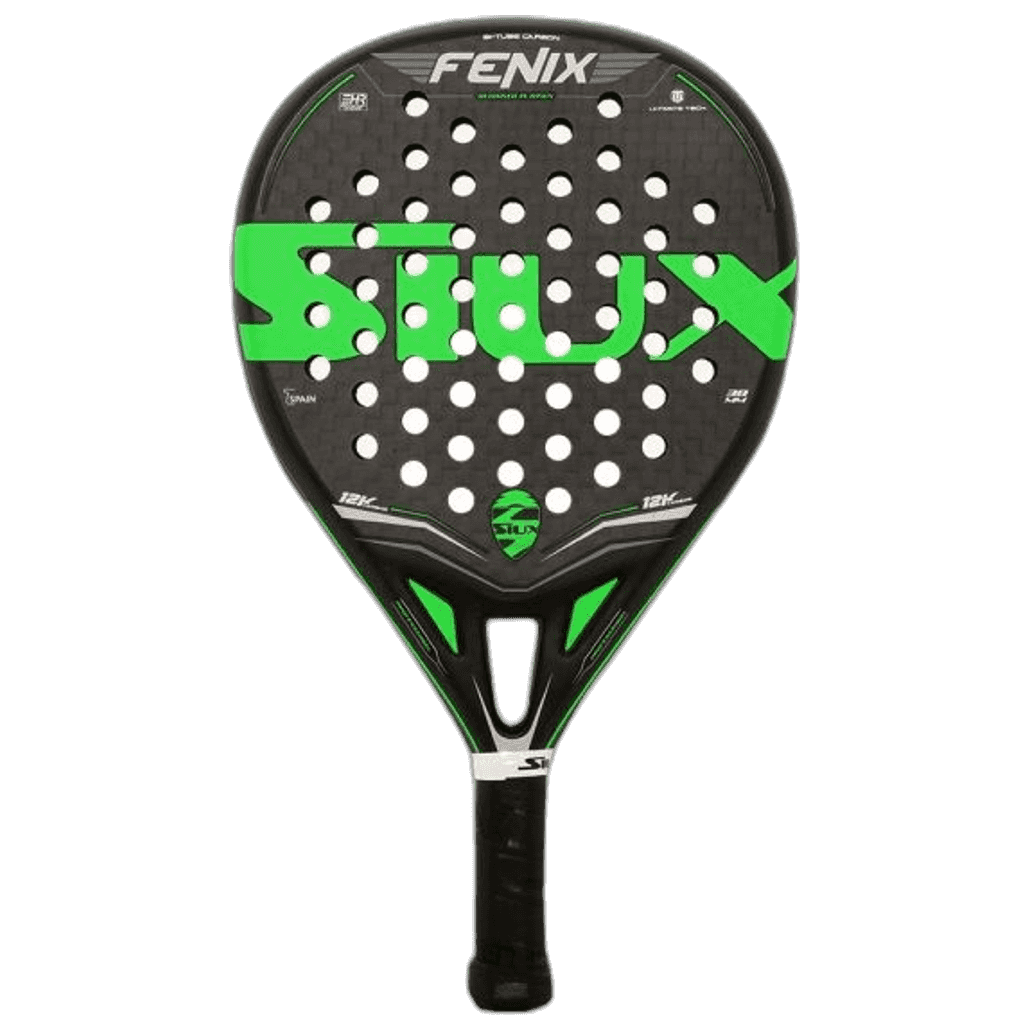 8.4
8.4Siux · 2021
Excellent power delivery with 12K carbon faces
Price point may be high for casual players
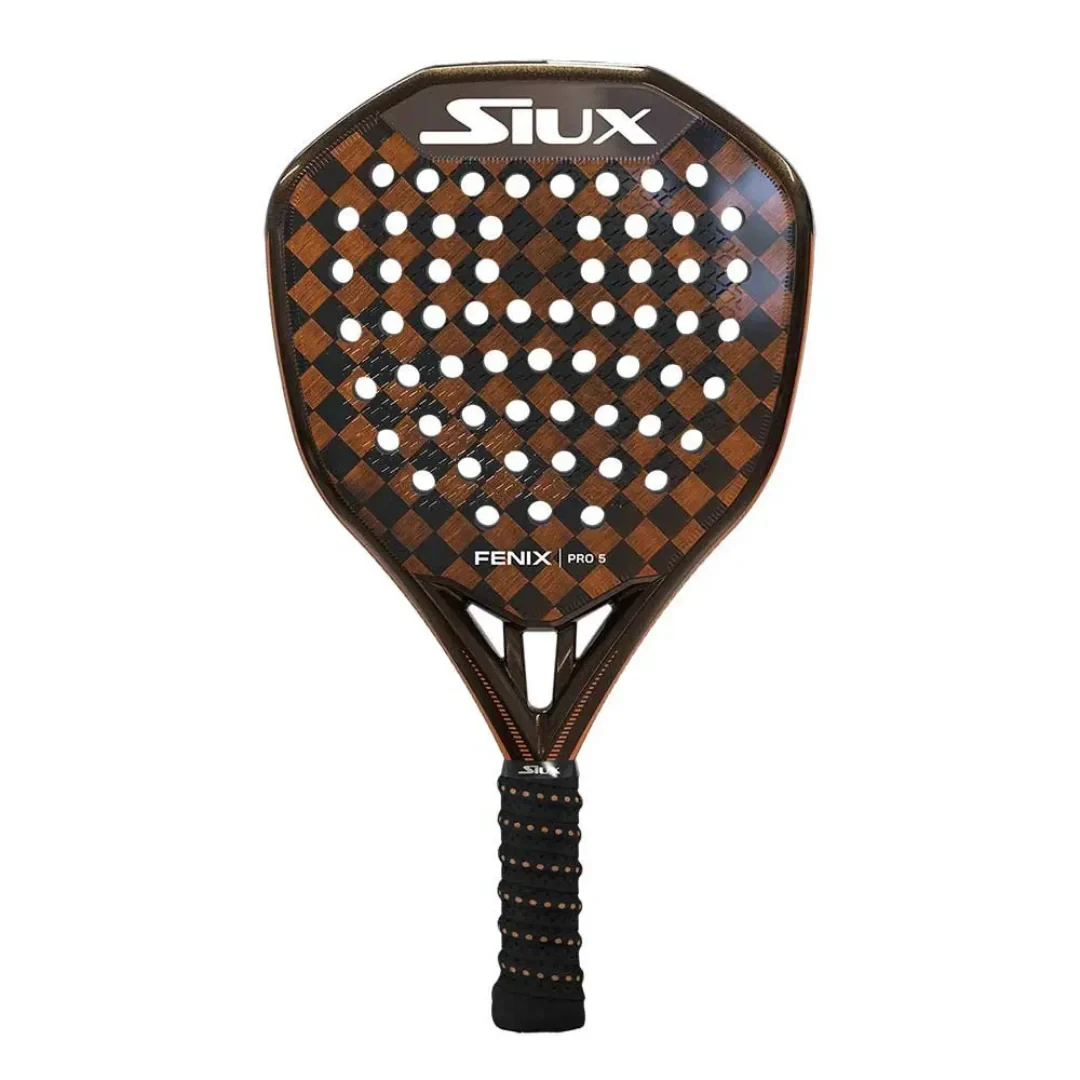 8.2
8.2Siux · 2025
Exceptional power generation with the 24K carbon face
Less forgiving on off-center hits due to smaller sweet spot
 8.3
8.3Siux · 2024
Excellent power delivery for aggressive shots
Higher learning curve due to head-heavy balance
Want to explore more options?
Browse all rackets