
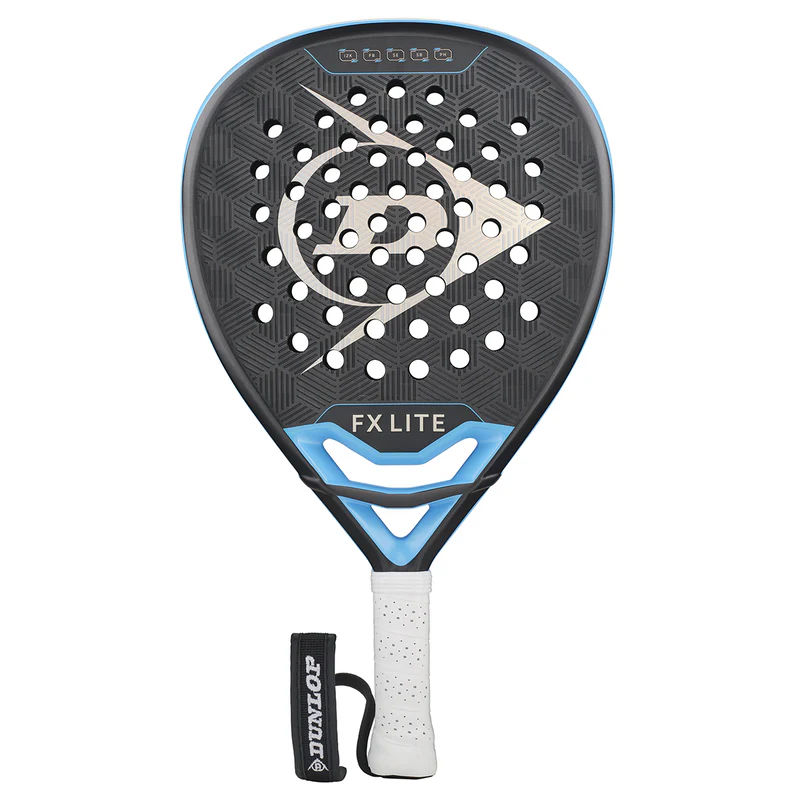
 7.7
Dunlop FX Lite 2026
Dunlop · 2026
Very quick to move in defence
Less stable against hard incoming balls
PremiumHigh Intermediate
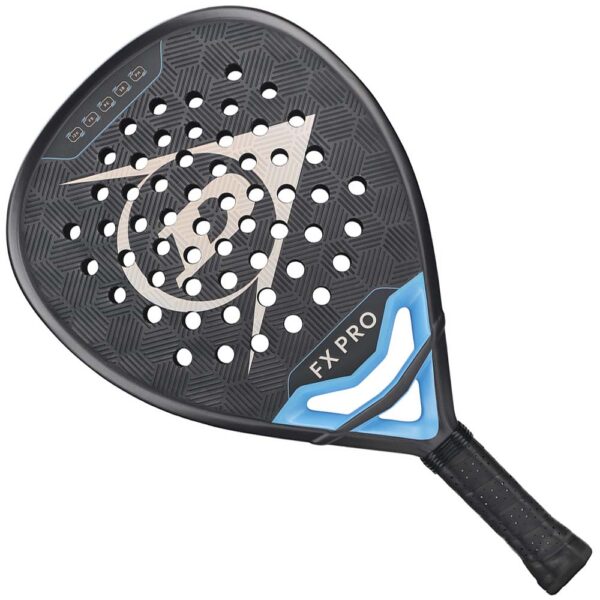 7.3
The FX Pro hits heavy smashes and fast, low volleys, but the high balance makes it slow to recover in quick exchanges and tiring over a long match. Buy it if you are a strong, advanced left-side attacker. Right-side players, defensive players and anyone still building technique will play better with the FX Lite or FX Hybrid.

Tactical right-side player who builds points and reads the game
Tactical right side player who is not afraid of using every trick in the book to "disturb the rhytm" of the opponent.
The Dunlop FX Pro 2026 is the top model in Dunlop's new FX line, the brand's power range for 2026. It sits above the FX Team and FX Start models and next to two lighter pro-level siblings: the FX Lite, with its weight in the handle, and the FX Hybrid, a teardrop that came out later in the season to make the FX recipe easier to play.
The FX Pro is the uncompromising one of the three. It is a diamond with a stated weight of 370g, a head-heavy balance and a hard feel from a 12K carbon face over a Pro EVA core. Dunlop aims it at advanced attacking players. List price is around €300, and UK retailers already sell it well below that. Every reviewer ends up on the same question: how much of that head weight can you actually swing?
What the Reviewers Say
Reviewers agree on the power. Where they differ is how much the head weight costs you. The Italian duo at Padel Review tested it in Italian and again in English on PADELREVIEW ENG. Their sample weighed 361g with a very high 28 cm balance. They found control surprisingly good for a diamond and the sweet spot decent for the shape, but maneuverability was the problem. Emiliano called it "one of the balances I have struggled with most in my life", above all on overheads and under pressure. The ball exit is not generous either, so the power has to come from your arm, and neither host would pay €300 for it.
Extreme Padel measured a different sample in its lab at 368g, a 26.9 cm balance and a stiff face (66 RA). Their scores gave it 88 for power but 77 for control and 60 for comfort, and they describe it as "very rigid, very demanding, with little tolerance", a racket that needs a high level and good timing.
Total Padel set it against the Galactica Pro and came away more positive about the attack: "I was able to produce more backspin and topspin compared to the Galactica." Power and attacking shots were better too, which in their view makes it a weapon for left-side players. The Galactica still felt more stable and more comfortable in defense, with fewer unforced errors.
Charles Gordzunian, a French top-20 player and Dunlop ambassador, told Esprit Padel Shop he started the year with the FX Pro, "really a racket for punching". He then moved to the FX Lite because he wanted more maneuverability.
How it plays..
The FX Pro does one job well: it turns a full, well-timed swing into a heavy ball on the smash and the volley. Everything around that job costs effort. Right-side players who build points with blocks, lobs and patient resets get little from it, because the head weight slows the racket in fast exchanges and the stiff face gives no free depth on defensive lobs. It makes most sense for a strong left-side player who wants to finish points and can carry the weight for a full match.
Defense
The weak zone. Reviewers agree the racket is hard to bring back in time when you are pushed deep or late, and Padel Review struggled most on the backhand under pressure. The hard face keeps the ball under control, so errors come from slow preparation rather than a ball that flies. Lobs from the back do need a full swing to reach depth.
Attack
This is where the FX Pro earns its price. Smashes come off heavy, and PADELREVIEW ENG compared them to a cannon. There is a catch: the high balance makes the racket hard to accelerate, so flat smashes need real arm speed, and Padel Review found the víbora one of the hardest shots to play with it. Total Padel got good spin from the surface on attacking shots.
Netplay
Better than the weight suggests. Volleys are short movements, so the head weight helps there more than it hurts. PADELREVIEW ENG found volleys fast, aggressive and low, and touch shots such as the chiquita precise. Keep your free hand on the frame between shots, as Padel Review advises, or the head drops in quick exchanges.
Our Advice for New Players
Not a racket for beginners. The weight, the balance and the hard face all ask for technique a new player does not have yet, and the risk of a sore arm is real. Dunlop's FX Start and FX Team models are the better entry point.
Our Advice for Intermediate Players
Most intermediates are better off with the FX Lite or the FX Hybrid. Both keep the FX feel with less weight in the head, and Extreme Padel scored the Hybrid higher than the Pro on control, comfort, tolerance and maneuverability.
Competitive level
Advanced and competitive left-side players with a strong, trained arm who want maximum power on overheads. Offensive players who finish at the net will like it. Defensive and control players, and anyone with shoulder or elbow trouble, should look elsewhere.
How It Compares
The Dunlop FX Lite 2026 comes from the same line with the weight in the handle: easier to swing, better in defense, less punch. Charles Gordzunian switched from the Pro to the Lite for exactly that reason. The Dunlop Galactica Pro is Dunlop's teardrop alternative with a rough 16K carbon face. Total Padel found it more stable and more forgiving in defense, while the FX Pro gave more spin and power in attack. Pick the FX Pro to finish points and the Galactica Pro for consistent all-court play.
Research & References
Our mission is to help you choose the right padel racket with clear, in-depth reviews that make it easy to level up your game. We start with official specs, then break down each racket’s key properties. Finally, we bring together trusted video and written reviews—summarised into one consistent, easy-to-read overview.
Drafted by Padelguru from expert video reviews with Lars Kloezeman's playing profile as an editorial lens, then reviewed and edited by Lars Kloezeman.
We review the rackets as they land. Get the new ones, the lessons we publish and what the creators are making, every other week.
Recommended for
Advanced and competitive left-side players with a strong, trained arm who want maximum power on smashes and at the net.
Skill level
Court position
Left, Net
Play style
Power, Offensive
Best at: Power (8.8/10)
Average: 7.2/10
PADELREVIEW ENG: Dunlop FX Pro review in English, powerful but not easy to move
Padel Review: Dunlop FX Pro recensione, potente ma quel bilanciamento
Extreme Padel: Dunlop FX Hybrid, better than the FX Pro? Full test
Total Padel: FX Pro vs Galactica Pro, Dunlop's two padel rackets tested on court
Esprit Padel Shop: I face a French top 20 player with the Dunlop FX range
Core
Pro Eva
Surface
12K Carbon
Texture
3D Pattern
Year
2026
8 rackets with characteristics, performance and appeal close to the Dunlop FX Pro 2026.
7.7Dunlop · 2026
Very quick to move in defence
Less stable against hard incoming balls
 8.4
Dunlop · 2023
Premium 16K Carbon frame delivers exceptional power
Requires solid technique for optimal performance
 8.5
Dunlop · 2022
Exceptional power delivery with 16K Carbon faces
Less forgiving sweet spot
 8.4
Dunlop · 2021
Premium 12K Carbon construction provides excellent power and durability
Weight may be challenging for some players
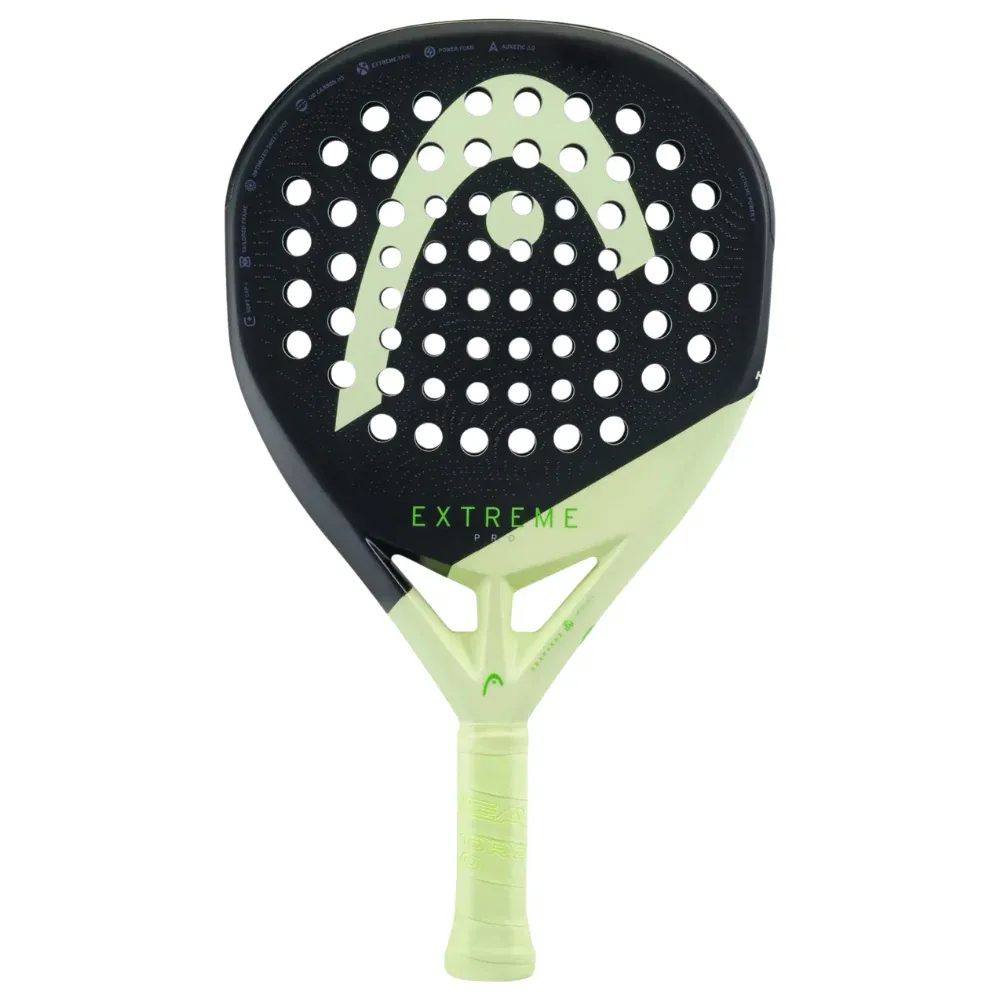 8.4
Head · 2026
Smash output close to the Coello Pro
Hard work digging out low defensive balls
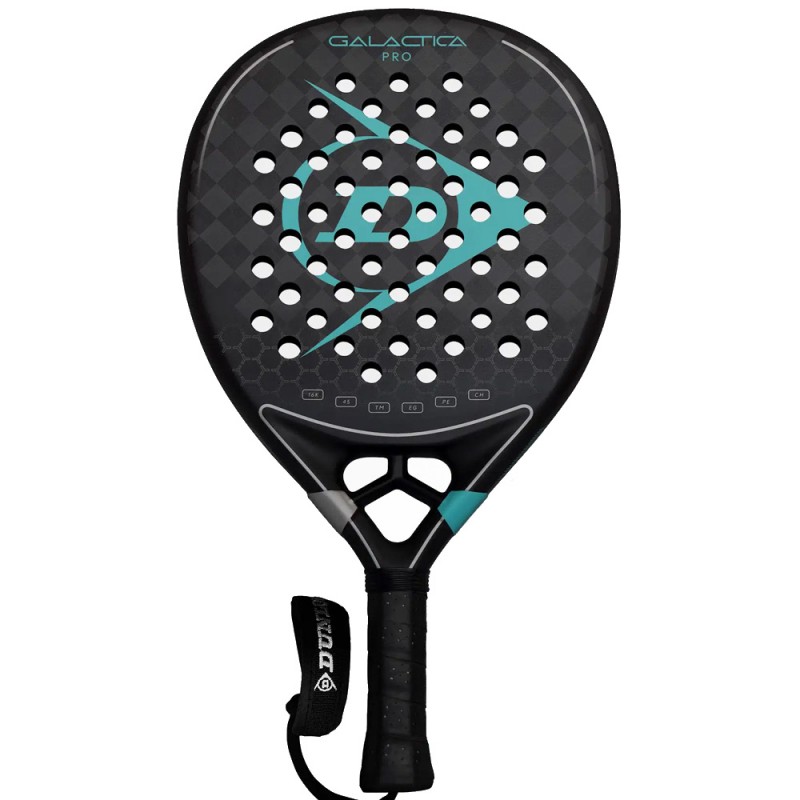 8.3
Dunlop · 2025
Very stable on blocks and defence
Demanding sweet spot on off-centre hits
 8.1
Dunlop · 2023
Clean, precise feedback on contact
370 grams sitting high tires the arm
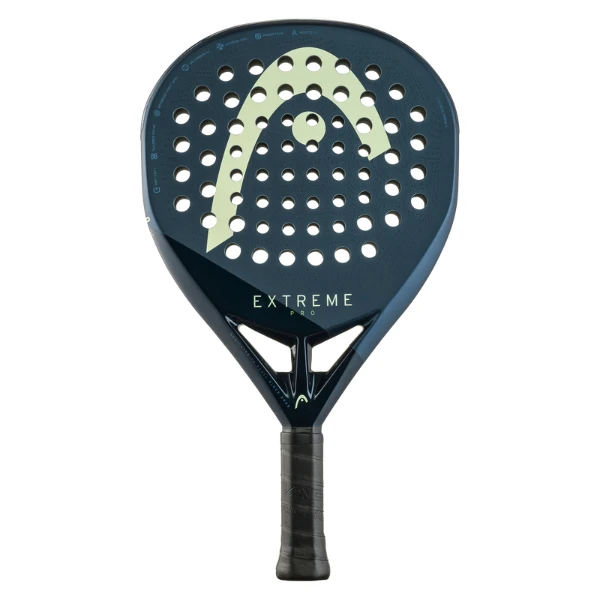 8.5
Head · 2025
Flat smash that ends rallies
Arm fatigue late in long matches
Want to explore more options?
Browse all rackets