
 7.5
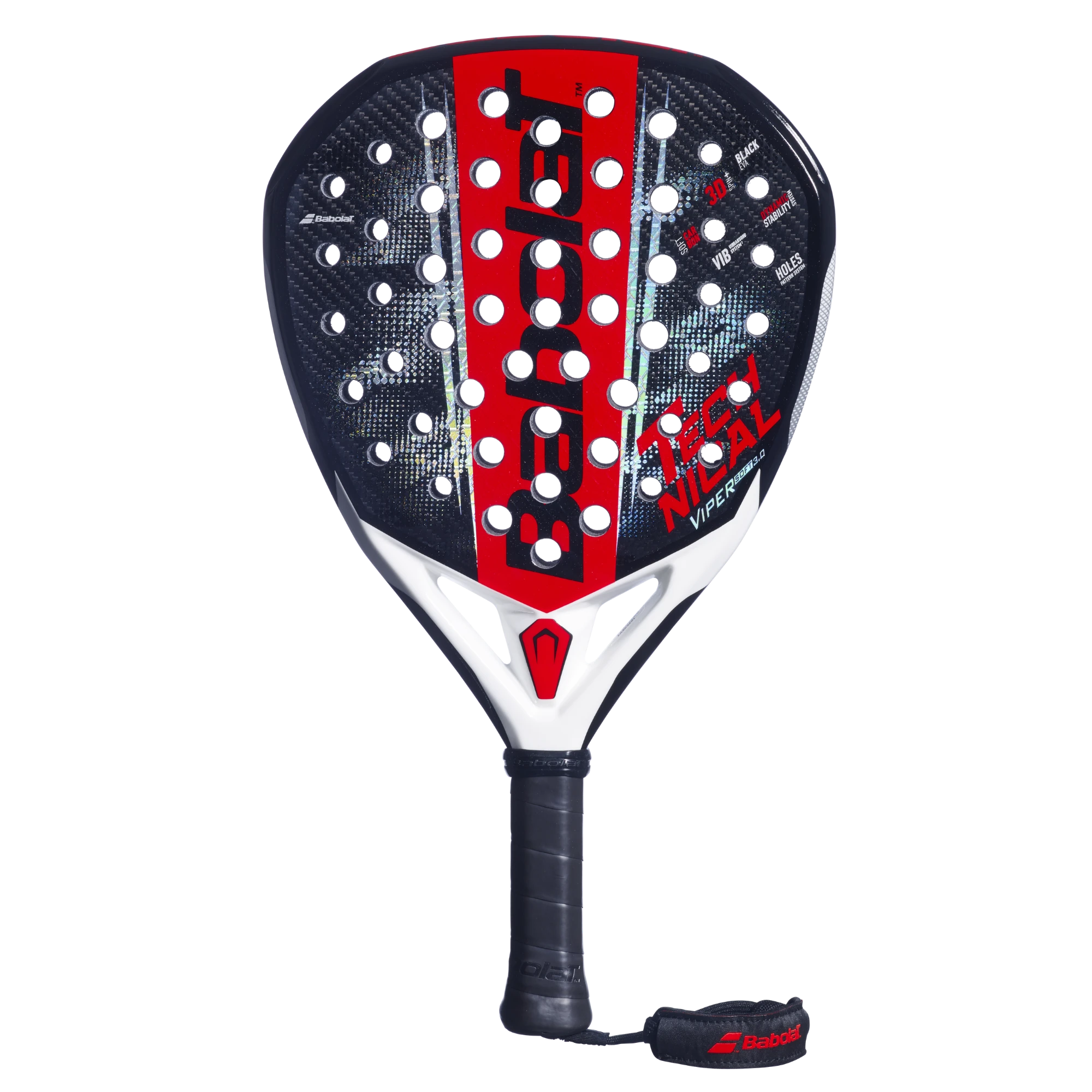
7.5Babolat Technical Viper Soft 30
Babolat · 2026
Predictable, consistent ball exit
Compact sweet spot punishes late timing
PremiumAdvanced
 8.3
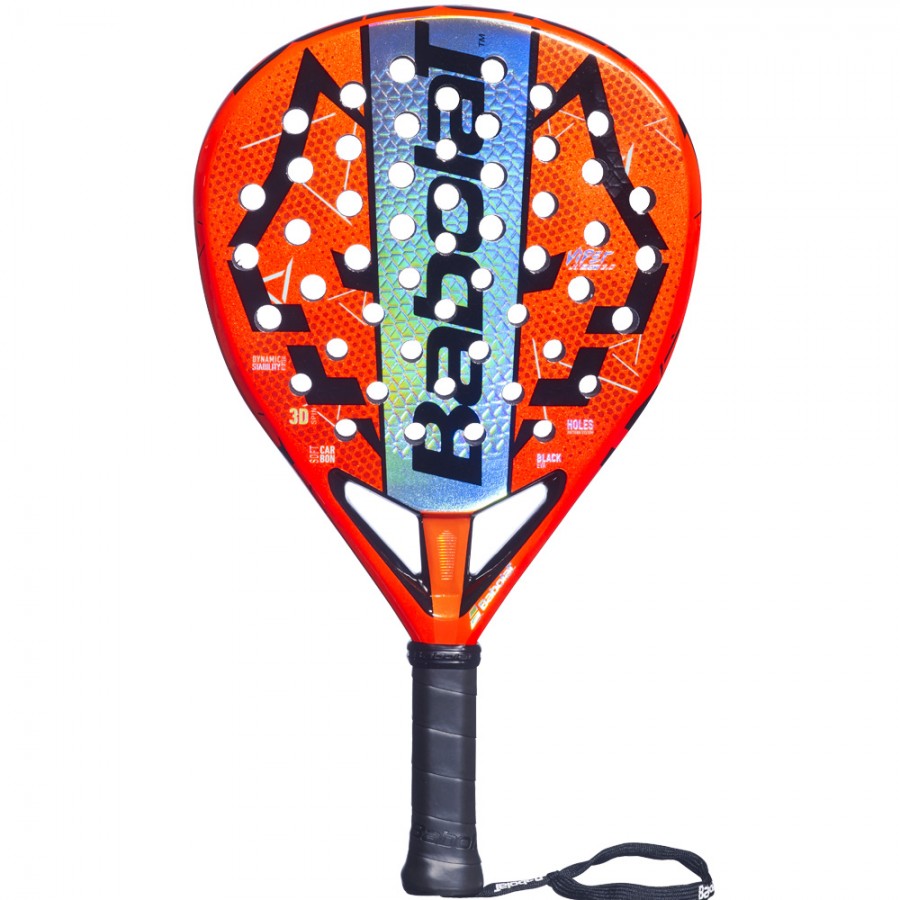
8.3Buy it if you already finish points from the net and your elbow has started complaining about the hard Viper. The softer face gives real ball exit from the back and a more repeatable overhead, so you do not have to swing at full throttle to hurt someone. Skip it if you are still building consistency: the sweet spot is small and late preparation still costs you the point.

Left-handed right-side player with an attacking, finishing game
Always overperforms in the warm-up, always underperforms in the match. Such is life.
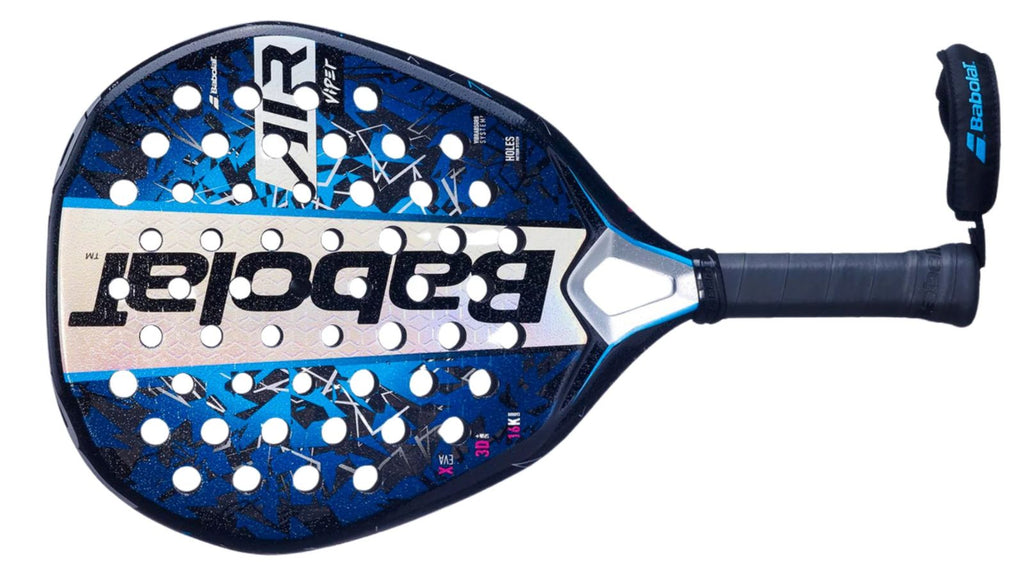
The Babolat Viper Soft Juan Lebrón 3.0 is the livable half of Juan Lebrón's 2026 signature pair. The diamond head and the head-heavy balance stay, and they still make the Viper a racket for ending points. What Babolat changed sits in the contact: a softer 3K carbon twill face and a less dense Black EVA core hold the ball a fraction longer and send less shock up your arm.
The intent of the racket is otherwise untouched. It wants you at the net, it rewards a committed overhead, and it sits at the top of the Babolat range at roughly €205 to €300. New for 2026 are a vibration damping system built into the fibres and the handle, and a buttcap that lets you resize or remove the wrist strap.
The comparison that matters is with the hard Viper Juan Lebrón 3.0 standing next to it. That one is 5g heavier and clearly drier on impact. This one gives up a little top-end pace and hands you more margin, more ball exit from the back of the court, and an arm that survives a long match.
What the Reviewers Say
Six reviews across Spanish, Italian and English land in the same place: the Soft is the Viper you can live with, not a different racket.
PadelZoom tested it alongside the hard Viper 3.0 and noticed the change immediately: "The impact is friendlier, and the medium feel holds the ball better, so you can play with more margin." They scored power at 9.5 and called maneuverability the weak spot at 7.5.
Guido De Francesco at Zona de Pádel played both Lebrón rackets over several sessions, indoors and out. On the Soft: "What surprised me most was how light it felt on the volley, and how clean it sounded when I hit hard." He was just as clear about the bill: "less forgiving on off-centre hits, and it needs good technique to get anything out of it."
Dani 13 played the whole Lebrón line back to back and came away preferring this one: "It is not a more powerful racket than the hard Viper, but it is easier to get the power out of it." He puts the hardness at around 8.5 out of 10, which is nobody's idea of soft, and counts the gain on the overhead: five clean smashes out of ten with the hard Viper, eight with this one. His warning is the volley. Miss the middle and the ball dies on the face and drops short.
Where reviewers push back is defence. PadelTestLab, which scored it 81 out of 100 with power at 96, flagged the obvious: "That head-heavy balance demands early preparation on defence. Get to the ball late and you will pay for it far more than you would with a medium-balance racket." Padelful arrived at the same point from the other side: "It is still head-heavy and still asks for timing, but I found it easier to live with on defensive contacts, controlled volleys and overheads than the standard Viper." PadelReview ENG, who weighed their sample at 361g with a 27.1cm balance, hit the same wall from the back of the court: "My lobs came up short until I adapted to the balance of the racket."
So everyone agrees it is softer, and everyone agrees it stays demanding. The disagreement is only about how much that softness buys you. Zona de Pádel rates its comfort a step below the Technical Viper Soft; PadelZoom treats the gain as substantial; and PadelReview ENG stands alone on the face itself, calling the sweet spot "surprisingly generous for a diamond shape", where Dani 13 and PadelTestLab both still find one that punishes.
How it plays..
The name Soft only earns itself next to the hard Viper. This is still a diamond that asks you to arrive early and swing through with the whole arm, and when you do, the smash and the víbora come off heavy and straight. What goes the other way is feedback: the softer face rounds off the sharp, dry report that tells you exactly where on the face you made contact, and players who finish off the forehand volley will miss that information. Worth the trade if your arm has started complaining, a step backwards if it has not.
Defense
Defence is where the head weight sends the bill. The mass sits high, so a fast ball off the back glass has to be met early and in front. Arrive late and the frame goes stiff and the ball drops short. The softer core does hand back real ball exit, and that shows up on lobs and chiquitas, which travel deeper for less swing than the hard Viper allows. Reviewers landed together here: more margin than the hard version, still not a defensive racket.
Attack
This is the whole point of it. The diamond head and the high balance stack mass exactly where a smash needs it, and the textured face bites enough that a kick smash and a víbora stay down instead of sailing. The Soft gives up a sliver of top-end pace to the hard Viper and buys back a more progressive, repeatable overhead: you do not have to go to one hundred percent to produce a heavy ball. What it will not do is rescue a late swing. Commit to the shot, or hit it short.
Netplay
At the net it is firm and directional rather than delicate. Volleys come off stable and heavy on compact contact, and blocks are better damped than on the hard Viper. The bandeja is easy to play deep, and the víbora is the shot the whole frame is built around. Touch is respectable for a diamond, but soft hands and feathered drop shots are not its language. The sweet spot stays small enough that a rushed reaction still gets punished.
Our Advice for New Players
Not this one. The small sweet spot, the head weight and the roughly €205 to €300 price make it the wrong first racket, and the word Soft in the name does not change that. A round, even-balanced frame will teach you clean contact faster and forgive the misses you are still making.
Our Advice for Intermediate Players
Only if you are a strong, attacking intermediate with sound technique who already plays to finish from the net. If you are still chasing consistency, or your game lives at the back of the court, the Technical Viper Soft 3.0 gives you most of the same power with a bigger sweet spot and more help under pressure.
Competitive level
This is its home. Advanced and high-advanced attackers who want the Lebrón diamond without the punishment of the hard version will find the trade an honest one: slightly less top-end pace, meaningfully more ball exit, and an arm that lasts the match. If you have had elbow trouble and refuse to give up a diamond, this is one of the better answers of 2026.
How It Compares
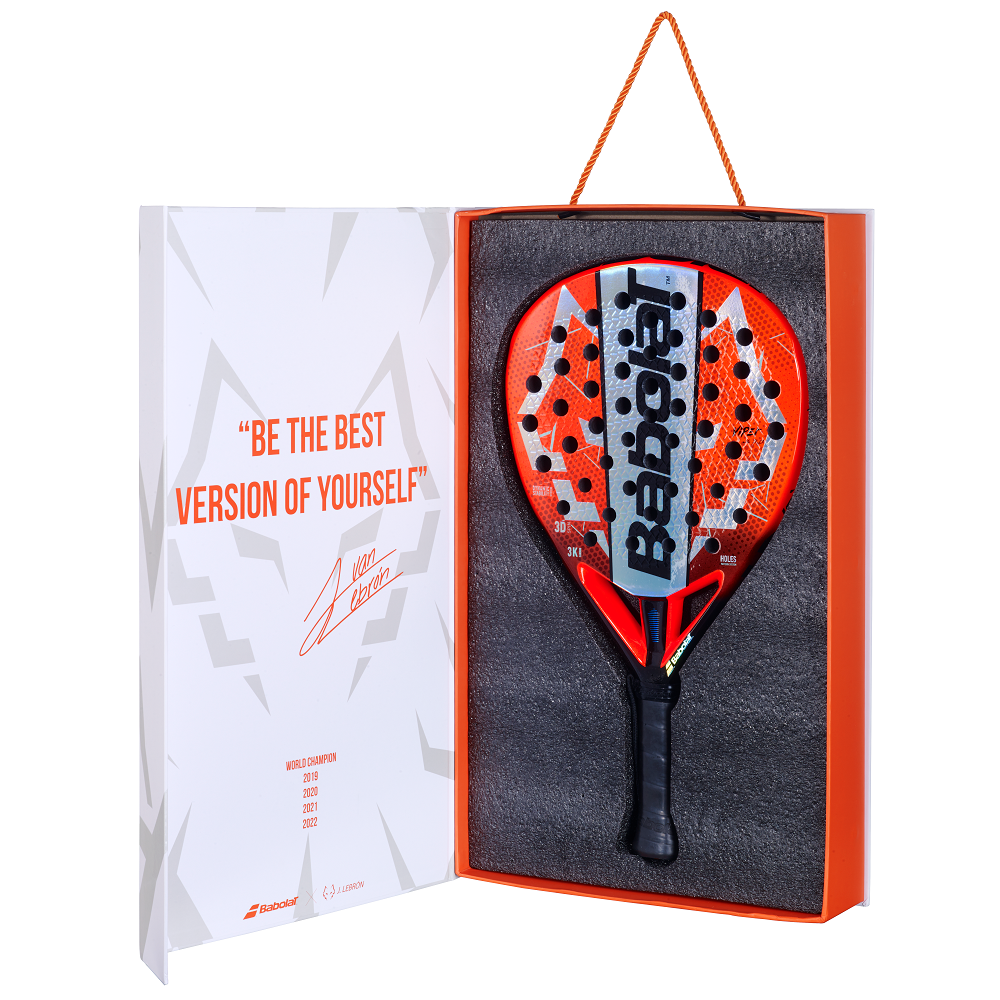
Want the same racket with the edge back on? The Babolat Viper Juan Lebrón 2026 is the hard version: 370g, a stiffer carbon face and a Hard EVA core. It hits drier and faster and tells you exactly where on the face you made contact, and it punishes off-centre hits to match. Pick it if your technique is clean, your arm is healthy and you want the maximum.
Want more forgiveness instead? The Babolat Technical Viper Soft 3.0 is built on the same soft idea but tuned toward balance. Reviewers consistently find a bigger sweet spot, better defence and more comfort, at the cost of some finishing bite. It is the better pick for improving intermediates and for anyone who splits their time between attacking and defending.
Research & References
Our mission is to help you choose the right padel racket with clear, in-depth reviews that make it easy to level up your game. We start with official specs, then break down each racket’s key properties. Finally, we bring together trusted video and written reviews—summarised into one consistent, easy-to-read overview.
Drafted by Padelguru from published expert reviews and Babolat's official specification, with Christoph Herrmann's playing profile as an editorial lens, then reviewed and edited by Christoph Herrmann. No one at Padelguru has play-tested this racket.
Put the rackets you are considering side by side and keep the ones you play with in your collection.
Get the Padelguru app
Recommended for
Advanced and high-advanced attackers who play to finish from the net and want the Lebrón diamond without the harshness of the hard version.
Skill level
High Intermediate, Advanced, High Advanced, Professional
Court position
Both sides, Net
Play style
Power, Offensive
Best at: Power (9.2/10)
Average: 8.0/10
Babolat Juan Lebrón Series Review: Viper vs. Technical vs. Veron Comparison
Babolat Viper Soft JL 3.0: review y sensaciones
Review Babolat Viper Soft Juan Lebron 2026: a racket that was missing in the Babolat Lebron lineup
Shape
Diamond
Weight
Medium (356–370g)
Balance
Power-Oriented (Head-Heavy)
Touch
Medium Soft
Core
Black Eva (Medium Density)
Surface
Soft Carbon With 3D Spin+ Texture
Texture
3D Pattern
Year
2026
8 rackets with characteristics, performance and appeal close to the Babolat Viper Soft Juan Lebron 3.0 2026.
7.5Babolat · 2026
Predictable, consistent ball exit
Compact sweet spot punishes late timing
 8.5
8.5Babolat · 2026
Explosive power on smashes and víboras
Very demanding in defence due to high balance
 8.2
8.2Babolat · 2026
Heavy smash without a full arm effort
Slow to react on low volleys
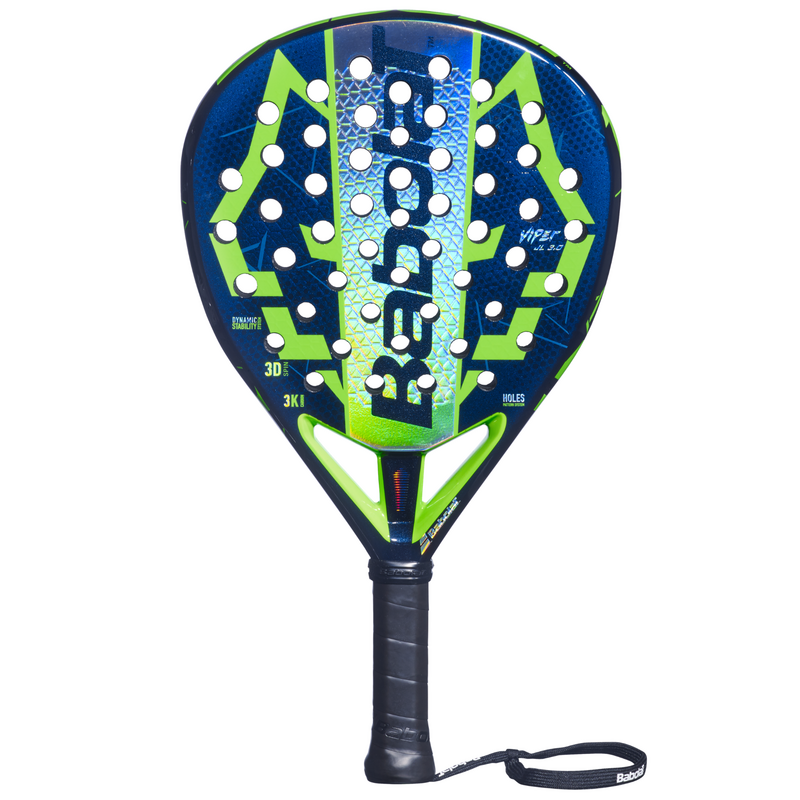 7.5
7.5Babolat · 2026
Devastating overhead power
Very demanding in passive defence
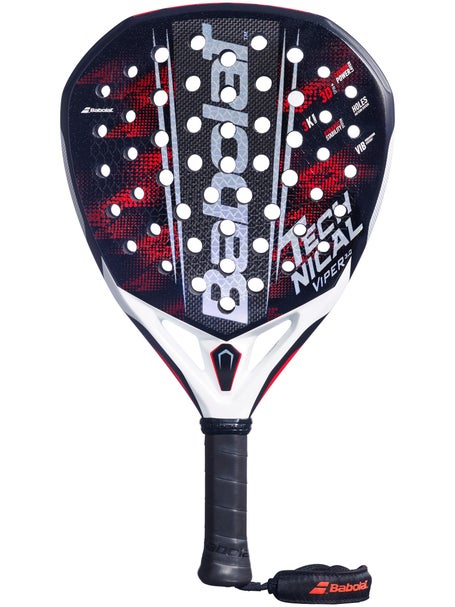 8
8Babolat · 2026
Explosive power on smashes and viboras
Small sweet spot demands precise technique
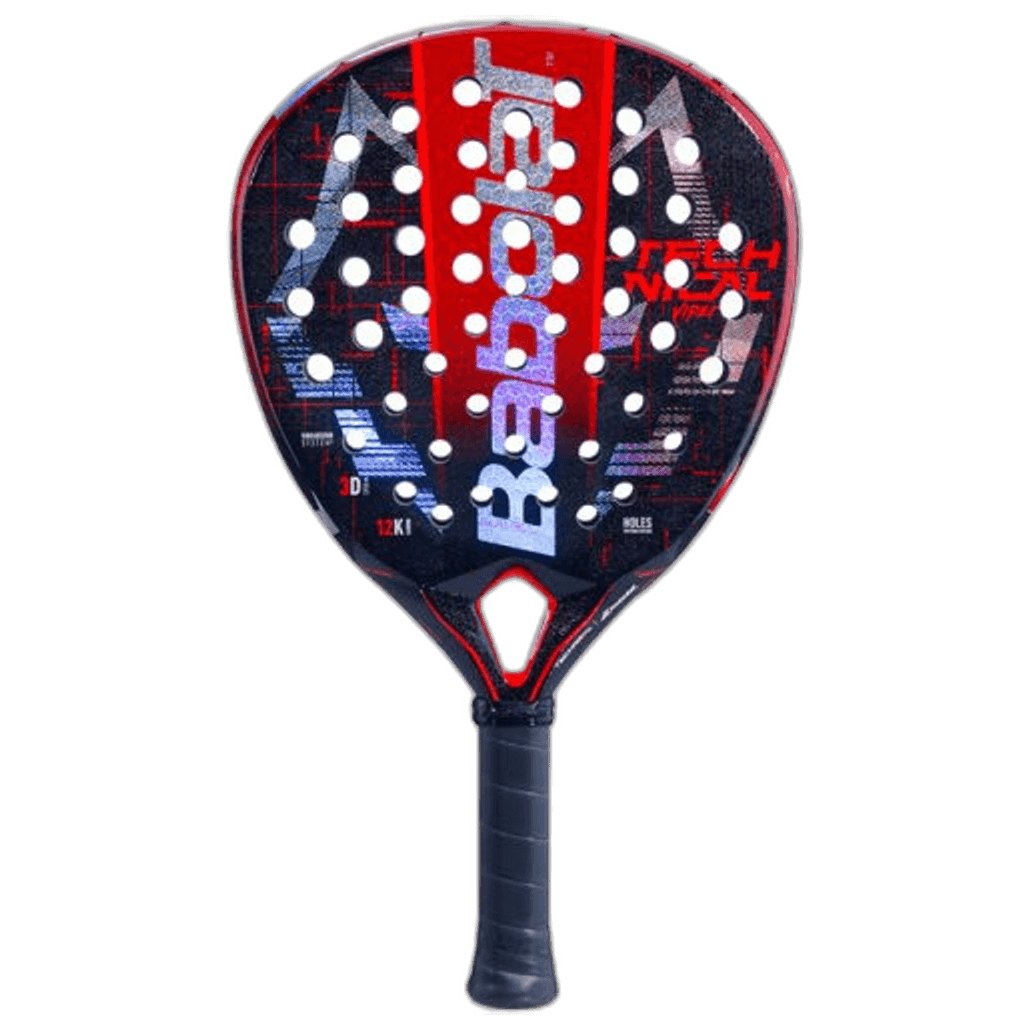 8.8
8.8Babolat · 2024
Exceptional power generation with 12K Carbon surface
Higher price point
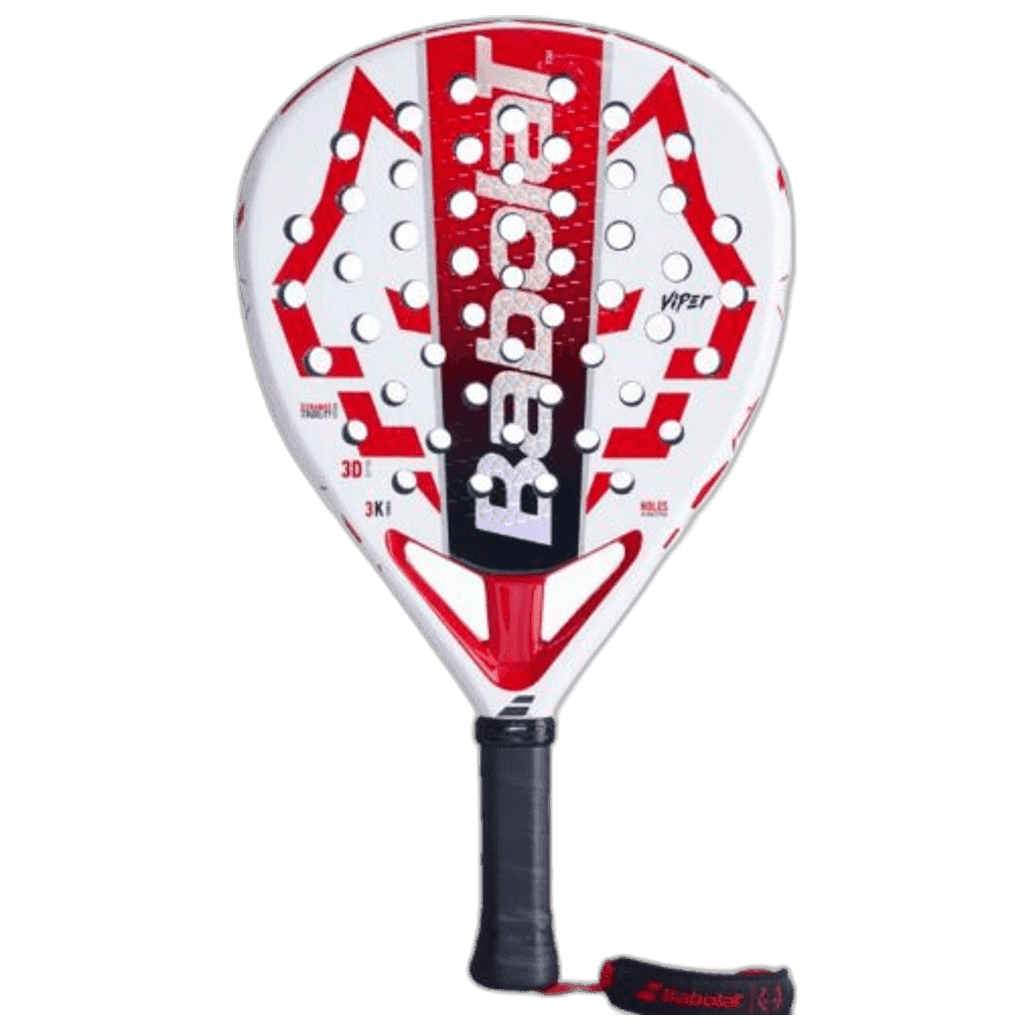 8.8
8.8Babolat · 2025
Exceptional power delivery with 3K Carbon surface
Requires advanced technique to maximize benefits
 7.5
7.5Babolat · 2025
Outstanding maneuverability and swing speed
Stiff core limits defensive reliability from the right side
Want to explore more options?
Browse all rackets