
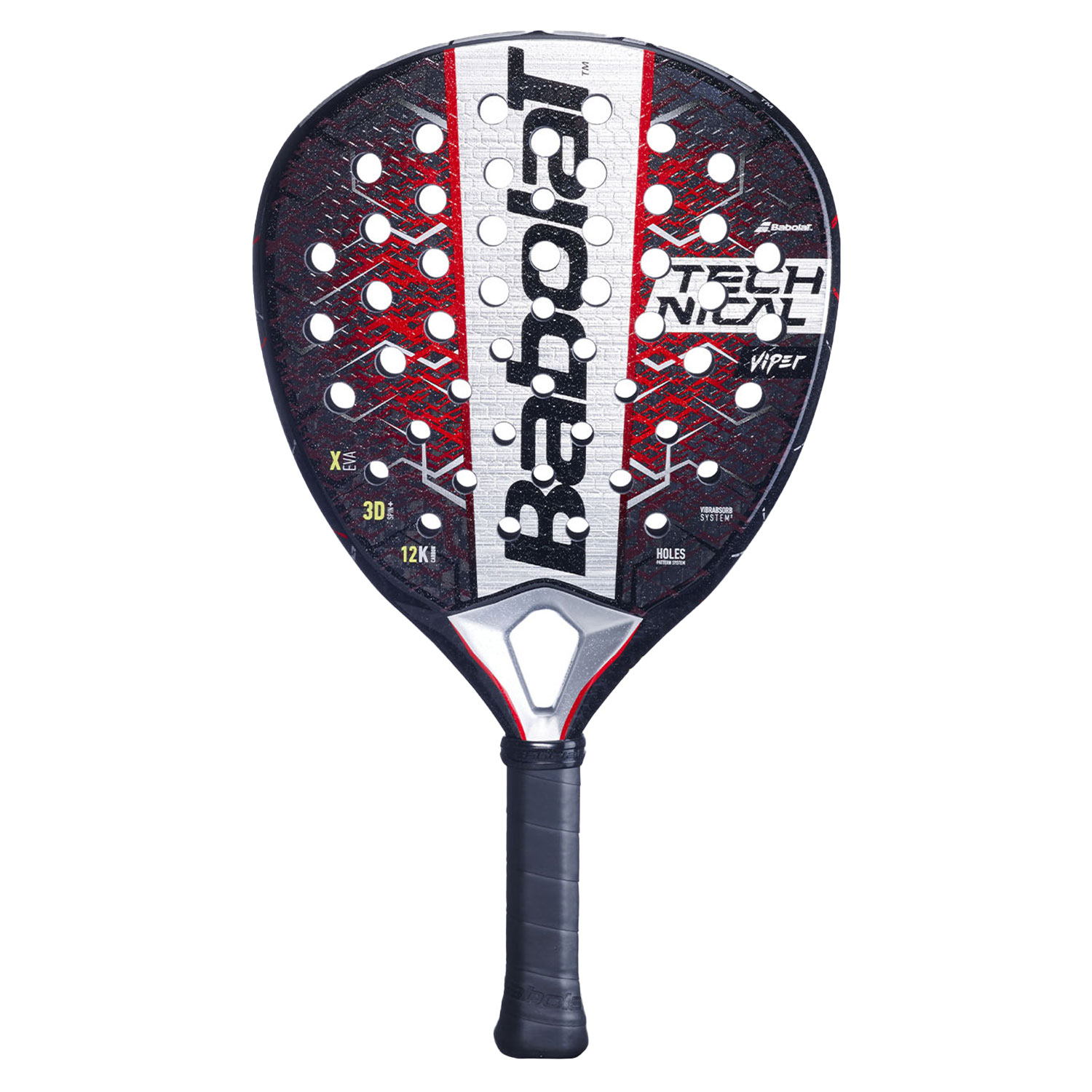
 8.5
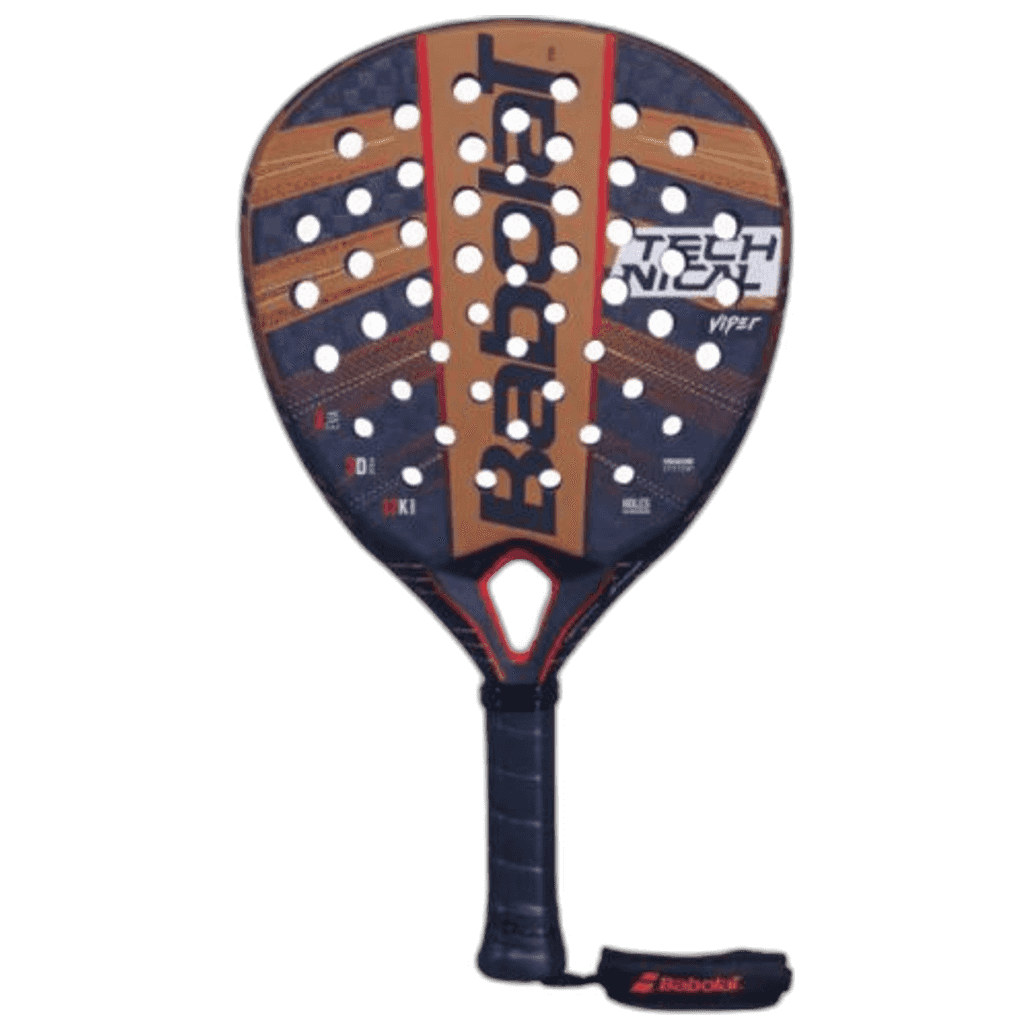
8.5Babolat Technical Viper 2025 Padel Racket
Babolat · 2025
Brutal smash and vibora power
Punishing on off-center contacts
PremiumAdvanced
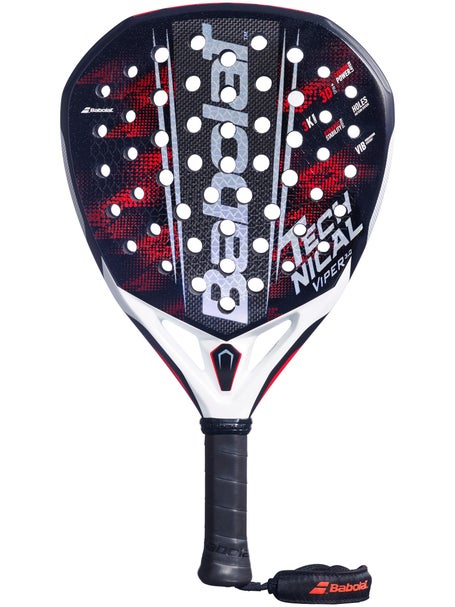 8
8The Technical Viper 3.0 2026 delivers some of the highest power numbers in its category, built for advanced players who end points from the net rather than extend them. The Carbon Power Layer and 3K carbon frame reward clean technique with explosive smashes and heavy viboras, but the small sweet spot and demanding head-heavy balance will punish anyone still building their game. Arm-friendly players or those who rely on defense should look elsewhere, such as the Technical Viper Soft 3.0, which offers the same attacking profile with more forgiveness.
Developing all-court player focused on consistency and comfort
Always gets an "A" for effort from the coach. That tells you enough about his technique.
The Babolat Technical Viper 3.0 2026 is the most substantial redesign in the Viper line since the original. Where previous versions updated cosmetics and made incremental spec tweaks, the 3.0 reworks the mould, the bridge, the core, and the face all at once. The headline changes: the frame moves from 12K to 3K carbon (which produces a slightly more accessible feel compared to the previous ultra-stiff 12K), a Carbon Power Layer is embedded inside the Hard EVA core as a carbon sandwich that amplifies explosive response, and the bridge gets a reinforced central bar via the Dynamic Stability System that adds torsional resistance. The shape itself is more angular, with straighter lines and a reinforced window at the tip. Weight lands at 370g (±10g) with a 270mm head-heavy balance. It is Babolat's clearest statement about who this racket is for: an attacking left-side player who ends points, not one who builds them.
What the Reviewers Say
Reviewers across markets agree on the core character: extreme power, demanding tech requirements, and a specialist profile that rewards commitment.
PADELREVIEW ENG, who tested the racket in Italy, put it directly: "When you accelerate properly and hit the sweet spot, the power is massive. But if your technique isn't clean, the racket doesn't help you much. It asks you to do the work." They rated smashes at 8.5 and viboras at 8.5, with maneuverability at 6 as the obvious trade-off.
Total Padel / Padel Warehouse tested the full Viper range at Babolat HQ in Madrid with world champion Fernando Poggi. One tester who tried all three Viper variants noted: "I felt a lot of power with this new version. It's a very demanding racket. I really recommend it for advanced players who are able to generate a lot of spin. Compared to last year, I found it very stable in defense and very reactive in attack."
PadelVerdict's data-backed analysis scores power at 9.2 and stability at 8.6, and makes the trade-off explicit: "The 1.45-point gap between Attacker and Defender profiles is the widest signal in the data. This is a specialist's weapon, not a versatile all-court tool." Their Comfort score sits at 6.2, with the note that the Vibrabsorb System reduces peak vibration but does not eliminate the physical demands of a 78-stiffness diamond frame.
Padel Magazine's structural breakdown called it "a power monster with absolute responsiveness," noting that the Carbon Power Layer inside the Hard EVA core creates minimal compression time on contact: "The ball makes contact, minimal compression, immediate expulsion." They were direct about the demands: "This racket requires impeccable technique and the ability to hit the ball centrally, even under pressure. It is made for those who prioritise impact over comfort."
PadelZoom (Spain), after two weeks of court testing, confirmed the pattern from the baseline: "Ball exit speed is lower than average compared to the category when the ball comes softly or when you are under pressure. You have to contribute more to the shot yourself. But when the technique is there and you accelerate, the result is among the most dangerous on the market."
How it plays..
The Technical Viper 3.0 2026 does exactly what it says. For advanced offensive players with clean mechanics, it converts aggressive swings into serious ball speed with very little energy loss. The forgiveness question, though, is real: the small sweet spot and hard EVA core give back very little on off-centre contact or slow-tempo exchanges. Players still developing consistency will feel the gap between their best and average shots more sharply than on a rounder or softer option. For those building their game, the Technical Viper Soft 3.0 gives the same attacking profile with a more arm-friendly margin.
Defense
From the back of the court, the Technical Viper 3.0 is honest about its limits. At pace it handles resets and deep balls well, and PadelZoom noted it can play tense bajadas when you enter with real commitment. But when the ball comes slowly or you are under pressure, the hard EVA core and low ball exit on slow tempos mean you have to put in more technique to keep the ball deep. This is not a racket that bails you out defensively. Lobs can be placed accurately when you have time to swing through properly, but it punishes rushed or late contact. Right-side players and baseline controllers will find the defensive limitations significant.
Attack
This is where the Technical Viper 3.0 earns its price. The Carbon Power Layer inside the Hard EVA core combined with the 3K carbon frame produces ball exit speed that is genuinely explosive. PADELREVIEW ENG rated power at 8.5 and smash at 8.5, and the PadelVerdict data puts power at 9.2. Overhead smashes carry pace and penetration that make the ball heavy off the glass. Viboras generate real cut and weight, not just direction. The 3D Spin+ rough surface adds measurable traction on lifted and sliced shots. Even flat drives from mid-court land with authority. The Dynamic Stability System keeps the frame from twisting on aggressive contact, so the power you generate reliably arrives at the ball.
Netplay
At the net the racket is sharp when you time it correctly and demanding when you don't. Volleys at pace are crisp and directional, with the 3K carbon face providing a fast, clean response on flat punches. PADELREVIEW ENG rated the net at 8.0. The head-heavy balance slows the arm slightly in fast exchanges, and manoeuvrability at 6 means you need good court positioning to set up volleys rather than relying on quick arm adjustments. When you are in the right position, the bandeja and vibora are weapons. When you are scrambling, the weight and balance become factors.
Our Advice for New Players
Not recommended. The diamond shape, head-heavy balance, and small sweet spot make this a racket that punishes undeveloped technique consistently. Beginners will find the demanding feedback frustrating rather than instructive. A round or teardrop-shaped racket with a soft or medium core is the correct starting point.
Our Advice for Intermediate Players
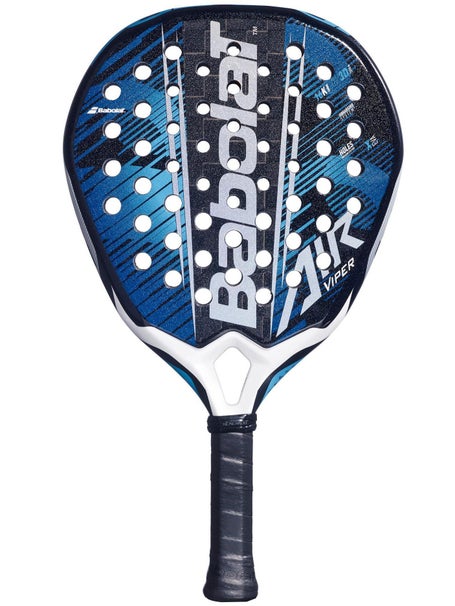
Generally not recommended. Strong high-intermediates with 2+ years of consistent play and an already offensive game might manage it, but most intermediates will find the sweet spot too demanding and the defensive limitations too costly. The Babolat Air Viper 2.6 2026 gives intermediates within the Viper family a more manageable but still powerful option, with better maneuverability and a larger sweet spot.
Competitive level
Yes, with a specific profile. This is the right choice for advanced players who attack primarily from the left side, rely on overhead smashes and viboras to end points, and have physical conditioning that handles 370g head-heavy frames over a full match. Advanced all-court players or advanced players with arm sensitivity will be better served by the Soft 3.0 variant or a racket with a larger sweet spot. If you know your game fits this description, few rackets in 2026 convert aggressive technique into results more reliably.
How It Compares
Babolat Technical Viper Soft 3.0 2026: The same diamond mould and attacking intent, but with a softer carbon construction and 365g weight. Comfort scores higher, power output is slightly lower. Players who want the Technical Viper's offensive profile but have arm sensitivity or face long match conditions should choose the Soft. Players who want the most explosive response and have the physical base to sustain it should choose the 3.0.
Adidas Metalbone HRD 2026: Both are premium power diamonds aimed at advanced attackers. PadelVerdict scores them almost identically (8.8 for both). The Metalbone's 16K carbon and slightly higher stability (8.8 vs 8.6) edge ahead on raw consistency, while the Technical Viper's 3D Spin+ surface gives a marginal advantage in spin generation (8.4 vs 8.0). The choice between them comes down to brand feel and preference between Babolat's Carbon Power Layer response versus Adidas's stiffer aluminium-carbon construction.
Research & References
Our mission is to help you choose the right padel racket with clear, in-depth reviews that make it easy to level up your game. We start with official specs, then break down each racket’s key properties. Finally, we bring together trusted video and written reviews—summarised into one consistent, easy-to-read overview.
Drafted by Padelguru from expert video reviews and written court tests, with Kaj Kloezeman's playing profile as an editorial lens, then reviewed and edited by Kaj.
Put the rackets you are considering side by side and keep the ones you play with in your collection.
Get the Padelguru app
Recommended for
Advanced offensive players who attack from the left side, prioritise smashes and viboras, and have solid physical conditioning. Not suited to intermediates, defensive players, or anyone with arm sensitivity.
Skill level
Advanced, High Advanced, Professional
Court position
Left
Play style
Power, Offensive
Best at: Power (9.2/10)
Average: 7.9/10
Babolat Technical Viper 3.0: Review in English | A racket suited for advanced level players
EXCLUSIVE: New Viper Line Tested in Babolat HQ Madrid with Poggi
Shape
Diamond
Weight
Heavy (371–385g)
Balance
Power-Oriented (Head-Heavy)
Touch
Hard
Core
Hard Eva With Carbon Power Layer
Surface
3K Carbon With 3D Spin+
Texture
3D Pattern
Year
2026
8 rackets with characteristics, performance and appeal close to the Babolat Technical Viper 3 Padel Racket.
8.5Babolat · 2025
Brutal smash and vibora power
Punishing on off-center contacts
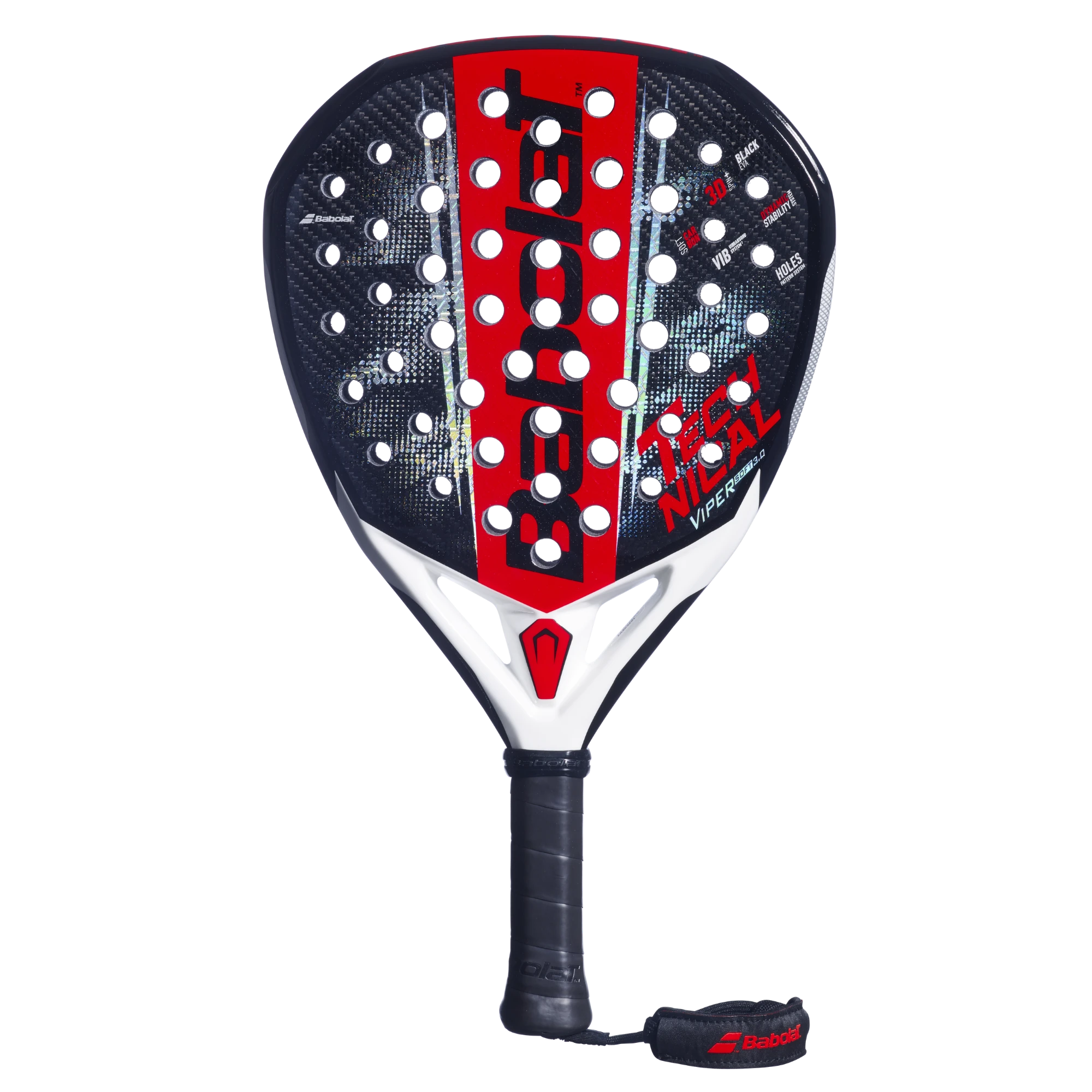 7.5
7.5Babolat · 2026
Predictable, consistent ball exit
Compact sweet spot punishes late timing
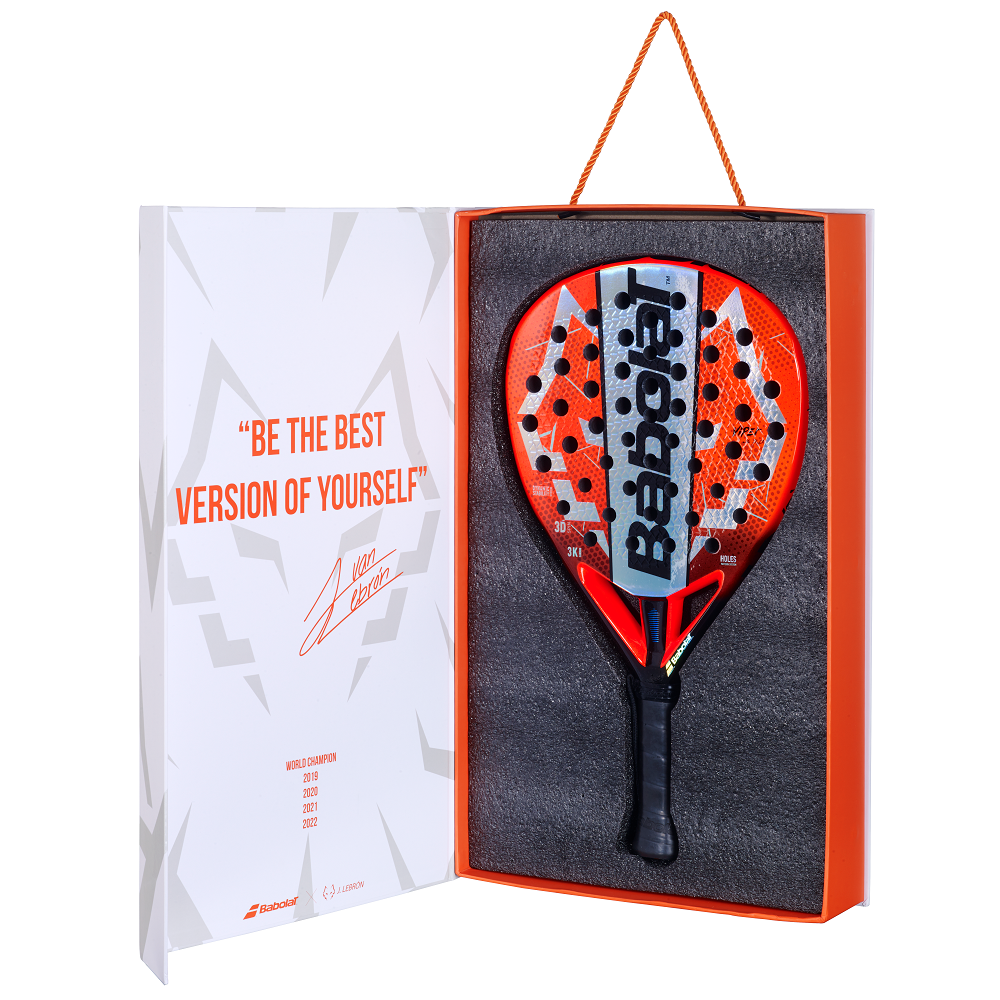 8.5
8.5Babolat · 2026
Explosive power on smashes and víboras
Very demanding in defence due to high balance
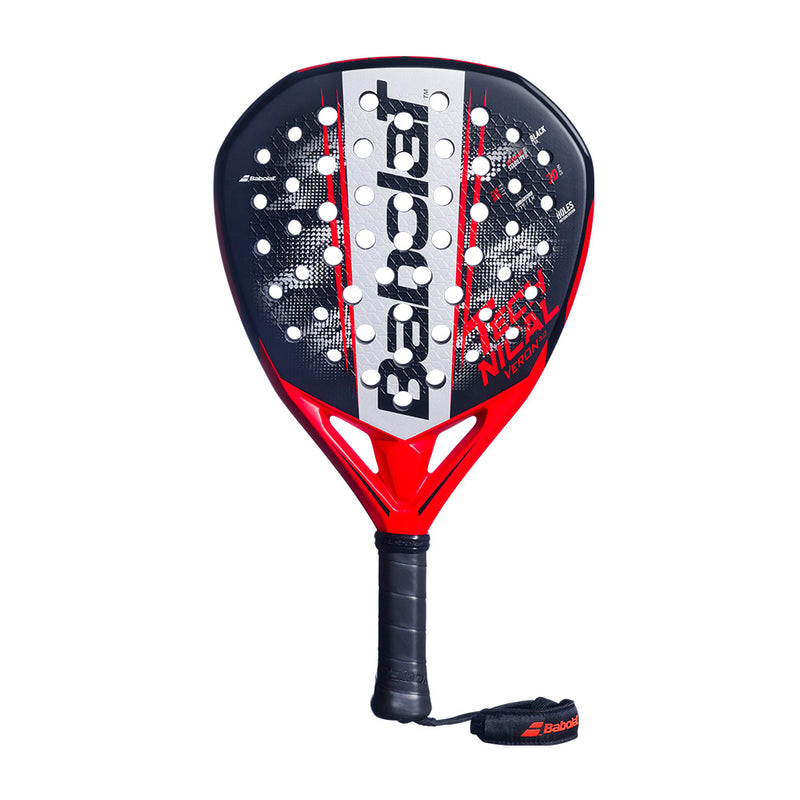 7.5
7.5Babolat · 2026
Powerful, controlled overheads
Slower in fast hands exchanges
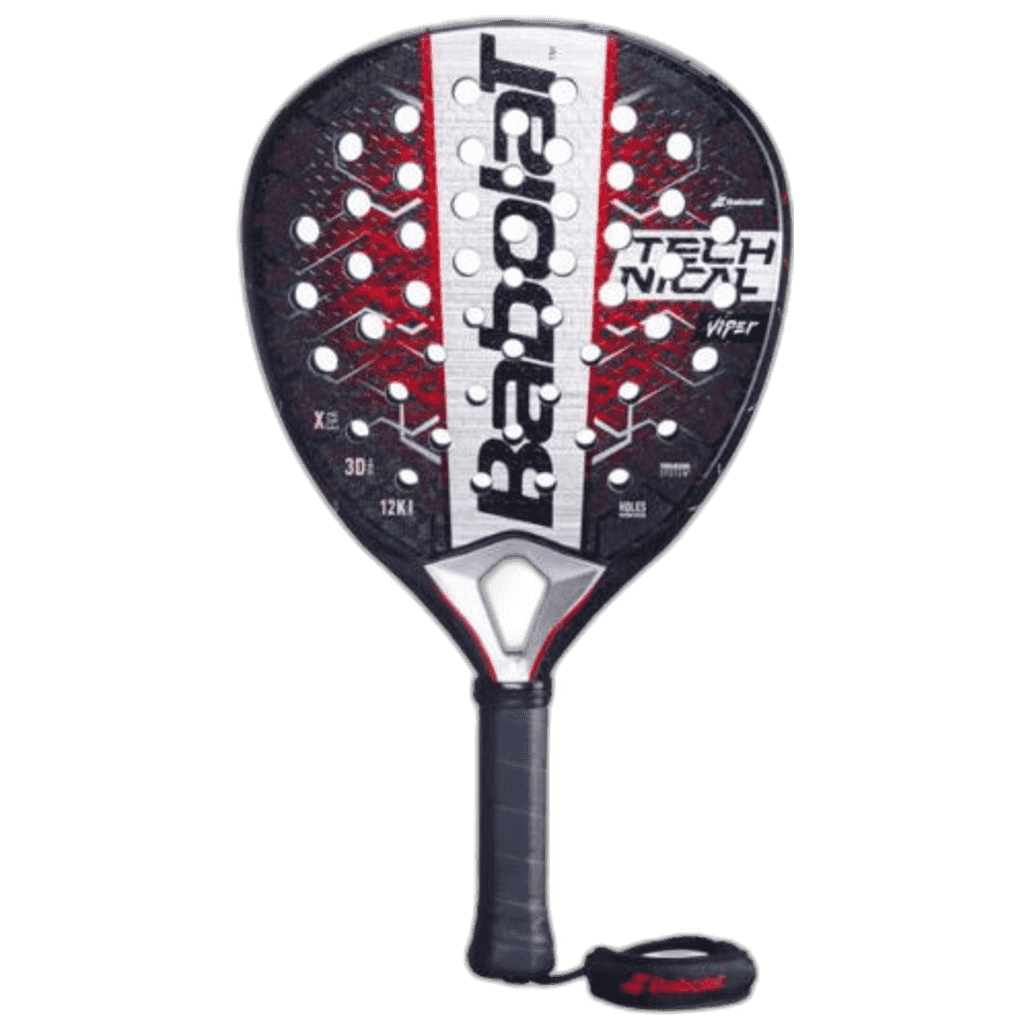 8.8
8.8Babolat · 2025
Exceptional power generation with 12K Carbon construction
Higher weight affects maneuverability
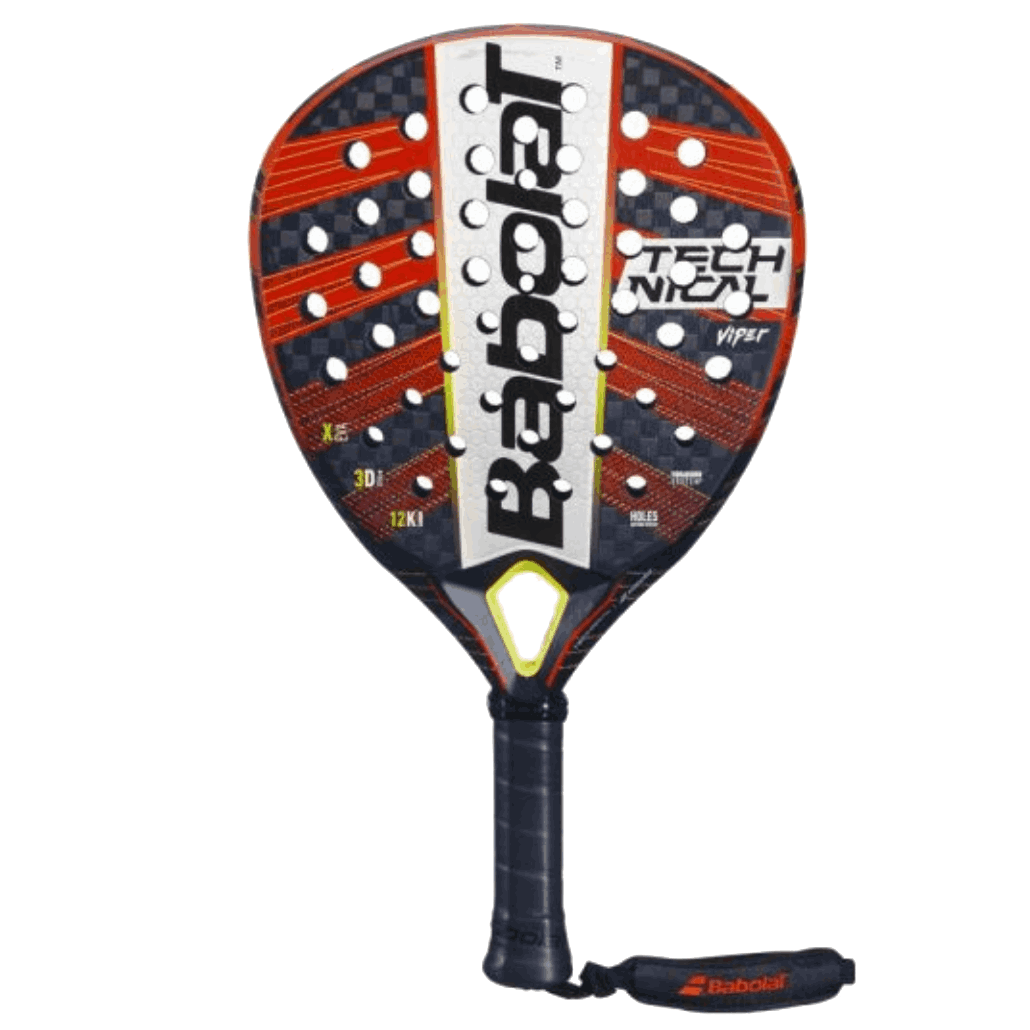 8.4
8.4Babolat · 2023
Exceptional power generation with X-EVA core
Requires advanced technique to maximize potential
 8.8
8.8Babolat · 2024
Exceptional power generation with X-EVA core
Higher weight affects maneuverability
 8.4
8.4Babolat · 2026
Outstanding maneuverability for a carbon racket
Firm feel punishes off-center contact
Want to explore more options?
Browse all rackets