
 8.5
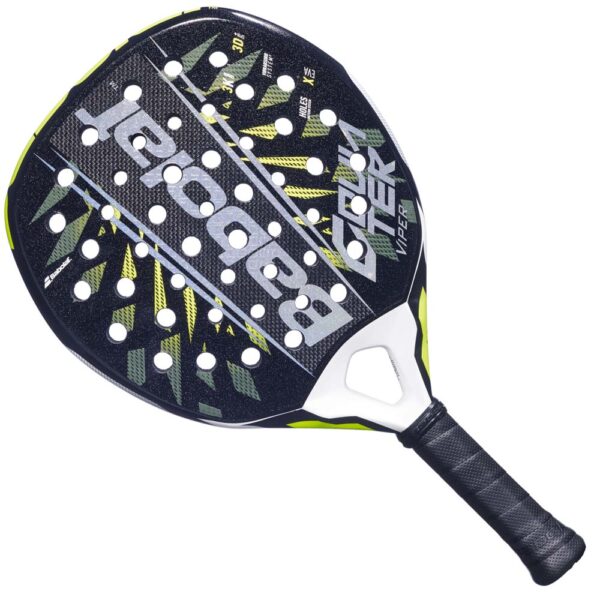
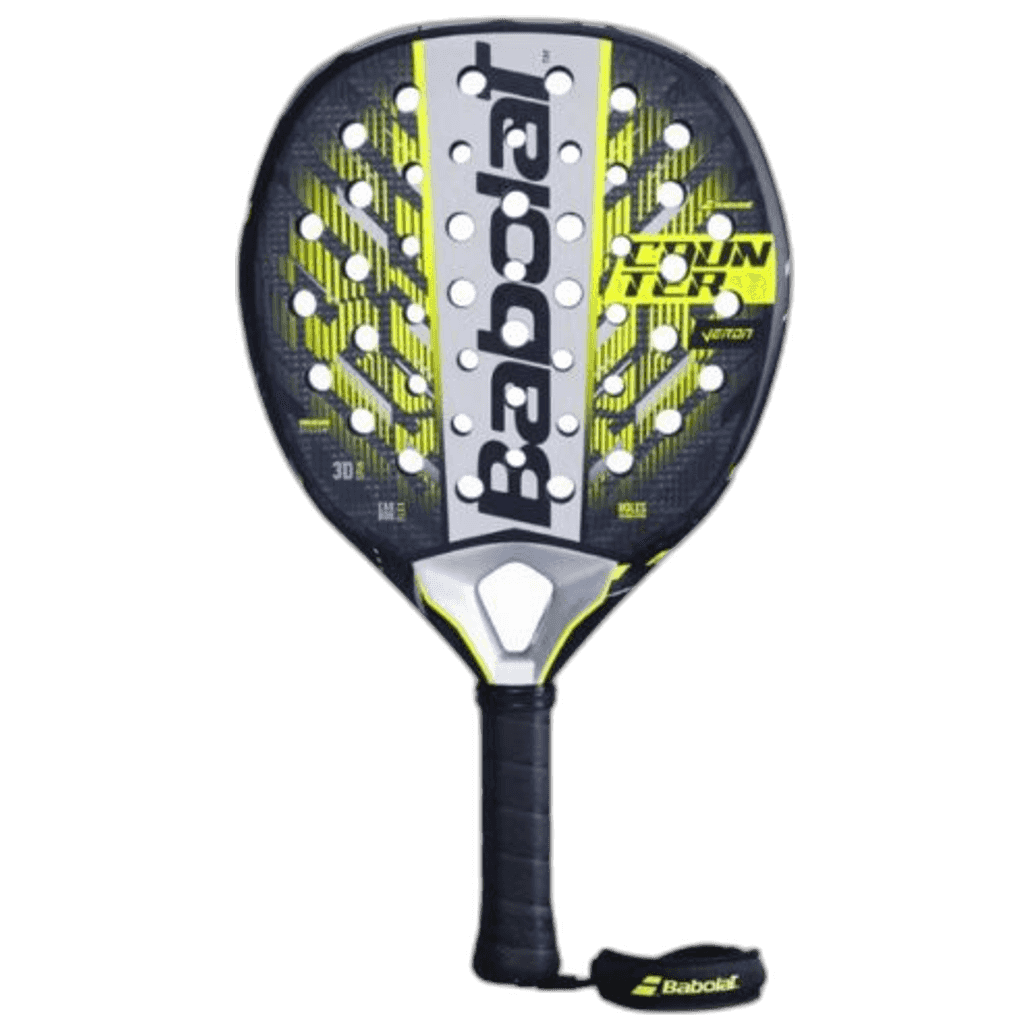
8.5Babolat Counter Viper 2026 Padel Racket
Babolat · 2026
Outstanding placement and control from the baseline
Heavy at 368g for a round frame, slower in fast net exchanges
Premium ProAdvanced
 8.5
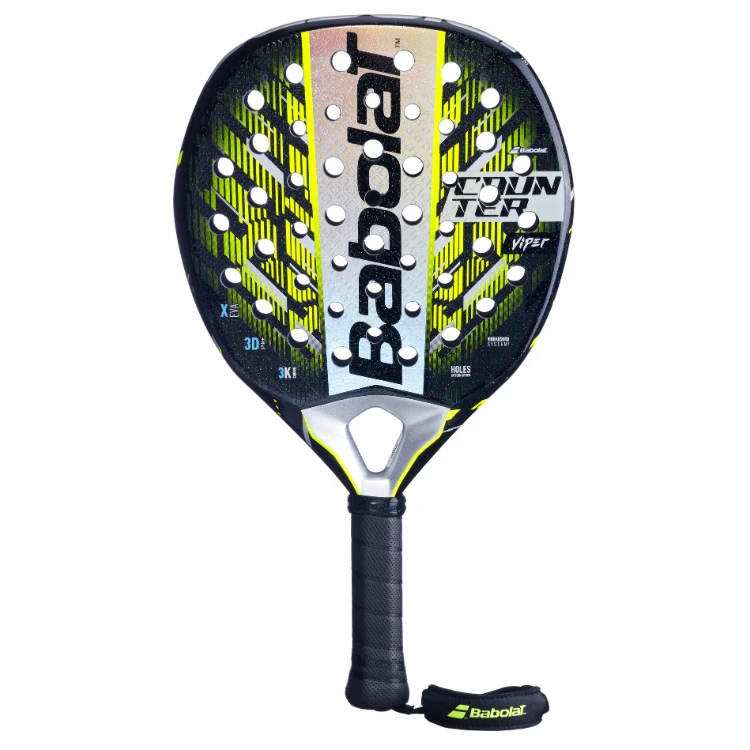
8.5The Counter Viper 2025 is the rare round racket that attacks. Its central sweet spot and controlled ball exit keep you honest from the back, while the weight and long handle put real load into the víbora and the smash. Slow on fast direction changes, and too firm for anyone still building a swing.

Left-handed right-side player with an attacking, finishing game
Always overperforms in the warm-up, always underperforms in the match. Such is life.
Babolat built the Counter Viper for the player who absorbs pressure and then ends the point. It is the round mould in the 2025 Viper line, sitting next to the hybrid Air Viper and the diamond Technical Viper, and it is the racket Coki Nieto plays. Calling it a round control racket undersells it. The balance sits high for the shape, around 265 mm, and the handle is longer than normal at 14.5 cm, so it swings more like a hybrid than a classic defensive frame.
What changed for 2025 is mostly under the paint. The core is a three layer X-EVA sandwich, stiff on the outside and softer in the middle. Damping moved to a second generation Vibrabsorb system. And a new sandpaper finish now sits over the 3D relief, which bites the ball noticeably harder on anything cut or spun. The 3K carbon face keeps the feel hard and dry. Worth noting for anyone cross shopping the line: the Counter kept the long handle that the 2025 Technical Viper lost. List price is around €320, though street prices have settled well below that.
What the Reviewers Say
Reviewers agree on what this racket is, and they disagree about what it costs you.
The mould is the first surprise. Hotel Palas measured his unit and concluded that "even with the roundest shape of the three Vipers, the balance is considerable at around 26.3 cm, and together with the 14.5 cm handle it does not feel like the typical round racket at all". He puts it with the hybrids rather than the control frames.
Dani 13 pinned down the practical consequence. Comparing it to the Technical Viper, he noted that "the sweet spot sits in the central area, which gives you better feel in defense and on the volley, but overhead you have to get used to hitting with that middle zone". He was clear that this does not make it the weaker racket of the two, only the one that asks you to recalibrate.
Padel Review's court test was the most enthusiastic of the set. They called it love at first ball and described it from the back as "a wall, where the ball never escapes you unexpectedly". Their thirteen point scorecard backs the picture: control 8.5, víbora 9, smash 8.5, spin 8.5, but maneuverability only 7 and value for money 6.5 at the full €320.
The Puntúa tu Pala de Pádel analysis, built on Fernando Fuentes' testing database, was honest about the ceiling: "on the smash it responds better when you accelerate the swing, because it does not give you the full help of a pure power racket, but it performs very well and lets you finish points cleanly".
Owners are more split. Across 76 ratings on Racketguide the racket averages 4.0 out of 5, and the recurring note is the one Padel Review scored lowest. As one advanced player put it: "great control and precision, good on powerful shots too, and a big forgiving sweet spot, but the handling at the net is not its best side." Several owners also flag the hard feel as demanding on the elbow over long sessions.
How it plays..
The Counter Viper 2025 rewards a committed, full swing more than most round rackets do. The weight and the long handle put genuine load behind a víbora or a flat smash, and the ball leaves the face predictably instead of springing away, so a second and third hard ball stay in the court. The cost is where the sweet spot sits. It is low and central, so the leverage a diamond hands you on the upper corners is not there, and players used to finishing from the top of the face will need a few sessions before the overhead game comes back.
Defense
Defense is where the round mould earns its place. The face responds uniformly and the ball exit is progressive, so blocks and wall returns land where you aimed rather than floating long. The central sweet spot means off centre contact still comes back deep, which is what reviewers mean when they call it solid under pressure. Lobs are the soft spot. The hard, dry touch gives you no free height, so you have to lift them yourself, and lobs scored lowest of all the baseline categories in Padel Review's test.
Attack
This is a round racket that attacks. The 365 g nominal weight and the high balance carry mass into the smash, and the long handle adds leverage when you reach up for the ball. It will not do the work for you: ball exit is controlled rather than explosive, and it responds to an accelerated arm swing far better than to a short, wristy flick. The víbora is the standout, scored 9 out of 10 in Padel Review's test, with the sandpaper finish gripping hard enough to bring the ball down sharply.
Netplay
At the net the feel is dry but reactive, so blocked balls come off the face rather than dying on it. Depth and placement are easy to find, and the rough surface shows up clearly on sliced volleys. The trade-off is speed. At 365 g with the balance up the head, fast direction changes are the one thing reviewers and owners agree it does not do well, and the lighter Air Viper is the better tool for pure volley duels.
Our Advice for New Players
Not a first racket. The touch is hard and dry, the weight is real, and a beginner who mishits will feel every one of those misses in the arm. The big sweet spot is genuinely forgiving, but forgiveness is not the same as help: this frame gives back what you put in. Start with something softer and lighter and come back to it.
Our Advice for Intermediate Players
Solid intermediates who already hit through the ball are the natural buyers. One racket that defends cleanly and still finishes points is exactly what this level tends to want, and the large sweet spot covers the days when timing is off. Expect a short adjustment period: overheads land differently than on a diamond, and the weight asks for reasonable shoulder conditioning. Players still building swing technique should wait.
Competitive level
Advanced players get a racket with no obvious weakness. It holds its line against fast balls, blocks and counters cleanly, and has enough weight and spin to end points from above. Pure attackers chasing maximum raw power will still prefer a diamond, and a number of owners report that the hard feel becomes noticeable in the elbow over long sessions. Everyone else gets a frame that covers the whole court.
How It Compares
Against the Babolat Air Viper 2025, the choice is clean. The Air Viper is a diamond, roughly 10 g lighter and quicker at the net. The Counter Viper has the bigger, more forgiving sweet spot and the better overhead game. Pick the Air Viper if fast volley exchanges are where you win your points, and the Counter Viper if you want one racket for both jobs.
Against the Babolat Technical Viper 2025, the Technical is firmer, uses 12K carbon faces and places its sweet spot higher up, which suits players who already accelerate hard from above and want that extra leverage. The Counter Viper is the more tolerant of the two, and it kept the long handle that the Technical dropped.
One value note worth knowing before you pay list price: Padel Review found the 2026 Counter Viper practically identical to this 2025 model, which makes the 2025 at a discounted street price the better buy of the two years.
Research & References
Our mission is to help you choose the right padel racket with clear, in-depth reviews that make it easy to level up your game. We start with official specs, then break down each racket’s key properties. Finally, we bring together trusted video and written reviews—summarised into one consistent, easy-to-read overview.
Drafted by Padelguru from expert video and written reviews, with Christoph Herrmann's playing profile as an editorial lens, then reviewed and edited by Christoph Herrmann. No one at Padelguru play tested this racket for this review. Specifications come from Babolat and from verified retailer spec sheets.
Put the rackets you are considering side by side and keep the ones you play with in your collection.
Get the Padelguru app
Recommended for
Intermediate to advanced players on either side who want one racket that holds up under pressure and still finishes points. Best suited to players who already swing through the ball.
Skill level
Intermediate, High Intermediate, Advanced, High Advanced
Court position
Both sides, Right, Backcourt, Net
Play style
Control, Balanced, Counter-attacking, Tactical, All-court
Best at: Control (9.2/10)
Average: 8.1/10
Hotel Palas: TECHNICAL VIPER vs AIR VIPER vs COUNTER VIPER, ¿Cuál es MEJOR para ti?
Dani 13: BABOLAT COUNTER VIPER VS TECHNICAL VIPER
Shape
Round
Weight
Medium (356–370g)
Balance
Power-Oriented (Head-Heavy)
Touch
Medium Hard
Core
X Eva Three Layer Sandwich
Surface
3K Carbon With 3D Spin+ And Sandpaper Finish
Texture
Rough
Year
2025
8 rackets with characteristics, performance and appeal close to the Babolat Counter Viper 2025.
8.5Babolat · 2026
Outstanding placement and control from the baseline
Heavy at 368g for a round frame, slower in fast net exchanges
 8.7
8.7Babolat · 2025
Exceptional control and precision
Higher price point
 8.7
8.7Babolat · 2022
Multi-density X-EVA core provides excellent control and power balance
Head-heavy balance may require adjustment period
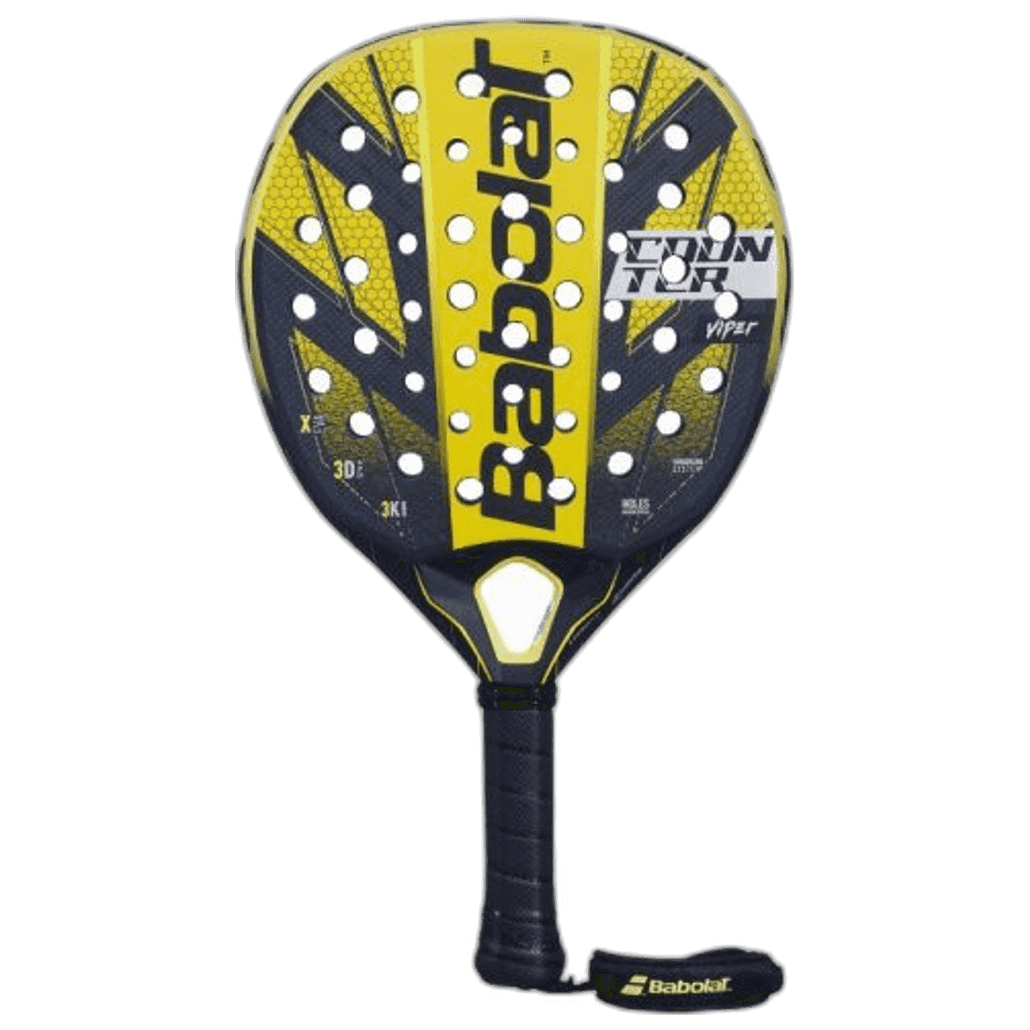 9
9Babolat · 2024
Exceptional control and precision with 3K Carbon surface
Price point may be high for casual players
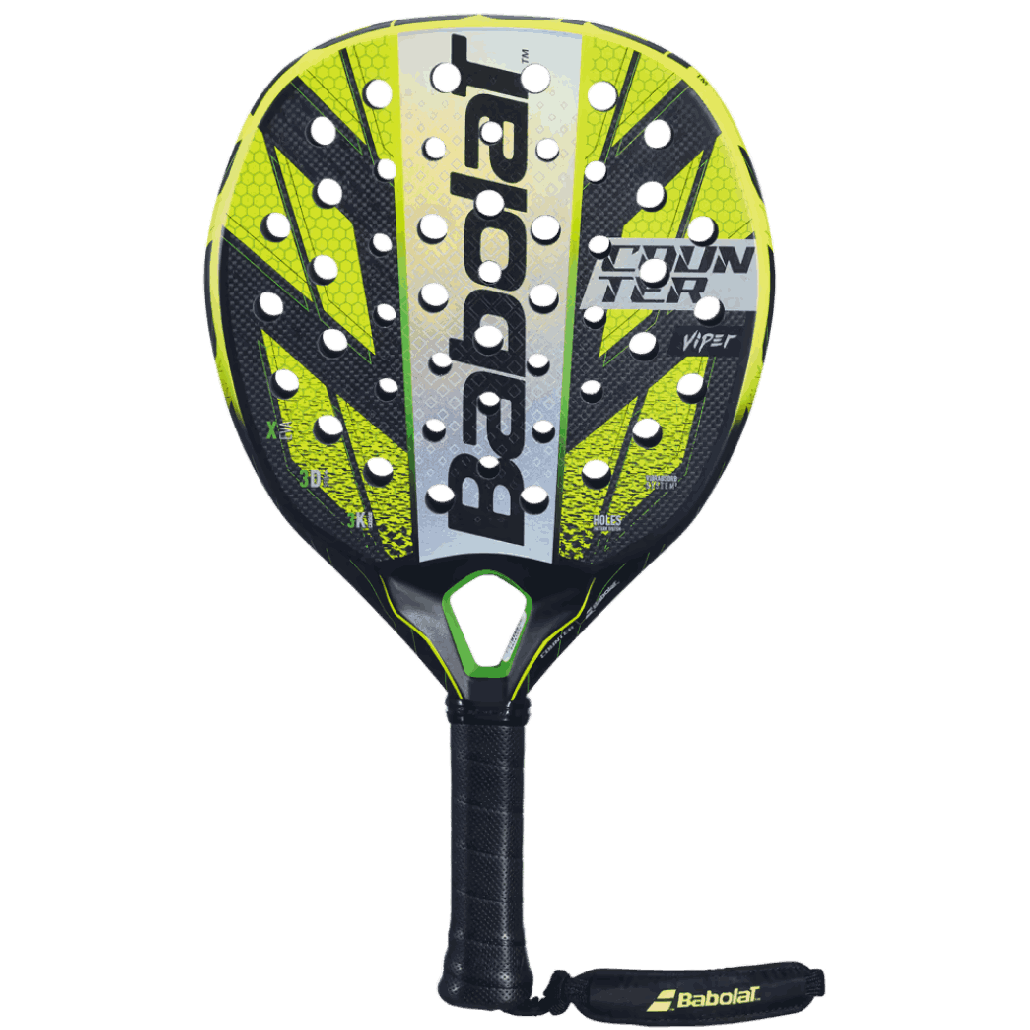 8.7
8.7Babolat · 2023
Exceptional control and precision with 3K carbon faces
Less explosive power compared to offensive rackets
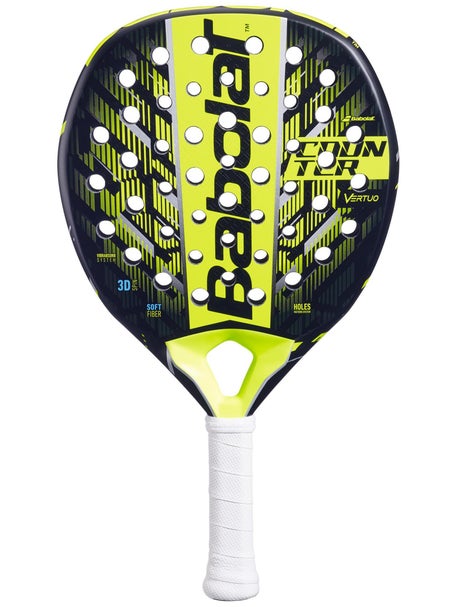 6.5
6.5Babolat · 2025
Large, forgiving sweet spot
Soft core limits pace generation
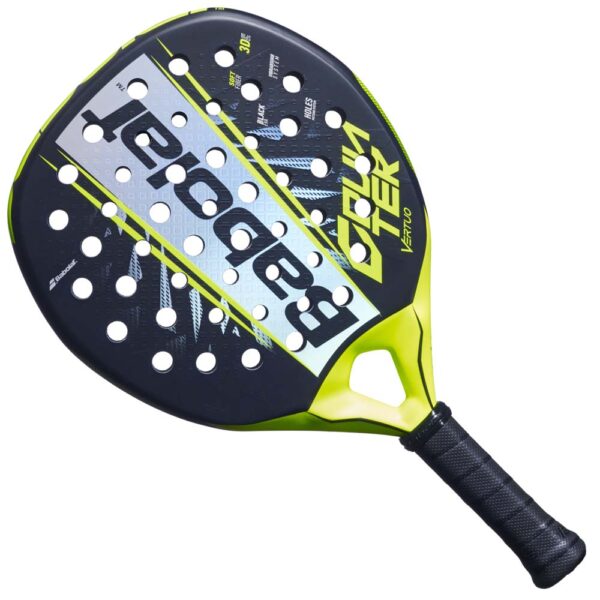 7
7Babolat · 2026
Large, forgiving sweet spot
Low power output by design
 8.7
8.7Babolat · 2025
Exceptional control and precision with round shape and neutral balance
Not ideal for pure power players
Want to explore more options?
Browse all rackets