
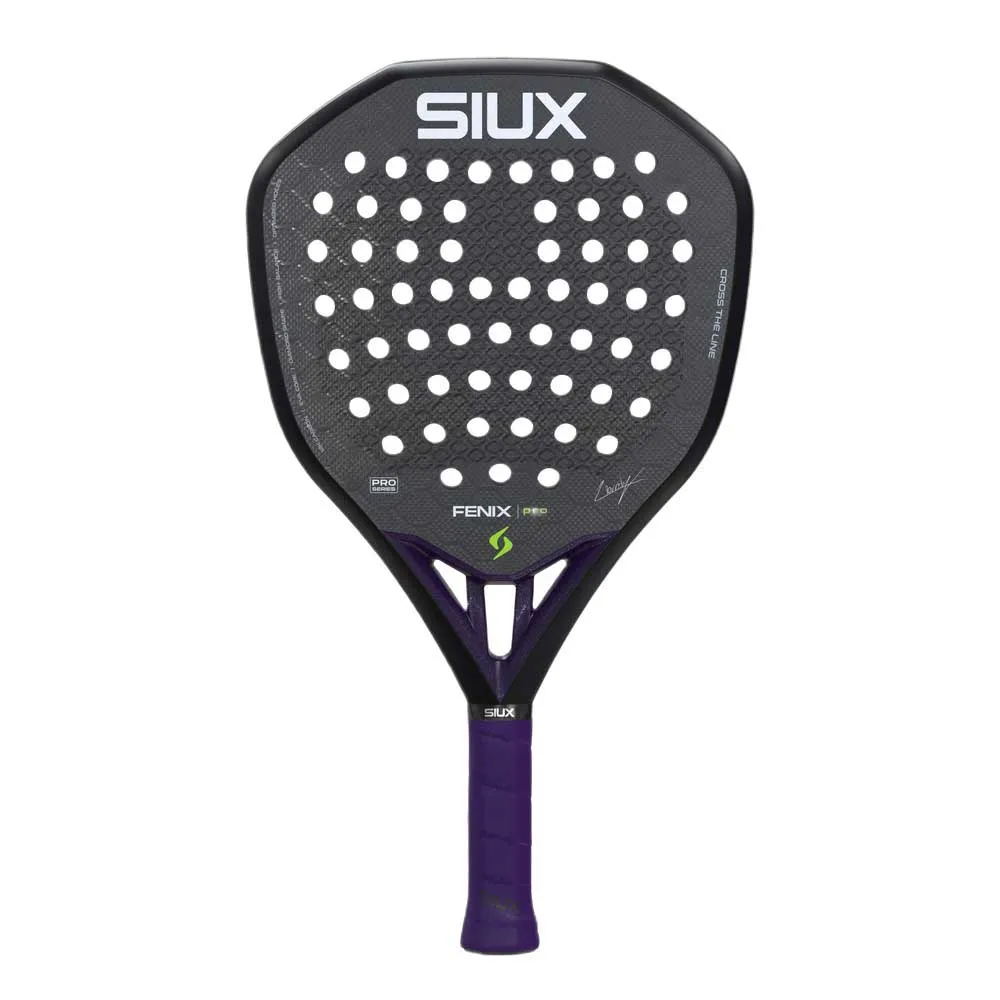
 8
8Siux Fenix Pro 2026 Glow Purple
Siux · 2026
Exceptional smash and overhead power
Compact sweet spot punishes off-centre hits
PremiumAdvanced
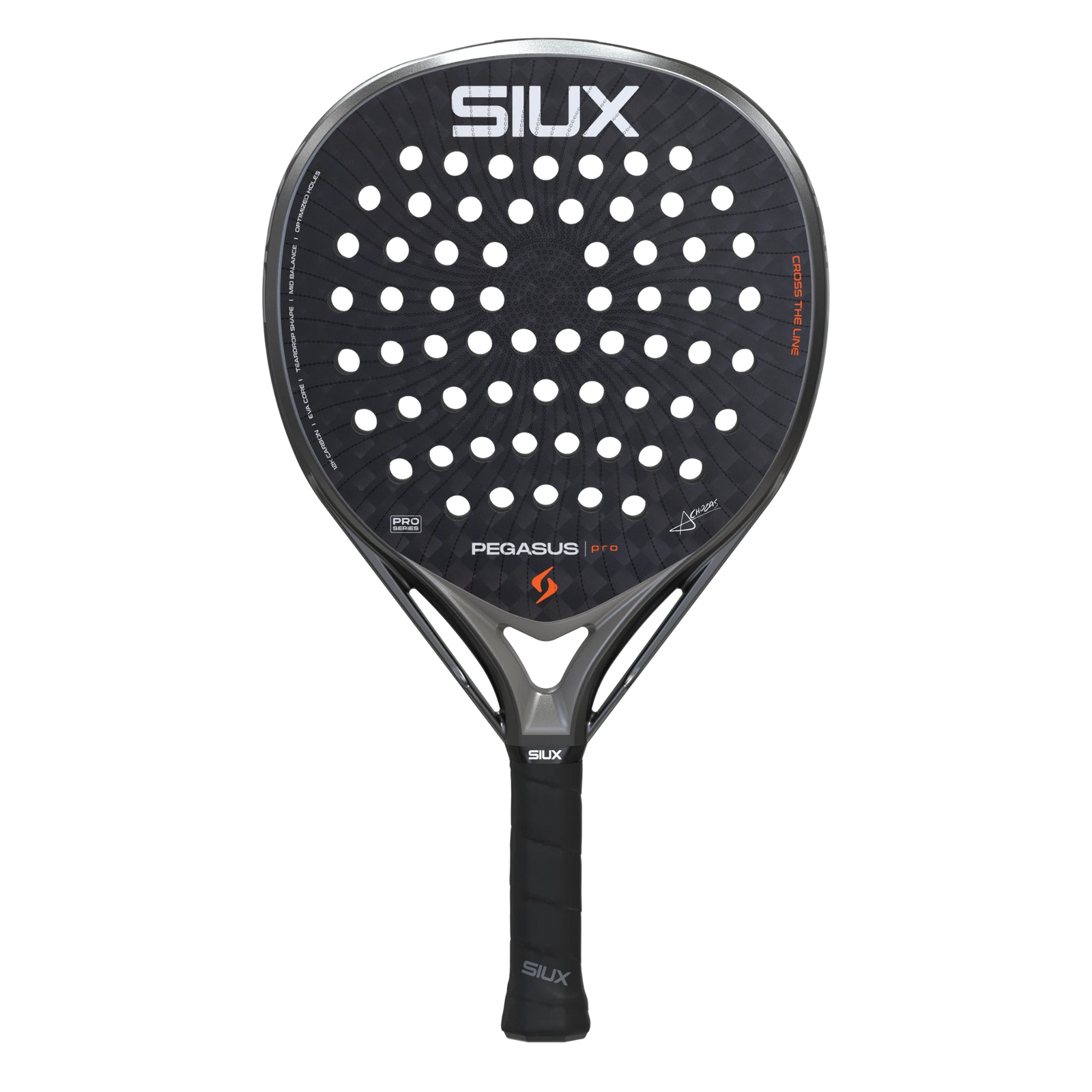 7.8
7.8Reviewers keep landing on the same two things: clean directional feedback and excellent bite on the bandeja and vibora, but very little free ball speed. It suits advanced players who already swing fully and want precision over help. Anyone with a sensitive elbow, or who needs the racket to add pace, should look elsewhere.

All-court player who prizes control, feel and spin
Bowe is convinced that the racket, shoes, court are the problem, never his own abilities.
Siux rebuilt the Pegasus for 2026 and handed it to Álex Chozas. The name is an old one. This is the mold Cristian Gutiérrez played years ago, brought back with a new shape, a reworked bridge and a much deeper surface texture. It sits at the top of the 2026 range as the hybrid option rather than the pure attacking one.
Three things actually changed this season. The mold is new, which widened the hitting area and kept the balance nearer the middle instead of up in the head. The bridge now has openings cut into it, which Siux uses to move air and take the edge off vibration. And the roughness went from a flat sanded finish to a raised wavy pattern you can feel under your thumb. Siux also split the line, so the softer Pegasus Elite 2026 covers the players who want help, and the Pro is free to stay firm.
One more thing worth knowing before you shop: Storm Grey and Lava Orange are the same racket with different paint. The materials are identical, and reviewers who have hit both report the orange feeling a touch stiffer off the face.
What the Reviewers Say
Reviewers agree almost completely on the feel, and split on how much power comes with it.
Carlos González Cañas, writing as Time2Padel's verified expert, is the most direct about the trade-off: "Siux has made its 2026 rackets stiffer across the board, and in the Pegasus that lands as a dry, medium-hard impact with low ball output, and in this Pro version the rubber is simply not reactive." His own scores put control and spin at 8 out of 10 and ball output at 6.
Time2Padel's separate hands-on piece backs that up from the back of the court: "It does not punish you at the back, the sweet spot is wide enough to lift good lobs, and the stiff feel gave us real confidence on blocks where you have to hold the face firm." The same review is blunt about the ceiling overhead. It is not the most powerful racket out there, and the core does not push the ball for you.
Rhea Mhae Villena at PadelJuju reaches the same conclusion from the other direction: "It amplifies your technique, but it does not generate effortless power on its own." She rates the bandeja and vibora as the standout and marks resets only average, because the racket will not carry a soft ball for you.
PadeLMQ, who run it as a test racket, describe a first impression of solid and stable, with the 12K faces giving "a firm impact with controlled power" and the sweet spot sitting just above the middle.
Padelreference is the outlier on power, scoring it 9 out of 10 while marking maneuverability at 6. Read next to the others, that looks like a ceiling rather than a floor. The speed is in there if your technique can reach it.
The one real disagreement is the sweet spot. Time2Padel and PadeLMQ call it wide, PadelJuju calls it playable but not generous. The honest reading is that it is forgiving for a firm teardrop and unforgiving next to a round control frame.
The video testers who spent real court time with it push back on one point: how firm the racket actually is. Probando Palas, who rate it among the most versatile rackets of 2026, are explicit about the touch: "It is medium plus a point or two, it never reaches medium-hard at any point, and at medium pace the ball comes off without much effort." They also set it directly against the Electra Pro and call the Pegasus Pro the more controllable and less demanding of the two.
Roberto Cardi, testing the Lava Orange build on court, scores it high almost everywhere and lands on the same limit: "The maneuverability is remarkable and the cut shots are excellent, what I miss is a bit of weight in the ball." He rates the smash a 10 out of 10 and adds a buying note worth repeating, that the racket comes alive around 365 to 370 grams and feels thin at 360.
Padel Reviews, who tested it against their own Siux Fenix Pro, offer the most useful correction: "The biggest surprise wasn't the power, it was the maneuverability." They call the sweet spot enormous, and report that the core felt noticeably softer on court than the hard EVA label suggests. Their one complaint runs against the spec sheet rather than with it, that they wanted the 3D texture to bite even harder.
How it plays..
The appeal here is the feedback. Contact is dry and you always know where on the face you hit it, and the new wavy roughness is deep enough to genuinely bite on slice, which is rarer than the marketing on most rackets suggests. The cost is comfort and top-end power, because a full carbon frame damps very little, though every tester who played it on court found the core softer and more willing at medium pace than the hard EVA label suggests. Worth it if precision and spin are what you are actually buying, and worth skipping if you want the racket to do part of the work.
Defense
Solid rather than easy. The balance sits close enough to the middle that the head does not drag behind you in the corners, and reviewers consistently rate the blocks highly: hold the face firm against a heavy ball and it stays square. Lobs are the catch. There is no trampoline in the core, so depth on a defensive lob comes from your swing and not from the racket, and a short, rushed lift lands short.
Attack
This is where the 12K face and the hard core pay off, but only on a complete swing. Smashes come off fast and flat when you commit and rotate through the ball, and on a late or lazy arm it feels noticeably weaker than the spec sheet implies. The bandeja and vibora are the real highlight. The raised texture holds the ball long enough to bend it down hard, and the stiff face keeps the trajectory honest.
Netplay
Quicker in the hand than most attacking frames at this weight, because the balance is medium instead of head heavy. Volleys go where you point them, and the face does not twist much on a hard, low return. Touch is the trade-off. Drop shots and short angles have to come from your hand, because the racket offers no help on a soft ball.
Our Advice for New Players
Not a beginner racket. It asks for a complete swing and answers off-centre contact with short, dead balls, so a developing player will get less out of it than from a round frame at half the price. The lack of damping also makes it a poor place to build technique.
Our Advice for Intermediate Players
Strong intermediates with a reliable overhead can enjoy this, especially in the lighter builds around 360 grams. If the bandeja is already consistent and the goal is more spin on it, the racket rewards that directly. If depth from the back still depends on the racket helping, the softer Pegasus Elite 2026 is the same shape and the better buy.
Competitive level
This is the target player. Advanced players who generate their own pace, play both sides and care about placement get a precise, predictable tool with real spin. The one thing to test before buying is comfort across a full match, because hard EVA inside a full carbon frame gives very little vibration relief. Anyone with elbow history should find a test racket first.
How It Compares
Against the Siux Fenix Elite 2026, the Pegasus Pro is the more versatile of the two. The Fenix is a diamond with a higher balance: more explosive overhead, harder work in defense and in fast net exchanges. Pick the Fenix if you play left and build every point towards a smash. Pick the Pegasus Pro if you switch sides, defend properly, and want the racket to stay quick in your hand.
Against the older Siux Pegasus Revolution 2 2024, the 2026 is the firmer, drier racket with far more surface grip and much less free ball output. The Revolution 2 is the friendlier buy if you want a Pegasus that still gives you depth. The 2026 Pro is for players who would rather supply the power themselves and keep the precision.
Research & References
Our mission is to help you choose the right padel racket with clear, in-depth reviews that make it easy to level up your game. We start with official specs, then break down each racket’s key properties. Finally, we bring together trusted video and written reviews—summarised into one consistent, easy-to-read overview.
Drafted by Padelguru from published expert reviews and hands-on test reports, with Bowe Frankema's playing profile as an editorial lens, then reviewed and edited by Bowe Frankema. Nobody on the Padelguru team has played this racket, so nothing here is presented as our own on-court testing.
Put the rackets you are considering side by side and keep the ones you play with in your collection.
Get the Padelguru app
Recommended for
Advanced and strong intermediate players who generate their own pace, play both sides, and want crisp feedback and spin rather than easy ball output.
Skill level
High Intermediate, Advanced, High Advanced
Court position
Both sides, Net, Service line
Play style
Offensive, Balanced, All-court, Tactical
Best at: Control (8.5/10)
Average: 7.9/10
Siux Pegasus Pro de Chozas, la pala mas polivalente que he probado en 2026
Recensione Siux Pegasus Pro 2026, maneggevole e compatta
Siux Pegasus Pro 2026 Review
Shape
Teardrop
Weight
Medium (356–370g)
Balance
Balanced (Even)
Touch
Medium Hard
Core
Hard Eva Pro
Surface
12K Carbon
Texture
3D Pattern
Year
2026
8 rackets with characteristics, performance and appeal close to the Siux Pegasus Pro 2026 Storm Grey.
8Siux · 2026
Exceptional smash and overhead power
Compact sweet spot punishes off-centre hits
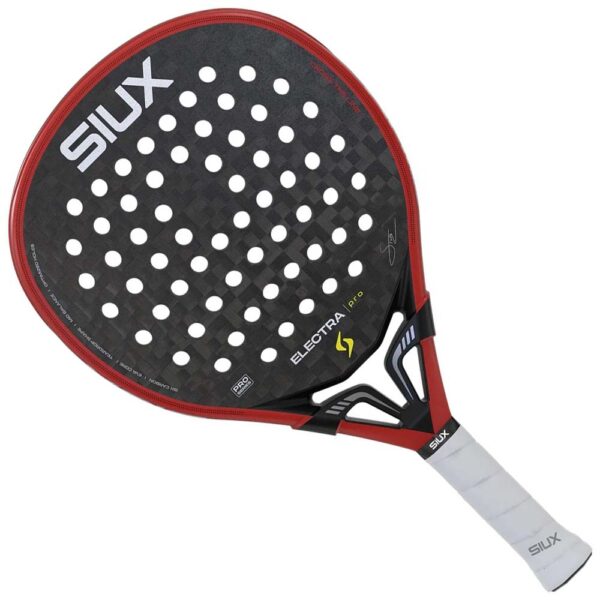 7.8
7.8Siux · 2026
Crisp, connected feel on clean hits
Less forgiving than the ST4 2025 at medium pace
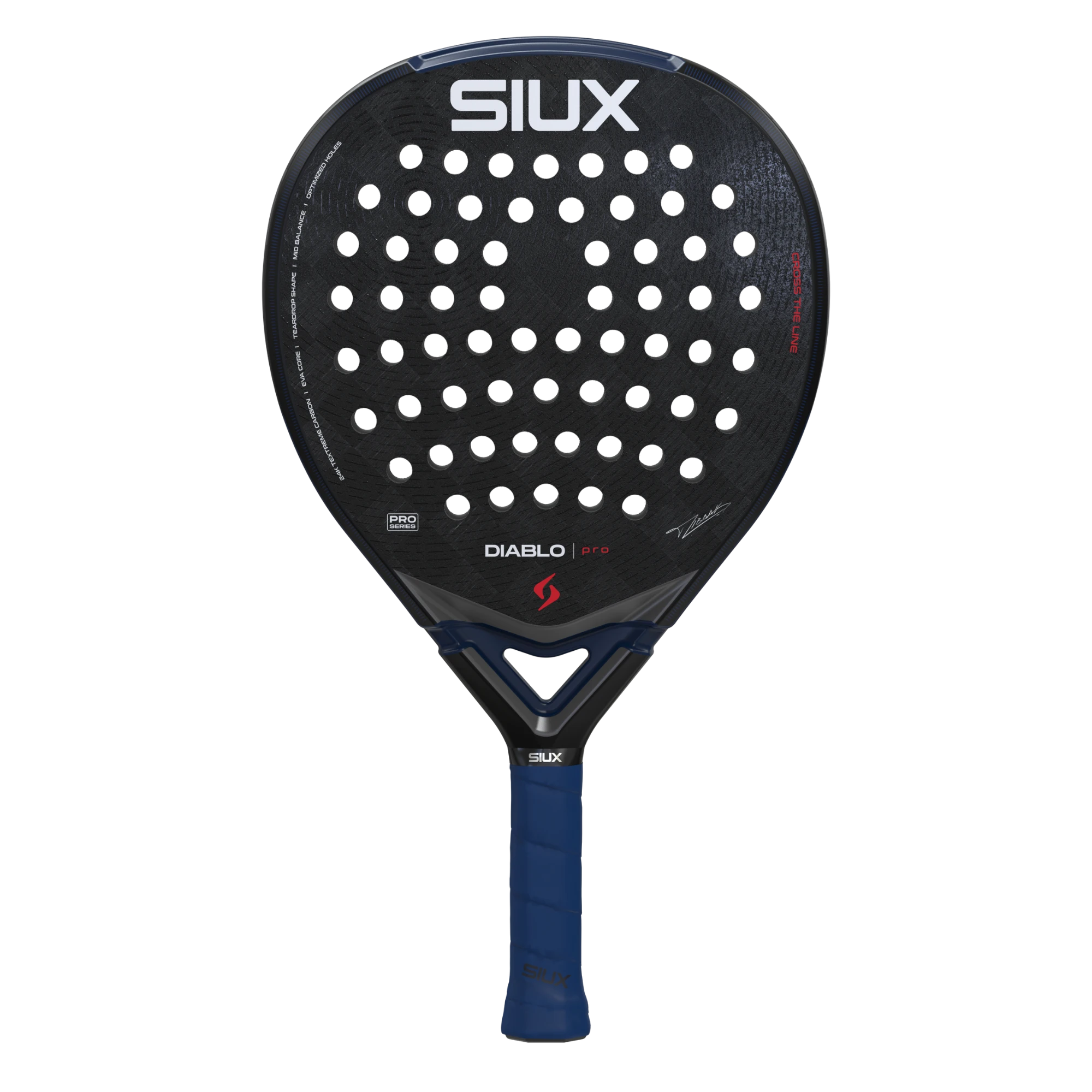 8
8Siux · 2026
Outstanding ball feel and dry touch
Limited help on flat smashes at high swing speed
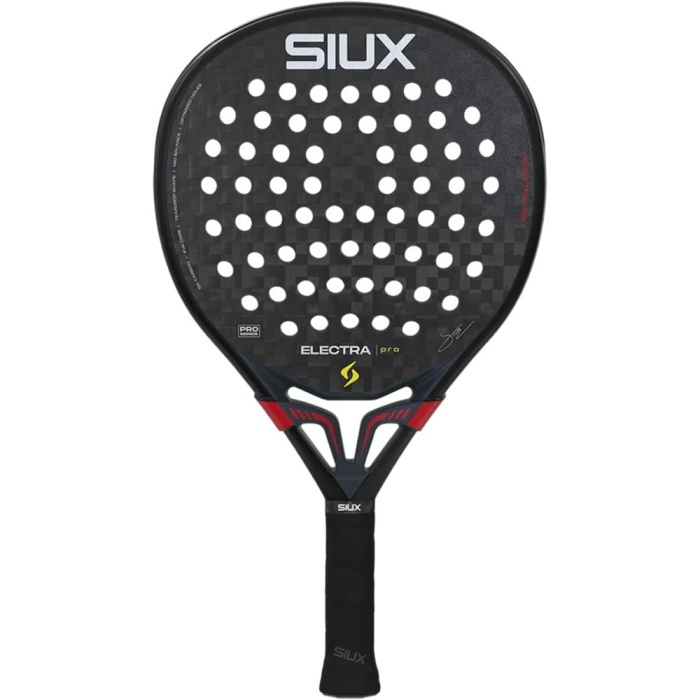 8.2
8.2Siux · 2026
Precise ball placement at high pace
Less forgiving than previous Electra versions
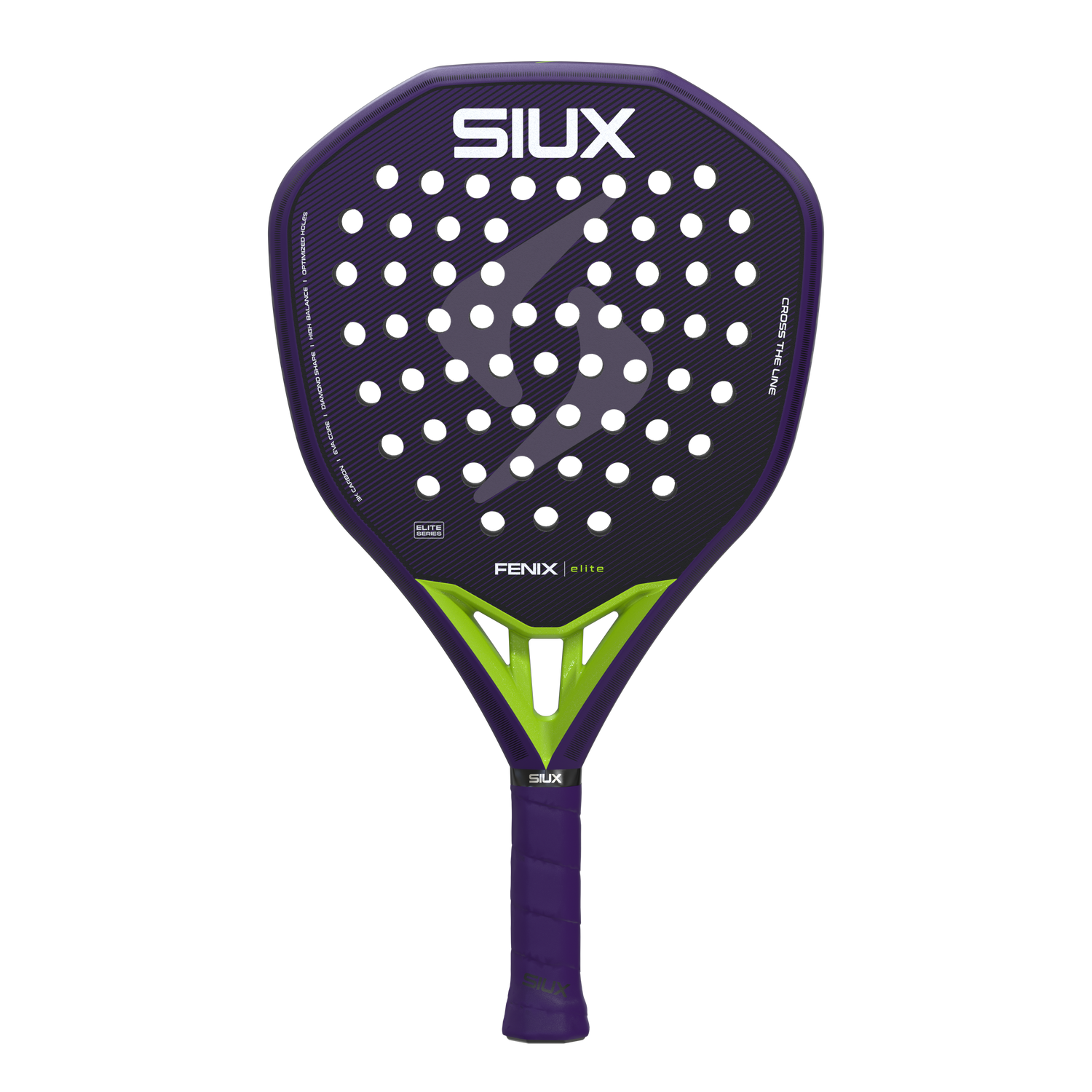 7.5
7.5Siux · 2026
Explosive smash and vibora power
Demanding maneuverability in defense and fast net exchanges
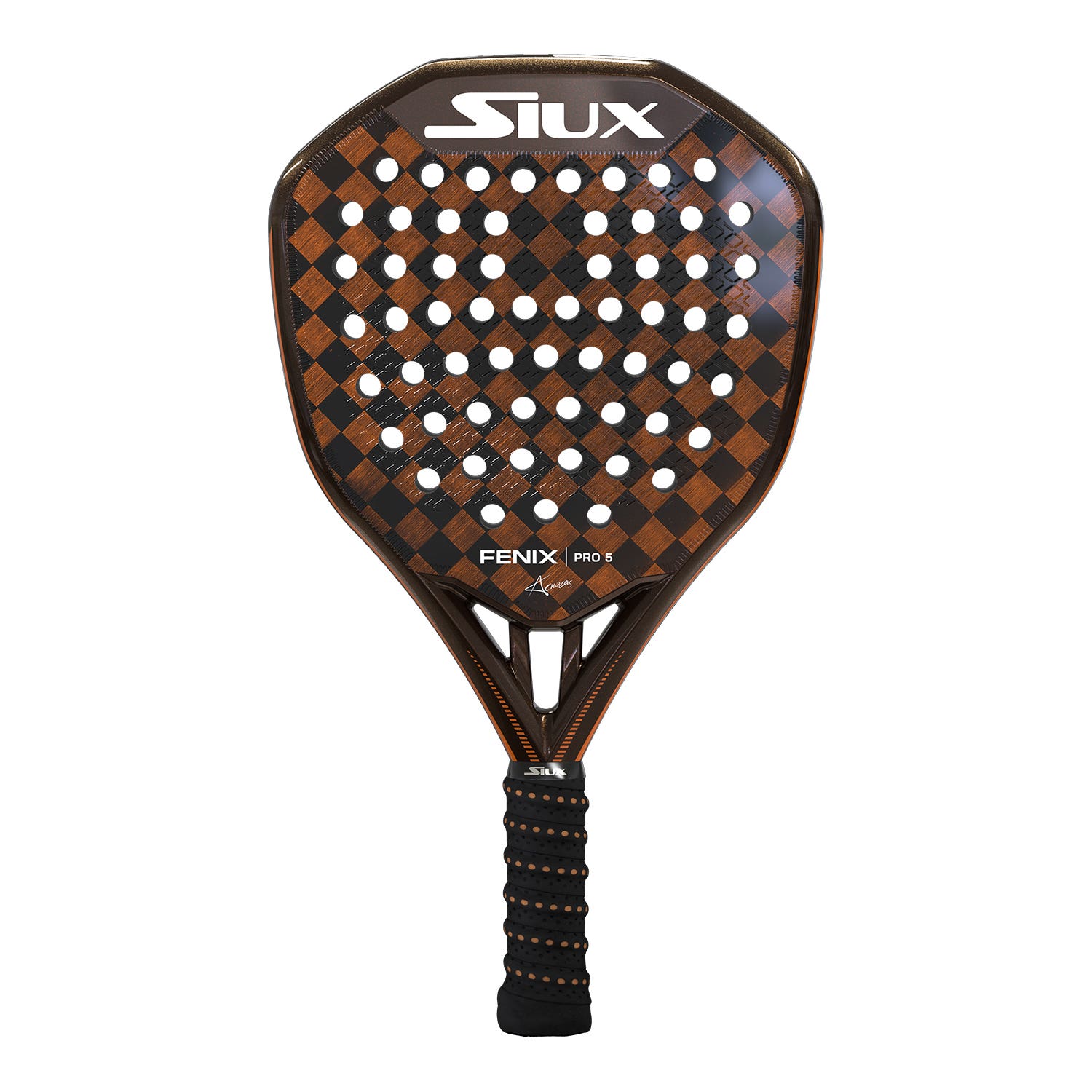 8.4
8.4Siux · 2025
Enormous smash power
Slow to manoeuvre on defence
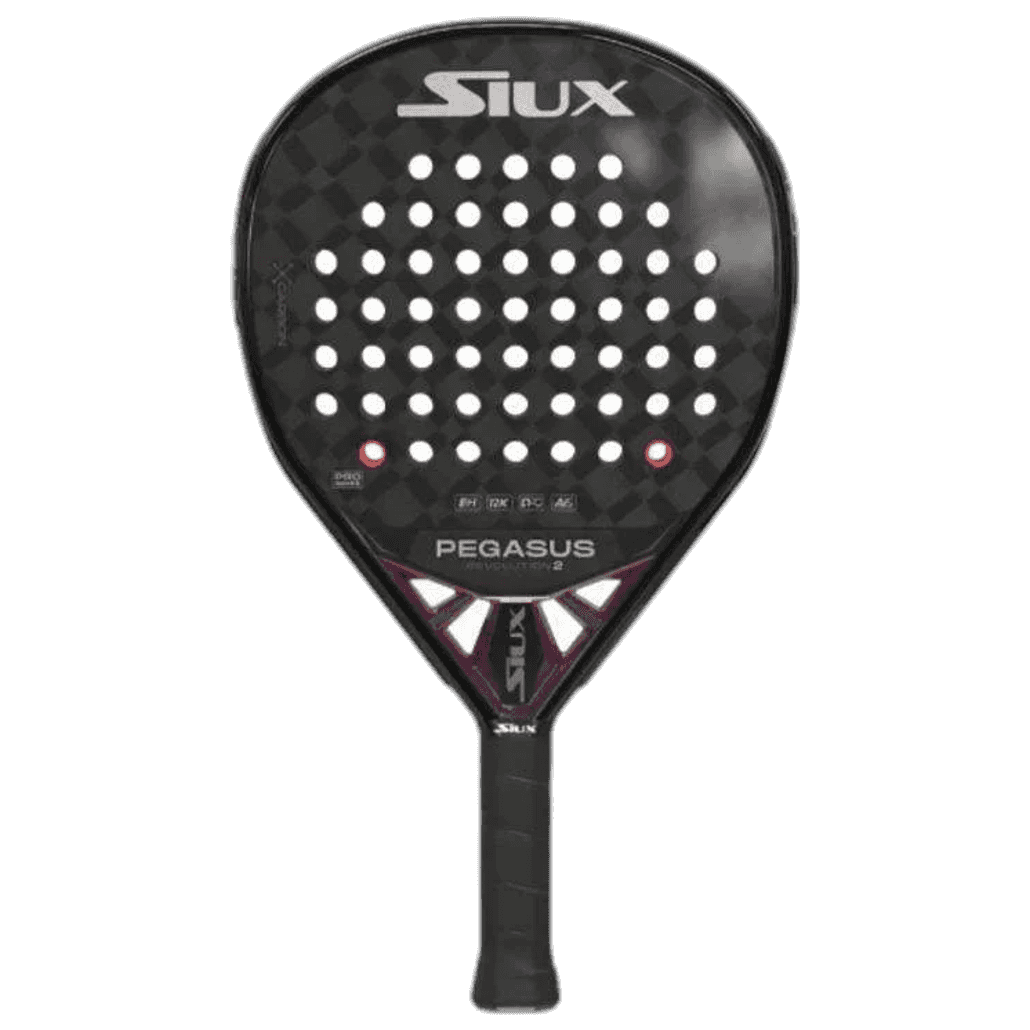 9
9Siux · 2024
Premium 12K X Carbon construction for exceptional durability
Premium price point
 8.7
8.7Siux · 2026
Low, penetrating volleys that keep opponents pinned at the back
Punishes off-centre contact with a clear drop in pace and feel
Want to explore more options?
Browse all rackets