
 8.4
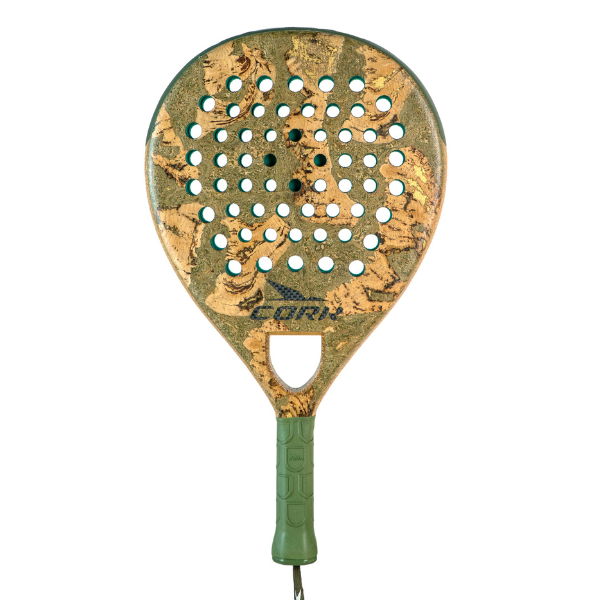
Cork Supreme Control III 2025
Cork · 2025
Excellent control and placement
Limited free power on flat smashes
Premium ProHigh Intermediate
 7.6
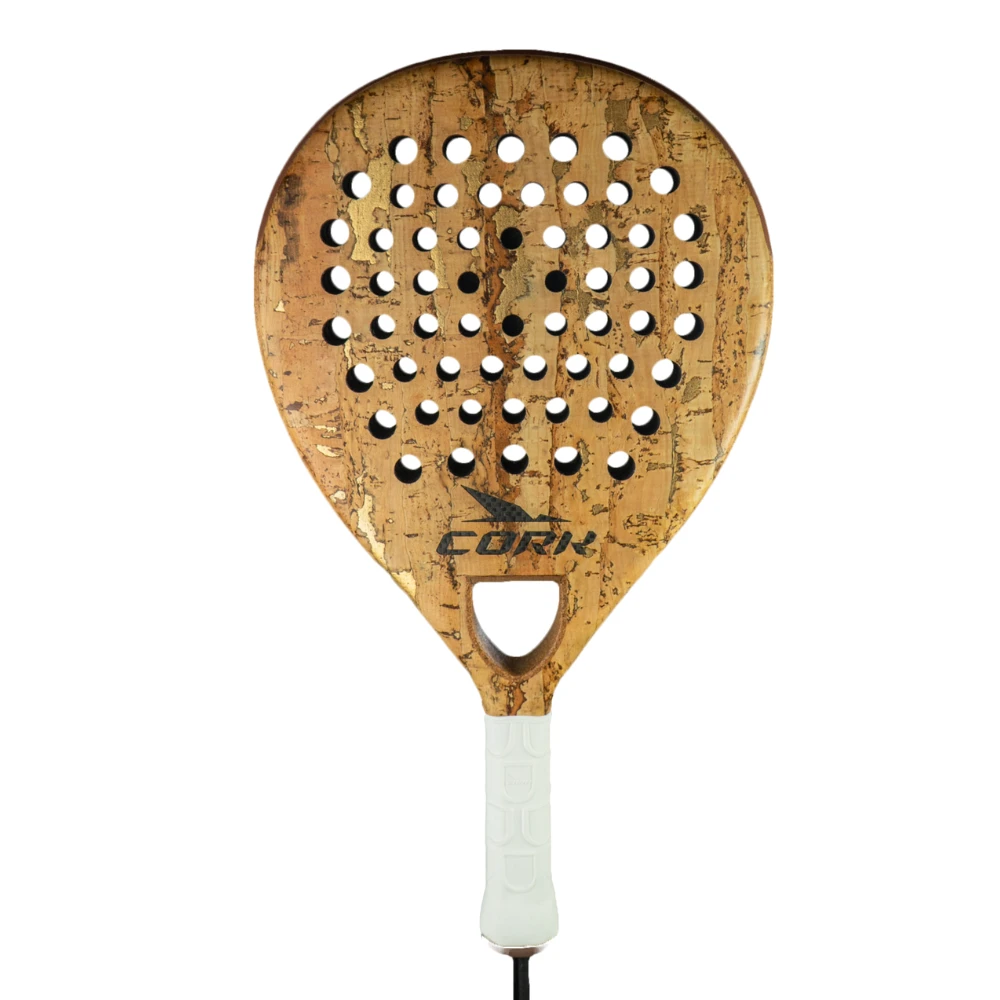
The Classic is quick in the hands, soft on the arm and forgiving off-centre, so blocks and resets stay calm. It suits intermediates and players with elbow or wrist trouble who build points. Heavy hitters who finish with flat smashes will miss head weight.
Cork · 2024

Tactical right-side player who builds points and reads the game
Tactical right side player who is not afraid of using every trick in the book to "disturb the rhytm" of the opponent.
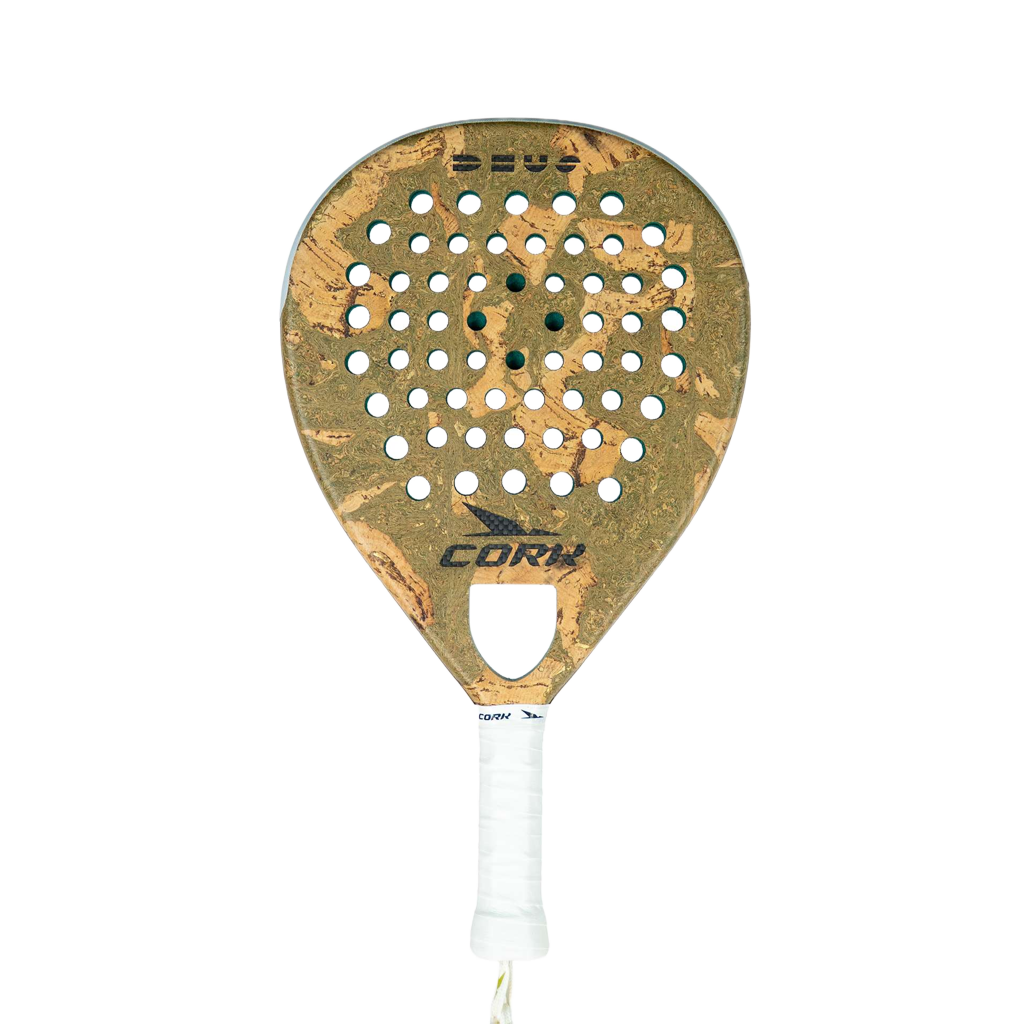
The Cork Classic comes from the Portuguese brand Cork, which builds its rackets around a natural cork layer in the face. It replaced the Light III as Cork's best-selling model and keeps a teardrop shape, a low balance and a very light weight of around 340 to 355 g. The face mixes cork with 3K carbon over a medium-soft hybrid EVA core.
Compared with the Light III, the main change is the drilling. The holes now come in four sizes, and the cross holes in the centre are only half drilled. Cork says this enlarges the sweet spot and stops the trampoline effect on hard balls. A waterproof, replaceable strap and an anti-vibration cap complete the package. At around 320 euros it sits at the top of the price range, which is a lot for a racket aimed at intermediate players.
What the Reviewers Say
Reviewers agree on comfort and handling. Padel Smash TV calls the first impression "like holding a work of art" and praises the vibration damping for players with padel elbow. Their main complaint is weight: they found it too light to generate real power on smashes and other attacking shots.
Argentoguês, who played with a 348 g version for four months while recovering from a wrist injury, is more positive about attack. He says the light frame lets you move the racket fast enough to finish the ball, and that blocks work best when you simply hold the face still and let the racket do the work. He also found that the low weight let him correct a late bandeja or víbora. Note that Cork prepared his racket, so his view is not fully independent.
How it plays..
The Classic helps you build a rally. It is quick at the net, calm on blocks and forgiving when you are stretched, which is what a point builder on the right side needs. The trade-off is that it gives you little extra when you want to close a point with a flat smash, so you finish with placement and angles rather than weight.
Defense
Defense is where the Classic is strongest. The low balance and light weight make it easy to get the racket to the ball off the glass, and the half-drilled centre keeps hard balls from flying off the face. Lobs and resets come out controlled.
Attack
In attack, the reviewers split. Padel Smash TV found the power lacking for flat smashes. Argentoguês says fast arm speed lets you still put the ball away. Both points fit the specs: there is little head weight, so power depends on your swing speed and technique.
Netplay
At the net the racket is very quick. Volleys and blocks are stable when you keep the face still, and the light weight helps you set up the bandeja and víbora in time. You get less weight behind the víbora than from a head-heavy racket.
Our Advice for New Players
Beginners get a comfortable, forgiving racket, but the price is high for a first racket.
Our Advice for Intermediate Players
This is the main target. Intermediates who want control, comfort and a large sweet spot will feel at home, especially with arm or wrist complaints.
Competitive level
Advanced players with good technique can play well with it, but most will want more head weight for finishing.
How It Compares
The Cork Light III is the predecessor: similar comfort, but reviewers found it easier to defend with than to attack with. The newer Cork Classic II keeps the light, comfortable concept. If you want more output from Cork, look at the Premium Power or Extreme models instead.
Research & References
Our mission is to help you choose the right padel racket with clear, in-depth reviews that make it easy to level up your game. We start with official specs, then break down each racket’s key properties. Finally, we bring together trusted video and written reviews—summarised into one consistent, easy-to-read overview.
Drafted by Padelguru from expert video and written reviews with Lars Kloezeman's playing profile as an editorial lens, then reviewed and edited by Lars Kloezeman.
We review the rackets as they land. Get the new ones, the lessons we publish and what the creators are making, every other week.
Recommended for
Intermediate to high-intermediate players, especially those with arm or wrist complaints, who play a patient, control-first game from either side.
Skill level
Court position
Right, Both sides, Net
Play style
Control, Defensive, Tactical, All-court
Best at: Maneuverability (9.0/10)
Average: 7.7/10
Cork Classic Padel Racket Review - Is This The Most Luxurious Racket Ever?!
Cork CLASSIC 2024
Core
Hybrid Eva
Surface
3K Carbon
Texture
Rough
Year
2024
8 rackets with characteristics, performance and appeal close to the Cork Classic 2024.
8.4Cork · 2025
Excellent control and placement
Limited free power on flat smashes
 8.4
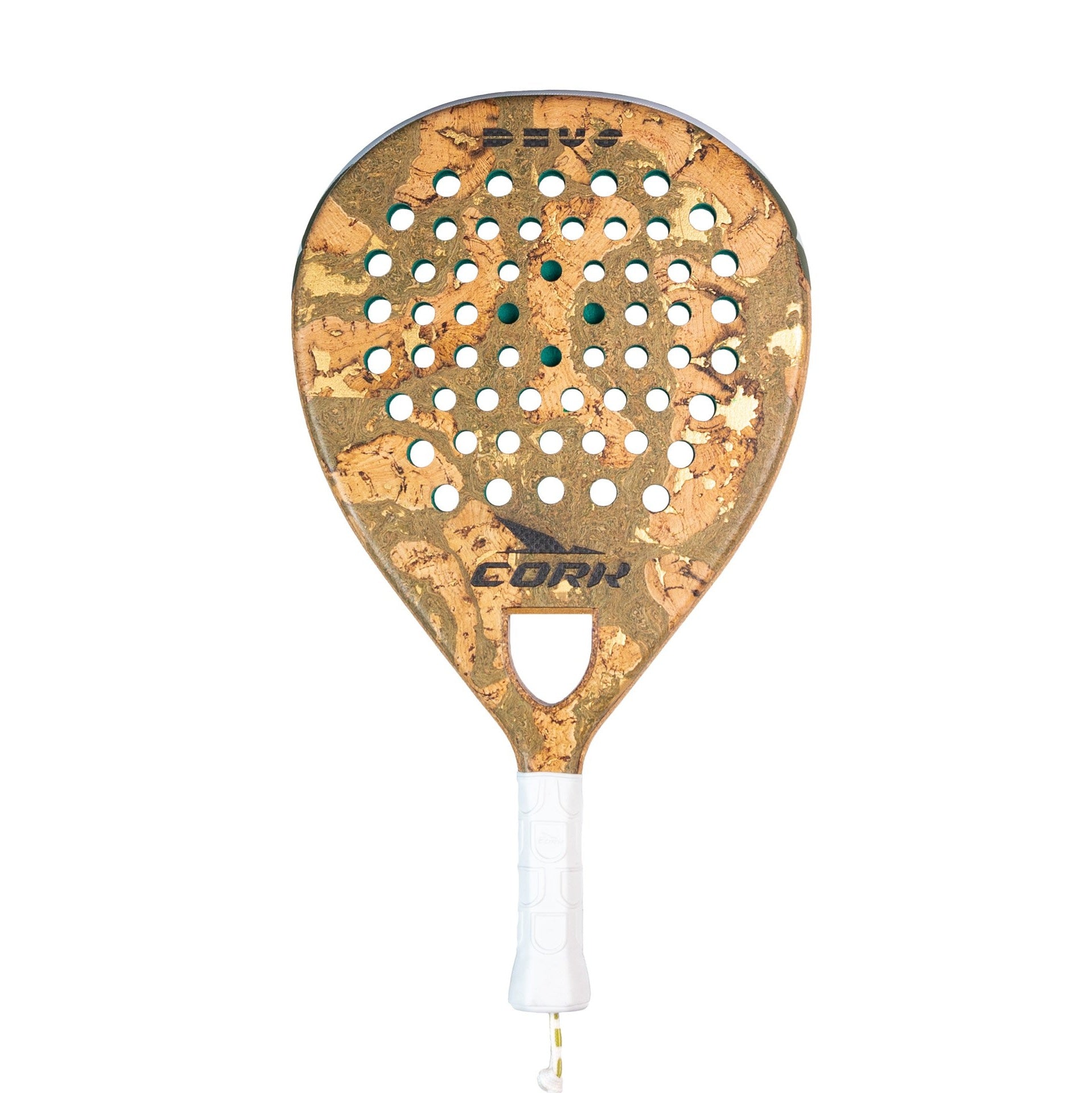
Cork · 2024
Precise, controlled ball exit
Deep lobs take shoulder effort
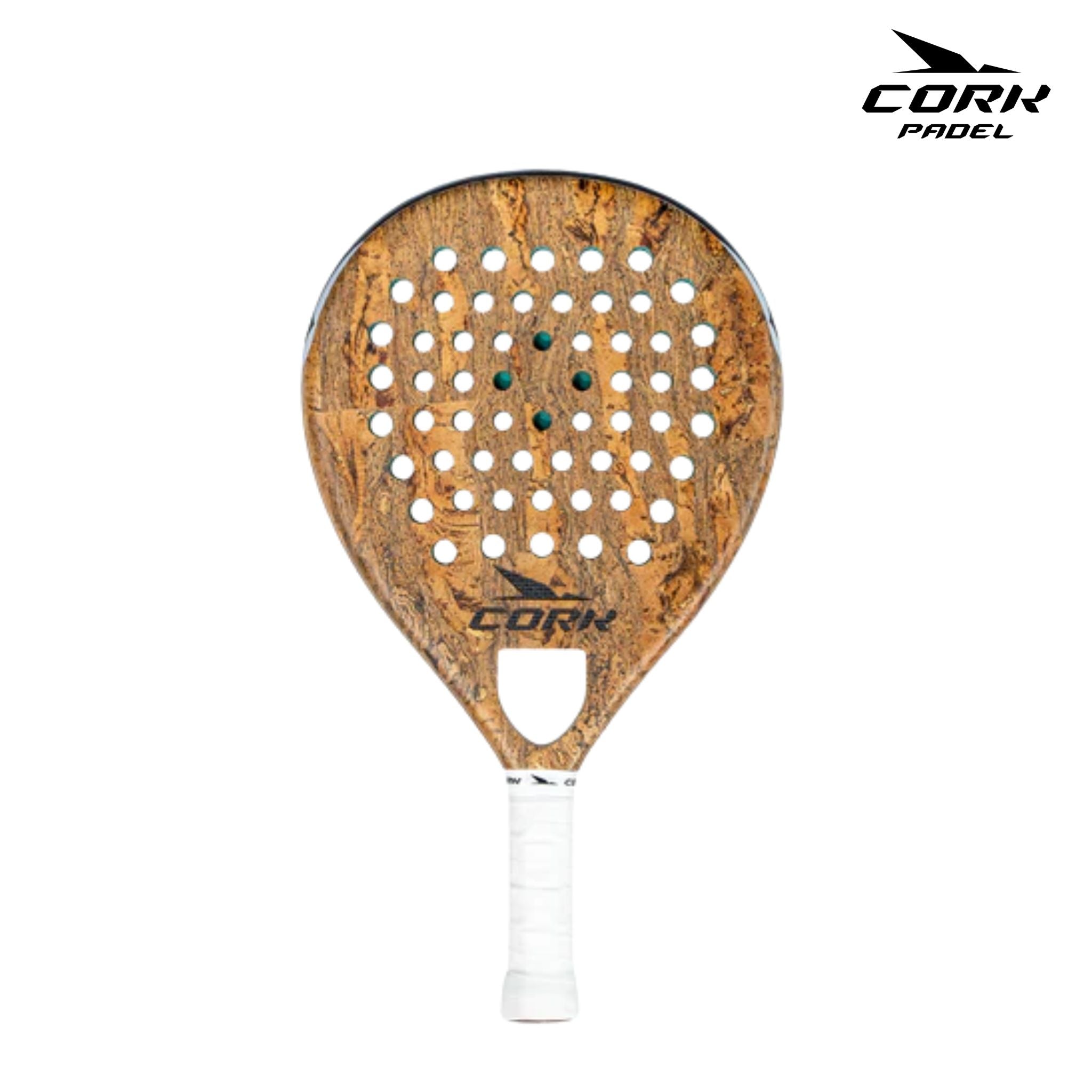
Cork · 2026
Low balance for quick handling at the net
Limited power expected on flat smashes
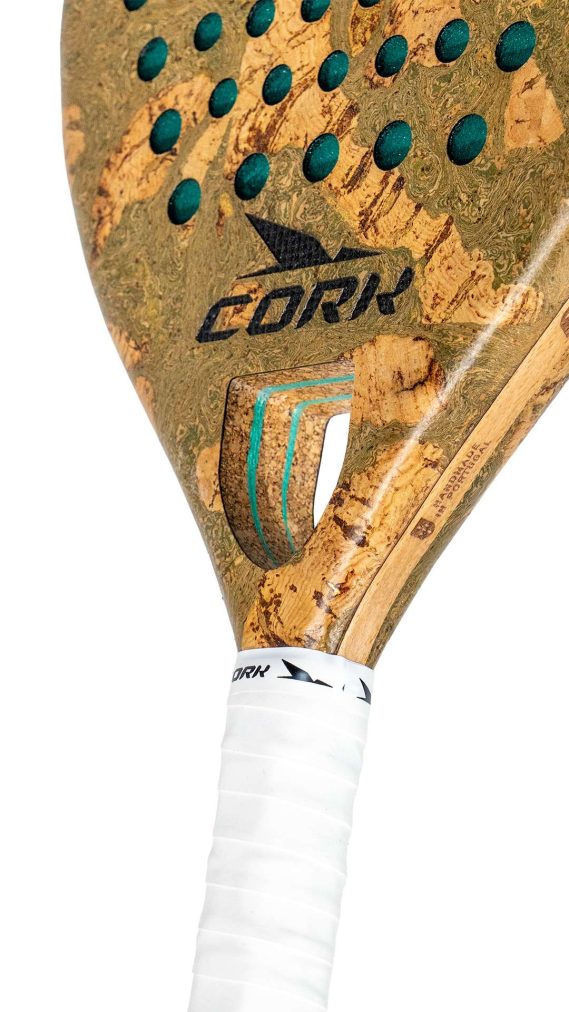 8.2
Cork · 2026
Huge, forgiving sweet spot
Limited free power on flat drives
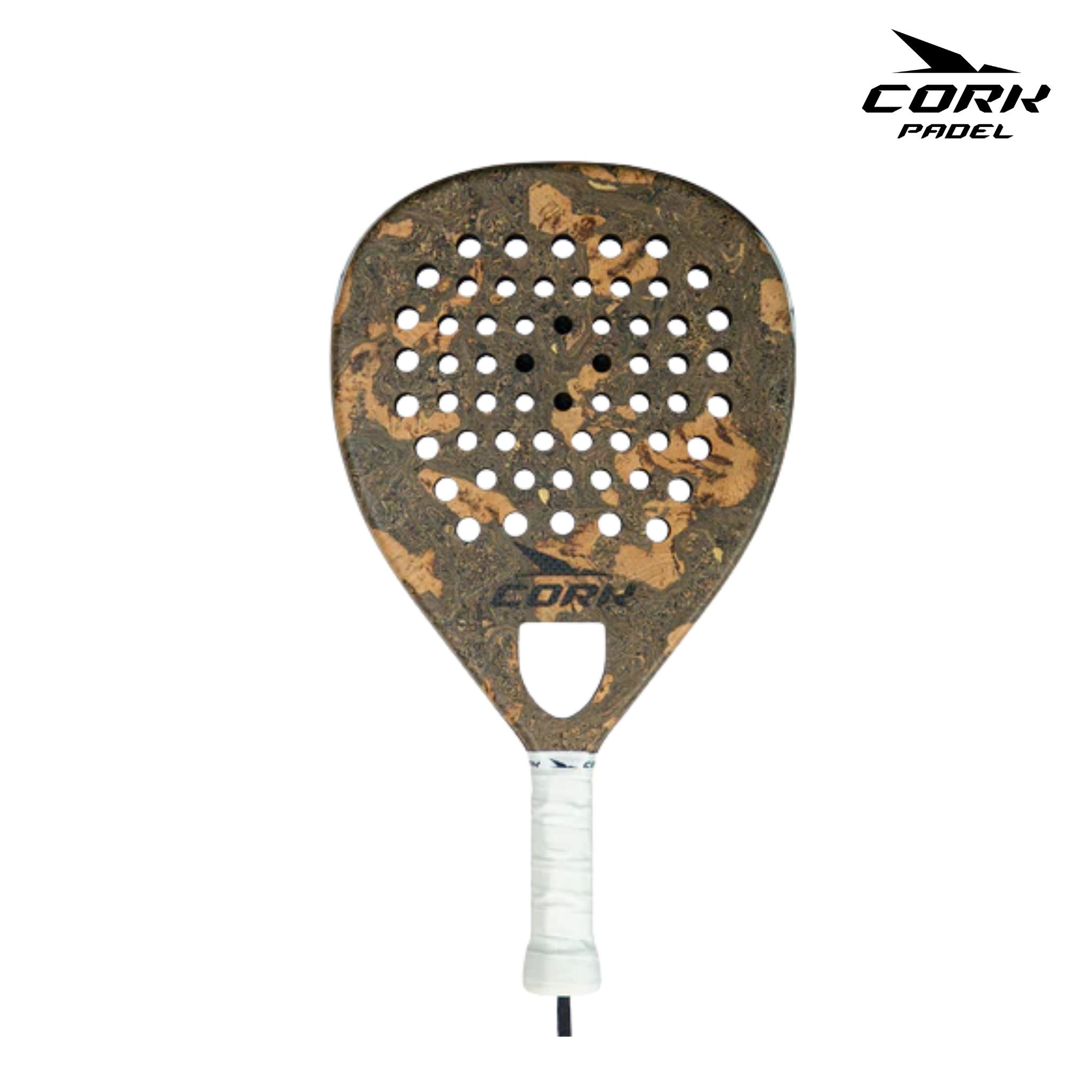 8.4
Cork · 2026
Explosive smash and finishing power
Less control than Cork's control models
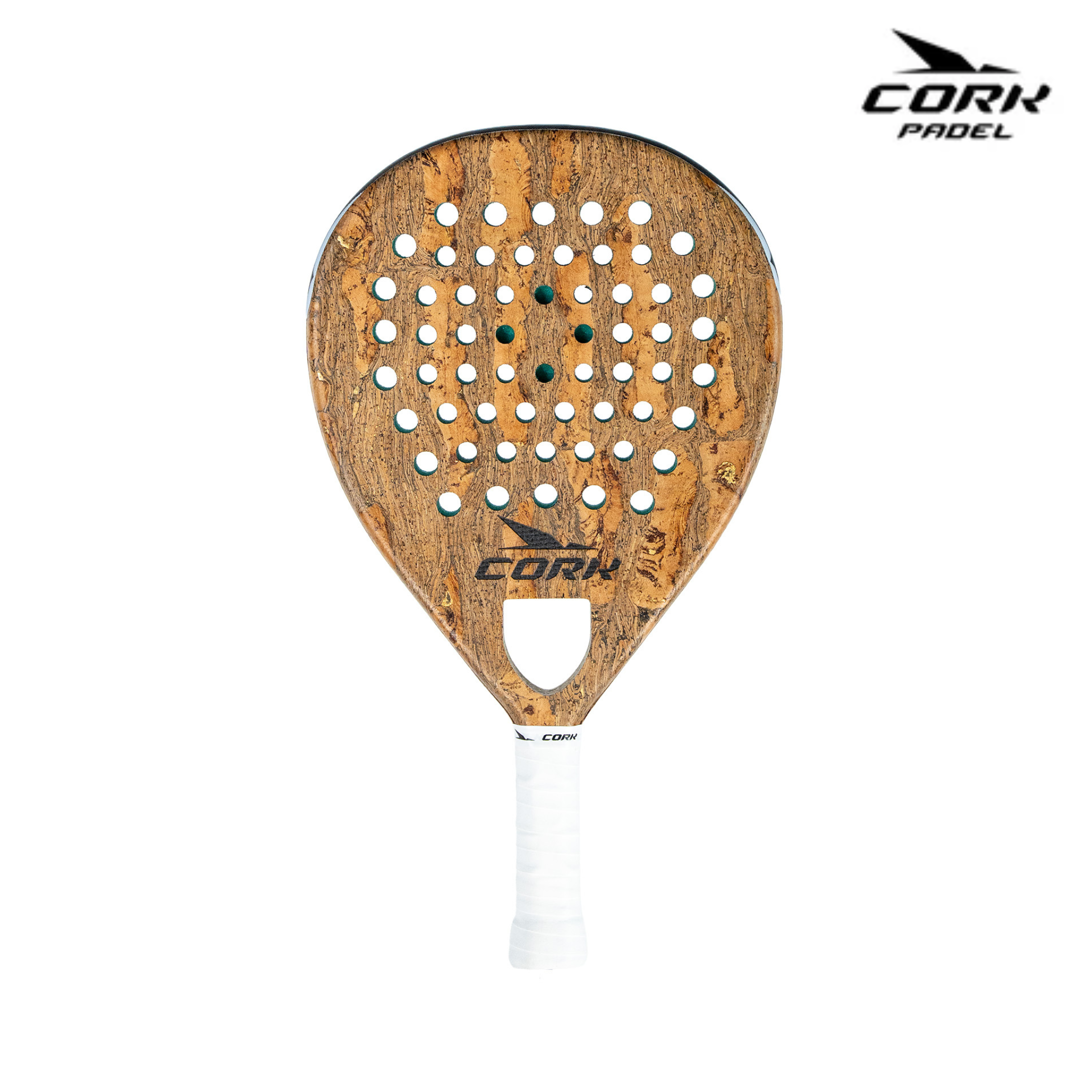
Cork · 2026
Likely low vibration from the cork layer
Probably limited punch on flat smashes
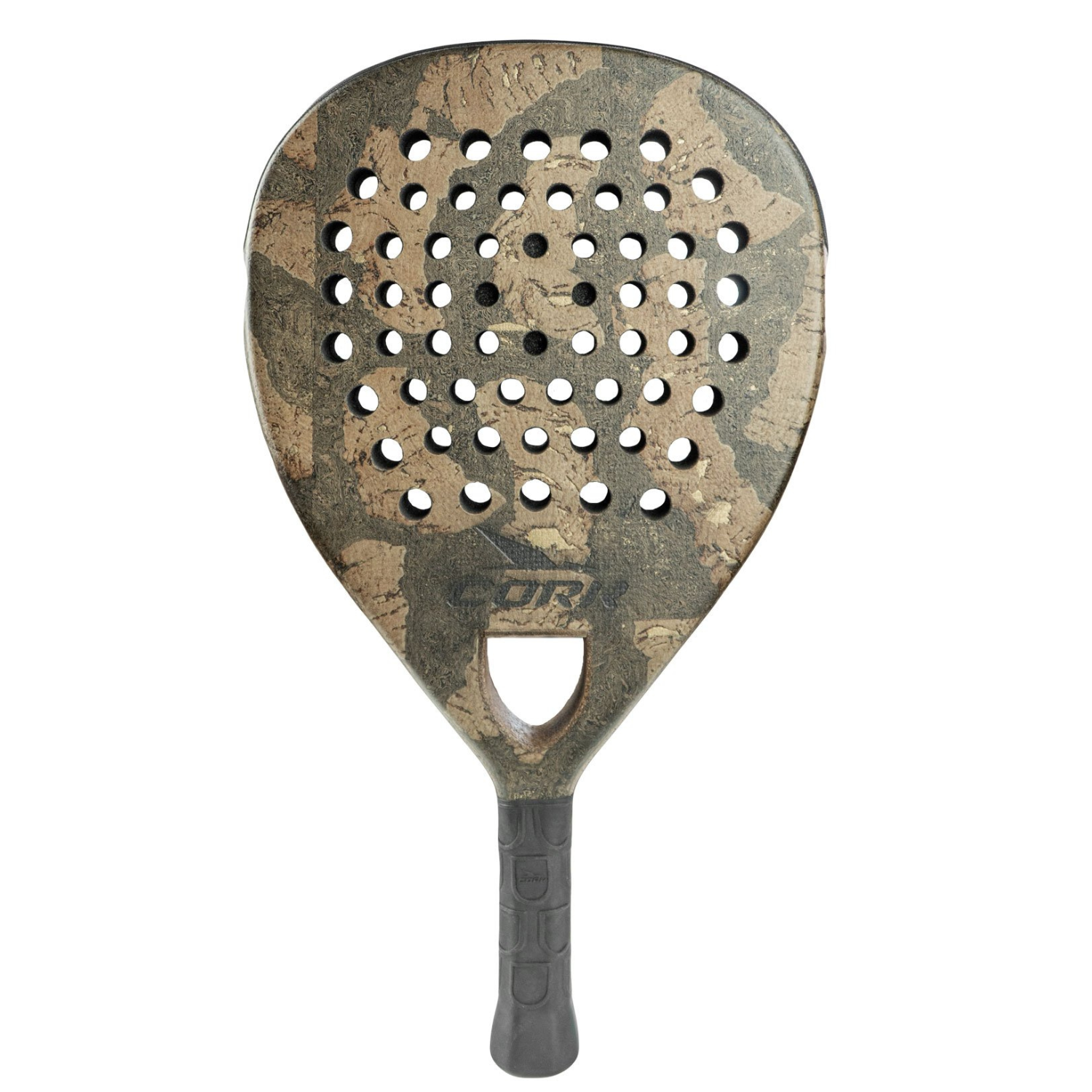 8.2
Cork · 2025
Explosive smash and finishing power
Punishes off-centre and rushed contact
 8.4
Cork · 2026
Direct, precise feedback on every contact
Very little free power when defending
Want to explore more options?
Browse all rackets