
 8.5
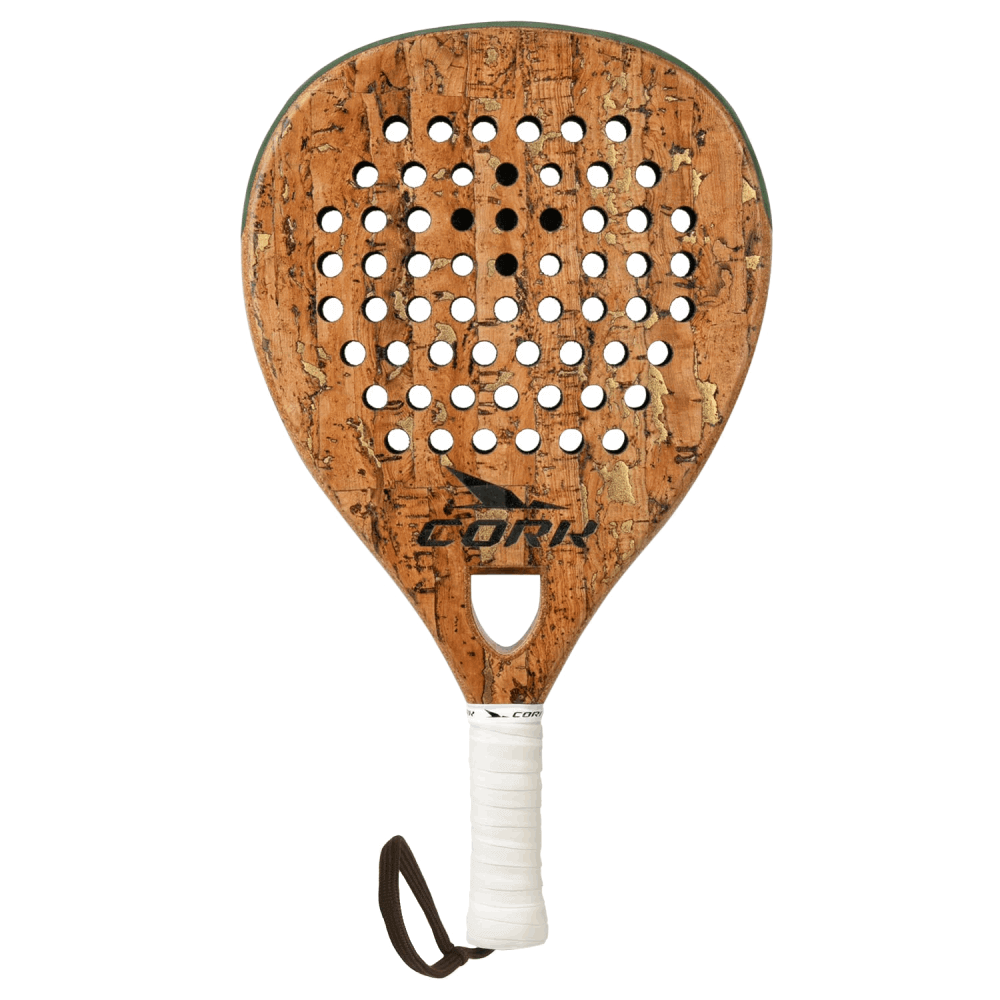
8.5Cork Padel Supreme Power
Cork · 2023
Exceptional power generation with diamond shape
Higher learning curve due to head-heavy balance
Premium ProAdvanced
 8.4
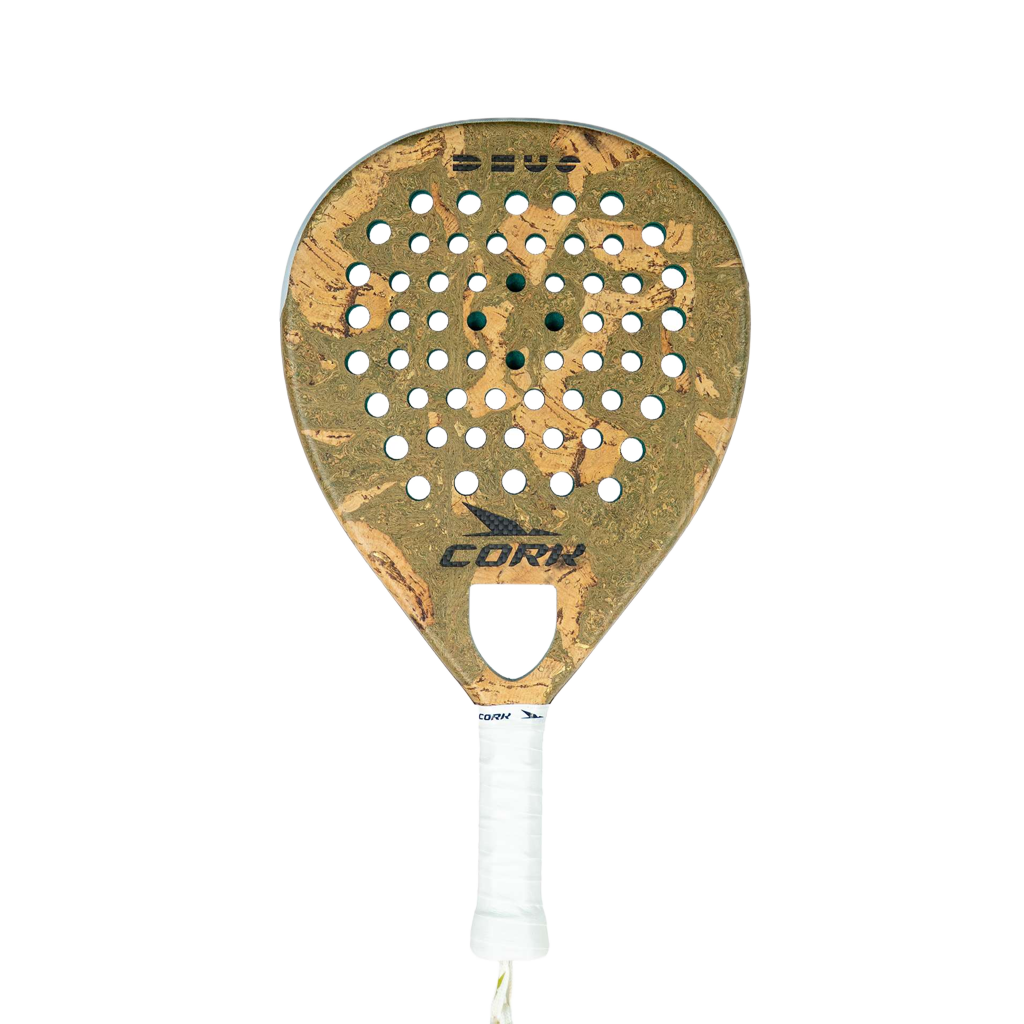
8.4Hit it clean and the Extreme Deus II gives back precise volleys and a heavy smash, with real bite from the rough cork face. It fits advanced all-court players who make their own pace, not anyone who needs the racket to lift a dying ball off the glass. At 499 euro you pay for feel and craft, not forgiveness.

All-court player who prizes control, feel and spin
Bowe is convinced that the racket, shoes, court are the problem, never his own abilities.
Cork Padel is not like the brands that fill a padel shop wall. It is a small Portuguese maker that builds every racket by hand, in limited batches, with real cork worked into the face and the frame. The Extreme Deus II is the top of that range for 2026 and carries the name of Miguel and Nuno Deus, the Portuguese brothers who play it on tour. At 499 euro it is one of the most expensive rackets you can buy, and Cork does not pretend otherwise.
What you are paying for is a very specific feel. The core is Cork's hardest competition foam, so the racket gives almost nothing back for free. Cork itself rates ball output at 40 percent while rating power at 96, which is a blunt way of saying the pace has to come out of your own swing. Around that hard core sits the cork damping layer the whole brand is built on, and it is the reason a frame this stiff does not punish your elbow.
For 2026 the entire Cork line moved to a new 2.0 build and the Deus II gets all of it: a bigger open heart, a reinforced internal structure, wooden side bands where the old model had cork, and a new compound meant to stop the racket going soft in summer heat. The shape is a true hybrid now, with a medium balance sitting a touch lower than most hybrids, which is what keeps a racket this hard so movable.
What the Reviewers Say
Cork is a small brand, so the review pool is small too, and the deepest look comes from Portugal.
Argentoguês tested the Deus II on a ball machine shortly after its Lisbon launch and kept coming back to how obedient it is: "The racket is reactive and it answers. If I want to control, I can control. If I want to let my arm go, I can let it go." He rated the transition game the standout, calling it impeccable, and was just as short about the overhead: on smashes from the baseline and the third post, "it is a monster".
He was also honest about the cost of a hard core. Defending is not free: "because it is a harder racket, you clearly have to put more of your body into the work at the back." His way out is pace. On a fast ball off the glass, "you only have to put the racket there and it does the work on its own."
The same channel's walkthrough of Cork's 2026 line explains why it feels the way it does. The Deus II uses a full hybrid mould with the balance sitting slightly lower than a normal hybrid, which he credits for its movement in the backcourt, and the enlarged heart takes more out of the impact than before: "if you already felt no vibration in the older models, in this one you feel absolutely nothing."
Ninepadel, Cork's UK retailer, described the feel from the other direction: "compared to softer models, this one has a more direct, precise response, you really feel exactly where you have hit the ball." Their read on who it suits is the line every source repeats, that it rewards clean technique and "never feels wild or unpredictable".
Rob Griffiths at UK Padel Guide was the least forgiving and probably the most useful for a buyer. He called the response firm and dry, wrote that "power comes from the player rather than the racket", and warned that it "offers no help generating pace on defensive shots off the back glass". Where the sources disagree is emphasis, not substance: Cork and its retailers sell it as a 96 percent power racket, while the independent reviews treat it as a control frame that can hit hard once you do.
How it plays..
This is the rare hard racket that does not punish you for holding it. The feedback is crisp and honest, the rough cork face grips well enough to work the ball with slice and topspin, and the low balance keeps it fast in the hand, which is exactly what a hybrid usually gives away. The real question is the price: 499 euro buys feel and craft, not a bigger sweet spot, and a passive player will get nothing back from that low output.
Defense
Defending is the honest weak spot. The hard core gives very little free rebound, so a slow, dying ball off the back glass has to be lifted with your legs and your swing rather than the racket. Fast balls are another story: the frame stays stable enough to block a missile back without twisting, and the lower balance means you can still turn and reach. Lobs land where you aim them, they just cost work.
Attack
The power is there, but on conditions. Hit it clean and swing through, and the smash comes off heavy and flat, with reviewers calling it a racket that genuinely finishes points from the baseline and the third post. Bajadas and víboras get real bite from the rough face. Swing lazily and the ball sits up, because there is no lively core to cover for you.
Netplay
The net is where it earns the money. Volleys come out firm and precise rather than powerful, which is what a hard core and a medium balance should do, and the bandeja can be dropped short or driven deep without changing anything in the hand. The transition from the back to the net is the phase reviewers singled out. This is a frame for placing the ball, not launching it.
Our Advice for New Players
No. The low ball output means a beginner spends the whole match hunting for depth, and 499 euro for a racket that gives nothing back is a bad first purchase. A soft, round, forgiving racket will teach you more in a month than this one will in a year.
Our Advice for Intermediate Players
Only for the technically clean improver who already places the ball and wants more feel instead of more help. If you still lean on the racket for depth on defensive lobs, skip it. If stiff frames have left your arm sore and you want a hard racket that does not hurt, this is one of very few genuine answers.
Competitive level
This is the natural home. Advanced and competitive players who build points, volley a lot and generate their own pace get exactly what they ask for: direct feedback, precise volleys, a real smash, and a hybrid that moves faster than its shape suggests. Made by hand in small batches, it is also one of the few rackets at this level that does not look like everything else on court.
How It Compares
Want the same Cork feel with more raw attack? The Cork Extreme Black II uses a hybrid-diamond mould with a higher balance, so it hits heavier and asks more of your shoulder. Pick it if you finish points from above and do not mind losing some movement at the back.
Want to give up less in defence? The Cork Supreme Hybrid IV sits one step softer, with a semi-hard touch that keeps more help on defensive balls while staying quick at the net. It is the better choice if your time is still split between the back glass and the net.
Research & References
Our mission is to help you choose the right padel racket with clear, in-depth reviews that make it easy to level up your game. We start with official specs, then break down each racket’s key properties. Finally, we bring together trusted video and written reviews—summarised into one consistent, easy-to-read overview.
Drafted by Padelguru from expert video and written reviews with Bowe Frankema's playing profile as an editorial lens, then reviewed and edited by Bowe Frankema. Nobody at Padelguru has play-tested this racket.
Put the rackets you are considering side by side and keep the ones you play with in your collection.
Get the Padelguru app
Recommended for
Advanced and competitive all-court players, on either side, who place the ball, live at the net and want a hard, low-vibration frame with genuine grip for spin.
Skill level
High Intermediate, Advanced, High Advanced, Professional
Court position
Both sides, Net, Backcourt
Play style
Control, Offensive, All-court, Tactical
Best at: Control (8.8/10)
Average: 8.1/10
Argentoguês: Testei a nova CORK Extreme DEUS II
Argentoguês: Qual a Cork Padel 2.0 mais indicada para ti?
Shape
Hybrid
Weight
Medium (356–370g)
Balance
Balanced (Even)
Touch
Hard
Core
Extreme Foam, High Density
Surface
Rough Carbon And Cork
Texture
Rough
Year
2026
8 rackets with characteristics, performance and appeal close to the Cork Extreme Deus II 2026.
8.5Cork · 2023
Exceptional power generation with diamond shape
Higher learning curve due to head-heavy balance
 8.4
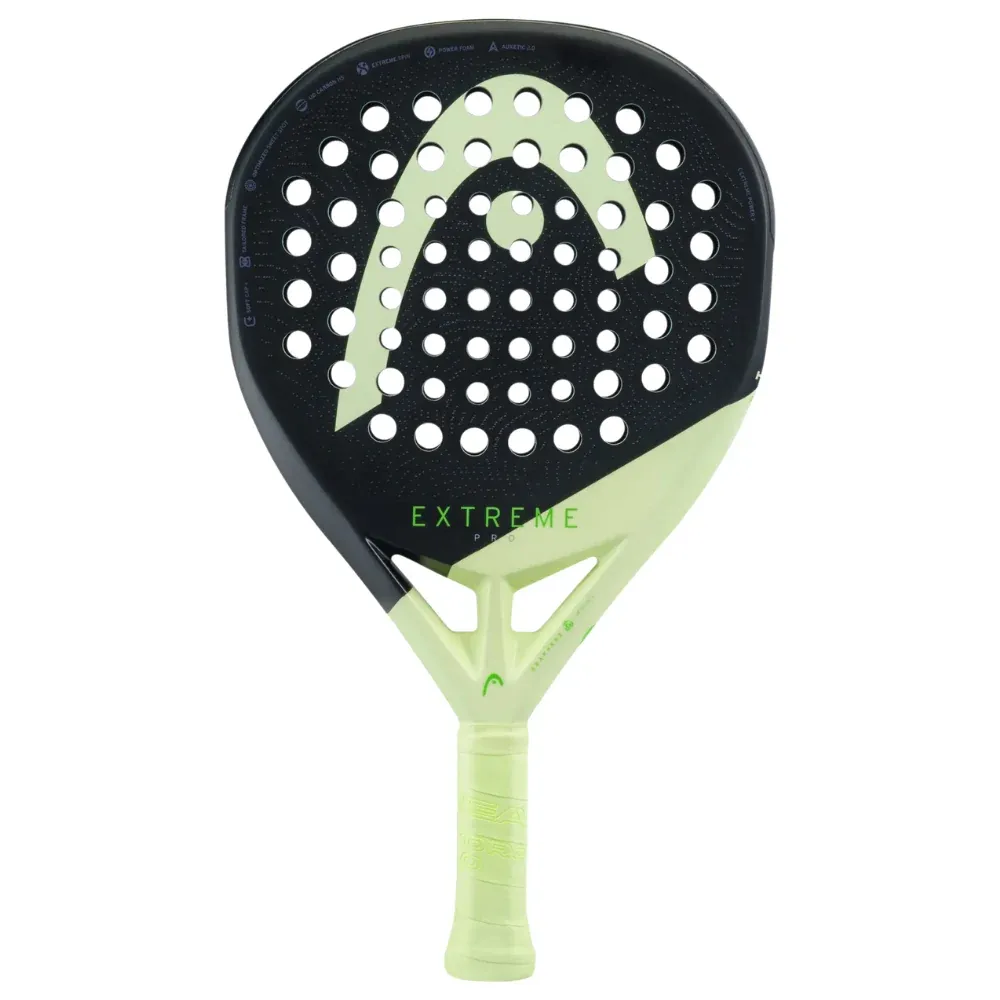
8.4Head · 2026
Smash output close to the Coello Pro
Hard work digging out low defensive balls
 8
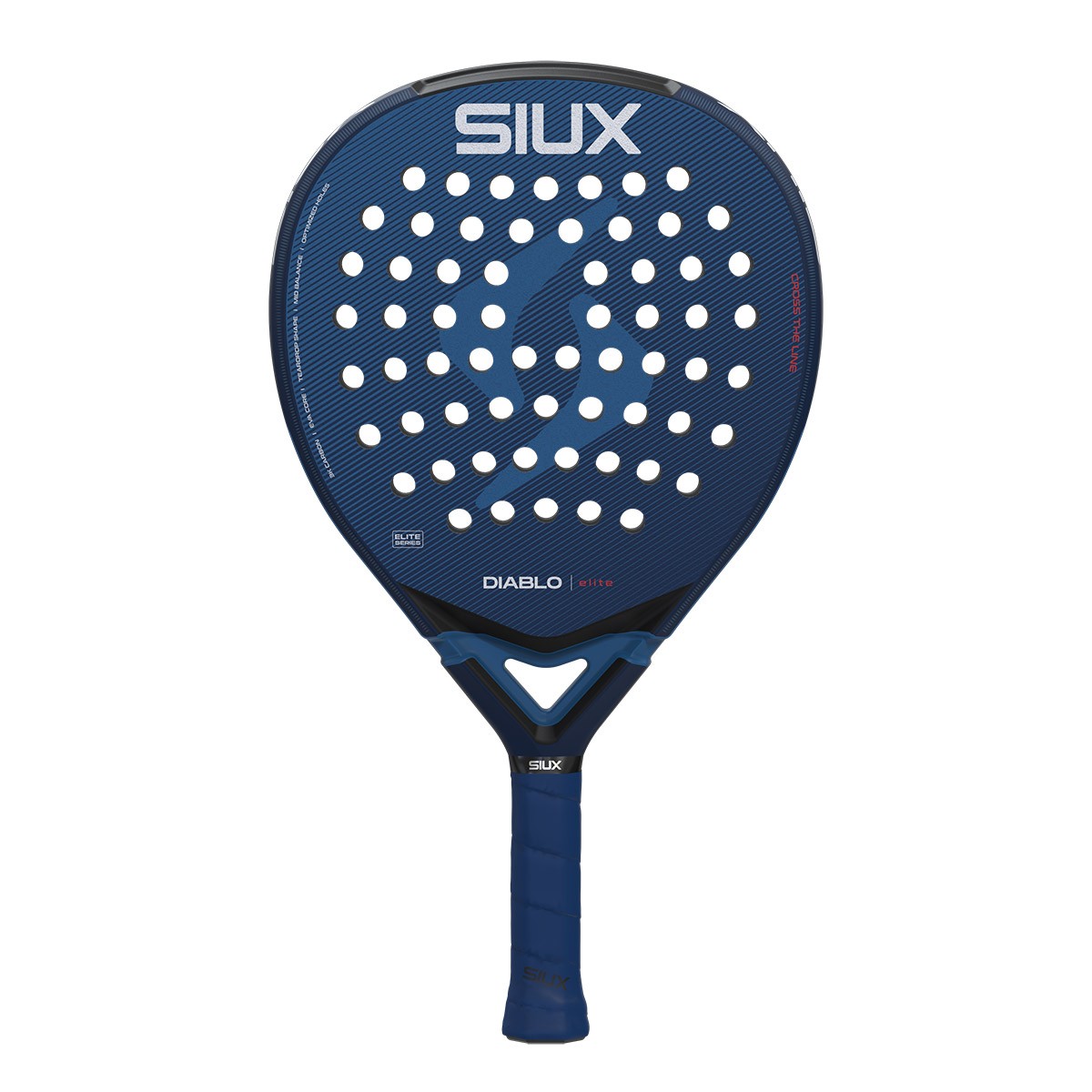
8Siux · 2026
Depth from a short swing
Low ceiling on overhead finishing
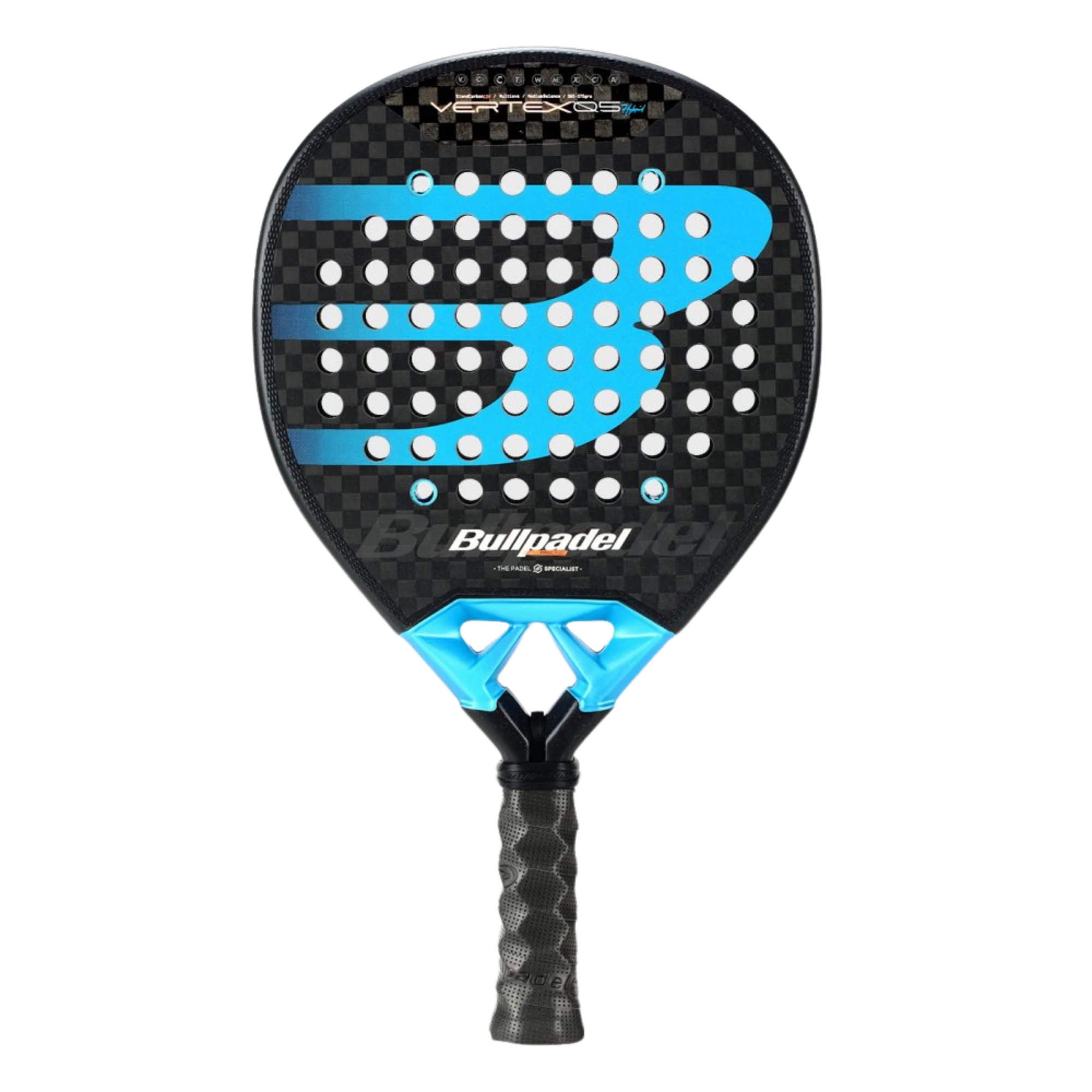 8.7
8.7Bullpadel · 2026
Huge sweet spot, forgiving when late
No free power, you supply the pace
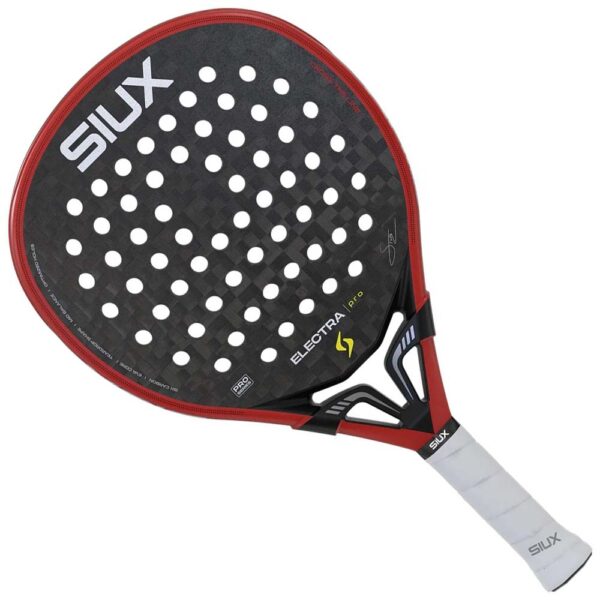 7.8
7.8Siux · 2026
Crisp, connected feel on clean hits
Less forgiving than the ST4 2025 at medium pace
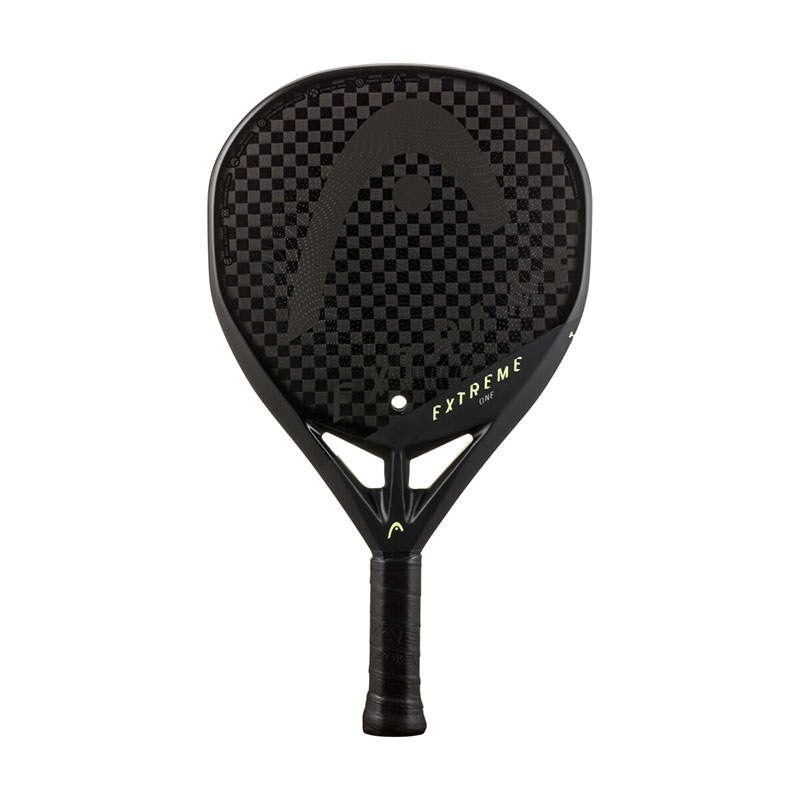 7.4
7.4Head · 2023
Sets up fast for a diamond
Little spin bite on touch shots
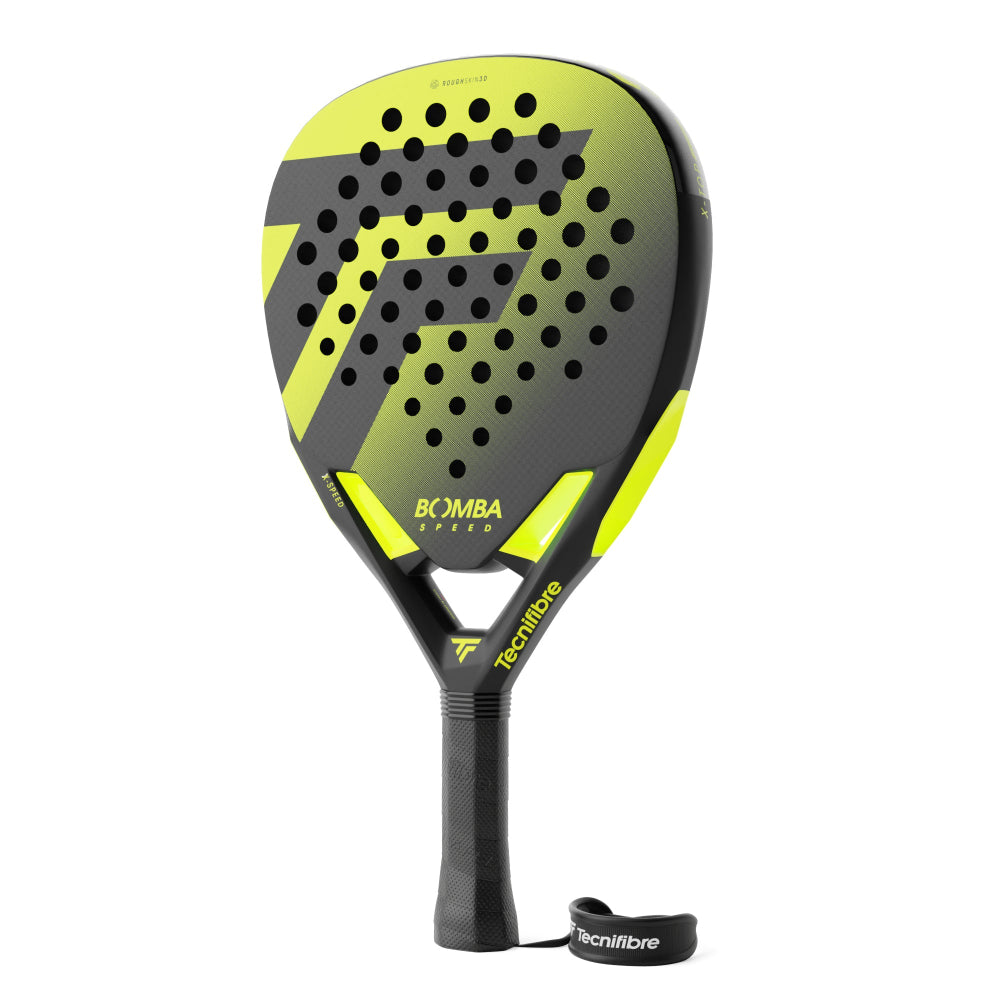 8.6
8.6Tecnifibre · 2026
Unusually large sweet spot for a diamond
Less top-end power than the Bomba Max
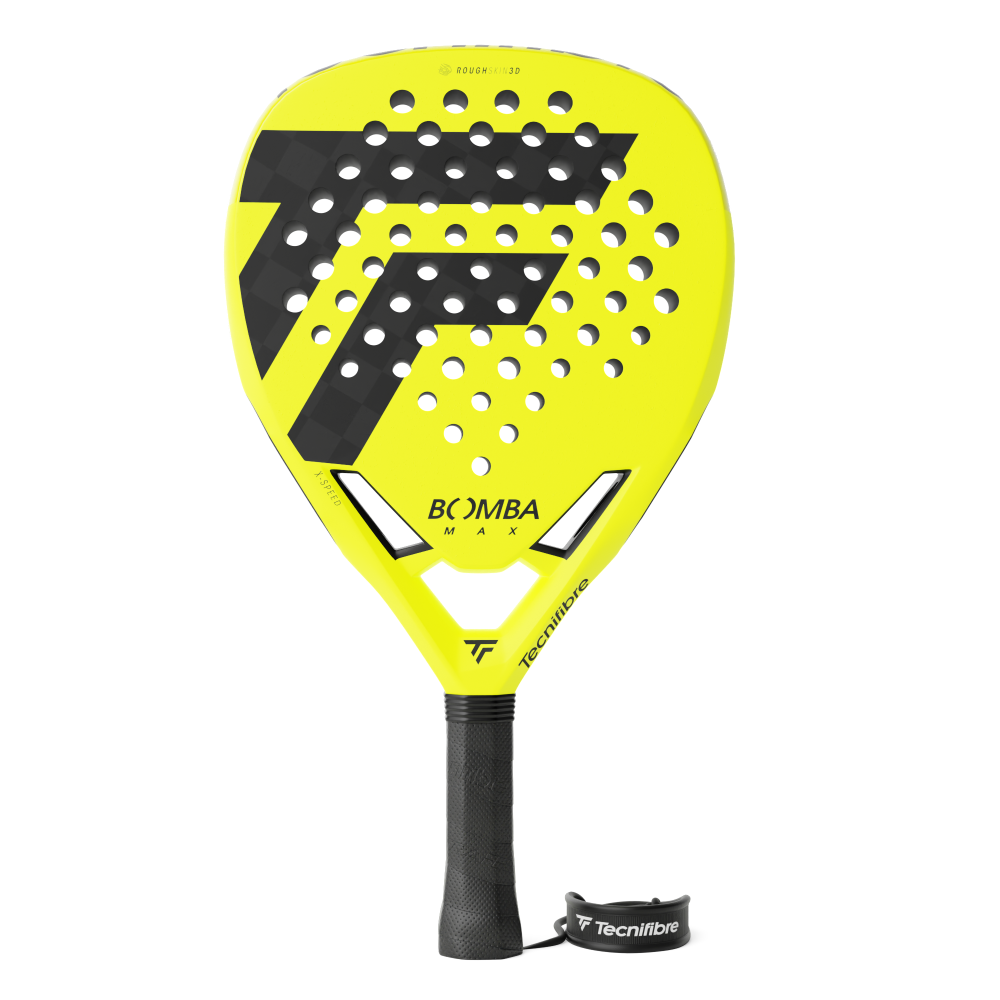 8
8Tecnifibre · 2026
Immediate, heavy ball off the smash
Defensive lobs need your own height
Want to explore more options?
Browse all rackets