
 8.2
Babolat Viper Soft Juan Lebron 3.1 2027
Babolat · 2027
Strong power on flat smashes
Ball can fly long on full swings
PremiumAdvanced
 8.5
Reviewers found the Viper 3.1 surprisingly precise from the back and at the net, with a very high ceiling on the smash and víbora. It suits advanced, technically solid attackers with a fast arm. Players who arrive late in defence or need easy power will struggle, because the hard core gives little help off centre.

All-court player who prizes control, feel and spin
Bowe is convinced that the racket, shoes, court are the problem, never his own abilities.
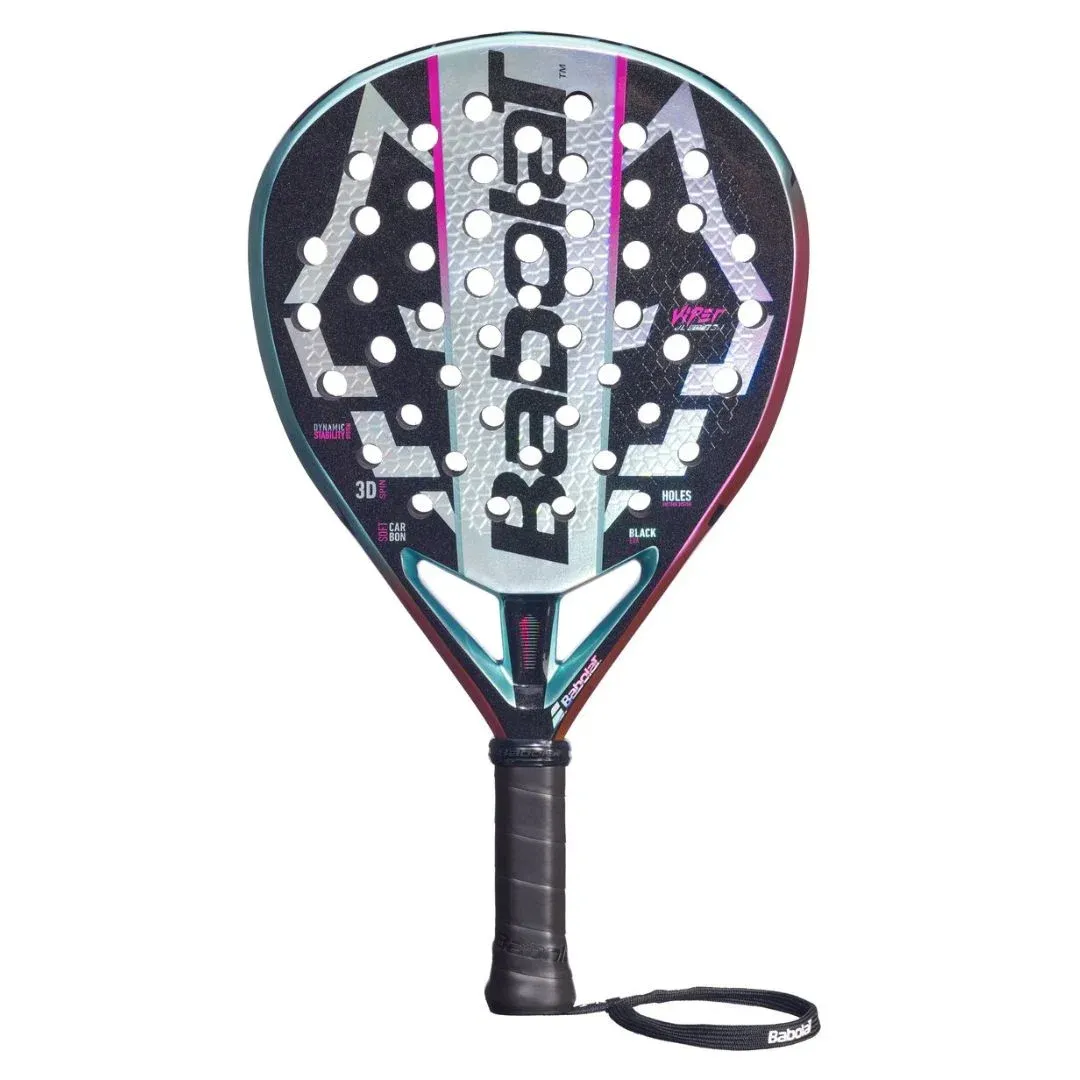
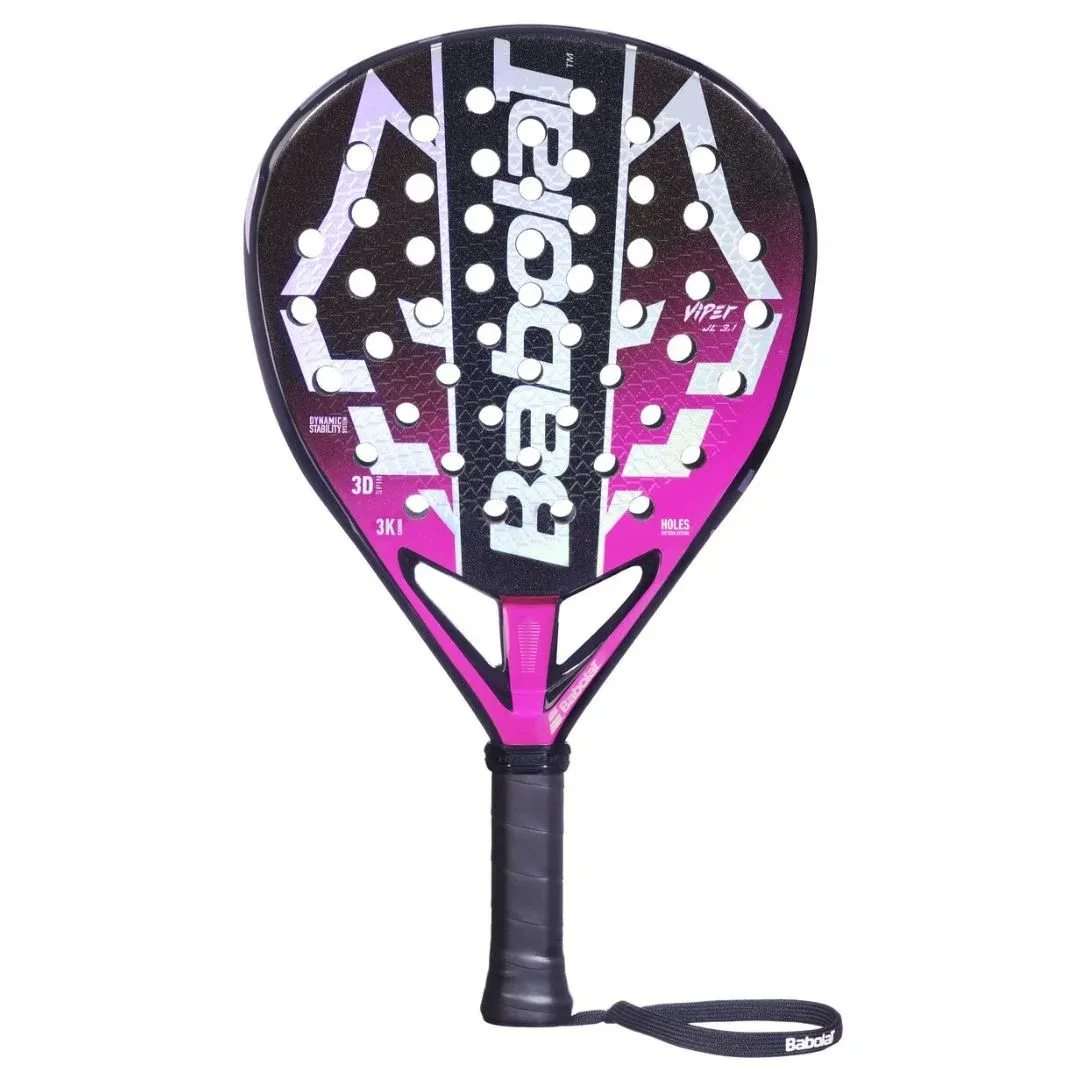
The Babolat Viper Juan Lebron 3.1 is the top racket in Juan Lebron's 2027 collection, which Babolat released at the end of September 2026 at around €390. It is a diamond with a hard EVA core, a 3K carbon face with a raised 3D spin texture, and a head-heavy balance at about 370g. Babolat kept the build of last year's Viper 3.0 and changed the look: the warm orange tones are gone, and each face now carries its own colour, green on one side and pink on the other. If you know the 3.0, expect the same firm, direct racket. The softer Viper Soft 3.1 sits next to it for players who want the same shape with more help.
What the Reviewers Say
The first reviews agree on two things: the Viper 3.1 is hard, and it asks a lot of your technique. They disagree on where it shines most.
PADELREVIEW ENG expected a pure power racket and came away talking about precision. After hitting hard from the back, the reviewer said the ball "basically never escaped" and called control the biggest surprise. His unit weighed 368g with a balance of 25.8 cm, and he did not find it too heavy in the head for a diamond. He also reported no real arm vibration despite the stiffness, and called it very stable on blocks at the net.
Peter Consuegra is more cautious about defence. He found the racket easy to move, but said that when you arrive late or hit off centre, "you won't get any help from the racket". He rates the volley and the víbora as its best shots, and makes a useful point on the smash: the racket has a very high power ceiling, but little easy power. You generate the speed yourself.
Zona de Pádel tested it next to the Viper Soft 3.1 with new balls. Their tester called it a very demanding racket where "you have to put in all the effort: the technique, the power". They found the sweet spot smaller than on the Soft, and the hardness less dry than some other hard rackets. In the air, they felt they could hit as hard as they wanted and still keep the ball in the court.
Padel Magazine confirms the specs and the brief: the 3.1 keeps the character of the 3.0 and is aimed at technical attackers, with a dry, firm feel at impact.
How it plays..
The control that reviewers found is the reason to look at this racket, even if you do not live for the smash. The feel is crisp and direct, so you know where the ball went. The cost is the head-heavy balance and the small margin off centre. Placement players who prefer a lighter frame will feel that weight in long net exchanges, and the 3D surface grips well without being the most aggressive texture for slice.
Defense
Defence is the weakest zone. When you are set and the ball comes off the wall at a good height, the lob is controllable, and PADELREVIEW ENG found it more versatile than a hard diamond usually is. Under pressure it changes: late contact or a stretched reach gives little ball exit, and both Peter Consuegra and Zona de Pádel say you have to do the work yourself here.
Attack
Overhead, the racket is built for a fast arm. The firm face and hard core pass almost all of your swing speed to the ball, so a full smash or por tres leaves with a lot of pace. With a slow or short swing the ball can come out flat. Reviewers rate the víbora and the rulo highly, helped by the stability and the 3D surface. The bandeja is less natural: if you only want to guide the ball deep, easier rackets exist.
Netplay
At the net the Viper 3.1 is stable and precise. Blocks against hard-hitting opponents stay solid, and aggressive volleys to the body or into depth come off with weight. Hit near the edge and the response and stability drop off, so short, clean strokes in front of the body work best.
Our Advice for New Players
Not a beginner racket. The hard core and head-heavy balance give little help on slower swings, and a stiff frame is hard on developing technique.
Our Advice for Intermediate Players
Most intermediate players will get more from the Viper Soft 3.1 or a round or teardrop racket. A strong high intermediate with fast racket head speed can try it, but expect to lose points in defence at first.
Competitive level
This is where it belongs. Advanced and competitive players with good technique, on either side, get precise volleys, a stable block and a very high power ceiling overhead. Left-side finishers get the most from it, but PADELREVIEW ENG also recommends it for technical right-side players who like a hard, direct feel.
How It Compares
Against the Babolat Viper Soft Juan Lebron 3.1, same shape and balance, the Soft absorbs more of the ball and has a larger sweet spot. Zona de Pádel found it easier to control and more comfortable in defence. Pick the Soft if you want the Lebron shape with some help; pick the Viper if you swing fast and want the firmest, most direct response.
Against last year's Babolat Viper Juan Lebron 3.0 2026, the playing character is the same. The 3.1 changes the cosmetics, so a discounted 3.0 is a reasonable buy if the new colours do not matter to you.
Research & References
Our mission is to help you choose the right padel racket with clear, in-depth reviews that make it easy to level up your game. We start with official specs, then break down each racket’s key properties. Finally, we bring together trusted video and written reviews—summarised into one consistent, easy-to-read overview.
Drafted by Padelguru from expert video and written reviews with Bowe Frankema's playing profile as an editorial lens, then reviewed and edited by Bowe Frankema.
We review the rackets as they land. Get the new ones, the lessons we publish and what the creators are making, every other week.
Recommended for
Advanced and competitive players on either side with a fast, clean swing who want a firm, direct feel and finish points overhead.
Skill level
Court position
Left, Right, Net
Play style
Power, Offensive
Best at: Offense (9.3/10)
Average: 7.9/10
PADELREVIEW ENG: Babolat Viper Juan Lebron 3.1 Review In English
Peter Consuegra: Babolat Viper Juan Lebrón 3.1 Review
Zona de Pádel: Babolat Viper 2027 vs Viper Soft 2027, Juan Lebrón comparison
Core
Hard Eva
Surface
3K Carbon
Texture
3D Pattern
Year
2027
8 rackets with characteristics, performance and appeal close to the Babolat Viper Juan Lebron 3.1 2027.
8.2Babolat · 2027
Strong power on flat smashes
Ball can fly long on full swings
 8.5
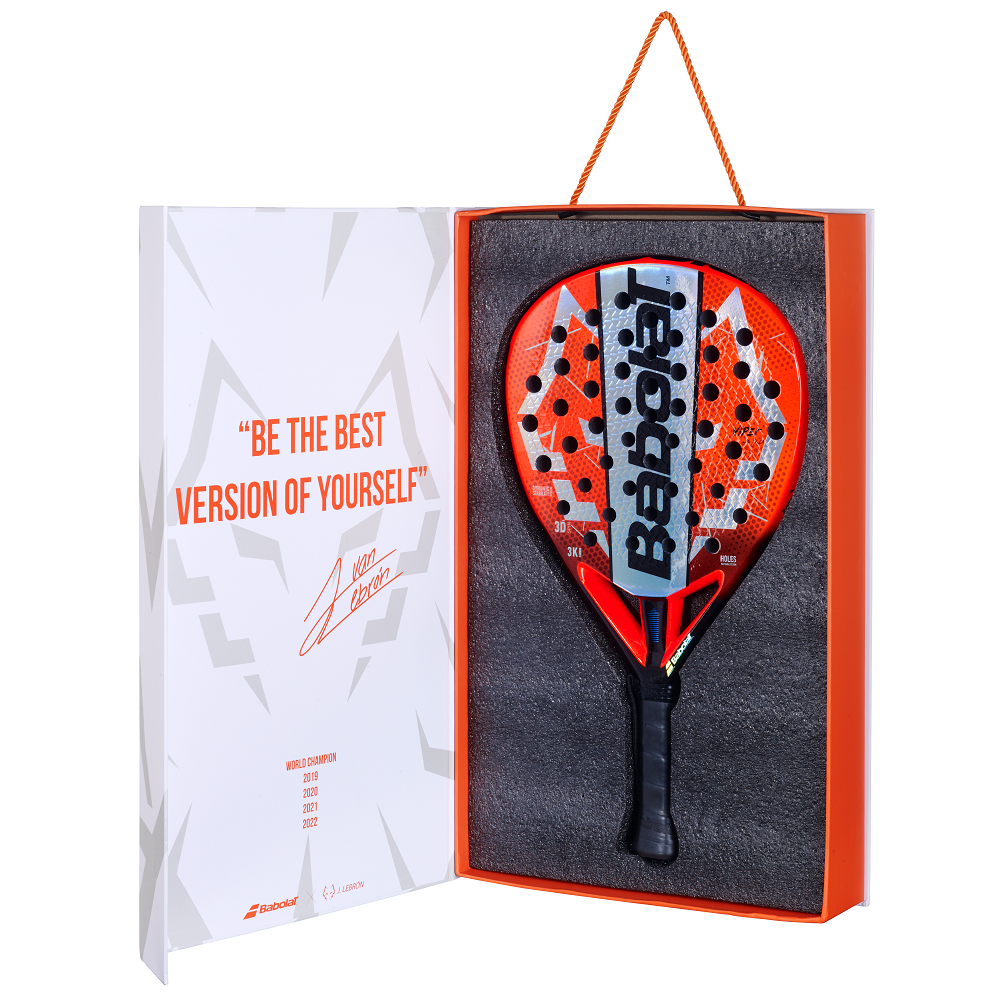
Babolat · 2026
Explosive power on smashes and víboras
Very demanding in defence due to high balance
 7.5
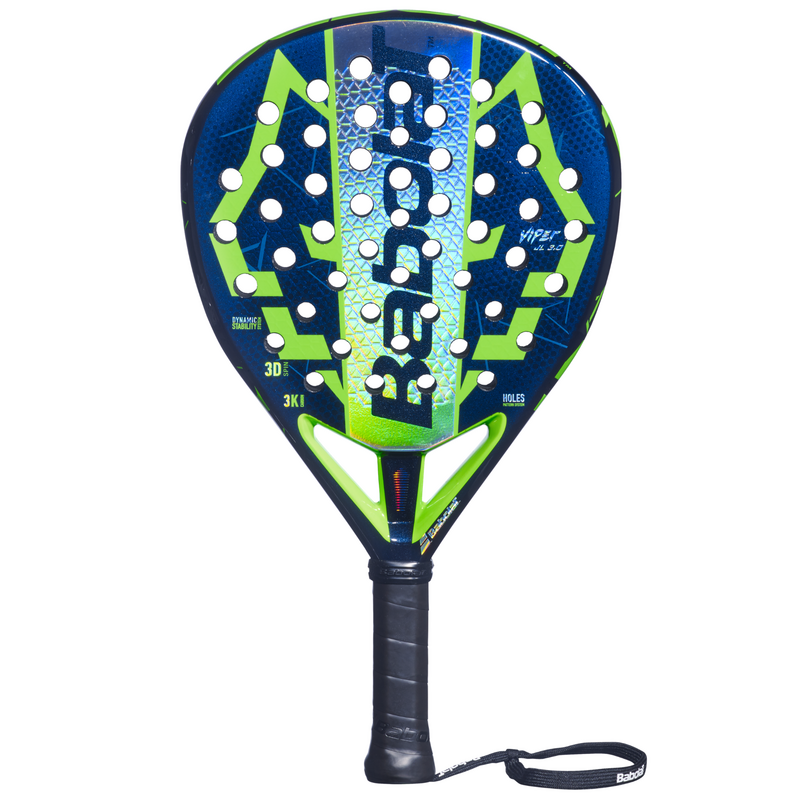
Babolat · 2026
Heavy power on smashes and víboras
Little help in passive defence
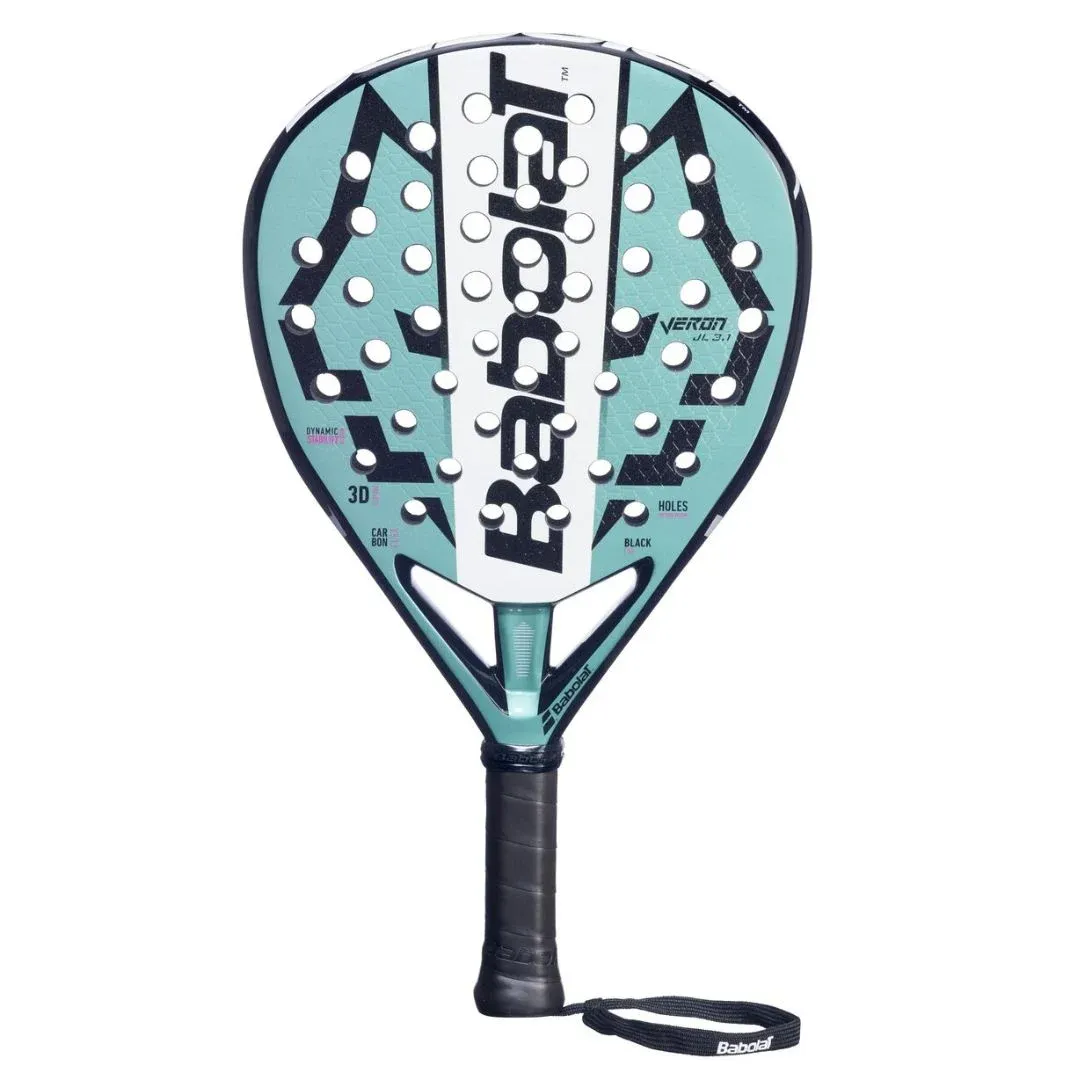 7.5
Babolat · 2027
Easy power on the smash
Ball flies long on full swings at the net
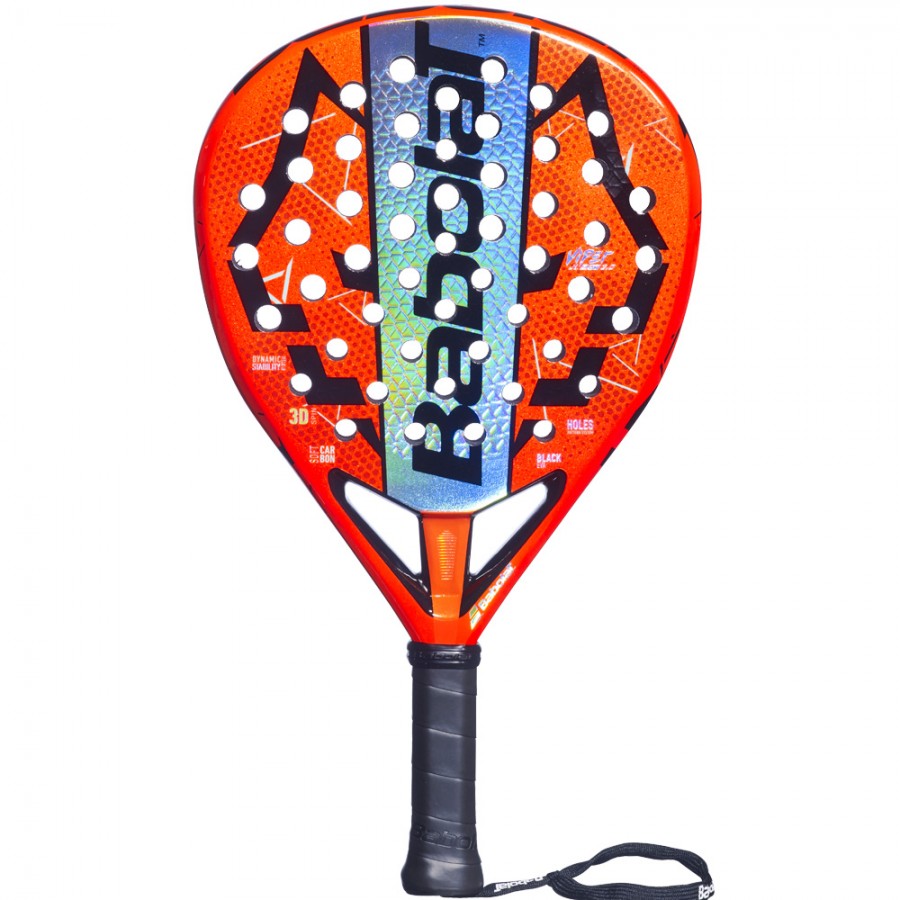 8.3
Babolat · 2026
Heavy, repeatable smash without a full-throttle swing
Small sweet spot punishes late contact
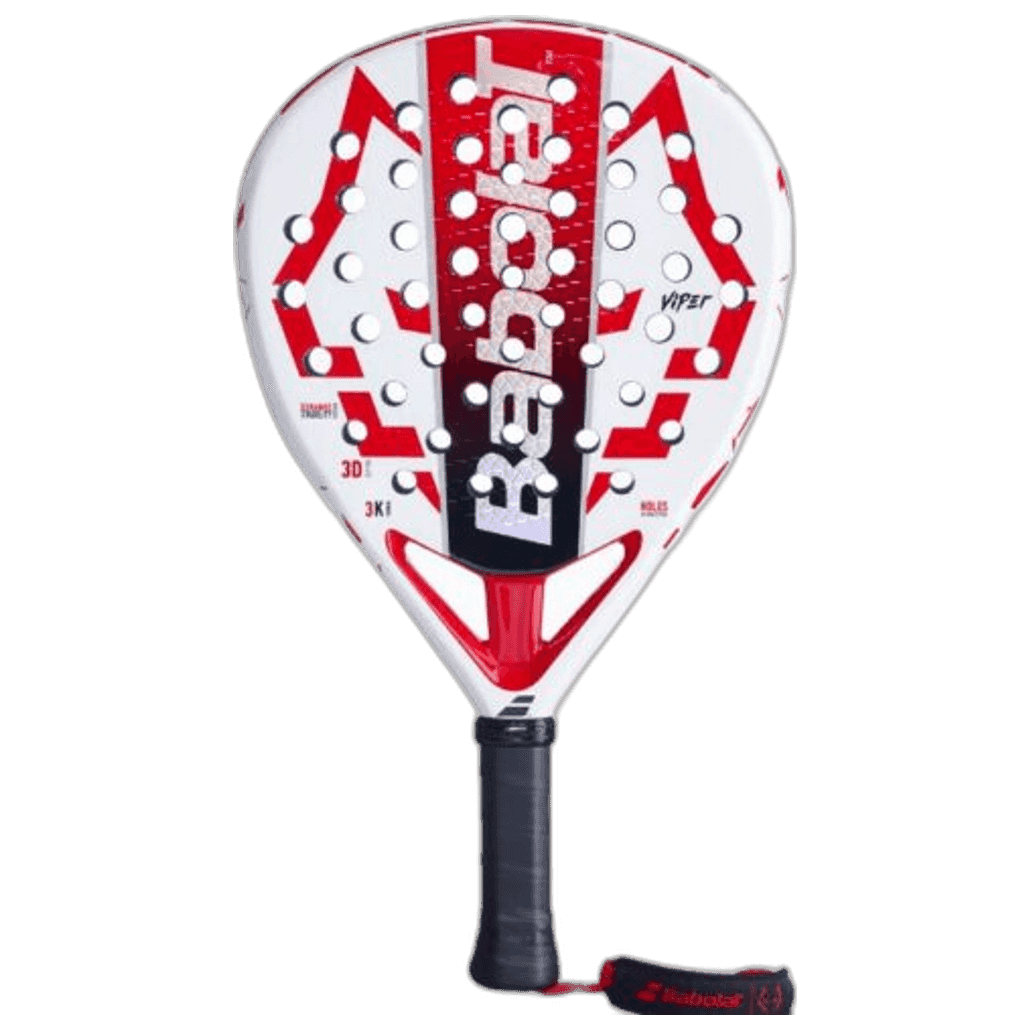 8.8
Babolat · 2025
Exceptional power delivery with 3K Carbon surface
Requires advanced technique to maximize benefits
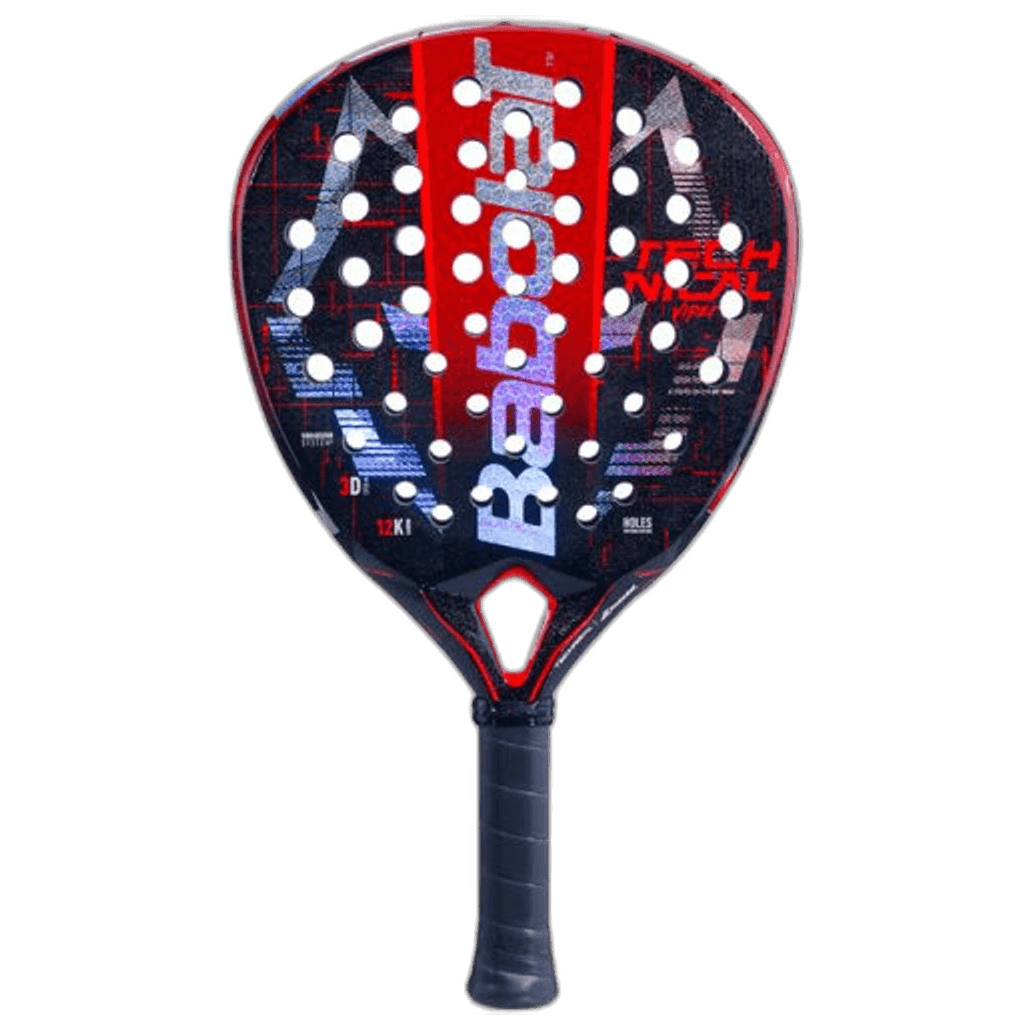 8.8
Babolat · 2024
Exceptional power generation with 12K Carbon surface
Higher price point
 8.4
Babolat · 2023
Exceptional power output from 12K carbon fiber construction
Demanding control due to small sweet spot
Want to explore more options?
Browse all rackets