
 8.2
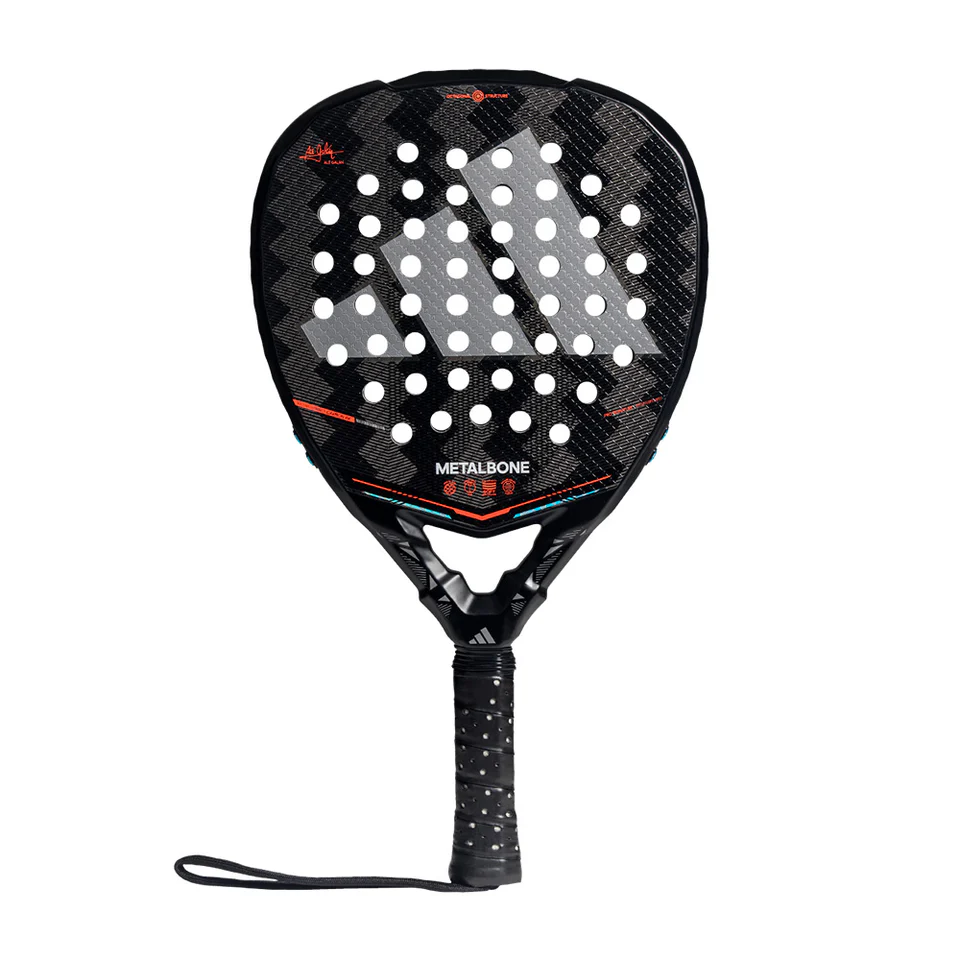
8.2Adidas Metalbone 35 2026
Adidas · 2026
Explosive smash and vibora power
Demands precise timing; unforgiving off sweetspot
PremiumAdvanced
 8.2
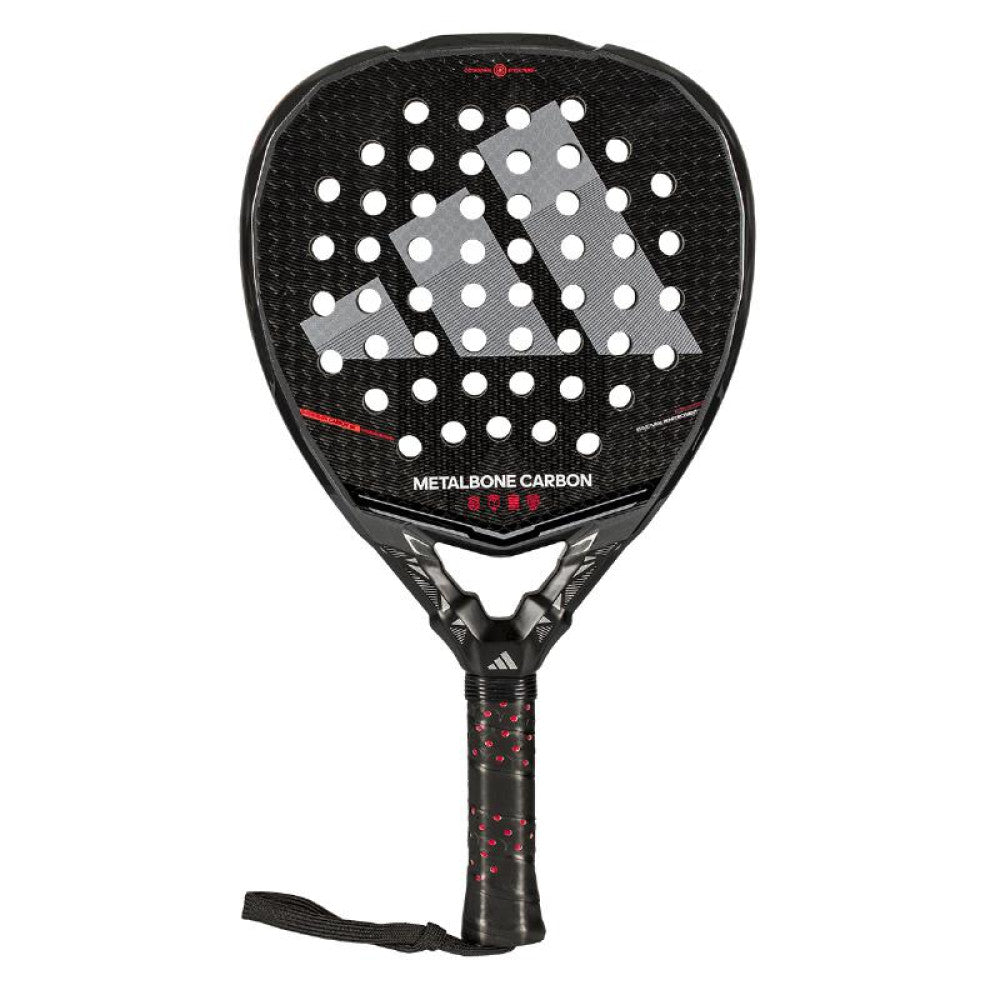
8.2The soft core behind a firm 6K face gives this diamond a ball exit most attacking frames cannot match, so pace comes back even on shortened swings. Right for advanced players who finish above the net, wrong for anyone who defends for a living: 368g of head weight costs real time on fast resets.

Tactical right-side player who builds points and reads the game
Tactical right side player who is not afraid of using every trick in the book to "disturb the rhytm" of the opponent.
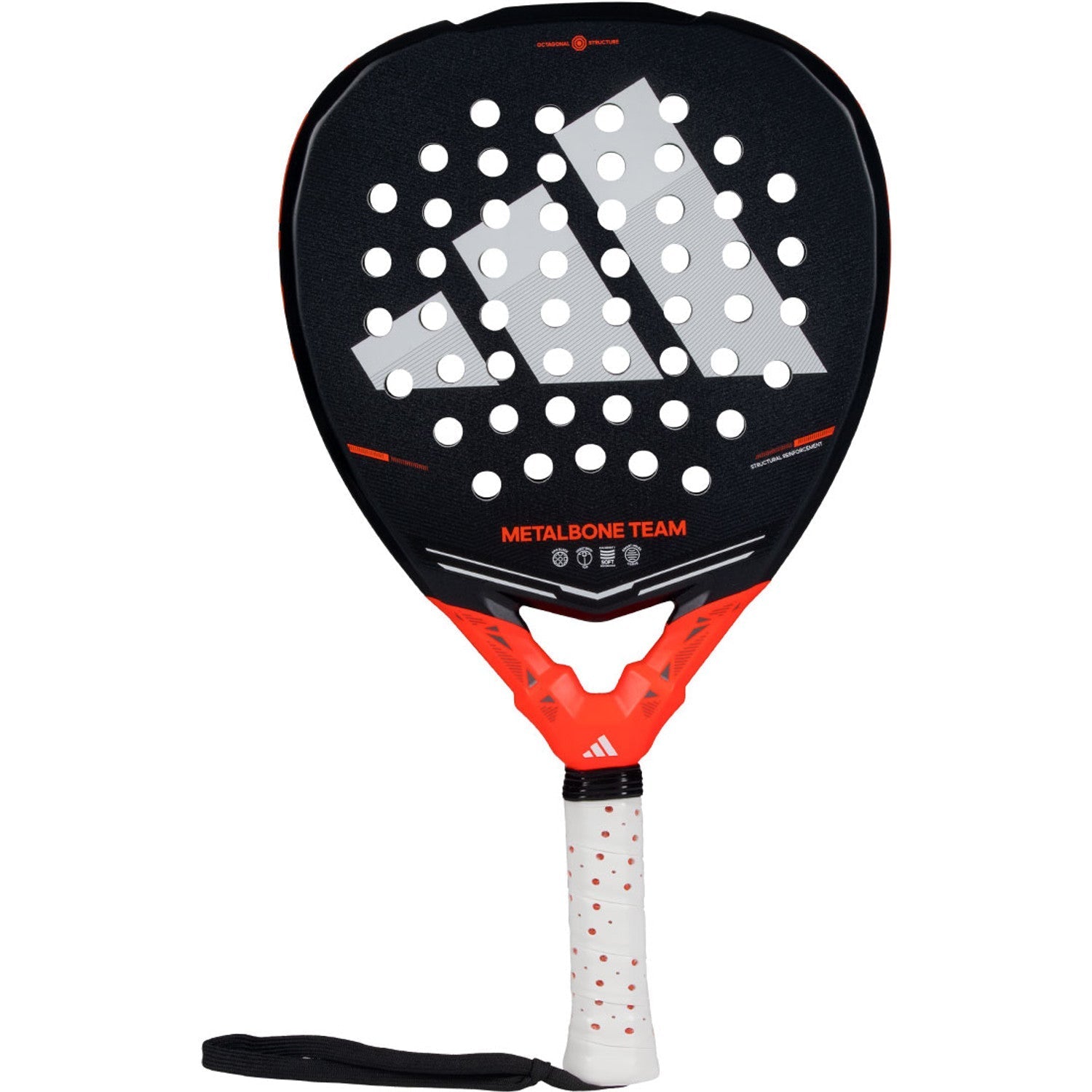
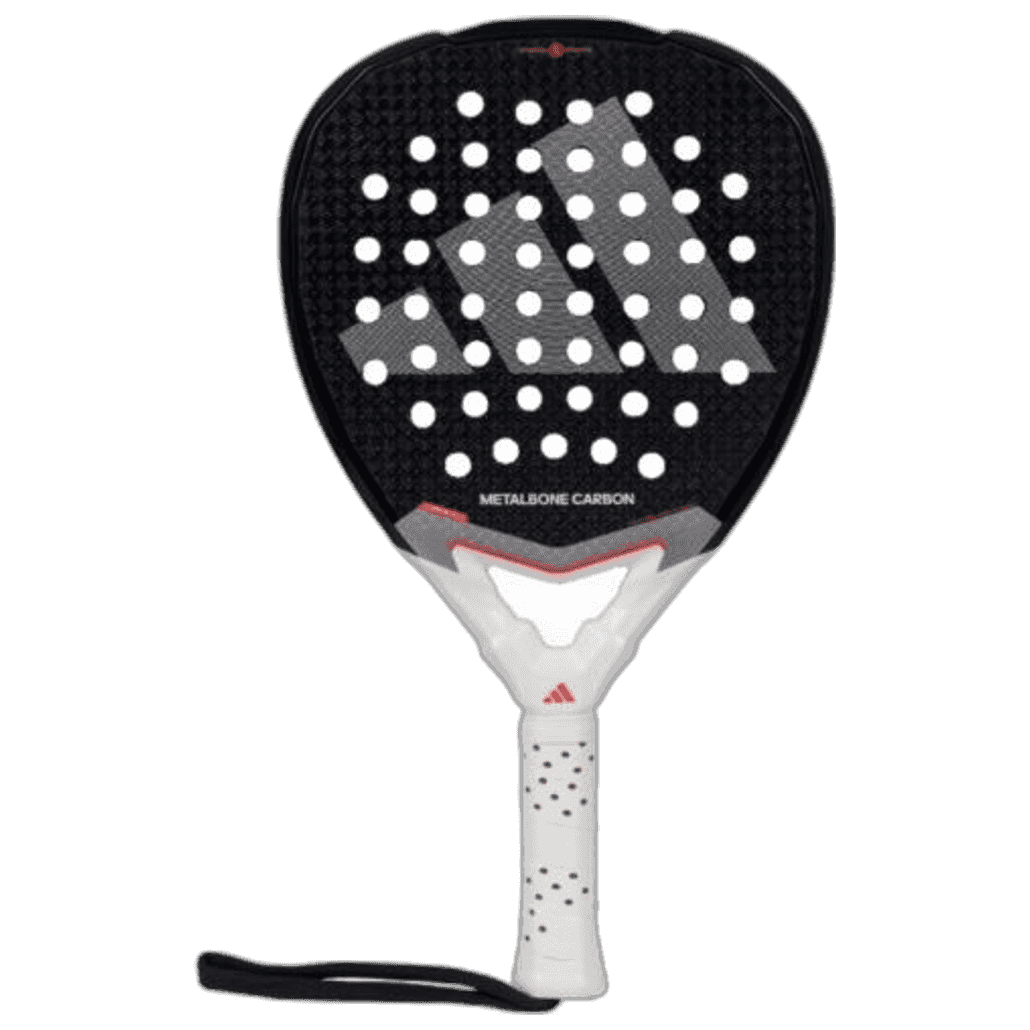
The Metalbone Carbon 3.5 is Adidas's attacking diamond for players who want the Metalbone idea without the flagship price or its hardest edges. It sits one step below Ale Galán's Metalbone 3.5 and the HRD+, and a clear step above the fibreglass Metalbone Team. Shops list it as both "Metalbone Carbon 3.5 2026" and plain "Metalbone Carbon 2026". Same racket.
What defines it is a pairing that pulls in two directions. The face is firm 6K aluminised carbon, so contact is direct and the ball leaves fast. Behind it sits a soft EVA core, and that is what stops the racket feeling brutal and gives it the lively ball exit reviewers keep coming back to. Around 368g, clearly head heavy, with a long handle that adds leverage through the swing.
Against the 2025 Carbon the recipe is unchanged. Adidas updated the cosmetics, refined the frame geometry and the rough finish, and added an adjustable wrist cord with a sliding knot. Buy it for what the 2025 model already was, not for a new engine. Street price has settled between roughly €190 and €270 depending on the shop, against a €269.95 list.
What the Reviewers Say
The headline is consistent across sources: this is a power diamond that behaves better than power diamonds usually do, and the soft core is why.
PadelVerdict scores it 8.1 overall, with Power at 8.4 and Stability at 8.2, and credits the octagonal frame section: "the frame holds its line even when the hit isn't perfect". Padelful's numbers, republished by openplay.ie, arrive at the same conclusion from another direction, rating rebound 9.7 and calling it "easier to use than most aggressive diamonds".
The Spanish site Pala Hack took it on court and set the condition plainly: "there is power here, but you have to know how to switch it on". Tengo Pádel, who sell and test it, draw the same line against the harder sibling, saying it is not explosive the way the HRD+ is, but gives controlled, progressive power instead. Germany's Padel-Kompass rates it 8.7 out of 10 and puts it the same way: "explosive power, with better control than the HRD+".
Where they split is forgiveness. PadelVerdict marks the sweet spot 7.0 and calls that the honest consequence of a diamond head with the mass up top. Padelful is more generous at 7.8. Padel-Kompass is harshest of all, scoring error tolerance 3.3 out of 10 against a catalogue average of 5.6. Pala Hack lands in between, finding the sweet spot neither huge nor especially punishing when contact is slightly off. Read together: the margin is real but it sits high on the head.
Two caveats worth stating. PadelRacketReviews.nl scores it 8.1 but says openly that its rating comes from specification analysis rather than physical testing. And on video, no reviewer has covered this exact model at length. Dani 13's piece is on the round CTRL sibling, where he notes that among the Adidas rackets using this soft core, "this one and the Metalbone Carbon are the firmest".
How it plays..
The appeal here is the ball exit. A soft core behind a firm carbon face returns pace even on a shortened swing, which is rarer on a diamond than the shape suggests. The limit shows up in the two places a point builder lives, fast second volleys and stretched defensive resets, where the head weight costs time you do not get back. Right side players who construct rather than finish should hit it alongside a teardrop before committing, because most of what this racket gives back arrives above shoulder height.
Defense
Defence is the honest weak point, and every source says so in its own way. The high balance does not absorb incoming pace, so blocks and stretched balls need clean footwork and an early racket. What rescues it is the core: deep lobs and balls off the back glass come out easily without a long swing, which is more help than a hard diamond usually offers. PadelVerdict's defender profile score of 7.33 is the lowest reading on the racket, and that is the right order of things.
Attack
This is where it earns its price. The diamond head, the head heavy balance and the long grip stack leverage into the smash, and the firm face sends the ball into the glass without flex eating the shot. The rough Spin Blade surface bites enough to lift a kick smash and make it climb after the bounce. It is not the fastest finisher in the Metalbone family, the HRD+ keeps that, but it is the one that lets you attack repeatedly without the arm paying for it.
Netplay
Volleys come off tense and stable, with the octagonal frame keeping the face from twisting when you block real pace. Bandejas land deep without an exaggerated gesture, and the rough finish gives the víbora extra angle. The catch is speed of hands. In a fast exchange at the net this racket is not the quickest to reset, and that is the head weight rather than the shape.
Our Advice for New Players
No. The high balance, the firm face and a sweet spot sitting high on the head all ask for technique a beginner has not built yet, and the weight will tire the arm long before the racket rewards it. Start with a round frame and a soft core.
Our Advice for Intermediate Players
Only at the top of intermediate, and only if contact is already clean. The reviewers are split here for a reason: the soft core genuinely widens the margin, but contact low on the face still loses depth fast. If you hit with the arm rather than rotating through the ball, this is the wrong buy.
Competitive level
This is the target. Advanced attackers who take the net, finish overhead and generate their own pace get close to flagship power for mid range money, and left side finishers benefit most. Advanced control players, and anyone with a history of elbow trouble, should look at the round Metalbone Carbon CTRL instead.
How It Compares
Against the Adidas Metalbone 3.5 2026, Galán's own racket, the Carbon gives up some outright finishing ceiling and the Weight & Balance screw system, and costs roughly €50 to €70 less. Pay up if you want the last percent of smash pace and a balance you can tune. Take the Carbon if you want most of the punch with a friendlier feel.
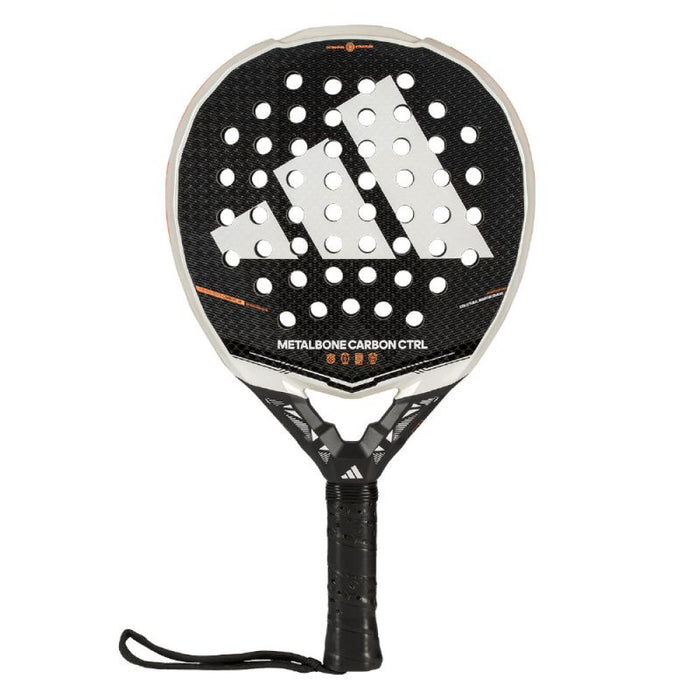
Against the Adidas Metalbone Carbon CTRL 2026, the choice is shape, not family. The CTRL is round and evenly balanced, scores far higher on control and sweet spot, and caps out around 7.2 for power. Point builders and left back players should take the CTRL. Players who want to end rallies above the net should take this one.
Research & References
Our mission is to help you choose the right padel racket with clear, in-depth reviews that make it easy to level up your game. We start with official specs, then break down each racket’s key properties. Finally, we bring together trusted video and written reviews—summarised into one consistent, easy-to-read overview.
Drafted by Padelguru from published expert reviews, scored test data and retailer test panels, with Lars Kloezeman's playing profile as an editorial lens, then reviewed and edited by Lars Kloezeman. Nobody at Padelguru has play tested this racket, so nothing here is presented as first hand court time. One source, PadelRacketReviews.nl, states openly that its score comes from specification analysis rather than physical testing, and it is weighted accordingly.
Put the rackets you are considering side by side and keep the ones you play with in your collection.
Get the Padelguru app
Recommended for
Advanced attackers who take the net and finish overhead, especially left side finishers with clean contact and their own swing speed.
Skill level
High Intermediate, Advanced, High Advanced
Court position
Left, Net, Service line
Play style
Power, Offensive
Best at: Offense (8.8/10)
Average: 7.8/10
Padel-Point: adidas Metalbone rackets review 2026, the range compared on court
Dani 13: Adidas Metalbone Carbon CTRL 2026, first impressions of the round sibling
Shape
Diamond
Weight
Medium (356–370g)
Balance
Power-Oriented (Head-Heavy)
Touch
Medium Soft
Core
Eva Soft Performance
Surface
6K Carbon
Texture
3D Pattern
Year
2026
8 rackets with characteristics, performance and appeal close to the Adidas Metalbone Carbon 35 2026.
8.2Adidas · 2026
Explosive smash and vibora power
Demands precise timing; unforgiving off sweetspot
 7.8
7.8Adidas · 2026
Forgiving on off-centre hits
High sweet spot less forgiving on low defensive balls
 7.8
7.8Adidas · 2026
Predictable, readable response under pace
Centred sweet spot punishes off centre hits
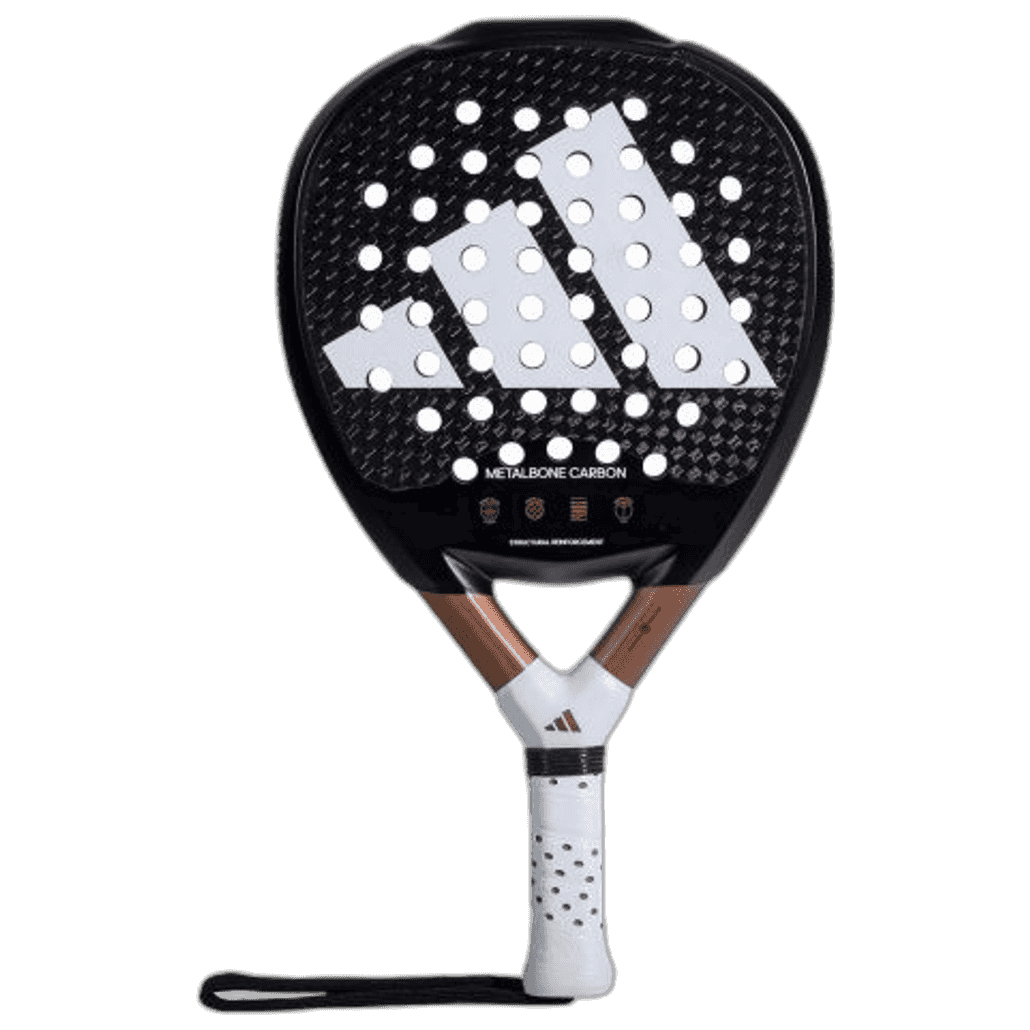 8.7
8.7Adidas · 2023
Exceptional power delivery with 6K Carbon construction
Head-heavy balance may affect maneuverability
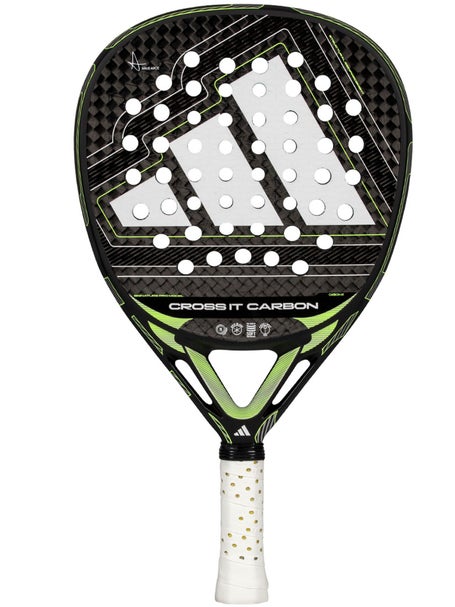 7.8
7.8Adidas · 2026
Explosive power on smashes and bandejas
Demanding on defensive resets and blocks
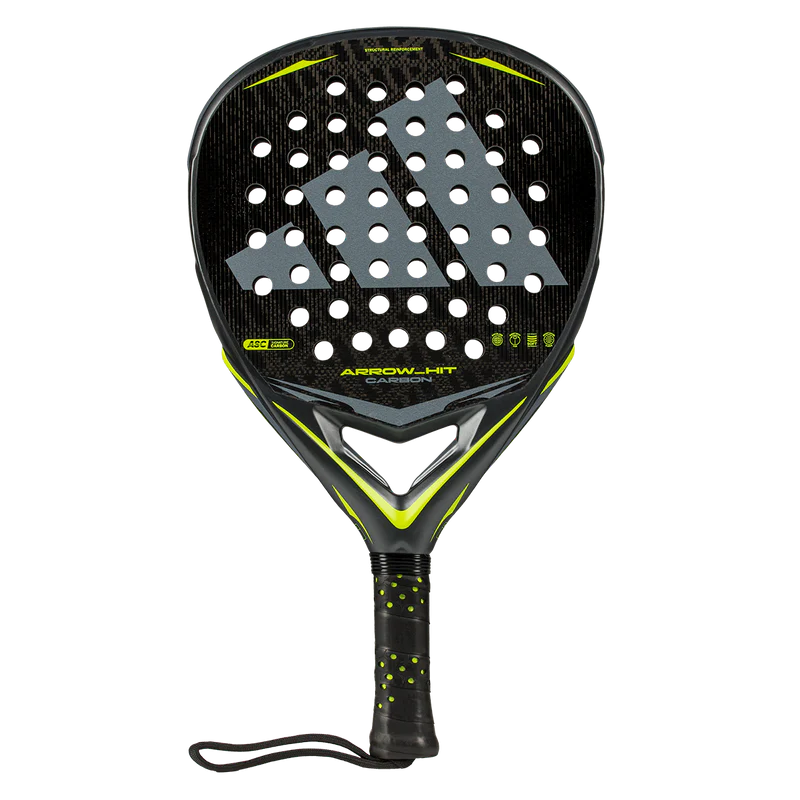 7.5
7.5Adidas · 2026
Excellent ball feel and touch for a diamond shape
Smaller sweet spot versus the Metalbone CTRL at similar price
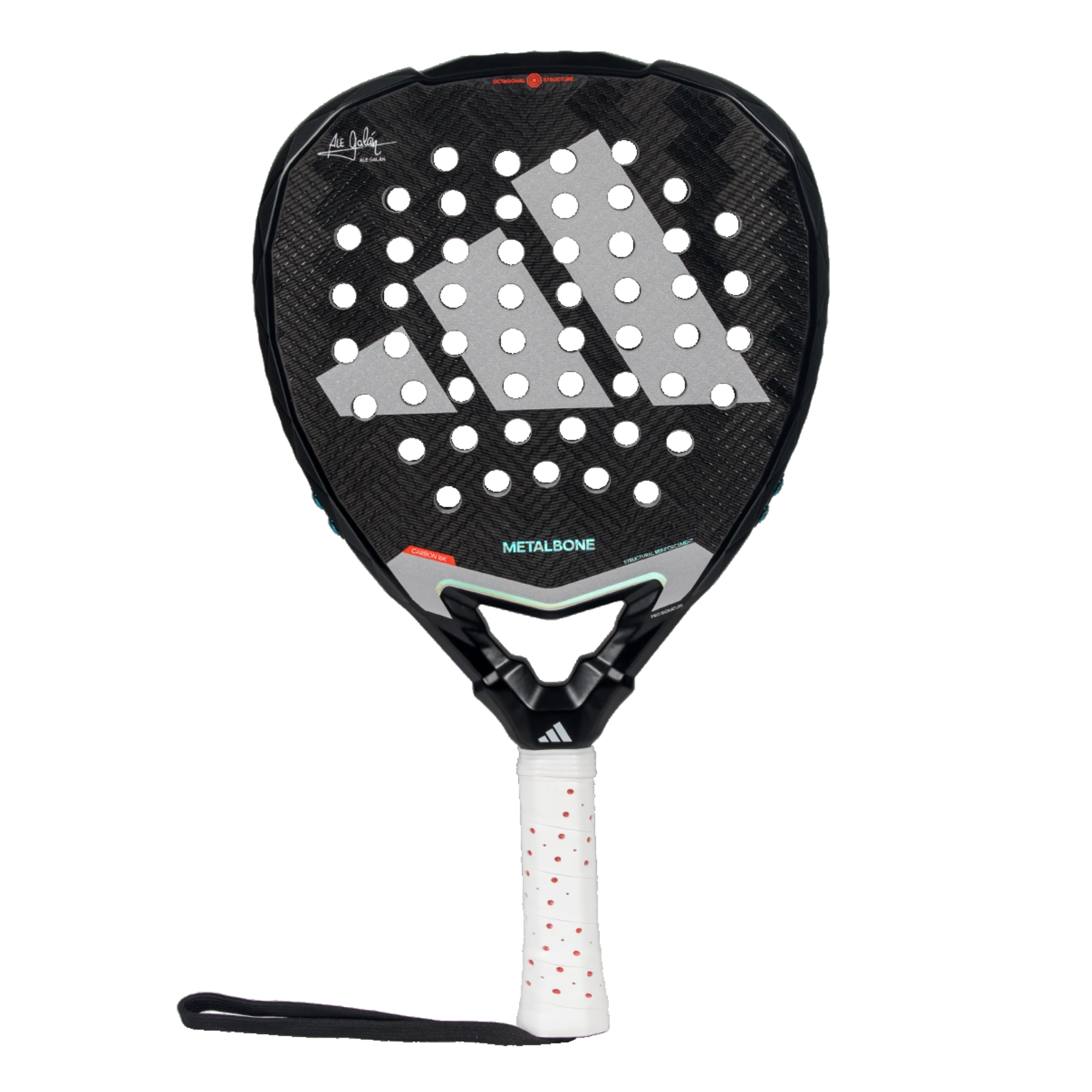 8.4
8.4Adidas · 2025
Elite smash and víbora power
Sweet spot is average, not generous
 8.8
8.8Adidas · 2025
Exceptional power delivery from the diamond shape and head-heavy balance
Higher price point may not suit all budgets
Want to explore more options?
Browse all rackets