


 4:11
Volley technique: shoulder turn and court positioning
The Padel School
Volley · Beginner, Intermediate, High Intermediate
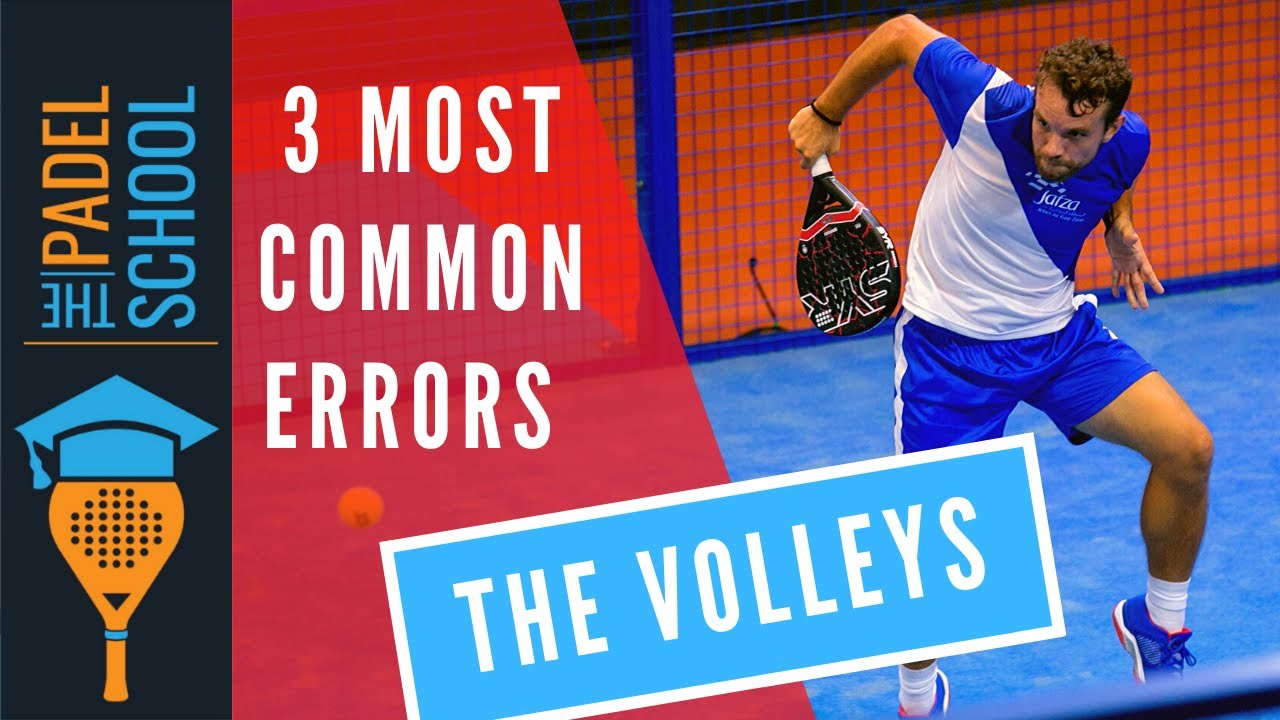
Keep your technique simple by turning your shoulders to prepare and using a blocking motion at contact. Ensure your wrist and forearm stay firm so you can rebound the ball without flicking your wrist.
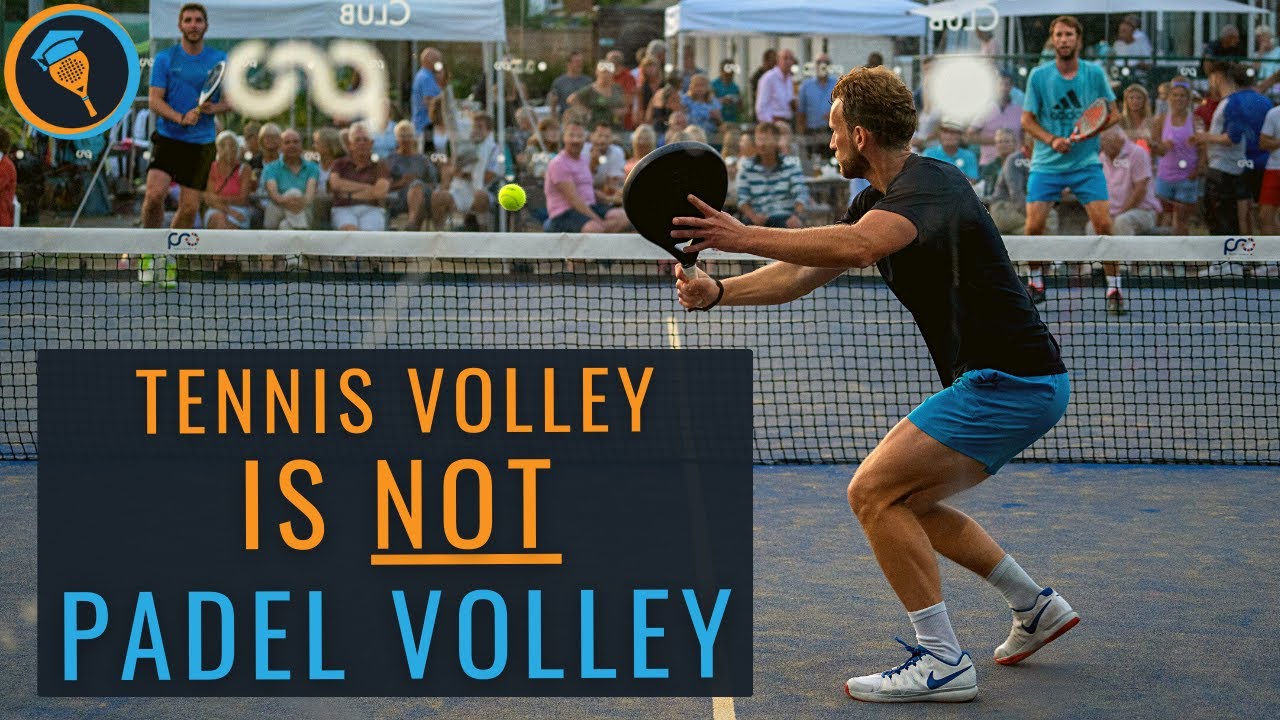
The ready position for the volley requires the racket to be held vertically and further from the body to decrease reaction time. The preparation involves a shoulder turn that brings the racket back no further than the back shoulder. A step forward with the opposite leg provides a stable base and allows the body to push into the court. Contact occurs in front of the body with a firm wrist and forearm. This is a blocking motion rather than a swing.
Common errors include using an open stance and patting the ball, which is corrected by maintaining a continental grip and rotating the shoulders. Standing too close to the net limits reaction time and makes the player vulnerable to lobs. When facing a low ball, the player must bend the legs rather than the hips to keep the racket head above the hand. A firm forearm prevents wrist wobble at impact, ensuring control and power for both forehand and backhand volleys.
We add lessons from the creators we learn from every week. Get the new ones, our racket reviews and what the creators are making, every other week.
Added on Sep 19, 2026
Every lesson on this page is The Padel School's work. If it helped your game, subscribe on YouTube and tell them.
Subscribe on YouTube4:11The Padel School
Volley · Beginner, Intermediate, High Intermediate
 4:12
The Padel School
Volley · Intermediate, High Intermediate
 2:53
The Padel School
Volley · Intermediate, High Intermediate
 5:21
The Padel School
Volley · Beginner, Intermediate, High Intermediate
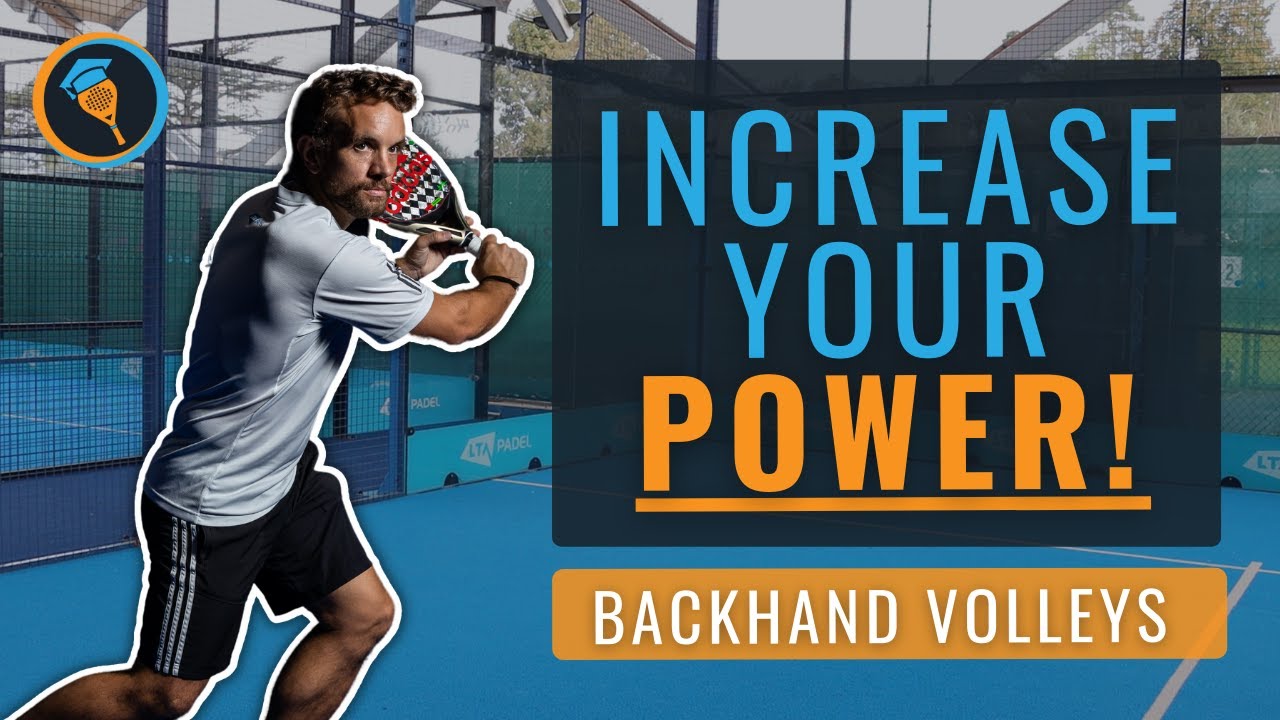 4:41
The Padel School
Volley · Intermediate, High Intermediate
 7:34
The Padel School
Volley · Beginner, Intermediate, High Intermediate, Advanced, High Advanced