
 7.8
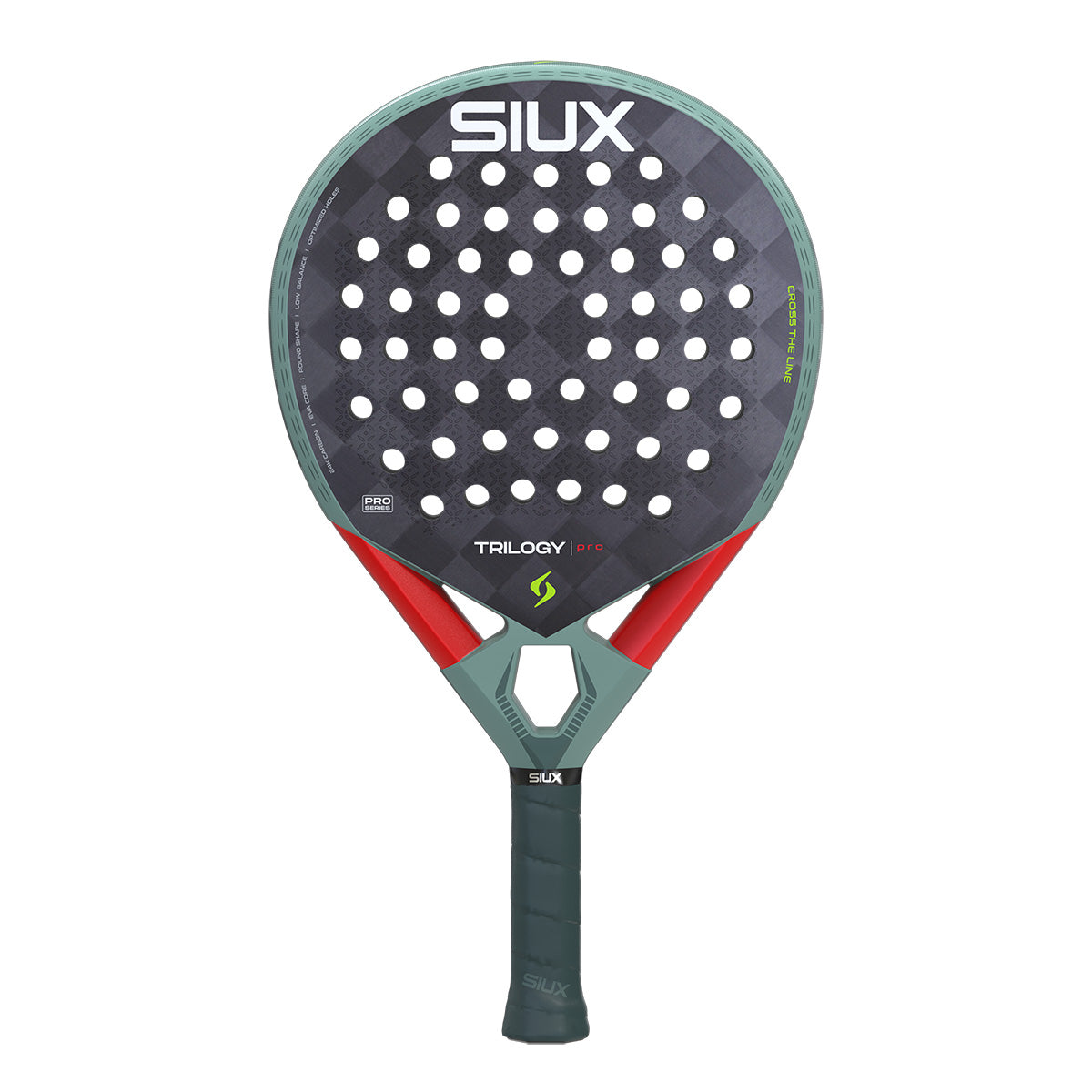
7.8Siux Trilogy Pro Ash Green 2026
Siux · 2026
Generous sweet spot for a pro-level racket
Limited free power on smashes and finishes
PremiumAdvanced
 8
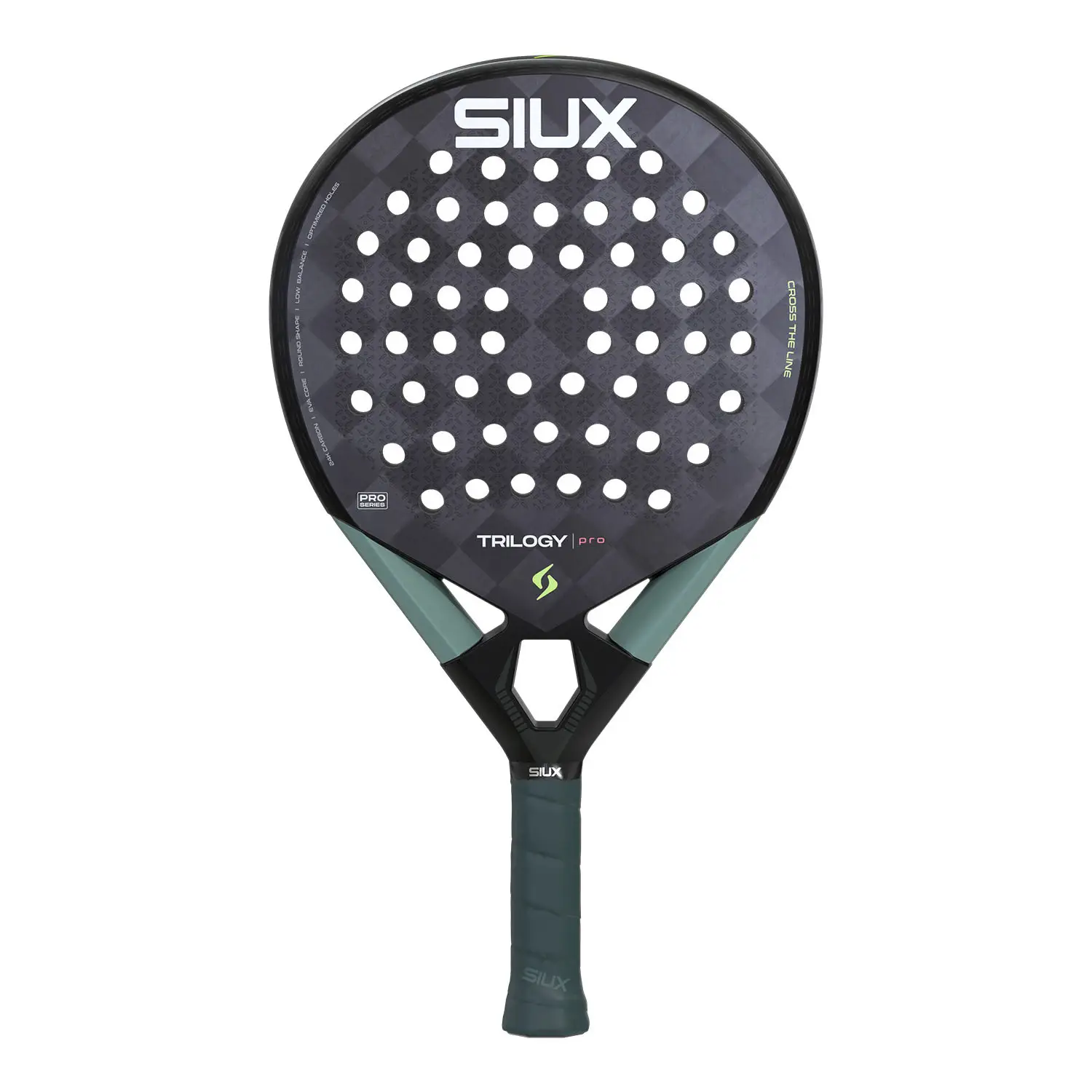
8The Trilogy Pro Black Fog rewards consistent players who build points rather than end them with overheads. The head-light balance and wide sweet spot make it reliable on defense and at the net, but smash power comes entirely from the player. Not the right racket for anyone who relies on heavy overheads to close points.

All-court player who prizes control, feel and spin
Bowe is convinced that the racket, shoes, court are the problem, never his own abilities.
The Siux Trilogy Pro Black Fog 2026 sits in Siux's Pro line as the control option, alongside the power-focused Diablo and Fenix. It's a round racket with a head-light balance, built around a 24K carbon face over a medium-density EVA core — and that carbon choice matters. The 24K weave is more flexible than the 12K used on sister models like the Fenix, which means the face gives a little more on contact. You get less vibration on off-center hits and a touch more dwell time when the ball meets the surface. Frame is 38mm thick, weight runs 355 to 375g, and the matte Noir Fog finish comes with the 3D textured surface that bites into the ball for spin and precision work.
Priced around €245–280, it's up against control-oriented round rackets from Adidas, Babolat, and Nox.
What the Reviewers Say
The consensus across every source is clean: exceptional control, wide sweet spot, modest power. Padelful called it "a tool for players who want to build points from the back court, keep the ball where they want it, and still feel secure when the pace rises." Their standout observation was the stability on mis-hits: "On off-center hits, the racket doesn't twist around much, and that matters when the rally gets fast." On the power ceiling they were equally clear: "if you try to force winners from deep positions, it can feel a bit restrained."
PadelRacketReviews gave it 98/100 for control and 75 for value. The low balance, they noted, "enables quick racket speed and responsive net play." Their caution: the 375g upper end of the weight range "may tire players in extended rallies." Their aggregate also pulled in 78/100 from PadelReference and 86/100 from Padelful.
PadelReference scored it 10/10 for control with 8/10 for comfort and maneuverability both. Their expert note: "The Trilogy Pro 2026 delivers surgical control for expert defenders. A precise, stable, and stiff weapon to master every rally with finesse."
PadelScout's 8.6/10 overall rating came with 9.6/10 for control and 8.9/10 for maneuverability. The rough 24K surface got a specific callout for grip on spin shots — bandejas and víboras — without introducing unpredictable behavior.
Mercado de Padel's Argentine coaching staff, after running the Siux 2026 Pro line on court, were direct about where the Trilogy Pro sits in the range: "more firm than the softer models, but it doesn't punish you from the baseline." Their read: recommended for right-side players and anyone who wins with placement over power.
How it plays..
The Trilogy Pro Black Fog is built for players who build points rather than end them. The low balance and round shape let you redirect fast balls without much setup time, and the 3D rough surface grips the ball properly on spin shots. The 24K carbon face is crisper than you'd expect on a comfort-oriented round racket, without going rubbery. One clear limitation: smashes need to come from you. The racket doesn't load up the overhead or add pace you didn't already generate. For players who win through consistency and placement, that tradeoff is fine. For players who rely on overheads to close out points, it's not.
Defense
From the back, the Trilogy Pro absorbs pace well. The wide sweet spot and stable frame take hard balls without sending them back uncontrolled, and defensive lobs come off the face cleanly. Resets are predictable — you get consistent output on compact blocks, which matters when you're defending under pressure. The head-light balance also helps: unlike heavier control rackets that can feel slow in reactive situations, this one stays quick when you need to change direction.
Attack
Offense is this racket's weak point, and it's not a surprise given the build. The Trilogy Pro can generate depth from the baseline, but it doesn't add pace you didn't put in yourself. On smashes, the limited head weight is noticeable — you need a full swing to get anything threatening. Players with solid technique will still put balls away when the setup is right. The racket just won't cover for a weak or late overhead. Víboras and bandejas are where it's most useful offensively: the rough surface bites into the ball and you get reliable direction and spin without overhitting.
Netplay
At the net, the round shape and low balance both work in this racket's favor. Volleys exit predictably and you can press angles without the ball flying wide. Touch shots sit well on the medium EVA core — chiquitas and angled volleys feel clean. The limitation is the same as everywhere else: if you want to put a volley away with pace rather than placement, the power constraint shows up here too.
Our Advice for New Players
Beginners should skip this one. The weight range and the level of technique it asks for make it a poor fit for anyone still working on consistent contact. A lighter, more forgiving all-court racket will make the learning curve easier.
Our Advice for Intermediate Players
Intermediate players with a defensive or tactical tendency will get a lot out of it, provided they already hit with reasonable consistency. If you're focused on keeping the ball in play, constructing points, and making the other side make mistakes, the Trilogy Pro's control and sweet spot reward that approach.
Competitive level
Advanced and professional players who play a control game from either side will get the most from it. Right-side players who win through placement and smart resets are the primary fit. Left-side players who like to finish with heavy overheads will find the power ceiling frustrating.
How It Compares
Against the Adidas Metalbone CTRL 2026 (round, head-light, similar price), the Trilogy Pro is a bit firmer and slightly more maneuverable. The Metalbone has more dwell time and a softer feel on contact. If you want the ball to sit on the face a moment longer, go Adidas. If you want crisper, cleaner feedback, the Siux is the one.
The Babolat Counter Viper 2025 is a reasonable alternative at a lower price. The Trilogy Pro is the better-built racket with a more consistent sweet spot, so if budget isn't a constraint, the Siux is worth the extra spend. If you're watching price, the Babolat covers the same control-first brief without embarrassing itself.
Research & References
Our mission is to help you choose the right padel racket with clear, in-depth reviews that make it easy to level up your game. We start with official specs, then break down each racket’s key properties. Finally, we bring together trusted video and written reviews—summarised into one consistent, easy-to-read overview.
Drafted by Padelguru from expert video reviews with Bowe Frankema's playing profile as an editorial lens, then reviewed and edited by Bowe Frankema.
Put the rackets you are considering side by side and keep the ones you play with in your collection.
Get the Padelguru app
Recommended for
Advanced to professional players with a defensive or tactical style, particularly right-side players who win through placement, resets, and smart construction rather than raw power.
Skill level
Advanced, Professional
Court position
Right
Play style
Control, Defensive, Tactical
Best at: Control (9.5/10)
Average: 7.7/10
Probamos SIUX 2026: ¿Realmente mejoró? | Con Fabián Chozas
Shape
Round
Weight
Heavy (371–385g)
Balance
Maneuverable (Head-Light)
Touch
Medium
Core
Eva
Surface
24K Carbon
Texture
3D Pattern
Year
2026
8 rackets with characteristics, performance and appeal close to the Siux Trilogy Pro Black Fog 2026.
7.8Siux · 2026
Generous sweet spot for a pro-level racket
Limited free power on smashes and finishes
 8.5
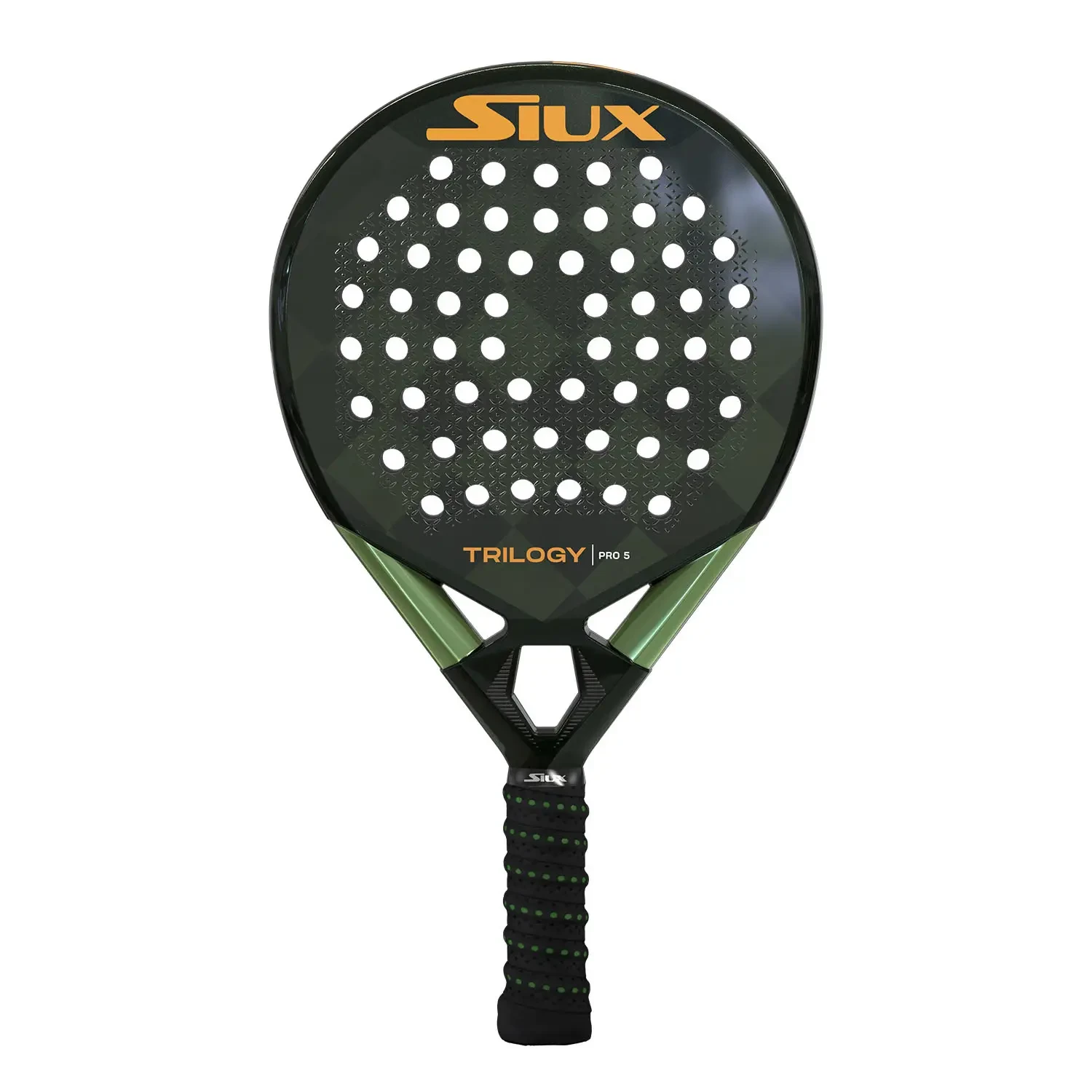
8.5Siux · 2025
Exceptional control and precision for tactical play
Not designed for pure power players seeking maximum smash impact
 8.2
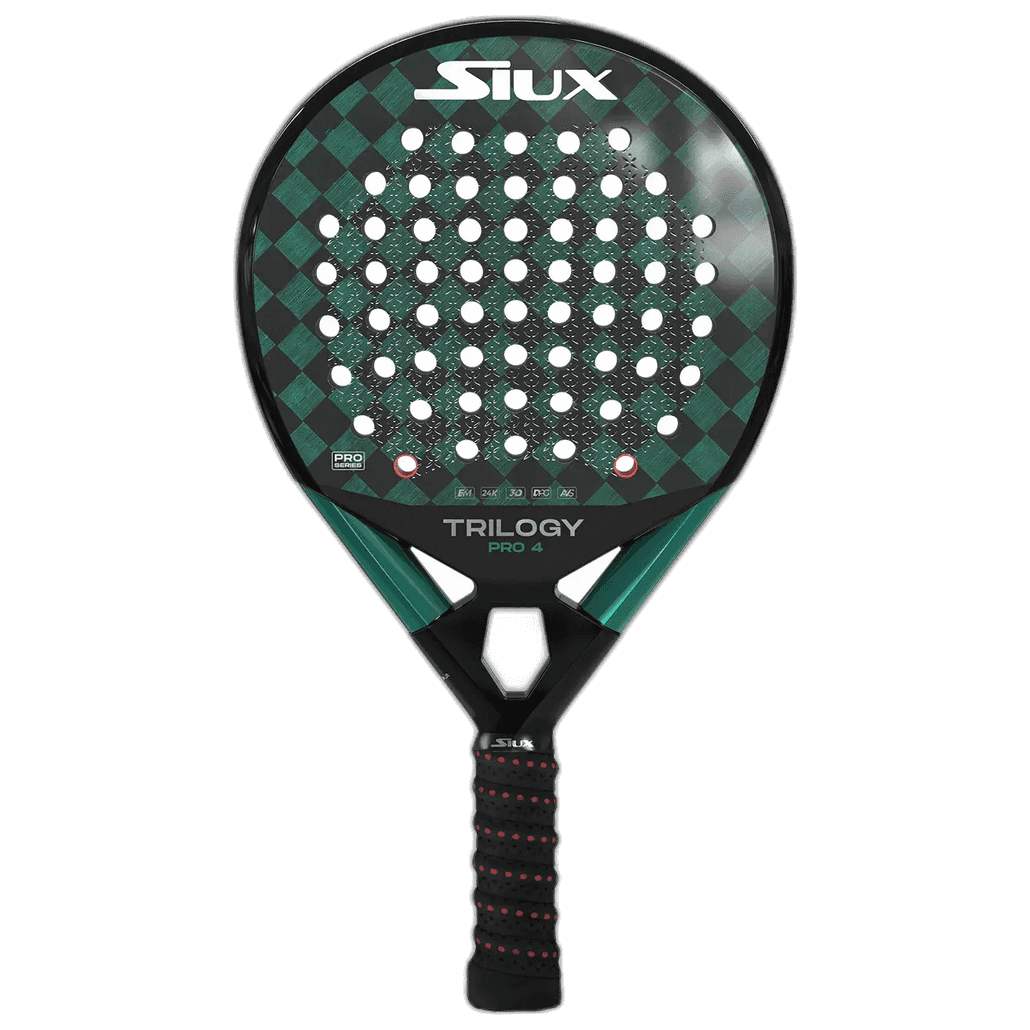
8.2Siux · 2024
Exceptional control and precision with 24K carbon faces
Power output may be insufficient for aggressive players
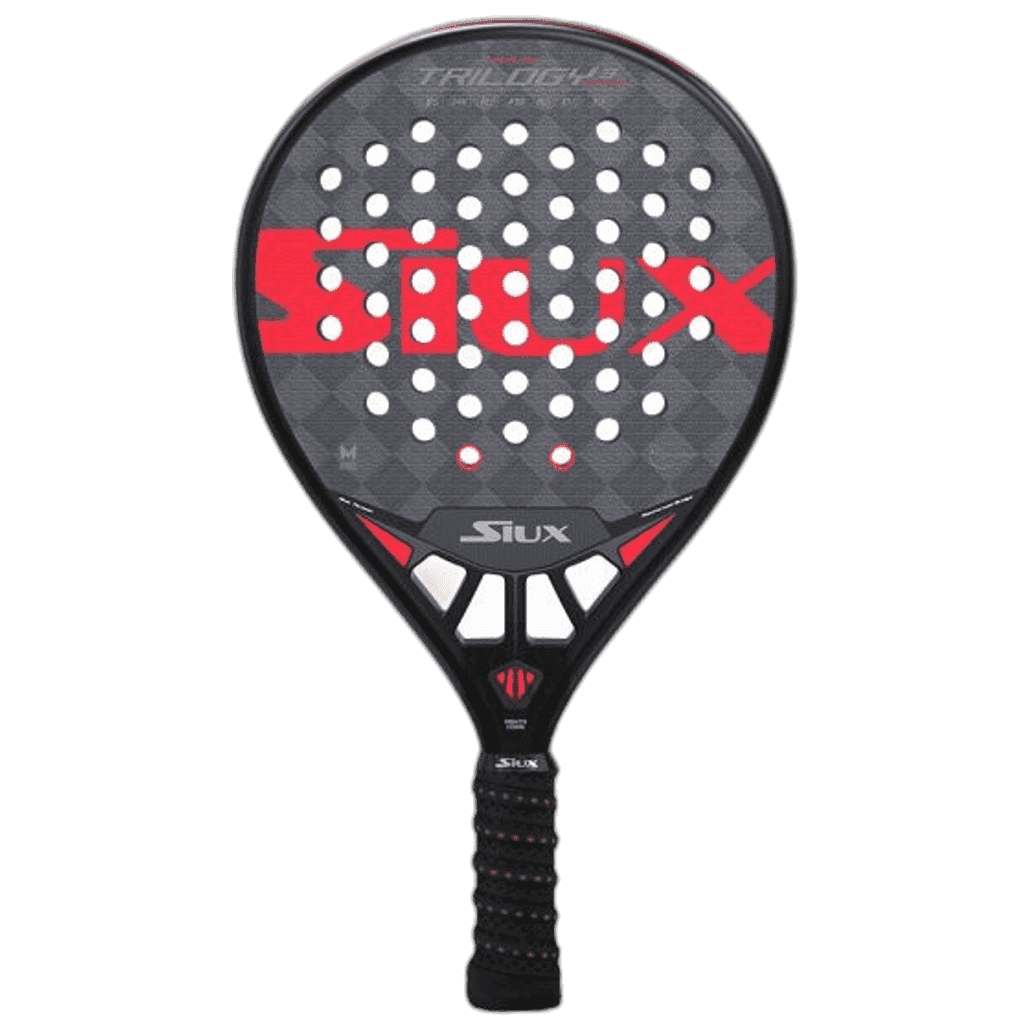 8.7
8.7Siux · 2023
Exceptional control and precision with round shape and low balance
Below-average power output for aggressive shots
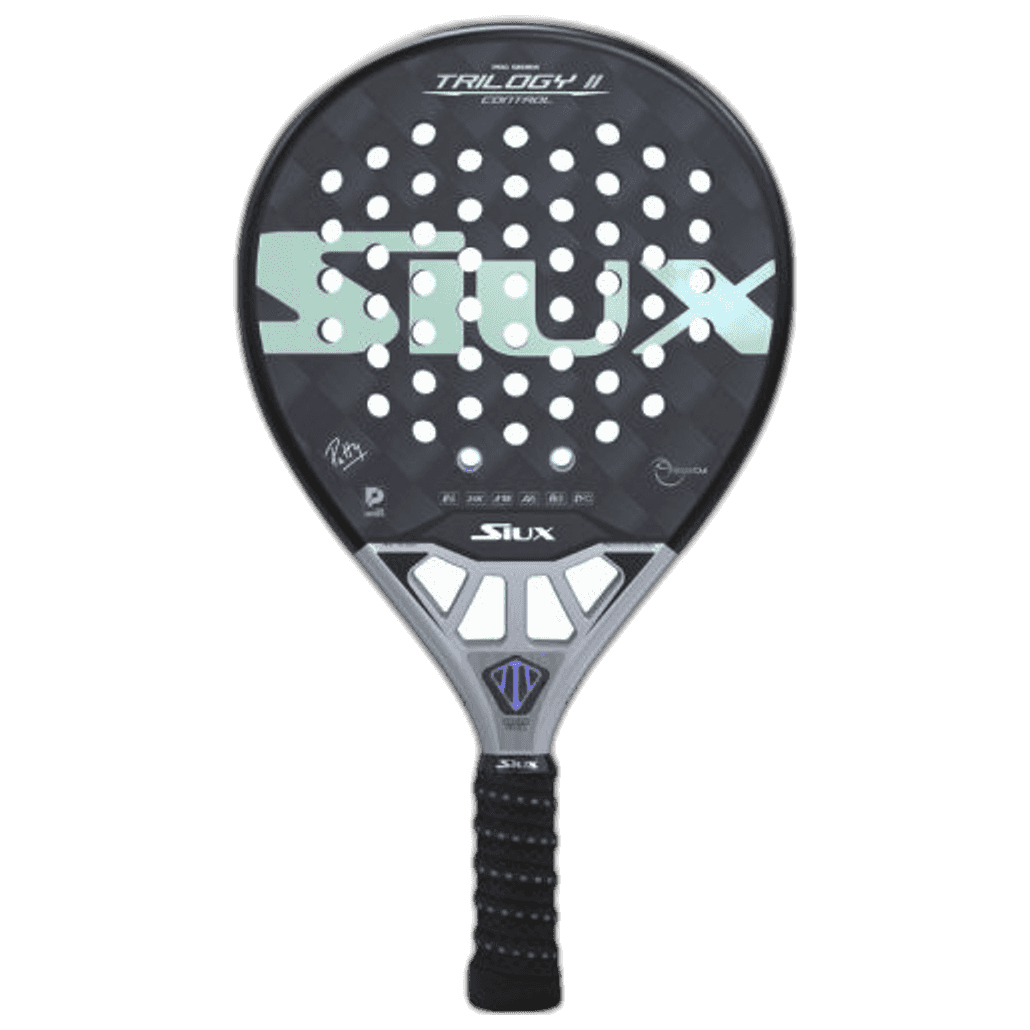 8.5
8.5Siux · 2023
Exceptional control and precision with Gold Carbon TEX 24K faces
Less powerful compared to attack-oriented rackets
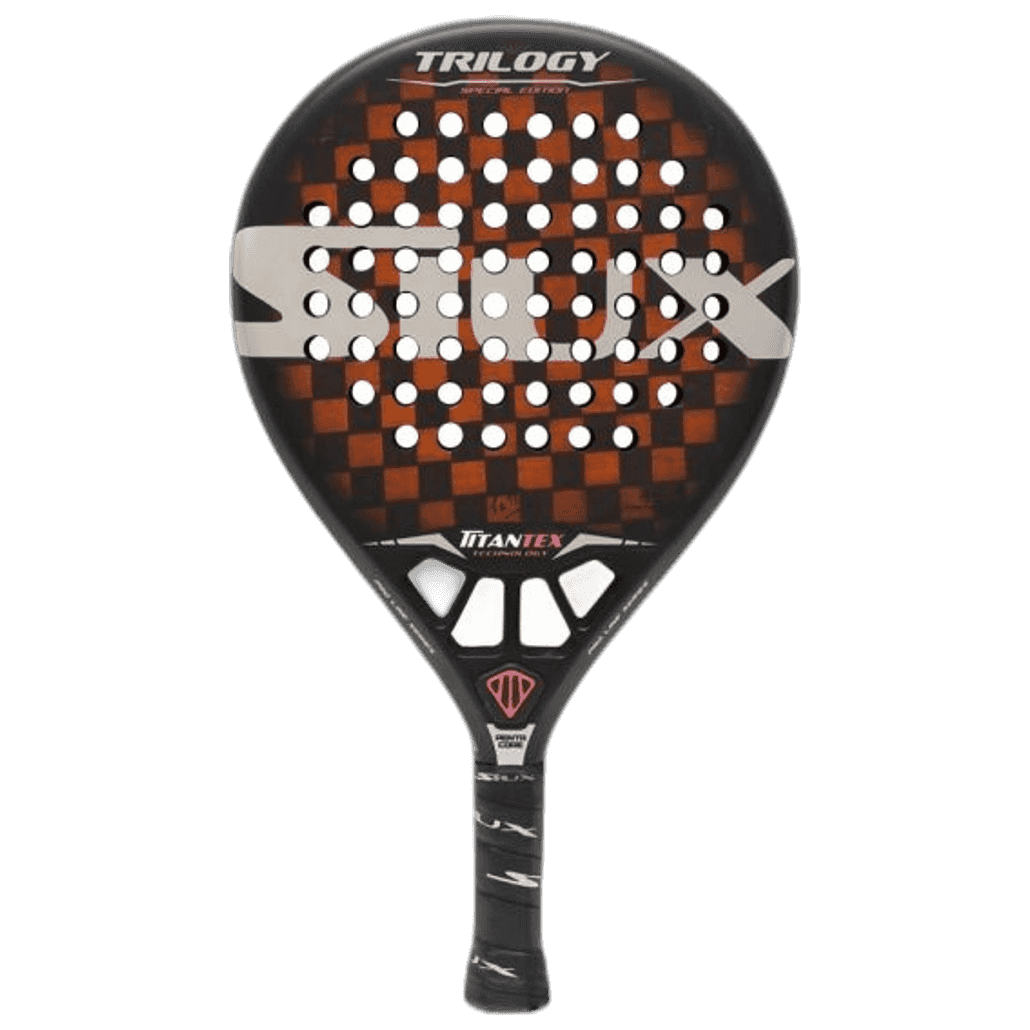 8.5
8.5Siux · 2021
Exceptional control with round shape and balanced weight
Less powerful compared to attack-oriented rackets
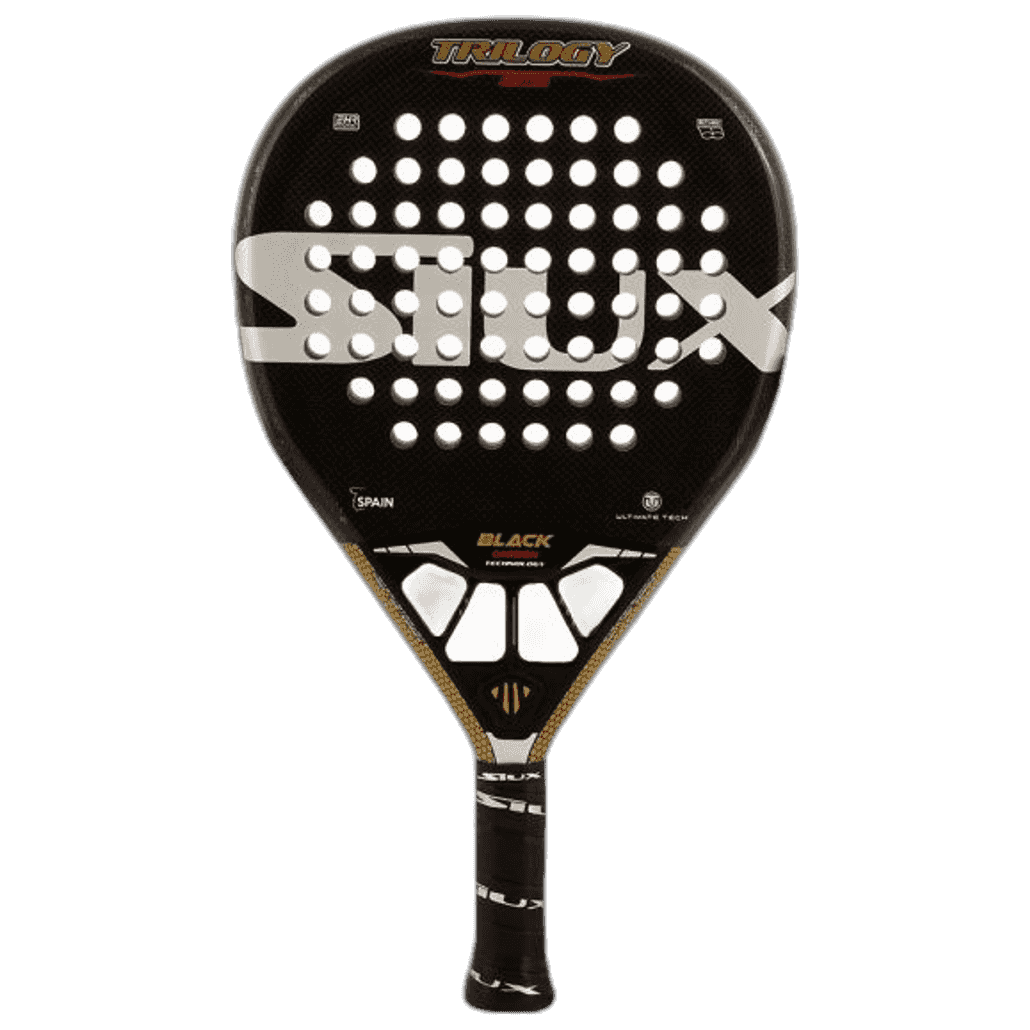 8.5
8.5Siux
Excellent control and precise shot placement
Less power compared to pure power rackets
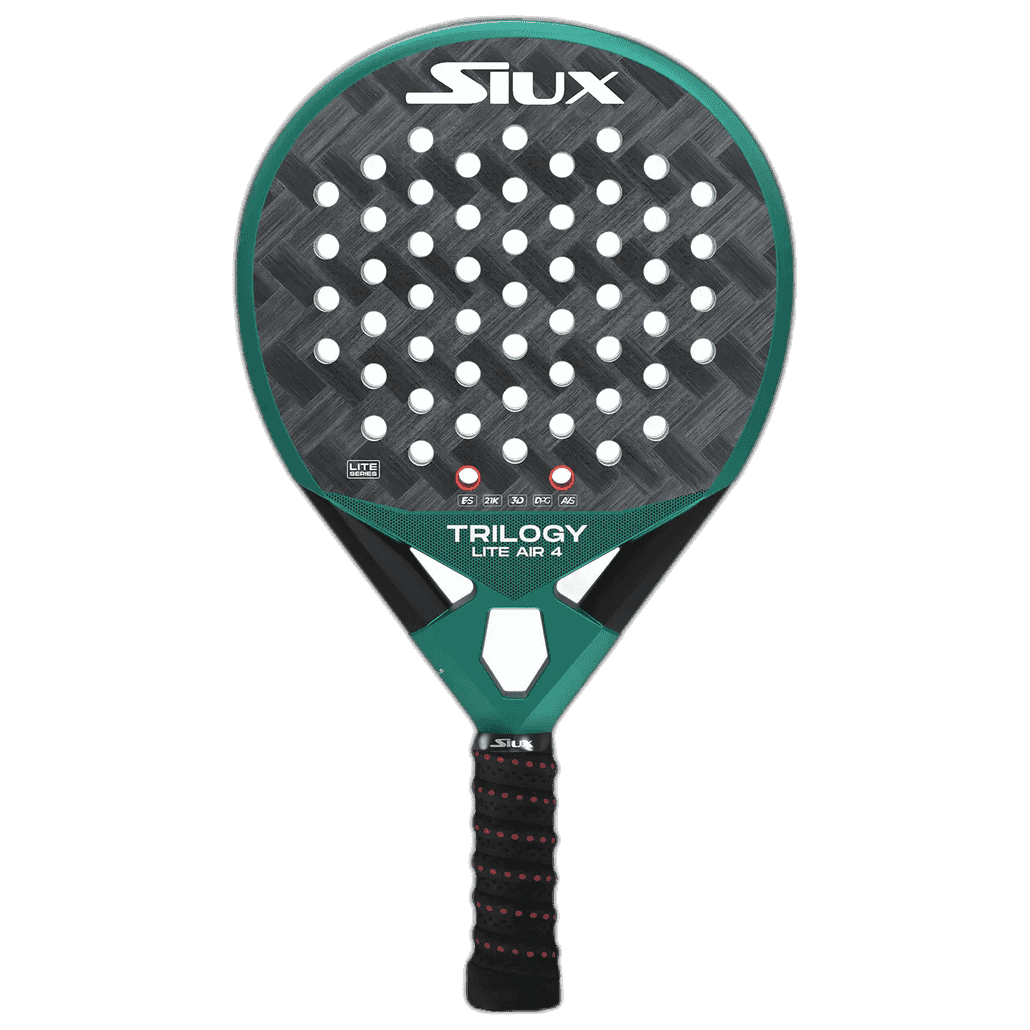 8.4
8.4Siux · 2024
Exceptional control and precision with round shape
Limited power output for aggressive players
Want to explore more options?
Browse all rackets