 8.2
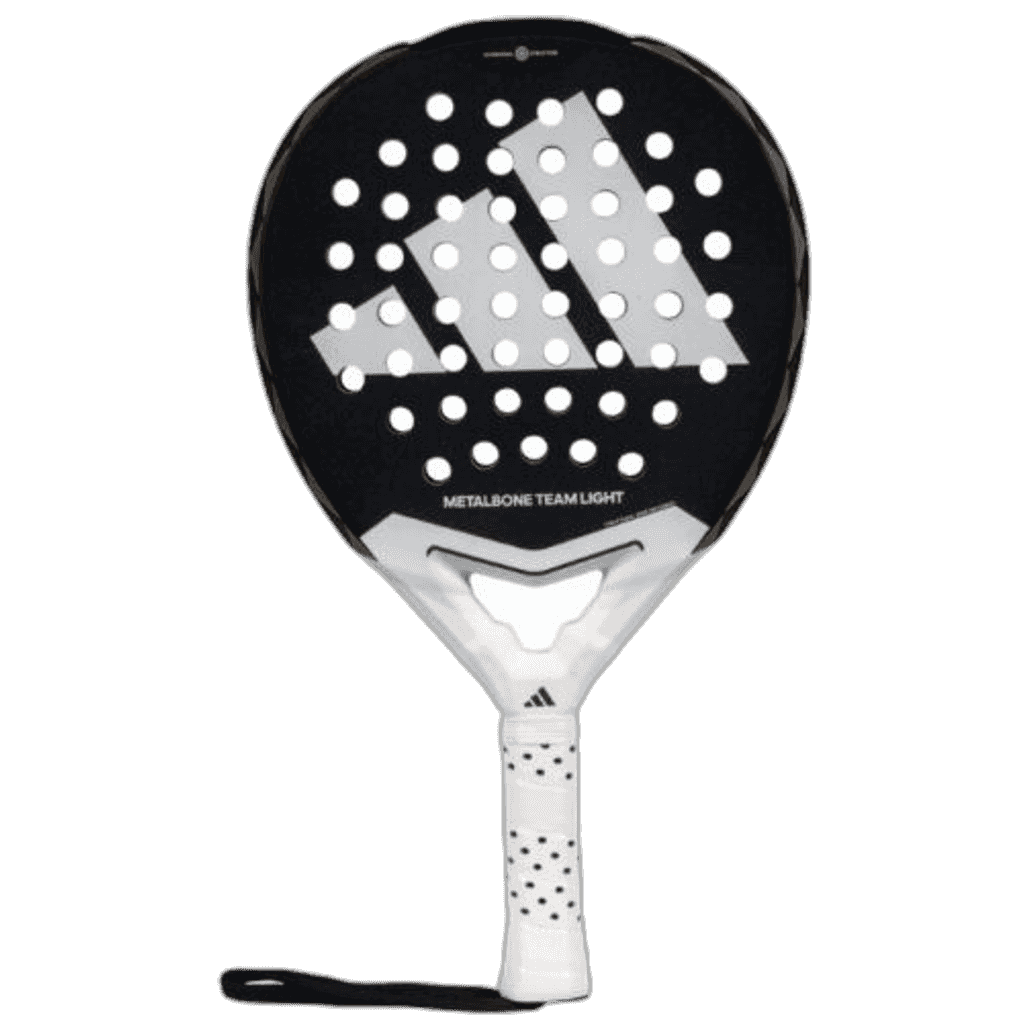
8.2Adidas Metalbone Team Light 3.4 2025
Adidas · 2025
Exceptional maneuverability with light weight design
Limited power for aggressive smashes
Mid RangeHigh Intermediate
 7.8
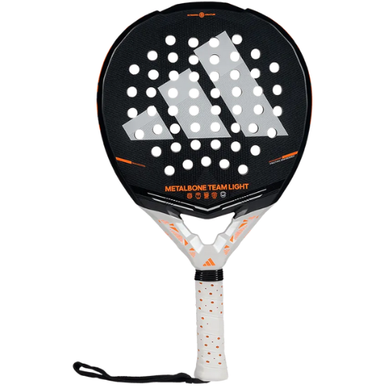
7.8The Metalbone Team Light 3.5 2026 suits intermediate to advanced players who want agile handling, a forgiving sweet spot, and control-driven net play rather than raw smash power. Its round shape and fiberglass faces deliver reliable ball output on resets, volleys, and bandeja, but players chasing heavy overhead authority should look higher up the Metalbone range.
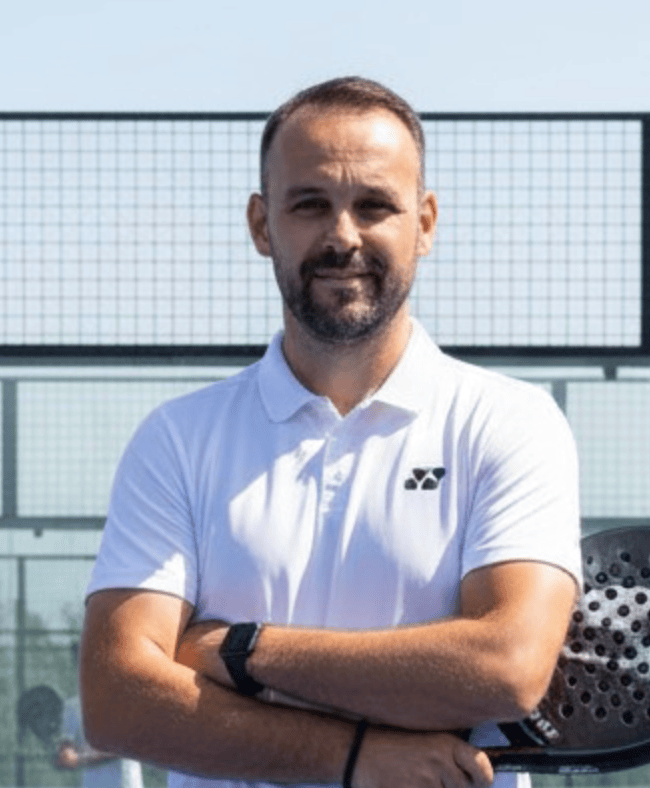
Tactical right-side player who builds points and reads the game
Tactical right side player who is not afraid of using every trick in the book to "disturb the rhytm" of the opponent.
Adidas built the Metalbone Team Light 3.5 2026 as the accessible entry point into the Metalbone family. Where the Metalbone Hard and standard Metalbone 3.4 reward players who can swing aggressively and stay in the sweet spot, this model prioritizes speed, forgiveness, and arm comfort. The round shape, EVA Soft Performance core, and fiberglass faces work together to give the racket a cooperative, elastic feel rather than a stiff, demanding one.
The 2026 update maintains the core construction of earlier Team Light versions but adds the adjustable wrist cord as a new feature. Key specs stay consistent with the line: 345-360g weight range, a 38mm beam, low to even balance, and the full Metalbone tech stack including Octagonal Structure (carbon tubular frame, octagonal section to reduce torsion), Low Poly construction (polyhedral frame design for added rigidity), Spin Blade Gritt rough surface texture for spin and control, and the longer Extra Power Grip handle that shifts inertia towards the head and gives extra reach on overheads. The fiberglass face is the defining material choice here. Where the Carbon and Pro models use 6K or 16K carbon for a stiffer, more demanding response, the fiberglass gives this model more flex, more dwell time, and a noticeably larger margin for off-center contact.
Price sits around €180-230, placing it in the mid-range tier as a clear step below the performance Metalbone models.
What the Reviewers Say
The consensus across written and video reviews is clear: this is the Metalbone for players who want the family's DNA without the harshness.
Padelful describes the Team Light 2026 as "the lighter, easier-going Metalbone," noting how quickly it comes through the air and that the combination of a round mold, medium-soft feel, and fiberglass faces "gives it a friendly, forgiving character without making it vague." They particularly praised the net game: "At the net, it feels especially agile. Volleys come out fast, with enough stability to block and place without the racket twisting around."
JustPadel positioned it squarely for "recreational to intermediate players who want to play offensively but prefer a lighter racket," adding that the fiberglass construction "offers more flex, a larger sweet spot, and more forgiveness than the Carbon and Pro variants, but delivers less direct power."
Allforpadel (the official Adidas store channel) explained the key line distinction: the Team Light uses a round shape with a centered sweet spot, while the Team uses a diamond shape with a high sweet spot. Both share the fiberglass face and EVA Soft Performance core, but the round format makes the Team Light the more defense-oriented and forgiving of the two.
RacketshopTV tested the 2026 Metalbone range and noted that the control-oriented round models with even balance gave notably more court coverage and control on lobs compared to the power-focused diamond variants, while acknowledging the trade-off in overhead weight.
Tennis Warehouse described the racket as "an instant classic for our players here," calling it "a speedy control racket" that "everyone reveled in the quick nature of the hitting experience."
One honest caveat runs through every review: this racket cannot match the heavier Metalbone models for finishing smashes. Padelful put it plainly: "What you give up is obvious: less authority in the smash, less punch on full-blooded overheads."
How it plays..
For right-side players who build points through consistency and placement rather than raw finishing, the Team Light 3.5 makes real sense. The centered sweet spot and manageable balance mean you can stay reliable under pressure, execute controlled volleys and work the rally without the racket demanding perfect mechanics every time. What it cannot do is serve as a smash weapon. Players who want to win points with heavy overheads will find the fiberglass too elastic and the balance too neutral. This racket is about building the opportunity, not ending the point with force.
Defense
Defense is where this racket shines most. The round shape and centered sweet spot mean that even balls arriving at awkward angles come off cleanly. Defensive lobs carry good depth when you commit to the swing, and the EVA Soft Performance core absorbs pressure without turning the contact point into a lottery. Off the glass, the response is stable and predictable. The one thing to note: the ball needs an active swing to go deep. Passive, punch-it-back lobs can come up short against aggressive opponents.
Attack
Offensive play is possible but calibrated. The Extra Power Grip handle adds inertia that helps generate pace on overheads, and the Spin Blade Gritt texture makes the víbora and bandeja easy to access with good ball contact. Where it falls short is in the finishing department. The fiberglass face does not deliver the same pop as the Carbon models on full-swing smashes, and the ball can feel too elastic when you need to put it away hard. Think of it as a racket that creates offensive opportunities rather than one that converts them with weight.
Netplay
Net play is the Team Light's best zone. The light weight and low balance make it exceptionally fast on reaction volleys, and the round sweet spot gives you confidence when taking the ball early. Chiquita responses, block volleys, and quick exchanges all feel natural. The bandeja is particularly well-suited: the racket gives a clean, controlled path through the ball with easy access to spin and good placement margin. The víbora works too, though it generates spin more than pace. Where more advanced players might notice the limit is in the heavy punch volley at close quarters, where additional mass would add more authority.
Our Advice for New Players
Beginners can pick this up and feel comfortable immediately. The light weight, centered sweet spot, and forgiving fiberglass face make it easy to get the ball back with minimal effort. That said, beginners could also do well with less expensive entry-level options, and the Metalbone technology stack is somewhat wasted until you develop consistent shot mechanics.
Our Advice for Intermediate Players
This is the primary target. Intermediate players with consistent groundstrokes who want to speed up their net game, work on their bandeja and víbora, and avoid the wrist and arm discomfort of stiffer rackets will find this an excellent match. The forgiving sweet spot reduces unforced errors, and the light weight allows faster recovery between shots.
Competitive level
Advanced players may find the Team Light comfortable and quick, but the lack of overhead authority is a real limitation at a high level. Players who rely on finishing points from the net with weight will miss the Carbon Metalbone's bite. The exception: advanced players on the right side who prioritize point construction, consistency, and control over finishing power could find this genuinely useful as a tactical tool, particularly in longer matches where arm fatigue matters.
How It Compares
The most natural comparison within Adidas is the Metalbone Carbon Control 2026: also round-shaped and control-oriented, but heavier (~365g) with a stiffer 6K carbon face that adds more authority on overhead plays. Players who have moved past the intermediate level and want sharper finishing should look there. The Team Light is the right choice if arm comfort and court speed matter more than smash weight.
Outside Adidas, the Nox AT10 Luxury Genius 2026 occupies a similar zone: round, control-first, comfortable, and targeted at players who build points through placement. The Nox leans slightly firmer and heavier; the Adidas wins on pure maneuverability and agility at the net.
Research & References
Our mission is to help you choose the right padel racket with clear, in-depth reviews that make it easy to level up your game. We start with official specs, then break down each racket’s key properties. Finally, we bring together trusted video and written reviews—summarised into one consistent, easy-to-read overview.
Drafted by Padelguru from expert video reviews and written retailer analyses, with Lars Kloezeman's playing profile as an editorial lens, then reviewed and edited by Lars.
Put the rackets you are considering side by side and keep the ones you play with in your collection.
Get the Padelguru app
Recommended for
Intermediate to advanced players who prioritize control and maneuverability, spend time at the net building points, and want a comfortable, arm-friendly racket that rewards consistency over aggression.
Skill level
Intermediate
Court position
Right
Play style
Control, Defensive, Tactical
Best at: Maneuverability (9.0/10)
Average: 7.7/10
adidas Metalbone Team vs Metalbone Team Light
Adidas Metalbone 2026: Power, feel and for who? (Playtest verdict)
Shape
Round
Weight
Light (341–355g)
Balance
Maneuverable (Head-Light)
Touch
Medium Soft
Core
Eva Soft Performance
Surface
Fiberglass
Texture
Rough
Year
2026
8 rackets with characteristics, performance and appeal close to the Adidas Metalbone Team Light 35 2026.
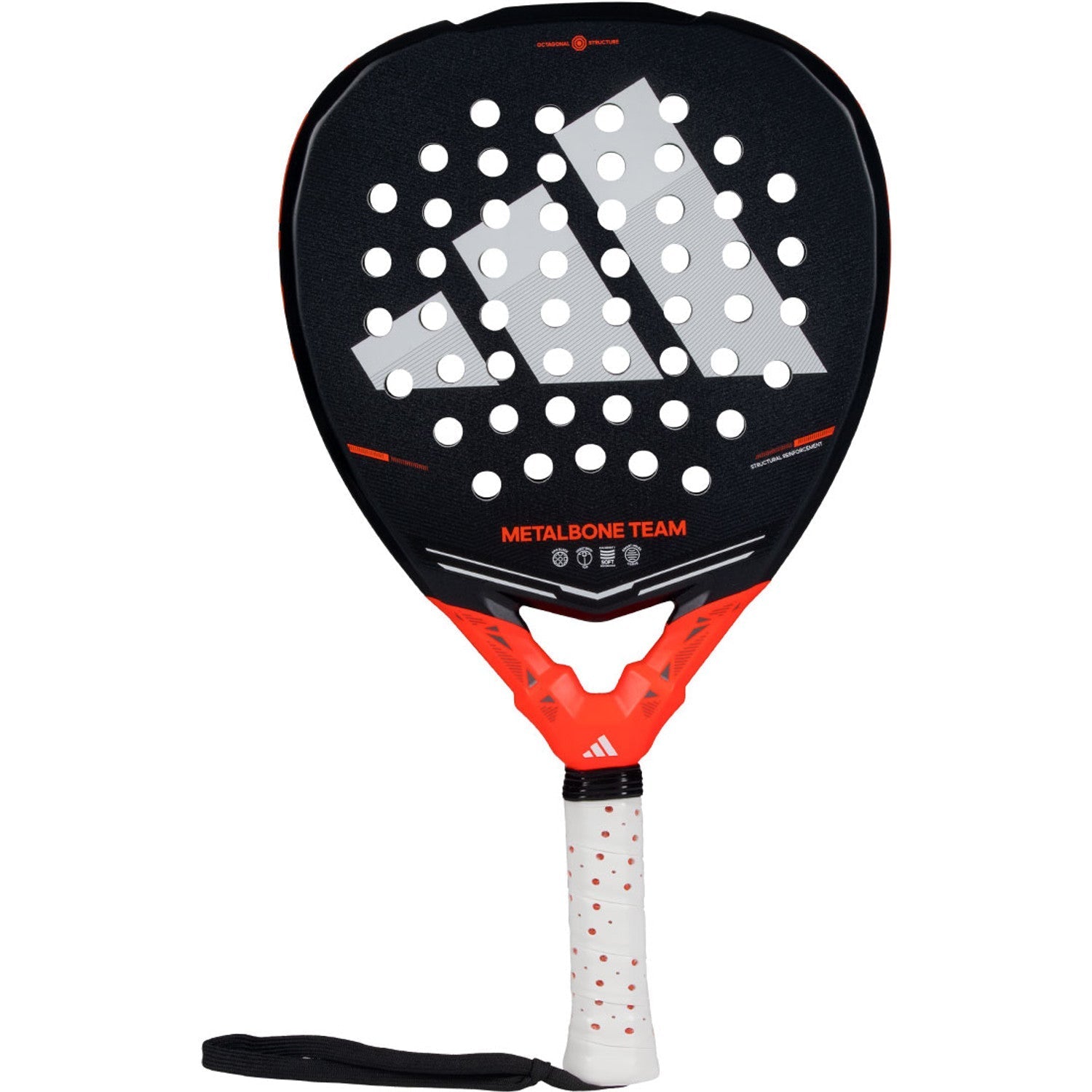
8.2Adidas · 2025
Exceptional maneuverability with light weight design
Limited power for aggressive smashes
 7.8
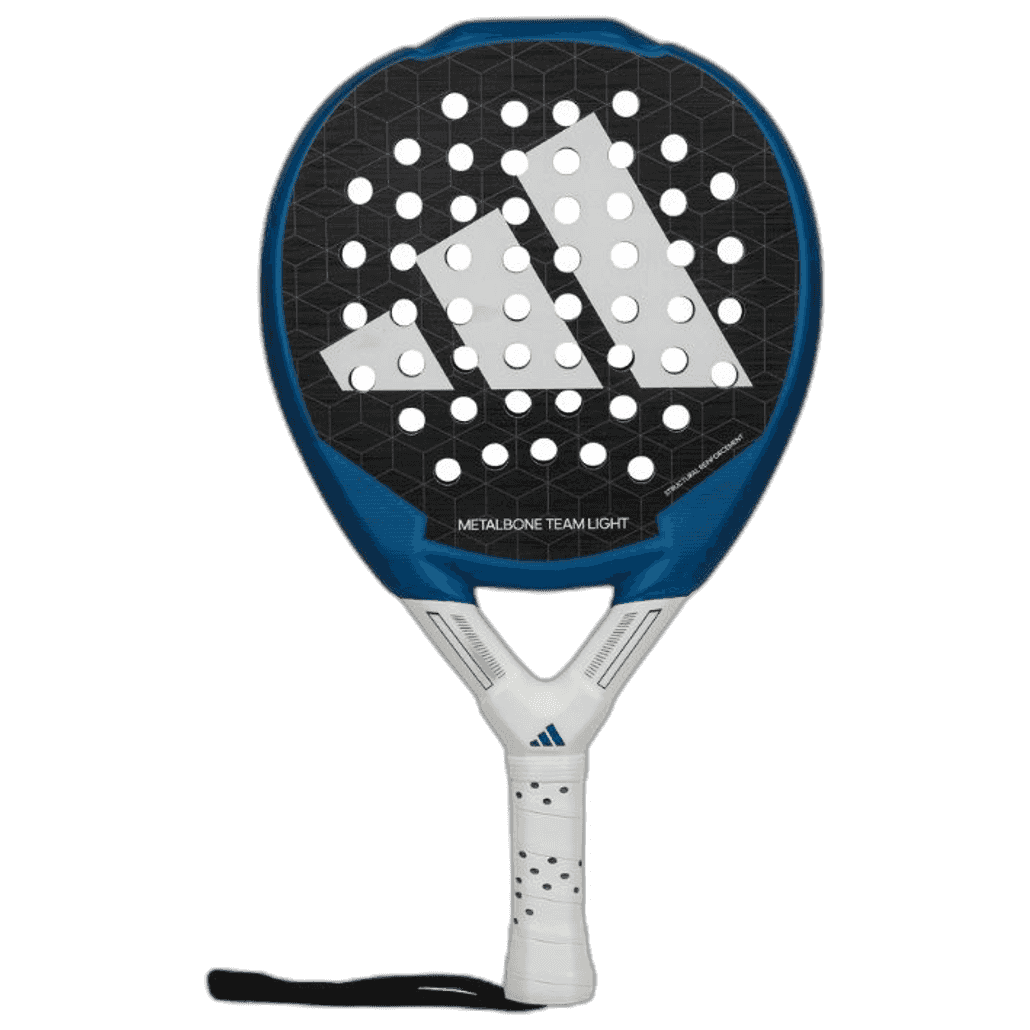
7.8Adidas · 2026
Forgiving on off-centre hits
High sweet spot less forgiving on low defensive balls
 8.2
8.2Adidas · 2024
Exceptional control and precision
Lower power output compared to similar models
 7.5
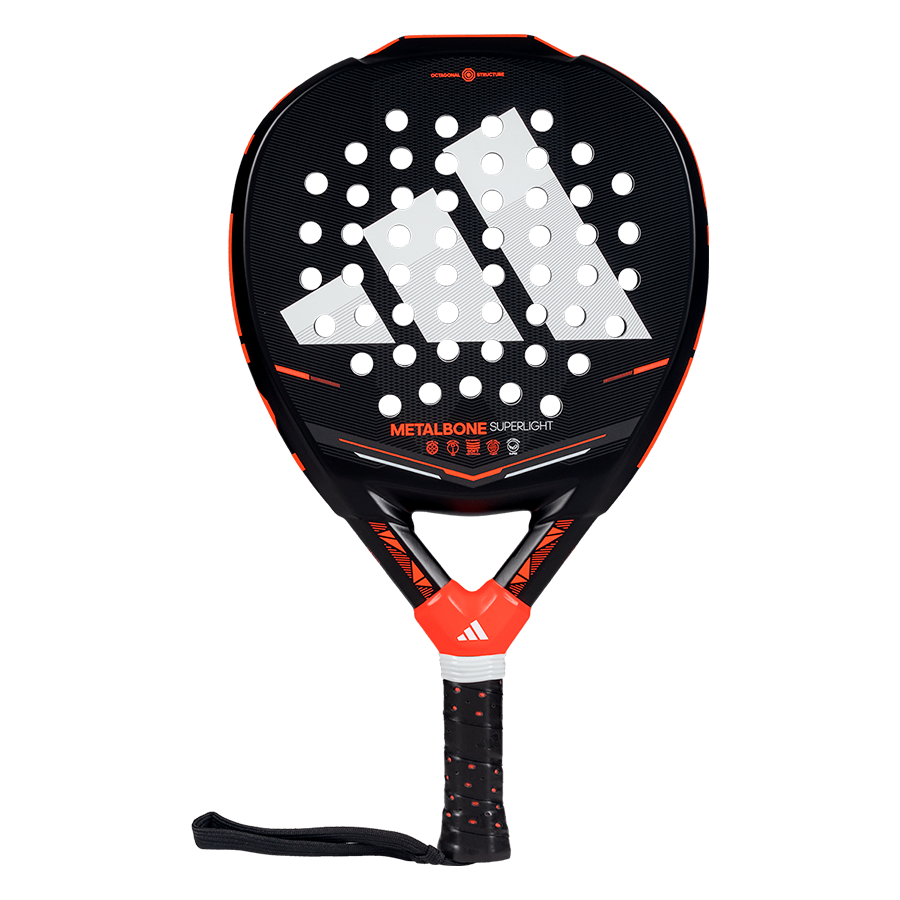
7.5Adidas · 2026
Large, forgiving sweet spot
Modest power output vs carbon-faced options
 7.2
7.2Adidas · 2026
Outstanding maneuverability at the net
Limited feedback and spin for control-first players
 7.9
7.9Adidas · 2025
Exceptional maneuverability with Dynamic Air Flow technology
Requires more effort for powerful shots
 7.8
7.8Adidas · 2026
Predictable, readable response under pace
Centred sweet spot punishes off centre hits
 8.1
8.1Adidas · 2024
Exceptional control and precision with Spin Blade technology
Limited power output for aggressive players
Want to explore more options?
Browse all rackets